
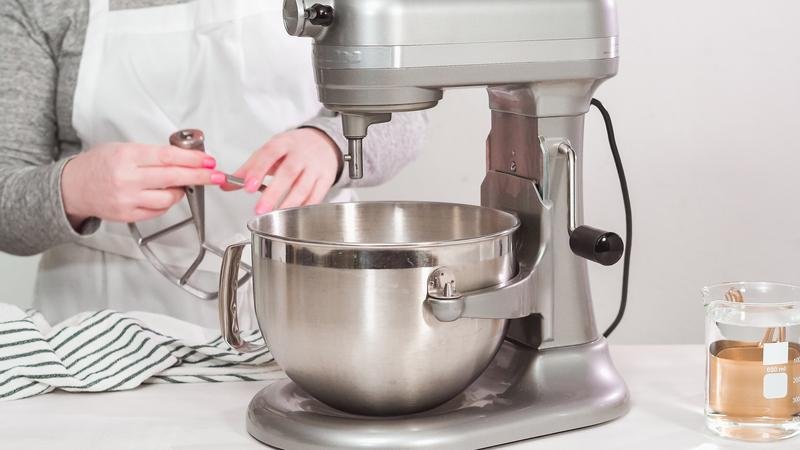
Your stand mixer is a powerful kitchen helper that saves you time and effort. But have you ever wondered how to keep its motor running smoothly for years?
If you want to avoid costly repairs and keep your mixer working like new, understanding simple maintenance steps is key. You’ll discover easy ways to care for your stand mixer motor, so you can bake, whip, and mix with confidence every time.
Keep reading to unlock the secrets that will protect your investment and boost your kitchen success.
Choosing The Right Stand Mixer
Picking the right stand mixer is key to keeping it working well. A good mixer makes cooking easier and lasts longer.
Think about how you will use the mixer. This helps you choose one with the right motor and quality.
Considerations For Motor Power
The motor power shows how strong the mixer is. A stronger motor handles thick dough and large batches.
Look for a motor with enough watts for your cooking needs. Low power can cause the motor to overheat.
- 250 watts or more for light mixing and small batches
- 300-500 watts for regular baking and medium dough
- Over 500 watts for heavy dough and frequent use
Evaluating Brand Reliability
Choose brands known for quality and long-lasting mixers. Reliable brands use better parts and motors.
Check customer reviews and ratings to see how well the motor holds up. Good brands offer clear warranties.
- Look for brands with positive user feedback
- Check warranty length and coverage
- Consider brands with easy access to replacement parts
Routine Cleaning Practices
Keeping your stand mixer motor clean helps it work well for a long time. Dirt and grease can cause problems if not cleaned regularly.
Simple cleaning steps can stop motor issues and keep your mixer safe to use every day.
Cleaning External Surfaces
Wipe the outside of the mixer after each use. Use a soft cloth with warm, soapy water to remove dust and spills. Avoid getting water inside the motor area.
- Unplug the mixer before cleaning.
- Use a damp cloth, not soaking wet.
- Clean buttons and knobs gently.
- Dry all surfaces with a dry cloth.
Preventing Residue Build-up
Residue from ingredients can block vents and harm the motor. Clean parts that touch food after every use. Check vents and crevices weekly to remove any build-up.
| Area | Cleaning Tip |
| Attachment Hub | Remove attachments and wipe clean |
| Motor Vents | Use a soft brush to clear dust |
| Mixing Bowl Base | Wipe with a damp cloth after use |
| Power Cord | Inspect and clean with a dry cloth |
Proper Storage Techniques
Keeping your stand mixer motor in good shape needs proper storage. This helps the motor last longer and work well.
Storing the mixer right stops dust, moisture, and damage from harming the motor parts.
Environment And Temperature Control
Store the stand mixer in a dry place. Avoid areas with high humidity or direct sunlight.
Keep the temperature steady. Extreme heat or cold can harm the motor and electrical parts.
- Choose a cool, dry spot like a kitchen cabinet
- Avoid storing near ovens or windows
- Keep away from damp basements or garages
- Maintain room temperature between 50°F and 85°F
Cord Management Tips
Proper cord care stops damage and keeps your mixer safe to use. Do not wrap the cord too tightly.
Store the cord loosely coiled to avoid kinks or breaks in the wiring.
- Unplug the mixer before storing
- Wrap the cord loosely around the base or use a cord tie
- Avoid sharp bends or pulling on the cord
- Check the cord regularly for wear or damage
Regular Inspection Routines
Maintaining your stand mixer motor is important for its long life. Regular checks help find problems early.
Simple inspection routines can keep the motor running smoothly and prevent costly repairs.
Checking For Wear And Tear
Look closely at the motor parts for signs of damage. Wear and tear can reduce motor power.
Check for cracks, worn-out belts, or loose wires. These issues can cause the motor to fail.
- Inspect belts for cracks or fraying
- Check motor brushes for wear
- Look for loose or broken wires
- Listen for unusual noises during use
Ensuring Secure Attachments
Make sure all parts connected to the motor are tight and secure. Loose attachments can cause damage.
Check the mixer head, attachments, and screws regularly. Tighten anything that feels loose.
- Secure the mixer head firmly in place
- Attach beaters and bowls tightly
- Tighten screws and bolts around the motor
- Test attachments before starting the motor
Lubrication Essentials
Keeping your stand mixer motor well-lubricated helps it run smoothly and last longer.
Lubrication reduces friction and protects the motor parts from wear and tear.
Types Of Lubricants
Choosing the right lubricant is important for your stand mixer motor’s health.
- Grease: Thick and stays in place; ideal for gears and bearings.
- Oil: Thin and flows easily; good for small moving parts.
- Silicone Lubricant: Water-resistant and safe for food contact areas.
- Food-Grade Lubricant: Made for appliances that touch food; safe and non-toxic.
Lubrication Frequency
How often you lubricate depends on how much you use the mixer and its model.
| Usage Level | Recommended Frequency |
| Light (once a week) | Every 6 months |
| Moderate (few times a week) | Every 3 months |
| Heavy (daily use) | Every month |
Avoiding Overloading
Taking care of your stand mixer motor is important. Avoid overloading to keep it working well.
Overloading puts too much strain on the motor. This can cause damage or shorten its life.
Recognizing Signs Of Strain
Watch for signs that show your mixer motor is working too hard. These signs help you stop damage early.
Common signs include slow mixing, strange noises, and the motor getting very hot.
- The mixer slows down or stops during use
- You hear grinding or unusual sounds
- The motor feels hot to touch
- The mixer smells burnt
Batch Size Recommendations
Use the right batch size to avoid overloading your mixer motor. Too much dough or batter strains the motor.
Check your mixer’s manual for the best batch sizes. Stick to these limits to keep the motor safe.
- Mix small to medium batches as recommended
- Split large recipes into smaller parts
- Do not fill the bowl over its max capacity
- Use lower speed settings for heavy doughs
Motor Cooling Tips
Keeping your stand mixer motor cool helps it last longer. Overheating can cause damage and reduce performance.
Simple cooling habits protect the motor during heavy use. This guide shows easy ways to cool your motor.
Resting Between Uses
Give your mixer time to rest after using it. Running the motor non-stop can cause it to overheat quickly.
Pause for a few minutes between mixing tasks. This helps the motor cool down and avoid damage.
- Turn off the mixer after each use
- Wait 5 to 10 minutes before next use
- Use shorter mixing times if possible
Ventilation Importance
Good airflow around your stand mixer helps the motor stay cool. Avoid blocking air vents on the machine.
Place the mixer in a well-ventilated area. This lets heat escape and keeps the motor running smoothly.
- Keep vents clean and free from dust
- Do not cover the mixer while it runs
- Use the mixer on a flat, open surface
Credit: www.mrmixer.store
Troubleshooting Common Issues
Maintaining your stand mixer motor helps it last longer. Some common problems can affect how your mixer works. Knowing how to fix these issues saves time and money.
This guide covers two common issues: noise and vibration problems, and power and speed fluctuations. Follow the tips to keep your mixer running smoothly.
Noise And Vibration Problems
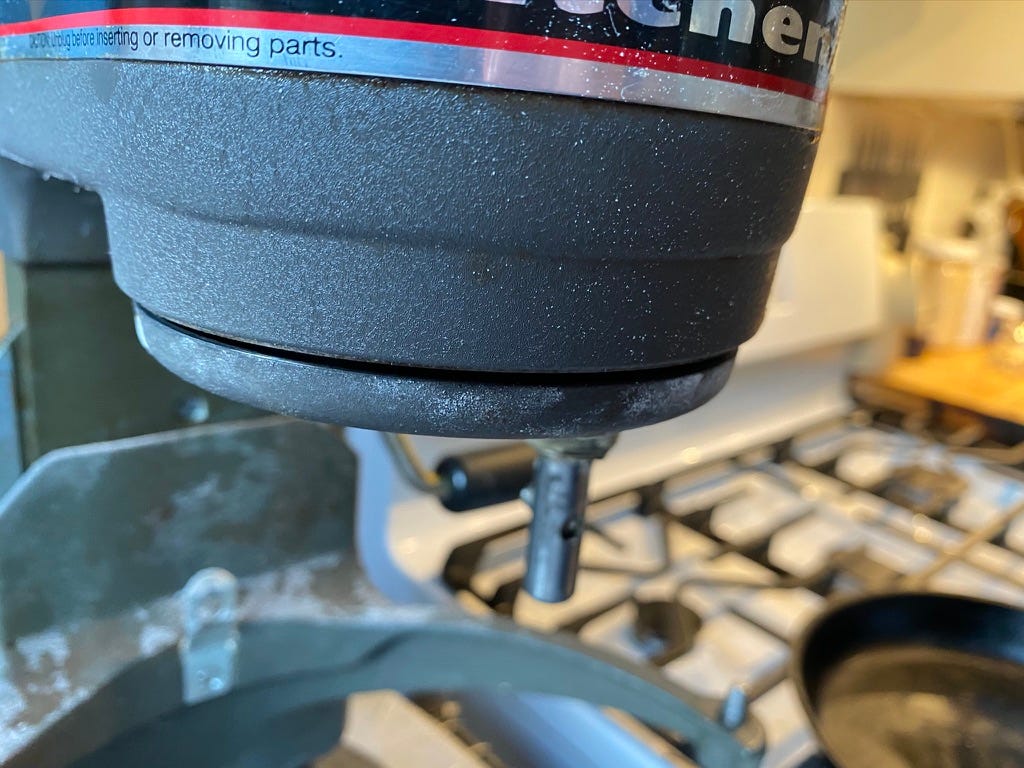
Loud noises or shaking can mean your mixer has a problem. These issues often come from loose parts or worn-out motor components.
Check the attachments and bowl to make sure they are tight. Also, inspect the motor housing for any cracks or damage. Cleaning and lubrication may help reduce noise.
- Make sure all parts are properly attached
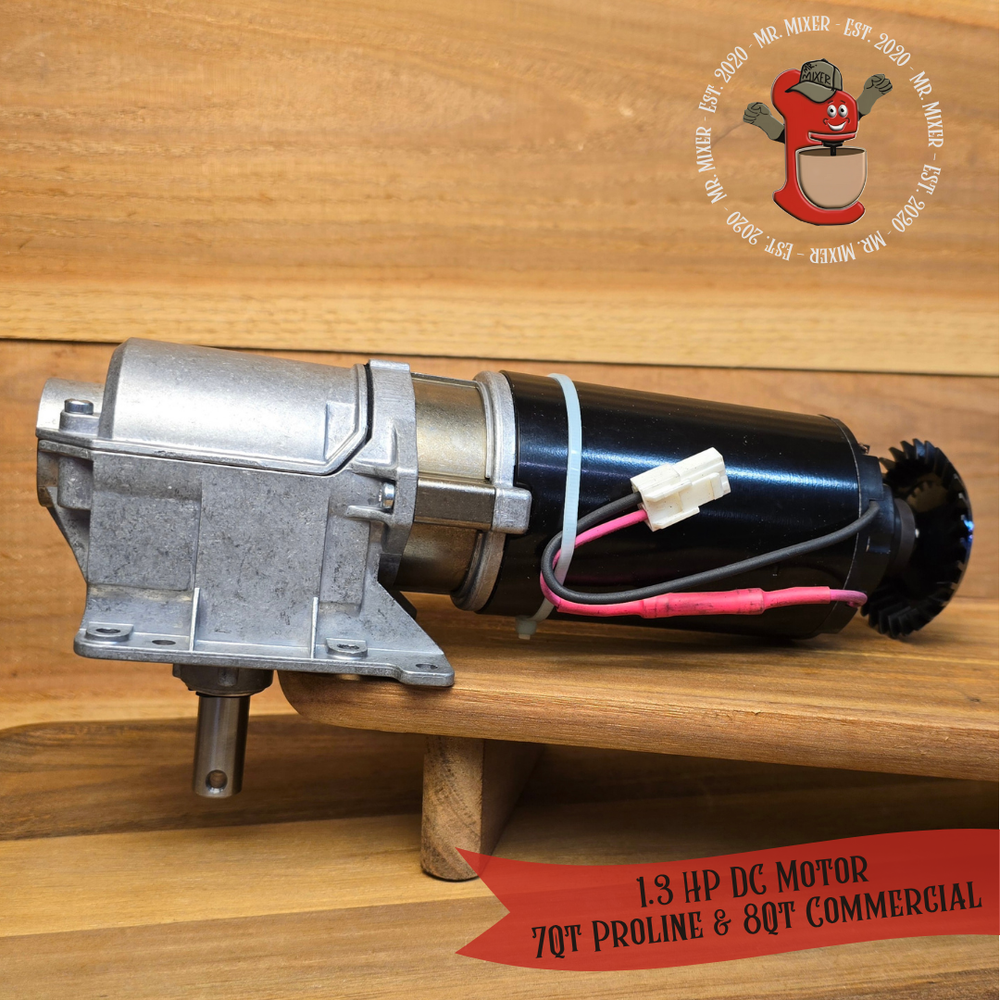
- Inspect for broken or worn gears inside the motor
- Clean and lubricate moving parts carefully
- Replace damaged components if needed
Power And Speed Fluctuations
If your mixer speed changes or the motor loses power, check the power source first. A loose plug or damaged cord can cause problems.
Inside the mixer, worn brushes or a faulty speed control switch may cause fluctuations. Replace parts that show signs of wear to restore proper function.
- Check the power cord and plug for damage
- Test the outlet with another device
- Inspect motor brushes for wear or dirt
- Replace the speed control switch if faulty
When To Seek Professional Help
Maintaining your stand mixer motor is important to keep it working well. Sometimes, problems need expert attention. Knowing when to call a professional can save you time and money.
This guide explains signs of major faults and how your warranty affects repairs. Read carefully to know when to get help.
Identifying Major Faults
Some motor issues are too complex or risky to fix alone. You should seek professional help if you notice these problems:
- The mixer does not start at all.
- Strange burning smells or smoke come from the motor.
- The motor makes loud grinding or screeching noises.
- The mixer stops suddenly during use.
- The motor overheats quickly or shuts down repeatedly.
- Visible damage to the motor or wiring.
These signs suggest serious motor faults. A professional can diagnose and repair safely.
Warranty Considerations
Check your stand mixer’s warranty before attempting repairs. Repairs done by unauthorized people may void the warranty.
Follow these tips to protect your warranty:
- Read the warranty terms carefully.
- Use authorized service centers for repairs.
- Keep your purchase receipt and warranty card.
- Do not open or alter the motor yourself if covered.
- Contact the manufacturer for guidance on repairs.
Using professionals ensures your warranty stays valid and your mixer gets proper care.
Credit: fields.medium.com
Credit: www.searspartsdirect.com
Frequently Asked Questions
How Often Should I Clean My Stand Mixer Motor?
Clean your stand mixer motor after every use to prevent dust buildup. Use a soft, dry cloth to wipe the exterior. Avoid water or harsh chemicals to protect motor components. Regular cleaning extends motor life and ensures optimal performance.
What Lubricants Are Safe For Stand Mixer Motors?
Use food-grade grease or lubricant recommended by the manufacturer. Avoid general-purpose oils as they can damage motor parts. Proper lubrication reduces friction and wear, keeping the motor running smoothly. Check your user manual for specific lubricant types and application intervals.
How Can I Prevent My Stand Mixer Motor From Overheating?
Avoid overloading the mixer with heavy doughs or thick batters. Use the mixer in short intervals and allow it to cool between uses. Ensure proper ventilation around the motor area. Overheating can cause motor damage and reduce its lifespan.
When Should I Service Or Replace My Stand Mixer Motor?
If the motor makes unusual noises, smells burnt, or stops working, service it immediately. Regular servicing every 1-2 years helps detect issues early. Replace the motor only if repairs are not cost-effective or if it fails completely. Proper maintenance prevents frequent breakdowns.
Conclusion
Maintaining your stand mixer motor keeps it working well for years. Clean it often and avoid overloading the mixer. Check the motor for unusual sounds or smells. Regular care prevents costly repairs and saves time. Small steps make a big difference in performance.
Treat your mixer with care, and it will last. Simple habits help you get the most from your kitchen tool. Keep your mixer ready for every recipe and bake with ease.