
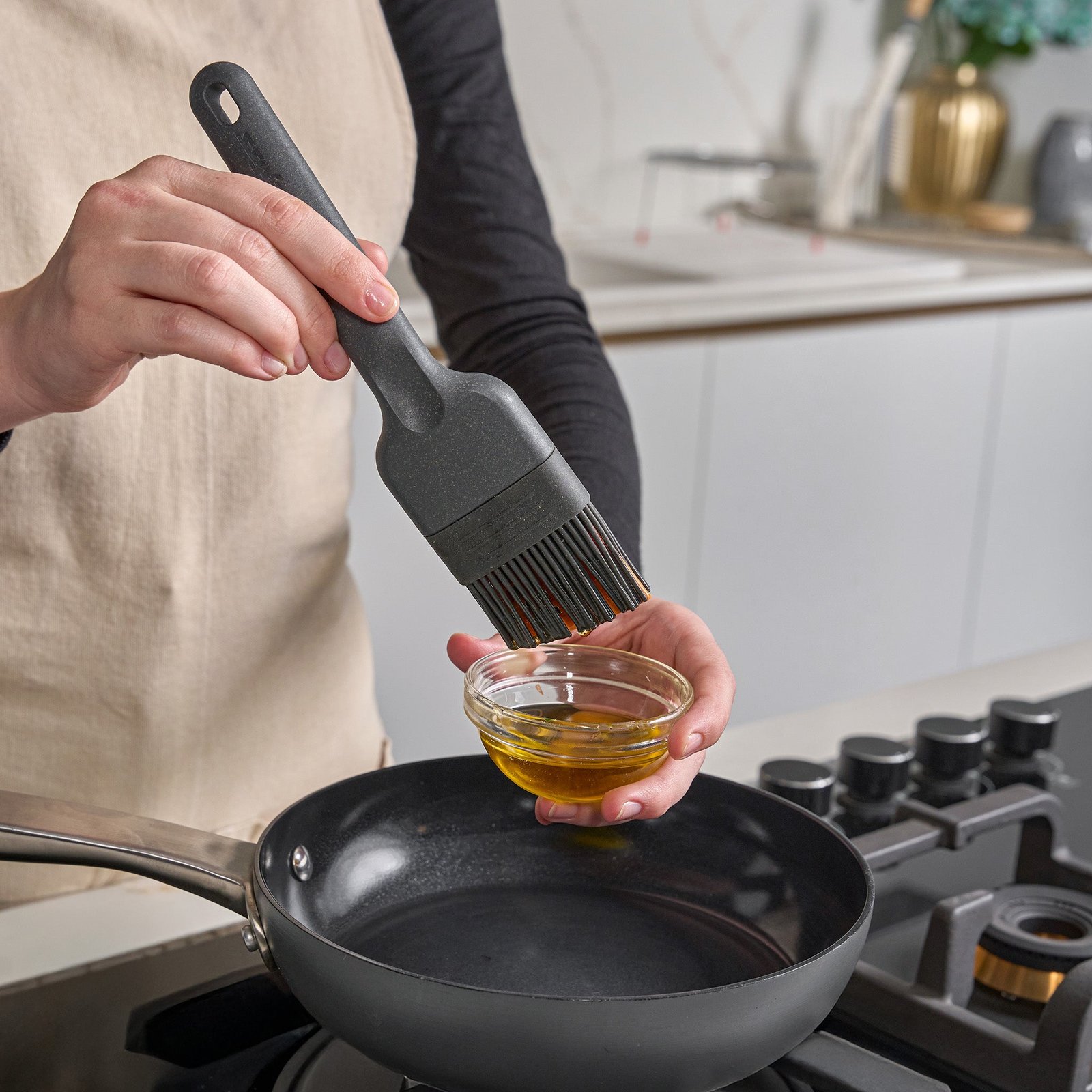
You want your silicone basting brush to last longer and work better every time you use it. But without proper care, it can get sticky, stained, or lose its shape.
Maintaining your brush isn’t hard, and it can save you money while keeping your cooking smooth and clean. You’ll discover simple, effective tips to keep your silicone basting brush in top condition. Ready to make your kitchen routine easier and more hygienic?
Let’s dive in.
Choosing The Right Basting Brush
Picking the right silicone basting brush helps keep your kitchen tools lasting longer. It also makes cooking easier and cleaner.
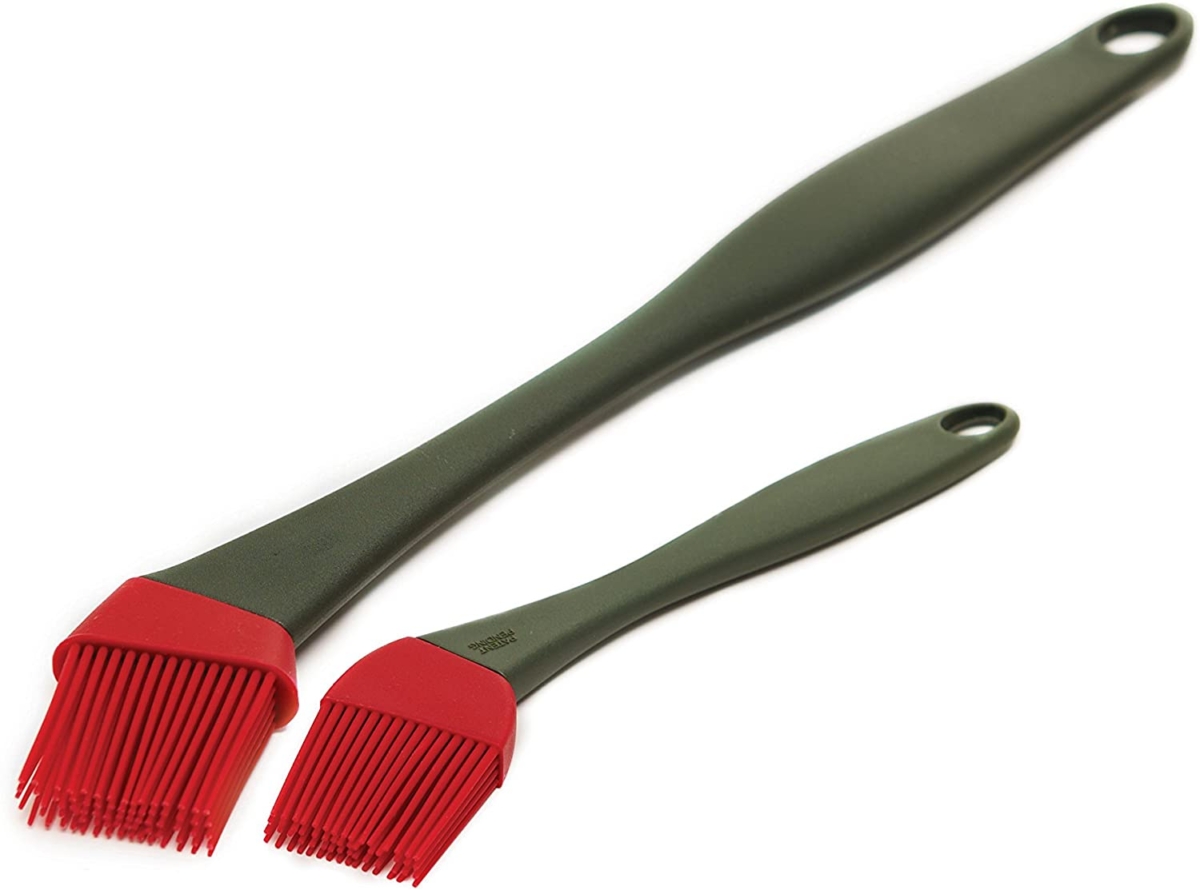
A good basting brush holds sauces well and cleans easily. Focus on the material and handle design before buying one.
Material Considerations
Silicone brushes are heat resistant and safe for non-stick pans. Their bristles do not shed like natural ones.
Look for brushes with soft but firm silicone bristles. They spread sauces evenly and clean quickly.
- Choose food-grade silicone for safety.
- Check if bristles are flexible but sturdy.
- Avoid brushes with cheap, hard silicone.
- Look for dishwasher-safe models for easy cleaning.
Handle Design
The handle should be comfortable to hold. It helps you control the brush when basting hot food.
Long handles keep your hands away from heat. Non-slip grips add safety during use.
- Pick handles made from heat-resistant materials.
- Look for ergonomic shapes for a good grip.
- Avoid slippery or short handles.
- Handles with hanging loops are easy to store.
Cleaning After Use
Keeping your silicone basting brush clean is important for hygiene and durability. Proper cleaning removes food residue and prevents bacteria buildup.
Follow simple steps after each use to maintain your brush in good condition. This guide covers removing sauce, washing, and drying.
Removing Excess Sauce
Start by scraping off extra sauce or marinade from the brush. This helps avoid hard-to-clean buildup later.
- Use the edge of the bowl or pan to remove sauce.
- Wipe the bristles gently with a paper towel.
- Do not press too hard to avoid damaging the silicone tips.
Washing With Soap And Water
Wash the brush thoroughly with warm water and mild soap. This removes oils and food particles.
| Cleaning Tip | Reason |
| Use soft sponge or cloth | Protect silicone bristles |
| Rinse well after washing | Remove all soap residues |
| Use dish soap, not harsh chemicals | Keep brush safe and durable |
Drying Properly
Dry the brush completely before storing. Moisture can cause mold or unpleasant smells.
Follow these tips to dry your silicone basting brush:
- Shake off excess water gently.
- Place brush upright in a dish rack or container.
- Allow air drying in a well-ventilated area.
- Do not store the brush while wet.
Deep Cleaning Techniques
Keeping your silicone basting brush clean is key for safe cooking. Regular washing may not remove all grease and food bits.
Deep cleaning helps remove stubborn residues and keeps the brush fresh. Two easy methods work well for this task.
Boiling Method
Boiling your silicone brush kills bacteria and loosens stuck food. Use this method for a quick and thorough clean.
- Fill a pot with water and bring it to a boil.
- Place the silicone brush in the boiling water carefully.
- Let it boil for 5 to 10 minutes to sterilize.
- Remove the brush with tongs and cool it down.
- Rinse under running water and let it dry completely.
Vinegar Solution
Vinegar breaks down grease and removes odors from your basting brush. It is a natural and safe cleaner.
| Ingredient | Amount | Purpose |
|---|---|---|
| White vinegar | 1 cup | Disinfects and removes grease |
| Warm water | 2 cups | Dilutes vinegar for soaking |
| Dish soap | 1 teaspoon | Helps clean brush bristles |
Mix these ingredients to soak your brush for 30 minutes. Then rinse well and air dry.
Credit: amazingribs.com
Storage Tips
Proper storage helps your silicone basting brush last longer. It keeps the brush clean and ready to use.
Storing the brush the right way prevents damage to the silicone bristles and handle.
Avoiding Direct Sunlight
Keep your silicone brush out of direct sunlight. Sunlight can weaken the silicone over time.
Store the brush in a cool, shaded place to protect its quality and color.
- Silicone breaks down faster under UV rays
- Heat from sunlight may warp the brush
- Avoid windowsills or open shelves in sunlight
Hanging Vs. Laying Flat
Hanging the brush helps it dry fully and keeps bristles in shape. Use a hook or a hanging loop.
Laying the brush flat is fine if it is clean and dry. Avoid stacking heavy items on top to keep bristles safe.
- Hanging stops water from pooling in the handle
- Laying flat saves space but watch for bristle damage
- Choose the way that fits your kitchen setup
Regular Inspection
Regular inspection helps keep your silicone basting brush in good shape. It prevents damage and keeps it safe to use.
Look over your brush often to find any problems early. This stops small issues from becoming bigger.
Checking For Wear And Tear
Check the silicone bristles for cracks or bends. Broken bristles can affect how well the brush works.
Look at the handle and the joint where the bristles attach. Loose or damaged parts may cause the brush to break during use.
- Look for cracks or splits in the bristles
- Check if bristles are bent or missing
- Inspect the handle for cracks or looseness
- Ensure the bristles are firmly attached
Replacing Worn-out Parts
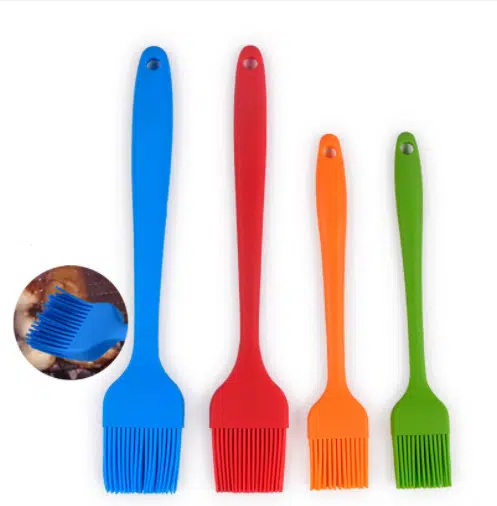
Some silicone basting brushes let you replace the bristle head. Changing worn parts keeps the brush useful longer.
If your brush does not have replaceable parts, consider buying a new one when it is too worn. Using a damaged brush can spoil your food.
- Remove old bristle heads carefully
- Buy replacement heads made for your brush
- Attach new parts securely before use
- Clean new parts before first use
Credit: consumersiliconeproducts.com
Extending Brush Life
Silicone basting brushes are useful kitchen tools. Taking care of them helps them last longer.
Proper cleaning and use keep the brush in good shape. This saves money and reduces waste.
Alternating Brushes
Using more than one brush can extend each brush’s life. Rotate brushes to avoid heavy wear.
Switch brushes between cooking sessions. This lets brushes dry fully and stay clean.
- Use one brush for oily foods
- Keep another brush for sauces or marinades
- Let each brush dry completely before next use
- Clean brushes thoroughly after each use
Using For Appropriate Tasks
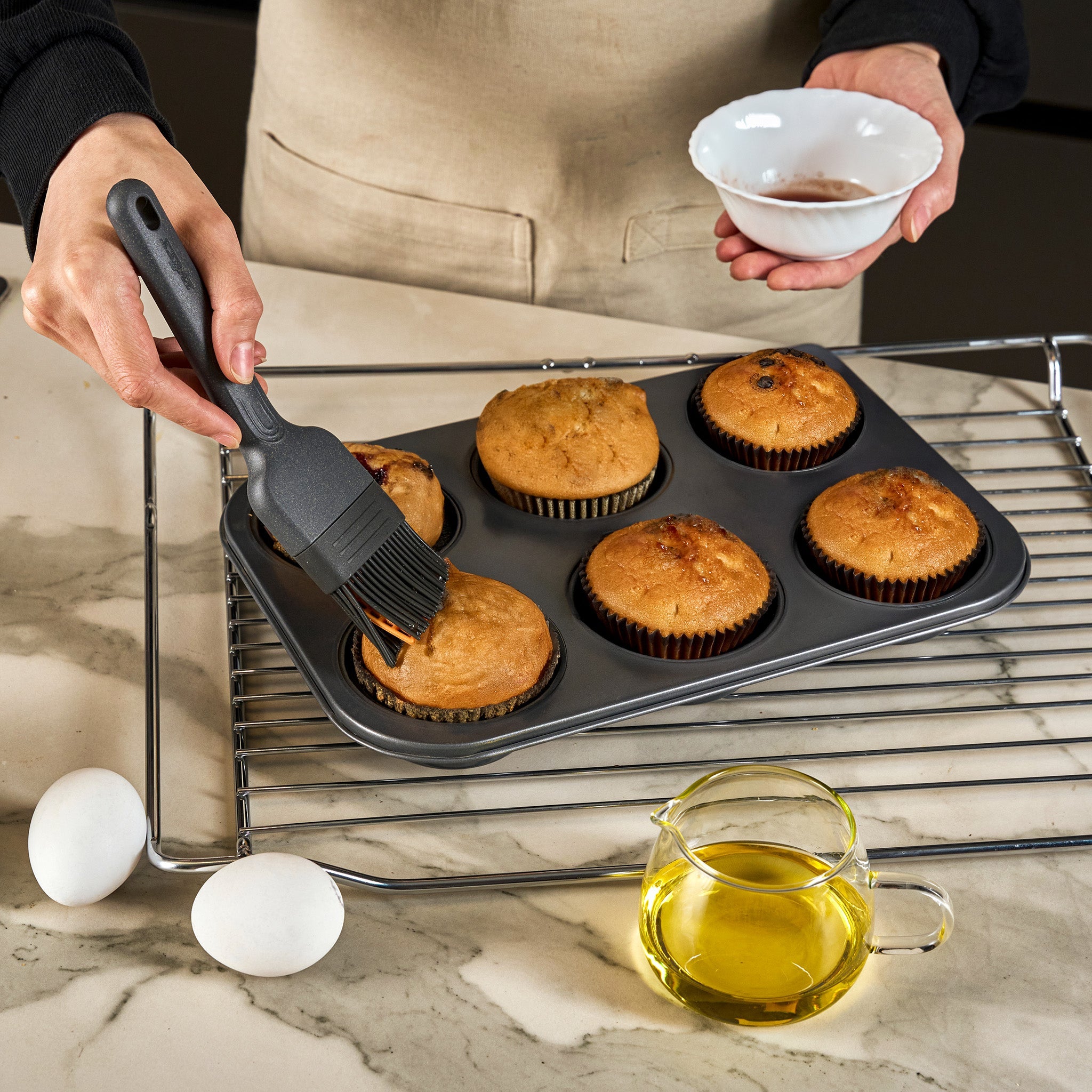
Silicone brushes work best for certain kitchen jobs. Use the brush only for tasks it suits.
Avoid using the brush on very hot surfaces or hard scrubbing. This can damage the silicone.
- Use for basting sauces and oils on food
- Do not use to scrape or clean pans
- Avoid touching open flames or very hot pans directly
- Use gentle pressure when brushing
Credit: zyliss.com
Frequently Asked Questions
How Often Should I Clean My Silicone Basting Brush?
Clean your silicone basting brush after every use. This prevents food buildup and bacteria. Wash with warm, soapy water and rinse thoroughly.
Can Silicone Basting Brushes Go In The Dishwasher?
Yes, most silicone basting brushes are dishwasher safe. Place them on the top rack for gentle cleaning. Always check manufacturer instructions.
How Do I Remove Stubborn Grease From Silicone Brushes?
Soak the brush in warm soapy water for 10 minutes. Use a soft brush to scrub away grease gently. Rinse well afterward.
Is It Safe To Use Silicone Brushes With High Heat?
Yes, silicone brushes are heat resistant up to 500°F (260°C). They won’t melt or deform during grilling or baking.
Conclusion
Keeping your silicone basting brush clean is simple and important. Wash it right after use with warm water and soap. Avoid letting food dry on the bristles to stop buildup. Store the brush in a dry place to keep it fresh.
Regular care helps the brush last longer and work better. A clean brush makes cooking easier and more fun. Follow these easy steps for a good, lasting brush. Your meals will taste better, and cleanup will be quick. Simple care keeps your kitchen tools ready to use.