
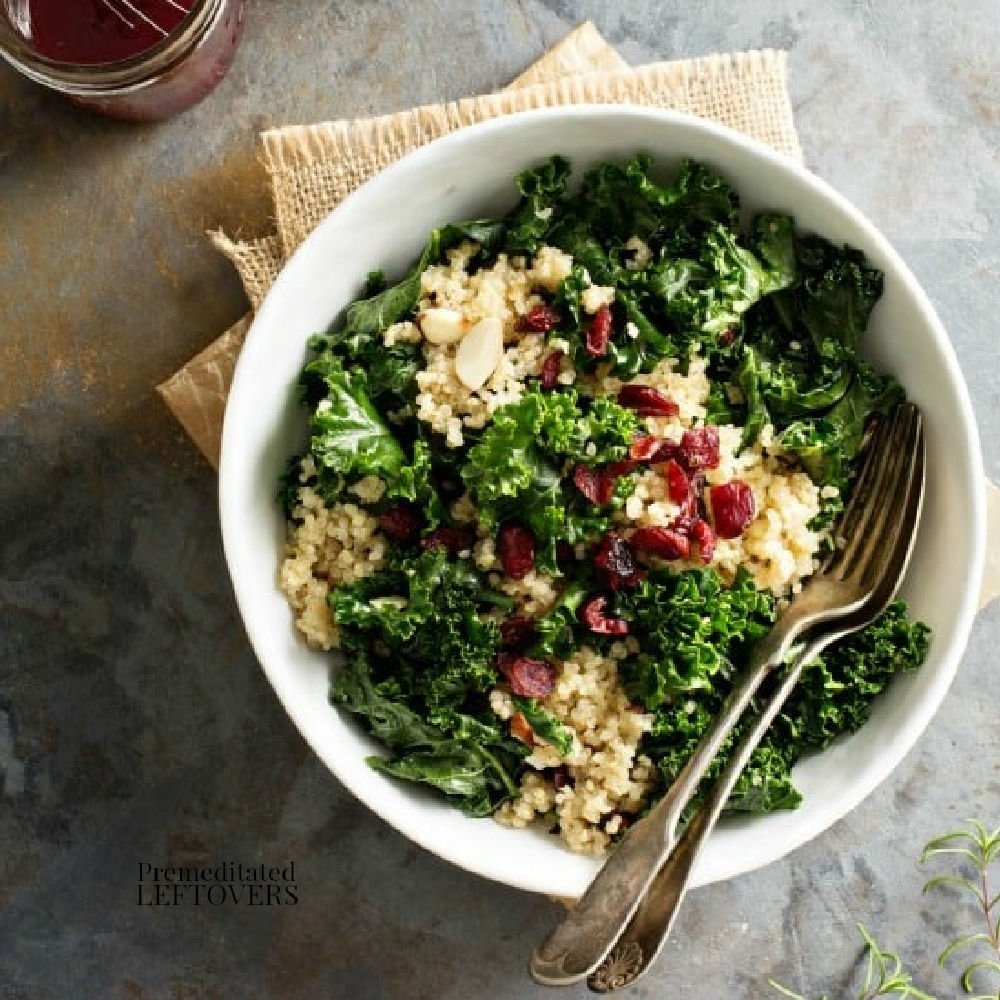
You love your salad bowl—it’s where fresh flavors come together and healthy meals start. But have you ever stopped to think about how to keep it in the best shape?
A well-maintained salad bowl not only looks great but also keeps your food tasting fresh and safe to eat. If you want your salad bowl to last longer and serve you better, you’re in the right place. Keep reading, and you’ll discover simple, effective tips that make caring for your salad bowl easy and hassle-free.
Your next crisp, delicious salad depends on it!
Choosing Fresh Ingredients
Fresh ingredients make your salad bowl tasty and healthy. Choosing the best items keeps your salad crisp and colorful.
Look closely at each ingredient before adding it. Freshness is key to a great salad experience.
Selecting The Right Greens
Pick greens that are bright and firm. Avoid leaves that are wilted or yellow.
Try different types like spinach, kale, or romaine for variety. Wash them well before use.
- Look for crisp, dark green leaves
- Avoid slimy or soft textures
- Choose organic if possible
Picking Fresh Vegetables
Vegetables add crunch and flavor to your salad. Select firm and brightly colored ones.
Check for spots or bruises and skip damaged vegetables. Fresh vegetables last longer and taste better.
- Pick firm tomatoes and cucumbers
- Avoid soft or wrinkled skins
- Choose vegetables that smell fresh
Incorporating Seasonal Fruits
Seasonal fruits add sweetness and nutrition. They are fresher and usually more affordable.
Use fruits like berries, apples, or citrus based on the season. Wash fruits before adding to your salad.
- Choose fruits with firm texture
- Avoid bruised or overly soft fruits
- Pick fruits in season for best taste
Credit: chefsbazaar.com.au
Proper Storage Techniques
Keeping a salad bowl fresh needs the right storage. Proper storage stops leaves from wilting fast.
Using good storage methods helps keep salads tasty and crisp for longer times.
Refrigeration Tips
Store your salad bowl in the fridge at a cool temperature. This slows down spoilage.
Keep it away from strong-smelling foods to avoid unwanted flavors in your salad.
- Place salad bowl in the vegetable drawer if possible
- Keep fridge temperature between 35-40°F (2-4°C)
- Do not leave salad out at room temperature for long
Avoiding Moisture Build-up
Moisture can make salad leaves soggy and spoil faster. Avoid water pooling inside the bowl.
Use paper towels to absorb extra moisture. Change them if they get too wet.
- Place a dry paper towel at the bottom or top of the salad bowl
- Do not wash salad leaves until just before eating
- Drain washed leaves well to reduce water
Using Airtight Containers
Airtight containers keep air out and preserve salad freshness. They limit oxidation and wilting.
Choose containers that seal tightly and fit your salad bowl size well.
- Use plastic or glass containers with secure lids
- Fill containers but leave some space for air
- Check seals regularly for damage or wear
Washing And Drying Methods
Keeping your salad bowl clean is important for fresh and safe salads. Proper washing and drying remove dirt and germs. This guide shows simple ways to wash and dry salad greens.
Good washing and drying help keep the salad crisp. Follow these steps to make your salad bowl last longer and taste better.
Effective Washing Practices
Rinse salad leaves under cold running water to remove soil and bugs. Avoid using soap or detergents. Use clean hands to gently rub the leaves. If dirt is heavy, soak leaves in a bowl of cold water for a few minutes.
- Use fresh, cold water for rinsing.
- Remove damaged or wilted leaves before washing.
- Change soaking water if it gets too dirty.
- Drain leaves well after washing.
Proper Drying Techniques
Drying salad greens well is key to keeping them crisp. Wet leaves spoil faster and get soggy. Use clean towels or paper towels to pat leaves dry. Avoid rubbing too hard to stop bruising the leaves.
| Drying Method | Advantages | Tips |
| Paper Towel | Absorbs moisture well | Use fresh sheets for best results |
| Clean Kitchen Towel | Reusable and gentle | Wash regularly to avoid bacteria |
| Air Drying | Easy and hands-free | Place leaves on clean rack or towel |
Using Salad Spinners
Salad spinners help dry leaves quickly and gently. Spin the leaves to remove water without damage. Use the spinner after washing to get rid of excess moisture.
- Place washed leaves inside the basket.
- Close the lid firmly before spinning.
- Spin until leaves feel mostly dry.
- Empty water from the outer bowl after spinning.
- Repeat if leaves still feel wet.

Credit: spinachtiger.com
Ingredient Preparation Tips
Preparing salad ingredients well helps keep your salad fresh and tasty. Good prep makes the salad easier to eat and enjoy.
Simple steps in chopping, slicing, and handling ingredients keep them healthy and colorful. This guide shares easy tips for your salad bowl.
Chopping And Slicing Guidelines
Cut ingredients into bite-sized pieces. This helps you eat the salad easily with a fork.
Use a sharp knife to make clean cuts. This stops crushing the vegetables and keeps them fresh longer.
- Cut leafy greens into large pieces to avoid bruising.
- Slice cucumbers and carrots thinly for better texture.
- Chop tomatoes gently to avoid juice loss.
Maintaining Nutrient Integrity
Wash ingredients well but dry them before cutting. Water can cause sogginess and reduce crunchiness.
Cut vegetables just before serving. This keeps vitamins and minerals intact for better health benefits.
- Store cut ingredients in airtight containers.
- Keep salad ingredients cool until use.
- Avoid soaking vegetables in water too long.
Preventing Browning
Some fruits and vegetables turn brown after cutting. This looks less fresh and can change the taste.
Use lemon juice or vinegar on cut surfaces to stop browning. This keeps your salad looking bright and fresh.
- Apply a light coating of lemon juice on apples or avocados.
- Keep cut ingredients in cool places.
- Use plastic wrap to cover salad bowls tightly.
Dressing And Seasoning Advice
Adding the right dressing and seasoning makes your salad bowl tasty. It brings all the ingredients together in a fresh way.
Knowing how to pick and use dressings helps keep your salad crisp and flavorful.
Choosing The Right Dressings
Pick dressings that match your salad’s ingredients. Light dressings suit leafy greens. Creamy dressings work well with hearty vegetables.
- Use vinaigrettes for a fresh, tangy taste
- Try yogurt-based dressings for creaminess without heaviness
- Consider citrus juices to add brightness
- Match dressing intensity to salad ingredients
Proper Dressing Application
Dress your salad just before serving. This keeps leaves from getting soggy. Pour dressing slowly and toss gently.
- Start with a small amount of dressing
- Toss salad lightly to coat all ingredients
- Add more dressing if needed, but avoid overdoing it
Balancing Flavors
Good seasoning balances sour, sweet, salty, and bitter tastes. Use salt and pepper carefully to enhance flavors without overpowering.
| Flavor | Examples | Tips |
| Sour | Lemon juice, vinegar | Add to brighten the salad |
| Sweet | Honey, maple syrup | Use a little to soften acidity |
| Salty | Salt, soy sauce | Season lightly to enhance taste |
| Bitter | Arugula, radicchio | Balance with sweet or sour elements |
Serving And Presentation
Serving a salad bowl well makes your meal more enjoyable. Presentation adds to the taste experience.
Good serving and presentation keep salads fresh and inviting. They help highlight the flavors and textures.
Arranging For Visual Appeal
Place ingredients in layers or sections for a clean look. Use contrasting colors to catch the eye.
Keep leafy greens at the bottom. Add bright veggies and fruits on top to create a colorful mix.
- Use a clear bowl to show layers
- Slice vegetables evenly for uniformity
- Mix textures like crunchy and soft
- Arrange ingredients in a circular or zigzag pattern
Portion Control Tips
Serve salad in moderate portions to avoid waste. Small bowls help keep portions balanced.
Use measuring cups or spoons for consistency. This helps if you serve many guests or track calories.
- Start with 1 to 2 cups per person
- Add protein or toppings separately
- Offer dressings on the side
- Refill bowls rather than overfilling
Garnishing Ideas
Add garnishes that bring color and texture. Fresh herbs and seeds make salads look more appealing.
Use edible flowers or citrus slices for a fresh look. Garnish just before serving to keep freshness.
- Chopped parsley, cilantro, or basil
- Toasted nuts or seeds like almonds or sunflower seeds
- Thin lemon or lime wedges
- Grated cheese or crumbled feta
Extending Shelf Life
Keeping your salad bowl fresh longer saves food and money. Proper care helps maintain crispness and flavor.
Use simple methods to extend the shelf life of your salad ingredients. This guide covers freezing, preservatives, and reviving greens.
Freezing Techniques
Freezing salad ingredients can keep them fresh for weeks. Wash and dry leaves well before freezing. Use airtight bags or containers to prevent freezer burn.
- Remove excess water to avoid ice crystals
- Separate leaves in small portions for easy use
- Label bags with date to track freshness
- Freeze quickly to preserve nutrients
Using Preservatives
Natural preservatives can slow down spoilage. Lemon juice and vinegar are common choices. They keep greens fresh and add flavor.
| Preservative | Effect | How to Use |
| Lemon Juice | Prevents browning | Sprinkle on salad leaves before storing |
| Vinegar | Kills bacteria | Mix with water and rinse greens |
| Salt Water | Reduces spoilage | Soak leaves for a few minutes, then dry |
Reviving Wilted Greens
Wilted greens can regain crunch with simple steps. Cold water and ice help bring them back to life.
- Fill a bowl with cold water
- Submerge wilted leaves fully
- Let them soak for 10-15 minutes
- Drain and dry thoroughly before serving

Credit: www.tasteofhome.com
Frequently Asked Questions
How Often Should I Clean My Salad Bowl?
Clean your salad bowl after every use to prevent bacteria buildup. Use warm, soapy water and rinse thoroughly. Dry it completely before storing to avoid moisture damage and odors.
What Materials Are Best For A Salad Bowl?
Wood, glass, and stainless steel are ideal materials. They are durable, easy to clean, and don’t retain odors or stains. Avoid plastic bowls to keep salads fresh and safe.
How Can I Prevent My Salad Bowl From Staining?
Rinse your salad bowl immediately after use to prevent stains. Avoid prolonged contact with acidic ingredients like tomatoes or vinegar. Use gentle cleaning agents to maintain the bowl’s surface.
Is It Necessary To Dry The Salad Bowl Completely?
Yes, drying your salad bowl completely prevents mold and bacteria growth. Use a clean towel or air dry in a well-ventilated space. Proper drying extends the bowl’s lifespan.
Conclusion
Keeping your salad bowl clean and dry helps it last longer. Wash it gently with mild soap and warm water after use. Dry it well before storing to avoid mold or stains. Avoid using harsh scrubs that can scratch the surface.
Store the bowl in a cool, dry place. Regular care keeps your salad bowl looking fresh and new. Simple steps make a big difference. Enjoy fresh salads every time with a well-maintained bowl.