
Your rolling pin is more than just a kitchen tool—it’s the secret behind perfectly rolled dough every time. But if you don’t take good care of it, your baking results can suffer.
You might notice sticking dough, cracks, or even warping. The good news? Maintaining your rolling pin is easier than you think. You’ll discover simple, effective tips that will keep your rolling pin smooth, clean, and ready for every baking adventure.
Keep reading, and you’ll never struggle with your rolling pin again.
Choosing The Right Material
Picking the right rolling pin material helps you roll dough easily. It also makes cleaning and storing simple.
Some materials work better for certain dough types. Knowing the differences saves time and effort in the kitchen.
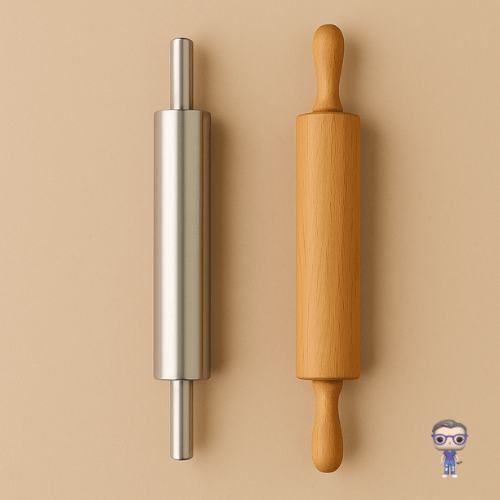
Wooden Vs. Metal Rolling Pins
Wooden rolling pins feel warm and have a natural grip. They are good for soft doughs like pastry and pie crusts.
Metal rolling pins stay cooler and are smooth. They work well for sticky dough and can be chilled before use.
- Wooden pins absorb less moisture if cared for well
- Metal pins are easy to clean and do not absorb odors
- Wood is lighter but can wear over time
- Metal is heavier, helping to flatten dough faster
Benefits Of Marble And Silicone
Marble rolling pins keep dough cool. They are heavy and smooth, which helps with even rolling.
Silicone rolling pins are non-stick and easy to clean. They are flexible and good for sticky dough.
- Marble is cold, which prevents dough from sticking
- Silicone is light and safe for non-stick surfaces
- Marble can be heavy, making rolling easier
- Silicone is dishwasher safe and low maintenance
Credit: www.surlatable.com
Cleaning Techniques
Keeping your rolling pin clean is important for hygiene and durability. Proper cleaning stops food from sticking and prevents bacteria.
Different cleaning methods work for daily use and deeper care. Follow simple steps to keep your rolling pin in great shape.
Daily Cleaning Routine
After each use, wipe your rolling pin to remove flour and dough. Use a dry or slightly damp cloth for cleaning.
Do not soak the rolling pin in water. Water can cause wood to crack or warp.
- Remove excess flour or dough with a dry cloth
- Wipe with a damp cloth if needed
- Dry the rolling pin immediately
- Store in a dry place
Deep Cleaning Methods
For deep cleaning, use mild soap and warm water. Avoid harsh chemicals that can damage the wood.
Scrub gently with a soft brush to remove stuck dough. Rinse quickly and dry the rolling pin fully.
- Use mild dish soap and warm water
- Scrub with a soft brush or sponge
- Rinse quickly to avoid water absorption
- Dry with a towel immediately
- Allow to air dry completely before storing
Proper Storage
Proper storage helps keep your rolling pin in good shape. It stops damage and keeps it clean.
Storing your rolling pin the right way makes it last longer and work better.
Avoiding Moisture
Moisture can cause wood rolling pins to crack or warp. It also invites mold and bacteria.
Keep your rolling pin dry by storing it in a cool, dry place. Avoid damp areas like under the sink.
- Wipe your rolling pin dry after washing
- Store it somewhere with low humidity
- Use a cloth or paper towel to wrap it
- Do not leave it soaking in water
Protecting From Sunlight
Sunlight can dry out and fade your rolling pin. It may also cause cracks in the wood.
Store your rolling pin away from windows or direct light. This helps keep its color and shape.
- Choose a dark cupboard or drawer
- Avoid placing it on open shelves near windows
- Keep it covered if it must be near light
Preventing Damage
Keeping your rolling pin in good shape helps it last longer. Preventing damage is key for smooth baking.
Simple care steps stop cracks and stains. Protect your rolling pin from harm every time you use it.
Handling With Care
Always handle your rolling pin gently. Avoid dropping it or hitting hard surfaces.
Store it in a safe place where it won’t fall or get scratched.
- Hold it firmly but softly when rolling dough
- Do not use it to crush hard items
- Keep it in a drawer or on a shelf safely
Avoiding Harsh Chemicals
Do not clean your rolling pin with strong chemicals. These can damage the wood or finish.
Use mild soap and warm water instead. Wipe it dry right after washing to avoid water damage.
- Skip bleach or heavy-duty cleaners
- Use soft cloths or sponges for cleaning
- Apply mineral oil occasionally to keep the wood smooth
Regular Maintenance
Keeping your rolling pin in good shape helps it last longer. Regular care stops damage and makes it safe to use.
Simple steps like cleaning and checking your rolling pin can keep it ready for baking anytime.
Oiling Wooden Rolling Pins
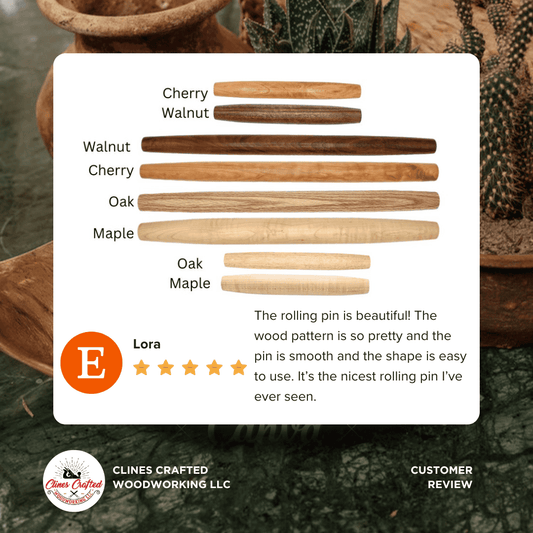
Wooden rolling pins can dry out and crack over time. Oiling them keeps the wood smooth and strong.
Use food-safe mineral oil to protect the wood. Apply a small amount with a soft cloth and rub it in well.
- Apply oil once a month or after each deep clean
- Let the oil soak in for a few hours
- Wipe off any extra oil to avoid sticky surfaces
- Do not use vegetable oils as they can go bad
Inspecting For Wear And Tear
Check your rolling pin often for cracks, splinters, or loose handles. These issues can affect its use.
Small problems can get worse if ignored. Fix or replace parts if needed to keep it safe and easy to use.
- Look for cracks in the wood surface
- Check if handles are tight and secure
- Feel for rough spots or splinters
- Replace the rolling pin if damage is severe
Credit: www.clinescraftedwoodworking.com
Handling Special Materials
Rolling pins come in many materials like wood, marble, and silicone. Each material needs special care to stay in good shape. Proper handling keeps them safe and useful for years.
Knowing how to care for different types helps you avoid damage. It also keeps your rolling pins clean and ready to use.
Caring For Antique Rolling Pins
Antique rolling pins are often made of wood or porcelain. They need gentle cleaning to protect their surface and value. Avoid soaking them in water or using harsh chemicals.
Use a soft cloth to wipe dirt and flour. If needed, clean with a damp cloth and dry immediately. Store in a dry place to stop wood from cracking.
- Do not wash in a dishwasher
- Use mineral oil to keep wooden pins smooth
- Keep away from direct sunlight
- Handle with care to avoid chips or cracks
Maintaining Non-stick Surfaces
Non-stick rolling pins usually have a silicone or coated surface. Clean them with warm, soapy water after use. Avoid abrasive scrubbers that can damage the coating.
Dry the pin well to stop water spots or damage. Store it in a place where sharp tools cannot scratch the surface. This keeps the non-stick quality effective.
- Wash by hand with mild soap
- Do not use steel wool or rough brushes
- Dry completely before storing
- Keep away from sharp objects
Troubleshooting Common Issues
Rolling pins are useful tools in the kitchen. Sometimes, they face common problems that affect your baking.
Knowing how to fix these issues helps keep your rolling pin in good shape for a long time.
Dealing With Sticky Dough
Sticky dough can make rolling difficult. It often sticks to the rolling pin and tears the dough.
To stop dough from sticking, sprinkle flour on the surface and on the rolling pin. You can also chill the dough before rolling.
- Lightly dust the rolling pin with flour before use
- Use parchment paper to roll dough between sheets
- Keep dough cold to reduce stickiness
- Clean the rolling pin immediately after use
Addressing Surface Scratches
Scratches can appear on wooden rolling pins after frequent use. These may trap dough and affect smooth rolling.
You can smooth scratches by sanding the rolling pin lightly with fine sandpaper. After sanding, apply a small amount of food-safe oil.
- Use fine-grit sandpaper to gently smooth scratches
- Wipe off dust with a clean cloth
- Apply food-safe mineral oil to protect the wood
- Let the oil soak before wiping off excess
Credit: www.surlatable.com
Enhancing Longevity
Keeping your rolling pin in good shape helps it last longer. Simple care steps protect it from damage and wear.
A well-maintained rolling pin stays smooth and easy to use for years. Let’s look at how to care for it through the seasons and expert tips.
Seasonal Maintenance Tips
Different seasons affect your rolling pin in various ways. Adjust your care routine to keep it safe all year.
- Spring:Clean with warm water and dry well to remove winter buildup.
- Summer:Avoid leaving it in hot places to prevent warping.
- Fall:Apply a light coat of food-safe oil to prevent drying out.
- Winter:Store it in a dry, cool place away from moisture.
Expert Advice For Long-lasting Use
Experts suggest using gentle cleaning methods to avoid damage. Harsh soaps or soaking can harm the wood or material.
Regularly check your rolling pin for cracks or rough spots. Sand lightly if needed and reapply oil to keep it smooth.
- Use mild soap and warm water for cleaning.
- Never soak your rolling pin in water.
- Dry immediately with a towel after washing.
- Apply food-safe oil every few months to protect the surface.
- Store in a dry place away from direct sunlight.
Frequently Asked Questions
How Often Should I Clean My Rolling Pin?
Clean your rolling pin after each use to avoid dough buildup. Use a damp cloth and mild soap. Avoid soaking it in water to prevent warping or cracking.
What Is The Best Way To Oil A Wooden Rolling Pin?
Apply food-safe mineral oil with a soft cloth once a month. This prevents drying and cracking. Let it soak for a few hours, then wipe off excess oil.
Can I Put My Rolling Pin In The Dishwasher?
No, avoid dishwashers as high heat and water damage wood and warp other materials. Hand wash only to prolong its life and maintain quality.
How Do I Remove Stuck Dough From A Rolling Pin?
Use a dry brush or cloth to gently remove dried dough. Avoid using water if possible, as it can cause wood to swell or crack.
Conclusion
Taking care of your rolling pin keeps it useful for years. Clean it gently with warm water and dry it well. Avoid soaking or putting it in a dishwasher. Store it in a dry place to stop cracks and warping.
Regular oiling helps keep the wood smooth and strong. Small efforts make a big difference. A well-maintained rolling pin makes baking easier and more fun. Keep these tips in mind for your kitchen tool’s long life.