
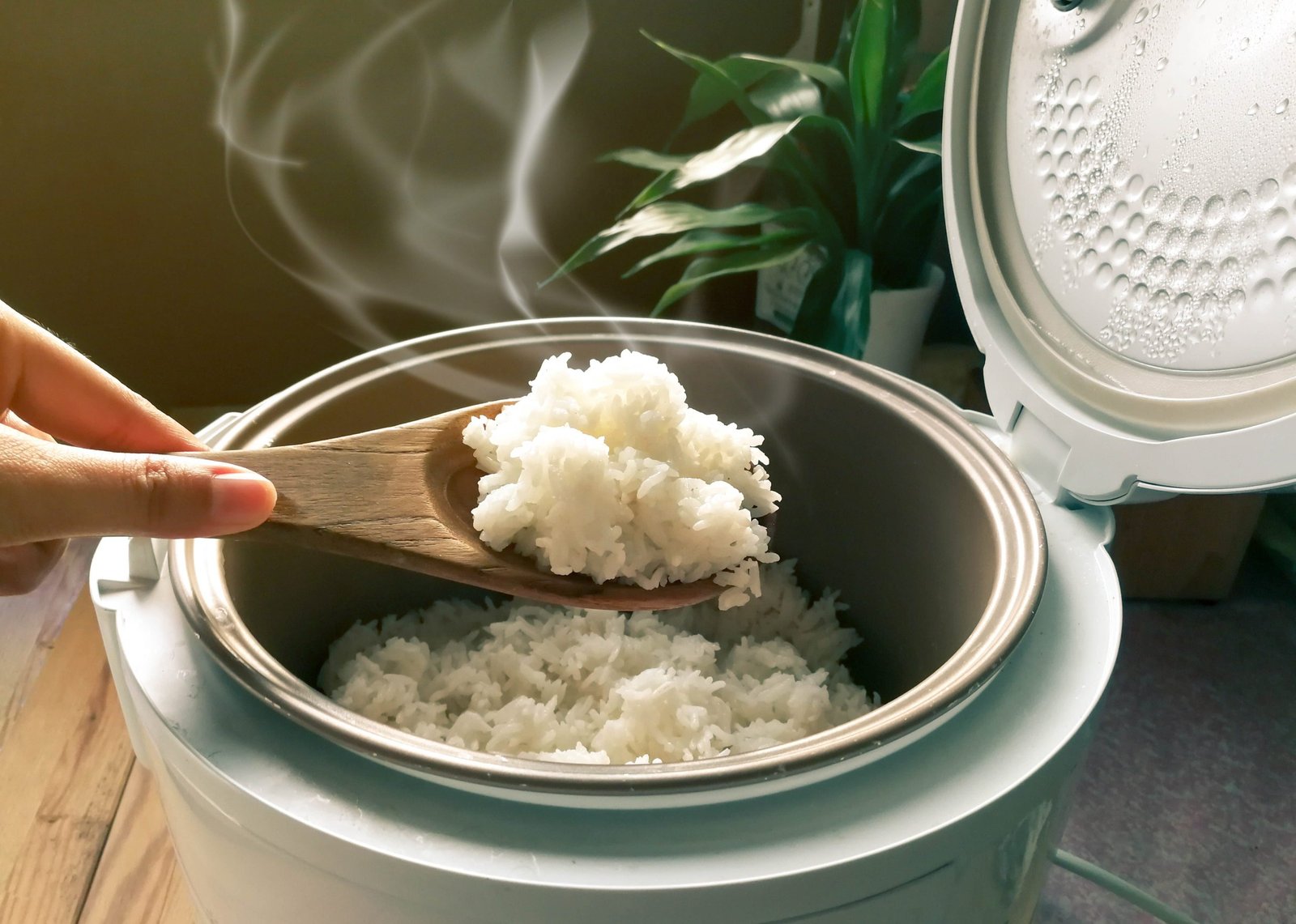
Your rice cooker is more than just a kitchen gadget—it’s your shortcut to perfectly cooked meals every time. But are you giving it the care it needs to last?
If you want your rice cooker to stay in great shape and keep working like new, knowing how to maintain it properly is key. You’ll discover simple, effective tips that will save you time, money, and frustration. Keep reading to make sure your rice cooker serves you well for years to come.

Credit: shop.ttkprestige.com
Choosing The Right Rice Cooker
Picking the right rice cooker helps you cook perfect rice every time. It also makes cleaning and maintenance easy.
Consider your needs before buying. Size, material, and features are key factors.
Consider Size And Capacity
Choose a rice cooker size that fits your household. Small models suit one or two people. Larger cookers work for families.
- 1 to 3 cups for singles or couples
- 4 to 6 cups for small families
- 7 cups or more for large families or gatherings
Material And Build Quality
Good materials last longer and keep your rice cooker safe. Look for stainless steel or high-quality plastic.
| Material | Pros | Cons |
| Stainless Steel | Durable, easy to clean | Usually heavier |
| Plastic | Lightweight, affordable | Less durable, may stain |
| Non-stick Inner Pot | Prevents rice from sticking | Coating may wear out |
Features And Functions
Choose features that fit your cooking style. Basic models cook rice well. Advanced models offer extra functions.
- Keep warm function to hold rice temperature
- Timer to start cooking later
- Settings for different rice types
- Easy-to-clean removable parts
Regular Cleaning Routine
Keeping your rice cooker clean is important for its performance and safety. A regular cleaning routine helps avoid bad smells and leftover food buildup.
This guide shows simple steps for daily cleaning, deep cleaning, and keeping the outside of your rice cooker spotless.
Daily Cleaning Steps
After every use, clean your rice cooker to remove any food residue and prevent stains. This keeps the cooker ready for the next meal.
- Unplug the rice cooker and let it cool down.
- Remove the inner pot and wash it with warm, soapy water.
- Wipe the heating plate inside the cooker with a soft, damp cloth.
- Dry all parts thoroughly before reassembling.
Deep Cleaning Methods
Perform deep cleaning once a month or if you notice stubborn stains or smells. This helps keep your rice cooker in top shape.
| Cleaning Step | Details |
|---|---|
| Soak the inner pot | Fill with warm water and mild detergent for 30 minutes, then scrub gently. |
| Clean the steam vent | Remove the vent cap and rinse it under running water to clear any blockage. |
| Descale the cooker | Use a solution of equal parts water and vinegar to remove mineral buildup. |
| Check the lid gasket | Clean the rubber gasket carefully and replace if damaged. |
Cleaning The Exterior
The outside of your rice cooker can collect dust and food splashes. Clean it regularly to keep it looking new and working well.
- Unplug the cooker before cleaning the exterior.
- Use a soft cloth dampened with mild soap and water.
- Avoid harsh chemicals that can damage the surface.
- Dry the exterior completely with a clean towel.
Proper Usage Practices
Using your rice cooker correctly helps it last longer. It also keeps your food tasting good. Follow these simple tips to care for your rice cooker every day.
Each practice focuses on safe and efficient use. Avoid damage and keep your rice cooker working well with little effort.
Avoid Overfilling
Do not fill the rice cooker beyond its maximum level. Overfilling can cause water to spill and damage the cooker.
- Check the inner pot’s max fill line before cooking.
- Use the measuring cup that comes with the cooker.
- Cook smaller batches if you need more rice.
- Leave space for rice to expand during cooking.
Use Recommended Settings
Follow the rice cooker’s instructions for settings. Different types of rice need different cooking modes.
| Rice Type | Recommended Setting |
| White Rice | Normal or Quick Cook |
| Brown Rice | Brown Rice or Slow Cook |
| Mixed Rice | Mixed or Multi-Grain |
| Sushi Rice | Sushi or Sticky Rice |
Handling With Care
Be gentle with your rice cooker parts. Rough handling may break the inner pot or damage the heating plate.
Tips for careful handling:
- Always use the handle when moving the cooker.
- Clean the inner pot with a soft sponge only.
- Do not drop or hit the cooker against hard surfaces.
- Unplug and cool down before cleaning.

Credit: www.amazon.com
Storing The Rice Cooker
Proper storage helps keep your rice cooker in good shape. It prevents damage and keeps it ready to use.
Storing your rice cooker correctly extends its life and makes cleaning easier.
Choosing The Right Location
Pick a dry and cool place to store your rice cooker. Avoid areas near heat or moisture.
Keep it away from direct sunlight and places where it can fall or get knocked over.
Keeping Components Organized
Store all parts like the inner pot, lid, and measuring cup together. This stops them from getting lost.
Use a small box or container to hold these pieces. It keeps your kitchen tidy and parts easy to find.
- Place the inner pot inside the cooker or nearby
- Keep the lid on or next to the cooker
- Store small accessories in a labeled container
Preventing Dust Accumulation
Cover your rice cooker with a cloth or plastic cover to stop dust from settling on it.
Clean the rice cooker before storing it. Dust and food particles can cause smells or damage.
- Wipe the outer surface with a dry cloth
- Make sure the inner pot is dry and clean
- Use a dust cover or store inside a cabinet
Troubleshooting Common Issues
Rice cookers are easy to use, but sometimes problems happen. Knowing how to fix common issues saves time.
This guide covers power problems, uneven cooking, and lid or seal issues. Follow the steps to keep your rice cooker working well.
Addressing Power Problems
If your rice cooker does not turn on, first check the power source. Make sure the plug is fully inserted into the outlet.
Also, check if the power cord is damaged or loose. Try plugging another device into the same outlet to see if it works.
- Ensure the outlet has power by testing with another device.
- Inspect the power cord for any cuts or damage.
- Confirm the plug fits tightly in the socket.
- Try a different power outlet if possible.
- Reset the rice cooker if it has a reset button.
Dealing With Uneven Cooking
Rice may cook unevenly due to incorrect water amounts or a dirty heating plate. Always measure water carefully.
Clean the heating plate regularly to remove any food or residue. This helps heat spread evenly.
| Cause | Solution |
| Too little or too much water | Use the right water-to-rice ratio |
| Dirty heating plate | Wipe clean with a damp cloth after cooling |
| Rice stuck to the pot | Use non-stick spray or rinse rice before cooking |
| Heating element malfunction | Contact a technician for repair |
Fixing Lid Or Seal Issues
A loose or damaged lid can cause steam to escape and affect cooking. Check the lid seal for cracks or tears.
Clean the seal and lid regularly to prevent buildup. A clean seal helps the lid close tightly.
- Inspect the rubber seal for damage.
- Remove and wash the seal with warm soapy water.
- Dry the seal completely before reattaching.
- Replace the seal if it is cracked or worn out.
- Make sure the lid clicks into place firmly.
Regular Maintenance Checks
Keeping your rice cooker in good condition helps it work well for years. Regular checks can prevent problems before they start.
This guide covers key maintenance steps for your rice cooker. Follow these tips to keep it safe and efficient.
Inspecting Electrical Components
Check the power cord and plug for any damage or cracks. Make sure the cord is not frayed or loose.
Look inside the cooker where the heating plate and sensor connect. Clean off dust or food bits with a dry cloth.
Checking For Wear And Tear
Parts like the inner pot and sealing ring can wear out over time. Look for scratches, dents, or cracks.
- Check the inner pot for scratches or peeling coating.
- Examine the lid seal for cracks or stiffness.
- Test the buttons and display for proper function.
- Listen for unusual sounds during cooking.
Replacing Parts When Necessary
Replace parts that show damage or no longer work well. Using worn parts can cause poor cooking or safety risks.
| Part | Signs to Replace | How Often to Check |
| Inner Pot | Scratches, peeling | Every 6 months |
| Sealing Ring | Cracks, stiffness | Every 3 months |
| Power Cord | Frays, cracks | Monthly |
| Buttons/Display | Not responsive | Every 3 months |

Credit: www.amazon.com
Frequently Asked Questions
How Often Should I Clean My Rice Cooker?
Clean your rice cooker after every use. Remove the inner pot and wash it with warm, soapy water. Wipe the exterior and heating plate gently to avoid damage. Regular cleaning prevents residue buildup and ensures better cooking performance.
What Is The Best Way To Descale A Rice Cooker?
To descale, mix equal parts water and white vinegar. Pour into the cooker, run a short cooking cycle, then let it sit for 15 minutes. Rinse thoroughly to remove vinegar smell. This helps eliminate mineral deposits and maintain efficiency.
Can I Use Abrasive Cleaners On My Rice Cooker?
Avoid abrasive cleaners or scrubbers. They can damage the non-stick coating and outer surface. Use mild dish soap and a soft sponge instead. This keeps your rice cooker safe and extends its lifespan.
How Do I Store A Rice Cooker Properly?
Ensure your rice cooker is completely dry before storing. Keep the lid slightly open to prevent odors. Store in a cool, dry place away from direct sunlight and moisture to maintain its condition.
Conclusion
Keeping your rice cooker clean helps it work well for a long time. Wipe it after every use and check parts regularly. Avoid using sharp tools that can damage the surface. Store it in a dry place to stop rust and smells.
Small steps like these save money and effort later. Enjoy perfect rice every time with simple care habits. A little attention goes a long way. Ready to cook your next meal?