
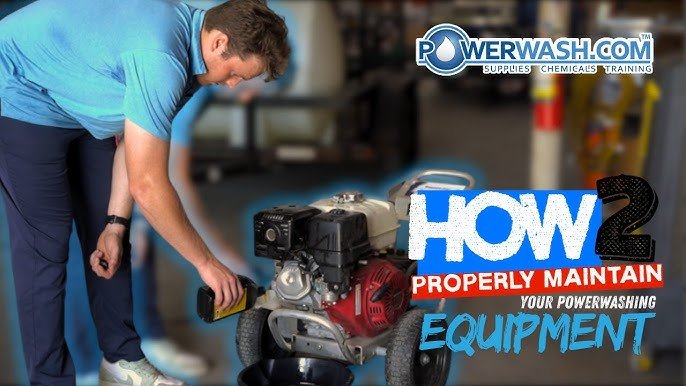
If you own a pressure washer, you know how powerful and handy it can be for cleaning tough dirt and grime. But to keep it running smoothly and avoid costly repairs, you need to take good care of it.
How you maintain your pressure washer can make all the difference in its performance and lifespan. You’ll learn simple, effective steps to keep your machine in top shape. Stick with me, and you’ll discover easy tips that save you time, money, and frustration down the road.
Ready to make your pressure washer last longer and work better every time? Let’s dive in.
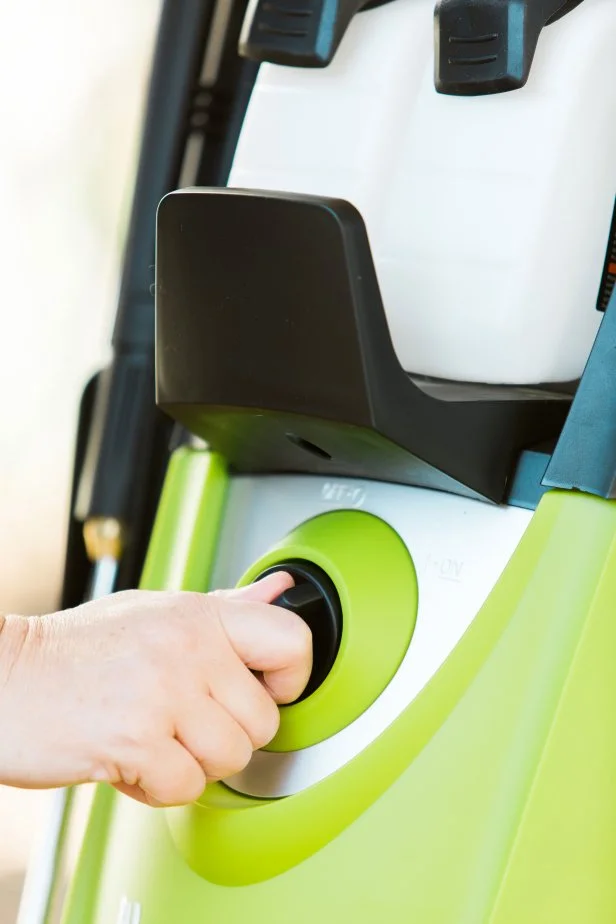
Credit: www.hgtv.com
Choosing The Right Cleaning Solution
Selecting the right cleaning solution is key for your pressure washer’s performance. The right chemical makes cleaning easier and protects surfaces.
Using the wrong solution can damage your equipment or the surface you clean. This guide helps you choose safely and effectively.
Types Of Cleaning Solutions
There are many cleaning solutions made for pressure washers. Each works best on certain surfaces or dirt types.
- Detergents: Good for general dirt and grime.
- Degreasers: Remove oil and grease stains.
- Acid Cleaners: Used for hard stains like rust or mineral deposits.
- Alkaline Cleaners: Work well on organic materials like mold or mildew.
Surface Compatibility
Match the cleaning solution to the surface. Some chemicals can harm wood, paint, or metal.
| Surface Type | Recommended Solution |
| Wood | Mild detergent |
| Concrete | Alkaline cleaner |
| Metal | Degreaser or mild detergent |
| Painted surfaces | Non-acidic detergent |
Safety Considerations
Always read safety labels on cleaning products. Use gloves and eye protection to avoid injury.
Store solutions in a cool, dry place away from children and pets. Dispose of chemicals according to local rules.
Inspecting Hoses And Connections
Inspecting hoses and connections is important for pressure washer safety. It helps prevent leaks and damage.
Regular checks keep your equipment working well and avoid costly repairs.
Look For Cracks And Wear
Check hoses carefully for cracks, cuts, or worn spots. These can cause leaks or bursts.
Replace any hose that shows signs of damage to stay safe during use.
Check Connections For Tightness
Make sure all connections are tight but not over-tightened. Loose fittings cause leaks.
- Hand tighten fittings first
- Use a wrench gently if needed
- Avoid forcing connections
- Check connections after starting the washer
Clean Dirt And Debris
Dirt and debris can block connections and cause damage. Clean all hoses and fittings often.
Inspect O-rings And Seals
| Part | What to Check | Action |
| O-Rings | Cracks or brittleness | Replace if damaged |
| Seals | Leaks or wear | Replace to prevent leaks |
| Threads | Clean and undamaged | Clean and avoid cross-threading |
Checking And Replacing Filters
Pressure washers need clean filters to work well. Dirty filters can block water flow and damage the machine.
Checking and replacing filters keeps your pressure washer running smoothly and lasts longer.
How To Check The Filters
Turn off the pressure washer and unplug it before checking filters. Look inside the water inlet for the filter.
Remove the filter carefully and check for dirt, debris, or damage. Clean or replace the filter if needed.
- Inspect for cracks or holes
- Look for clogged dirt or debris
- Make sure the filter fits properly
Cleaning The Filters
Rinse the filter with clean water to remove dirt. Use a soft brush if dirt is stuck.
Do not use harsh chemicals or high pressure on the filter. Let it dry completely before reinstalling.
- Use clean water only
- Brush gently to avoid damage
- Allow full drying before use
Replacing The Filters
If the filter is cracked, torn, or very dirty, replace it with a new one. Use the correct filter model for your washer.
Install the new filter in the water inlet. Make sure it fits tightly to stop leaks and blockages.
- Buy filters made for your model
- Check the filter size and shape
- Secure the filter properly in place
Cleaning The Nozzles
Keeping your pressure washer nozzles clean ensures strong water flow. Dirt and debris can block nozzles and reduce cleaning power.
Regular cleaning helps your machine last longer and work better every time you use it.
Unclogging Techniques
Start by turning off the pressure washer and releasing pressure. Remove the nozzle from the spray wand carefully.
- Use a thin piece of wire or a nozzle cleaning tool to clear any dirt inside the nozzle tip.
- Soak the nozzle in warm, soapy water for 10 to 15 minutes to loosen tough debris.
- Rinse the nozzle thoroughly with clean water before reattaching it.
- Check the nozzle for damage. Replace it if cracks or wear are visible.
Proper Storage
| Storage Tip | Reason |
|---|---|
| Remove and clean nozzles before storage | Prevents buildup of dirt and blockages |
| Store nozzles in a dry place | Stops rust and corrosion |
| Keep nozzles in a sealed container | Protects from dust and damage |
| Avoid leaving water inside the nozzles | Prevents freezing and cracking in cold weather |
Following these storage tips keeps your nozzles ready for the next use and extends their life.
Oil And Fuel Maintenance
Maintaining your pressure washer’s oil and fuel is key to keeping it working well. Clean oil and fresh fuel help the engine run smoothly.
Regular checks and changes prevent damage and extend the machine’s life. Let’s look at how to change oil and stabilize fuel.
Changing Oil
Changing the oil keeps the engine parts moving without wear. Old oil can cause the engine to overheat or break.
Check the oil level before each use. Change the oil after the first five hours of use, then every 50 hours or once a season.
- Turn off the engine and let it cool.
- Place a pan under the oil drain plug.
- Remove the plug and drain the old oil.
- Replace the drain plug securely.
- Fill with new oil as recommended in the manual.
- Check the oil level with the dipstick.
Fuel Stabilization
Fuel stabilizers keep gasoline fresh and stop it from breaking down. Old fuel can clog the carburetor and cause starting problems.
Add fuel stabilizer to the tank if you store your pressure washer for more than 30 days. Run the engine for a few minutes to mix the stabilizer.
- Use the right amount of stabilizer as the label says.
- Fill the tank with fresh gasoline before adding stabilizer.
- Store the pressure washer in a cool, dry place.
- Drain the fuel if you plan to store the machine for over six months.
Winterizing The Pressure Washer
Winterizing your pressure washer protects it from cold damage. It helps keep the machine ready for use next season.
Water left inside can freeze and cause cracks. Follow simple steps to drain water and use antifreeze properly.
Drain Water
Drain all water from the pressure washer before winter. This prevents freezing inside the pump and hoses.
Remove the water inlet filter and drain the water tank. Run the pressure washer until no water sprays out.
- Turn off the machine and disconnect the hose
- Open the drain valve to let water flow out
- Run the pressure washer briefly to clear water from the pump
- Remove water from the gun and wand
Antifreeze Usage
Use antifreeze to protect the pump from freezing when water is left inside. Choose non-toxic antifreeze made for pressure washers.
Pour antifreeze into the water inlet and run the pressure washer for a short time. This spreads antifreeze through the system.
- Use only pressure washer safe antifreeze
- Do not use automotive antifreeze
- Run the machine to circulate antifreeze
- Store the pressure washer in a dry place
Storing Properly
Storing your pressure washer the right way keeps it working well. It also stops damage and saves money on repairs.
Good storage protects the machine from dirt, water, and cold. This helps the parts last longer and work better.
Choosing The Right Location
Pick a dry place to store your pressure washer. Avoid spots that get very hot or cold. These conditions can harm the machine.
Keep the washer off the ground. Use a shelf or a pallet to stop moisture from building up under it.
- Store inside a garage or shed
- Keep away from direct sunlight
- Choose flat, stable surfaces
- Avoid damp or humid places
Protecting From Elements
Cover your pressure washer with a waterproof cover. This stops dust and water from getting inside the parts.
If you store it outside, use a sturdy, weatherproof shelter. This protects it from rain, snow, and sun damage.
- Use a plastic or vinyl cover
- Seal hoses and nozzles to keep dirt out
- Drain water to avoid freezing inside
- Check the cover regularly for holes
Regular Inspection And Maintenance Schedule
Keeping your pressure washer in good condition helps it work well for a long time. Regular checks can find problems early and prevent big repairs.
Follow a simple schedule to inspect and maintain your machine. This guide covers monthly checks and yearly servicing steps.
Monthly Checks
Do these tasks every month to keep your pressure washer safe and efficient. Checking parts often saves money and extends the machine’s life.
- Look for leaks in hoses and connections.
- Clean or replace the water filter.
- Check oil levels and top up if needed.
- Inspect the spray gun and nozzle for damage.
- Test the pressure washer to ensure it runs smoothly.
Annual Servicing
Once a year, do a thorough service or hire a professional. This keeps all parts working well and prevents major faults.
| Service Task | Details |
| Engine oil change | Drain old oil and refill with fresh oil. |
| Spark plug check | Clean or replace if worn out. |
| Pump inspection | Check seals and valves for wear. |
| Hose replacement | Replace any cracked or damaged hoses. |
| Full machine test | Run the pressure washer to check all functions. |
Troubleshooting Common Issues
Pressure washers are useful tools but can have problems. Fixing these issues keeps your washer working well.
Below are common problems and how to solve them. Follow the tips to keep your pressure washer in good shape.
Pressure Loss
Pressure loss means the washer sprays weak water. This can happen for a few reasons.
Check if the nozzle is clogged or worn out. Dirt can block water flow and reduce pressure.
- Clean or replace the nozzle if it is dirty.
- Check the hose for leaks or cracks.
- Make sure the water supply is steady and enough.
- Inspect the pump for worn seals or valves.
Fixing these parts usually restores full pressure and better cleaning power.
Engine Problems
Engine problems stop the pressure washer from running or cause it to run poorly.
Common engine issues include hard starting, stalling, and rough running.
- Check the fuel level and use fresh fuel.
- Clean or replace the spark plug if it is dirty.
- Make sure the air filter is clean and not blocked.
- Inspect the oil level and change the oil if needed.
- Look for loose or damaged wires and connections.
Regular engine care helps prevent these problems and keeps your washer running smoothly.

Credit: pswaterblasters.co.nz

Credit: www.bobvila.com
Frequently Asked Questions
How Often Should I Clean My Pressure Washer?
Clean your pressure washer after every use to prevent dirt buildup. Regular cleaning extends the machine’s lifespan and maintains optimal performance.
What Type Of Oil Is Best For Pressure Washers?
Use high-quality, manufacturer-recommended oil for your pressure washer. Synthetic oil often provides better protection and longer intervals between changes.
How Do I Prevent Freezing In My Pressure Washer?
Drain all water and store your pressure washer indoors during winter. Use antifreeze if necessary to avoid damage from freezing temperatures.
Why Is Regular Hose Inspection Important?
Inspect hoses regularly to detect leaks, cracks, or wear. Maintaining hoses prevents water loss and ensures safe, efficient pressure washer operation.
Conclusion
Regular care keeps your pressure washer working well for years. Clean the filters and nozzles often. Check oil and water levels before each use. Store it in a dry, safe place to avoid damage. Small fixes now prevent big problems later.
Enjoy faster, easier cleaning with a well-maintained machine. Taking time to maintain your pressure washer saves money and effort. Simple steps make a big difference in performance. Keep your equipment ready for any cleaning task.