
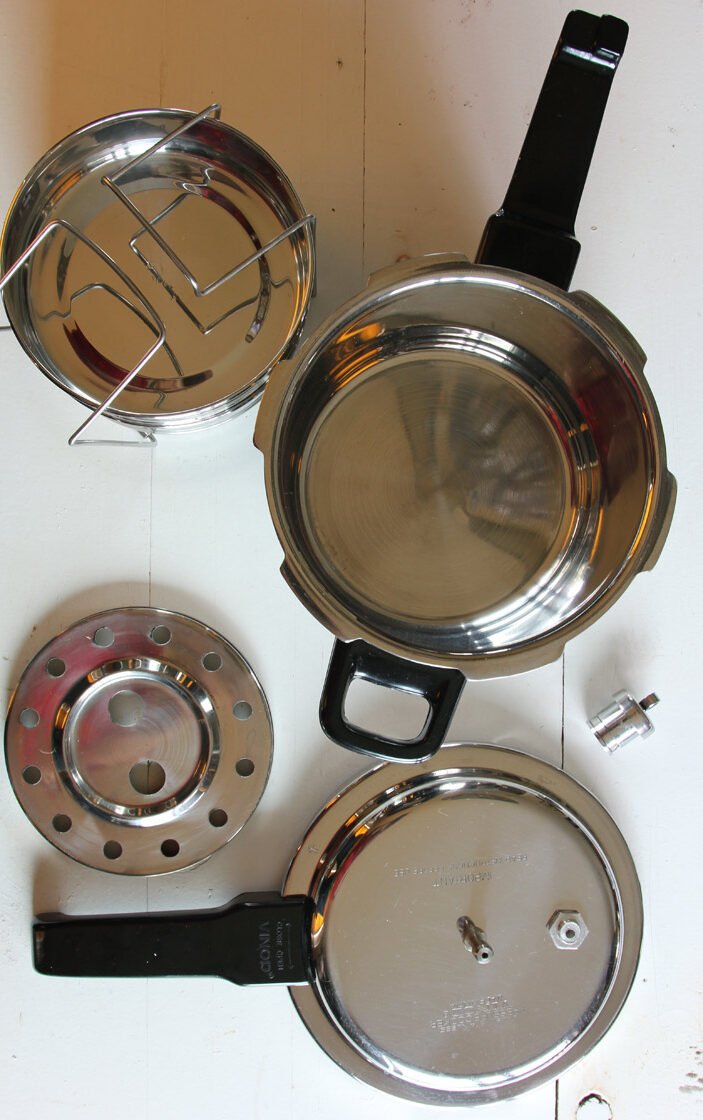
Your pressure cooker lid is the key to safe and efficient cooking. But did you know that without proper care, it can wear out quickly or even become unsafe?
Taking a few simple steps to maintain your lid not only extends its life but also keeps your meals cooking perfectly every time. You’ll discover easy tips to clean, inspect, and store your pressure cooker lid so you never have to worry about leaks or malfunctions again.
Keep reading to make sure your pressure cooker stays reliable and safe for every meal you prepare.
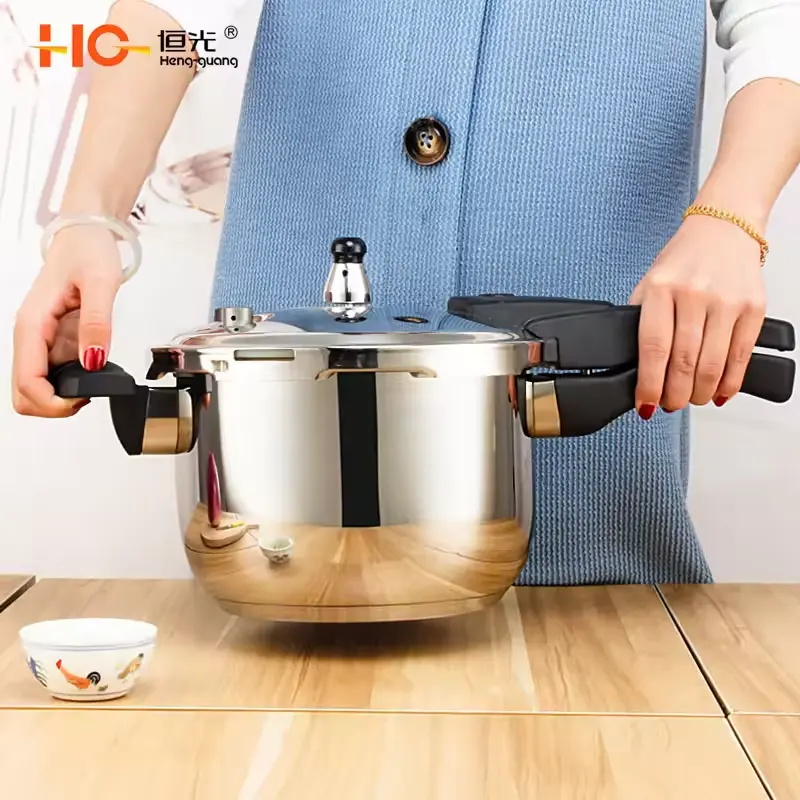
Credit: www.hg-cooker.com
Importance Of Pressure Cooker Lid Care
The lid of a pressure cooker is the most important part. It keeps the pressure inside the cooker.
Taking care of the lid helps the cooker work safely and last longer.
Preventing Air Leaks
A well-maintained lid stops air from leaking during cooking. This keeps the right pressure inside.
Check the rubber gasket and clean the lid to avoid leaks.
Ensuring Safety While Cooking
A clean and checked lid helps the cooker work safely. It prevents accidents from too much pressure.
Regular care keeps safety valves free and ready to work properly.
Extending The Lifespan Of The Cooker
Cleaning and checking the lid stops damage and wear. This helps the cooker last for years.
Good lid care lowers repair costs and keeps the cooker working well.
Maintaining Good Cooking Results
A tight and clean lid keeps heat and steam inside. This cooks food evenly and fast.
Proper lid care helps food keep its taste and texture.

Credit: modernistcuisine.com
Regular Cleaning Techniques
Keeping your pressure cooker lid clean is important for safety and performance.
Use simple cleaning methods after every use to avoid buildup and damage.
Washing After Each Use
Wash the lid with warm water and mild soap after cooking. Remove the sealing ring and clean it separately.
- Use a soft sponge to avoid scratching the surface.
- Clean the steam vent with a small brush or toothpick.
- Rinse all parts thoroughly to remove soap residues.
- Dry the lid and parts completely before storing.
Removing Stubborn Stains
Stubborn stains need a gentle but firm cleaning approach to keep the lid safe.
| Cleaning Method | Description | Tips |
| Baking Soda Paste | Mix baking soda with water to form a paste. | Apply to stains and leave for 15 minutes before scrubbing. |
| Vinegar Soak | Soak the lid in vinegar for 10 minutes. | Rinse well after soaking to remove smell. |
| Soft Brush Scrub | Use a soft brush with mild soap to scrub stains. | Avoid metal brushes to prevent damage. |
Inspecting And Replacing Seals
The pressure cooker lid has a seal called a gasket. This seal keeps steam inside while cooking.
It is important to check the gasket often. A worn gasket can cause leaks and unsafe cooking.
Checking Gasket Condition
Look at the gasket for cracks, tears, or hard spots. These signs mean the gasket is damaged.
Also, check if the gasket feels sticky or dry. A good gasket is soft and flexible.
- Remove the gasket from the lid carefully
- Inspect all around the gasket for damage
- Feel the gasket to check its texture
- Clean the gasket with warm water and mild soap
When To Replace The Gasket
Replace the gasket if you see cracks or tears. Do not use a damaged gasket.
If the gasket is hard, brittle, or sticky, it needs replacement. A bad gasket can cause steam leaks.
- Replace gasket every 12 to 18 months for safety
- Change gasket if pressure cooker does not seal well
- Use the correct gasket model for your pressure cooker
Valve Maintenance
Keeping your pressure cooker lid in good shape is important. The valve helps control the pressure safely.
Cleaning and checking the valve often will keep your cooker working well and safe to use.
Cleaning The Pressure Release Valve
Remove the valve from the lid carefully before cleaning. Wash it with warm water and mild soap.
Use a small brush or toothpick to clean any food or dirt stuck inside the valve holes.
- Detach the valve from the lid
- Soak it in warm, soapy water
- Brush out all small openings gently
- Rinse with clean water
- Dry the valve completely before reattaching
Ensuring Valve Functionality
Check the valve often to see if it moves freely and is not blocked. A stuck valve can cause problems.
Test the valve by pressing it lightly. It should move without resistance and return to place easily.
- Inspect valve for cracks or damage
- Make sure valve spring works properly
- Replace valve if it is worn out or broken
- Keep valve clean and dry after each use
Proper Storage Practices
Keeping your pressure cooker lid in good shape needs the right storage. Storing it properly helps it last longer.
Cleaning and drying the lid before storage stops damage and keeps it safe to use.
Storing With The Lid Off
Store the pressure cooker lid separately from the pot. This prevents pressure on the seal and parts.
Keep the lid upside down or on a soft surface. This avoids scratches and pressure on the gasket.
- Place the lid on a clean cloth or sponge
- Do not stack heavy items on the lid
- Keep the lid in a dry, ventilated spot
Avoiding Moisture Build-up
Dry the lid completely before storing it. Moisture can cause rust and mold on metal and rubber parts.
Leave the vent open or the lid slightly ajar to let air flow. This stops moisture from collecting inside.
- Wipe the lid with a dry towel after washing
- Store the lid in a cool, dry place
- Check the gasket for dampness before storing
Handling And Usage Tips
Keeping your pressure cooker lid in good shape helps it work safely. Proper handling makes cooking easier and extends the lid’s life.
Follow simple tips to avoid damage and open the lid safely after cooking. These steps protect both you and your cooker.
Avoiding Lid Damage
Always handle the lid gently to avoid dents or cracks. Avoid dropping it or placing heavy items on top.
Clean the lid after each use. Use a soft cloth and mild soap. Do not use harsh chemicals or scrubbers that can scratch the surface.
- Do not force the lid when closing
- Check the rubber gasket for cracks regularly
- Store the lid separately if possible
- Keep the safety valve clear and clean
Safe Opening Practices
Never try to open the lid while the cooker is still pressurized. Wait until all steam is released.
Use the pressure release button or valve to let out steam safely. Always keep your face and hands away from the steam outlet.
- Check the pressure indicator before opening
- Turn the lid slowly to unlock it
- Open the lid away from your body
- If stuck, release more pressure before trying again
Identifying Common Issues
Pressure cooker lids need regular care to work well and stay safe. Knowing common problems helps you fix them fast. This saves time and keeps cooking smooth.
Look closely at your lid often. Check for cracks, leaks, or changes in shape. Spotting issues early prevents bigger damage.
Troubleshooting Seal Leaks
The seal inside the lid keeps steam from escaping. If you see steam or water leaking, the seal may be damaged or dirty. Clean the seal regularly to avoid leaks.
Check the seal for cracks, tears, or stiffness. A worn-out seal must be replaced to keep the cooker safe. Also, make sure the seal fits tightly in the lid groove.
- Remove the seal and wash it with warm, soapy water.
- Look for cracks or hard spots on the seal.
- Replace the seal if it does not fit snugly.
- Do not use the cooker if steam leaks persist.
Recognizing Lid Warping
Lid warping means the lid changes shape and does not fit well. Warping happens from heat or dropping the lid. A warped lid can cause steam leaks or unsafe pressure.
Check your lid for bending or uneven edges. Test the fit by closing it on the cooker. If it feels loose or does not seal, the lid may be warped.
- Look for bent or wavy edges on the lid.
- Try fitting the lid onto the cooker body.
- Do not force a warped lid to close.
- Replace the lid if it does not seal properly.
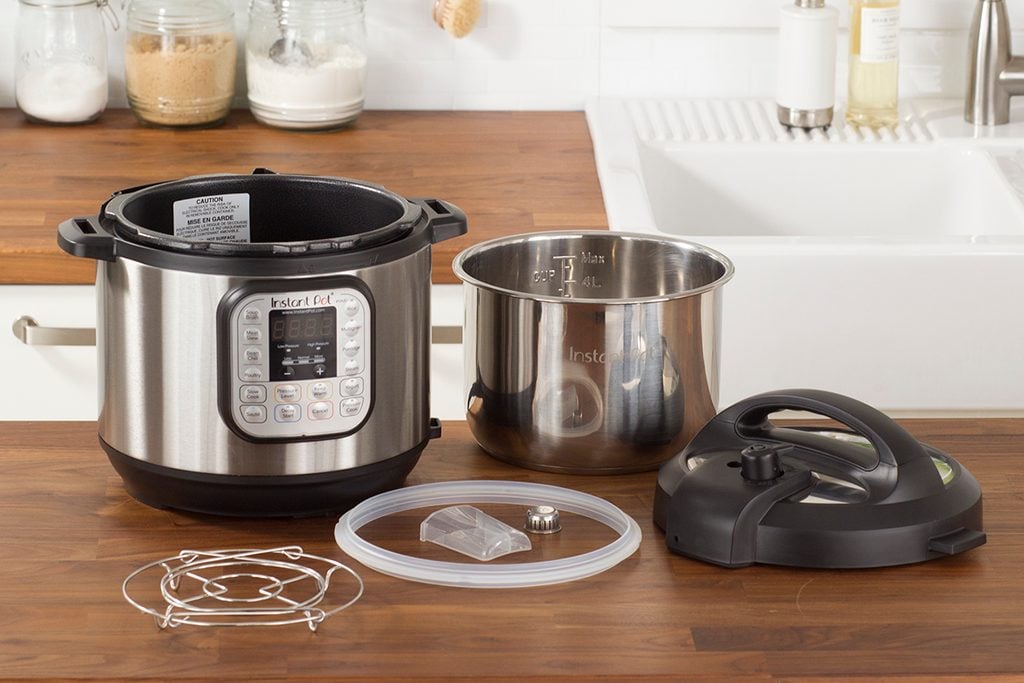
Credit: www.tasteofhome.com
Frequently Asked Questions
How Often Should I Clean A Pressure Cooker Lid?
You should clean the pressure cooker lid after every use. Remove the gasket and wash it separately. This prevents food buildup and ensures safe cooking.
How Do I Remove The Gasket From The Lid?
To remove the gasket, gently pull it out from the lid’s groove. Avoid using sharp tools. Regular removal helps maintain the gasket’s flexibility and hygiene.
Can I Use Soap To Clean The Pressure Cooker Lid?
Yes, mild dish soap is safe for cleaning the lid. Avoid harsh chemicals or abrasive scrubbers. Soap effectively removes grease and food residue without damaging the lid.
How To Check If The Pressure Cooker Lid Is Sealing Properly?
Inspect the gasket for cracks or deformation. Ensure the lid locks smoothly and no steam escapes during cooking. Proper sealing ensures safe and efficient pressure cooking.
Conclusion
Keeping your pressure cooker lid clean and well cared for helps it last longer. Check the rubber seal often for cracks or damage. Clean the lid after each use to avoid food build-up. Store the lid separately if possible, to keep its shape.
Always follow safety steps before using the cooker again. Small habits make a big difference in performance. A well-maintained lid ensures safe and tasty meals every time. Simple care keeps your pressure cooker working like new.