
You rely on your pressure cooker to save time and make meals delicious. But do you know how to keep it working like new?
Without proper care, your pressure cooker can lose its efficiency or even become unsafe. In this guide, you’ll discover simple, effective steps to maintain your pressure cooker. By following these tips, you’ll extend its life and enjoy stress-free cooking every time.
Ready to make your pressure cooker last longer and perform better? Let’s dive in.
Credit: www.news18.com
Types Of Pressure Cookers
Pressure cookers cook food quickly using steam pressure. There are two main types. Each type has different features and uses.
Knowing the types helps you pick the right cooker for your kitchen. It also helps with proper maintenance.
Stovetop Models
Stovetop pressure cookers sit on a stove burner. They heat quickly and offer high pressure. Many cooks like them for their speed and control.
- Usually made of stainless steel or aluminum
- Have a locking lid and pressure release valve
- Require manual pressure control by adjusting stove heat
- Can reach higher pressure than electric models
- More durable but need careful handling
Electric Models
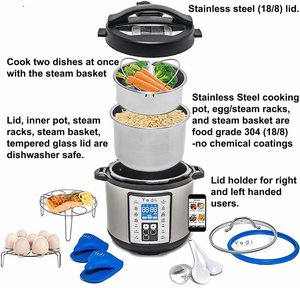
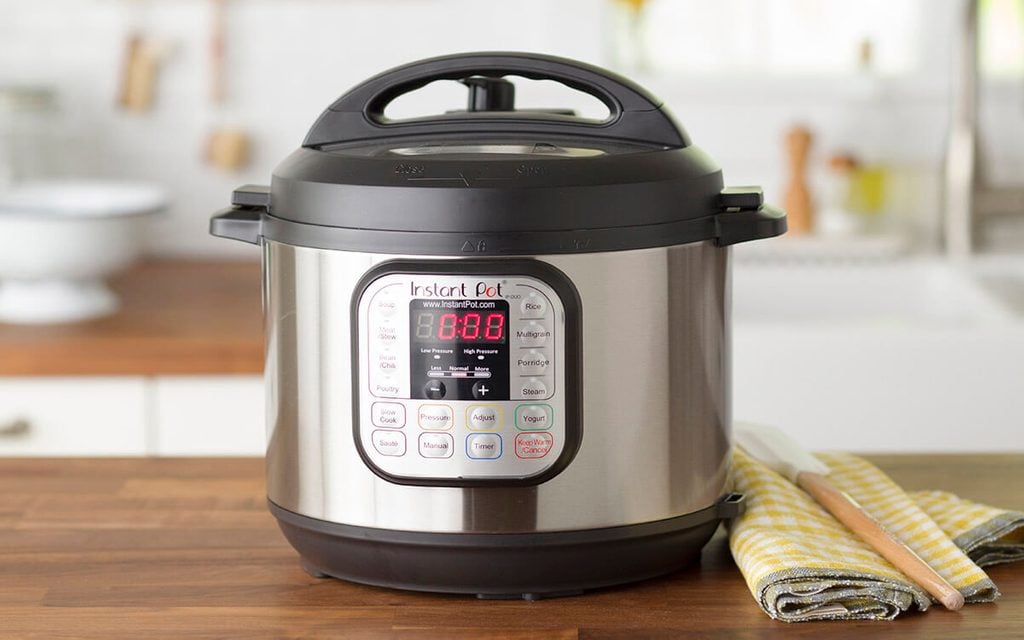
Electric pressure cookers plug into the wall. They use electric heat and have built-in timers and sensors. These models are easy to use and set.
| Feature | Electric Model |
| Power Source | Electricity |
| Pressure Control | Automatic |
| Heating Method | Electric heating element |
| User Control | Preset programs and timers |
| Portability | Less portable, needs outlet |
| Ease of Use | Simple, with digital display |
Basic Maintenance Routine
Keeping your pressure cooker in good shape helps it last longer. Regular care also keeps your food safe and tasty.
Follow simple steps to clean and check your cooker often. This stops problems before they start.
Regular Cleaning Practices
Clean your pressure cooker after each use. Remove food bits from the lid and pot to avoid buildup.
Use warm soapy water and a soft cloth. Avoid harsh scrubbers that can damage the surface.
- Wash the lid, pot, and gasket separately
- Check the steam vent for blockages
- Dry all parts fully before storage
Checking And Replacing Seals
The seal or gasket keeps the pressure cooker airtight. Check it often for cracks or hard spots.
If the seal looks worn, replace it quickly. A bad seal can cause leaks and unsafe cooking.
- Inspect the gasket for cracks or stiffness
- Clean the gasket with warm water only
- Replace the gasket every 12-18 months or if damaged
- Use the correct gasket model for your cooker
Handling And Usage Tips
Using a pressure cooker safely keeps you and your food safe. Proper handling helps avoid accidents. It also makes your cooker last longer.
Follow simple tips for safe pressure release and proper filling. These tips help prevent damage and keep cooking smooth.
Safe Pressure Release Methods
Releasing pressure carefully avoids burns and cooker damage. Use these safe methods after cooking:
- Let the cooker cool naturally to release pressure slowly.
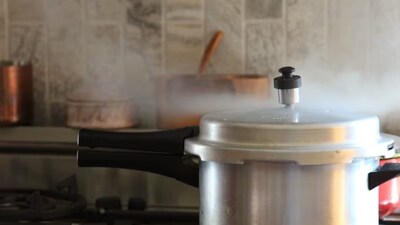
- Use the steam release valve to let out steam safely.
- Run cold water over the lid for quick pressure release if your model allows.
- Do not force the lid open until the pressure is fully released.
- Keep your face and hands away from the steam vents.
Avoiding Overfilling
Do not fill the pressure cooker too much. Overfilling can cause food to block the vent or cause spills. Follow these rules:
| Type of Food | Maximum Fill Level | Reason |
|---|---|---|
| Liquids | Two-thirds full | Prevents boiling over and vent blockage |
| Foods that Expand (like rice, beans) | Half full | Allows room for swelling during cooking |
| Stews or Mixed Foods | Two-thirds full | Ensures proper pressure and avoids spills |
Credit: www.yedihousewareappliances.com
Storing Your Pressure Cooker
Proper storage helps your pressure cooker last longer. It keeps the parts safe and clean.
Follow simple steps to store your pressure cooker the right way. This avoids damage and bad smells.
Disassembling For Storage
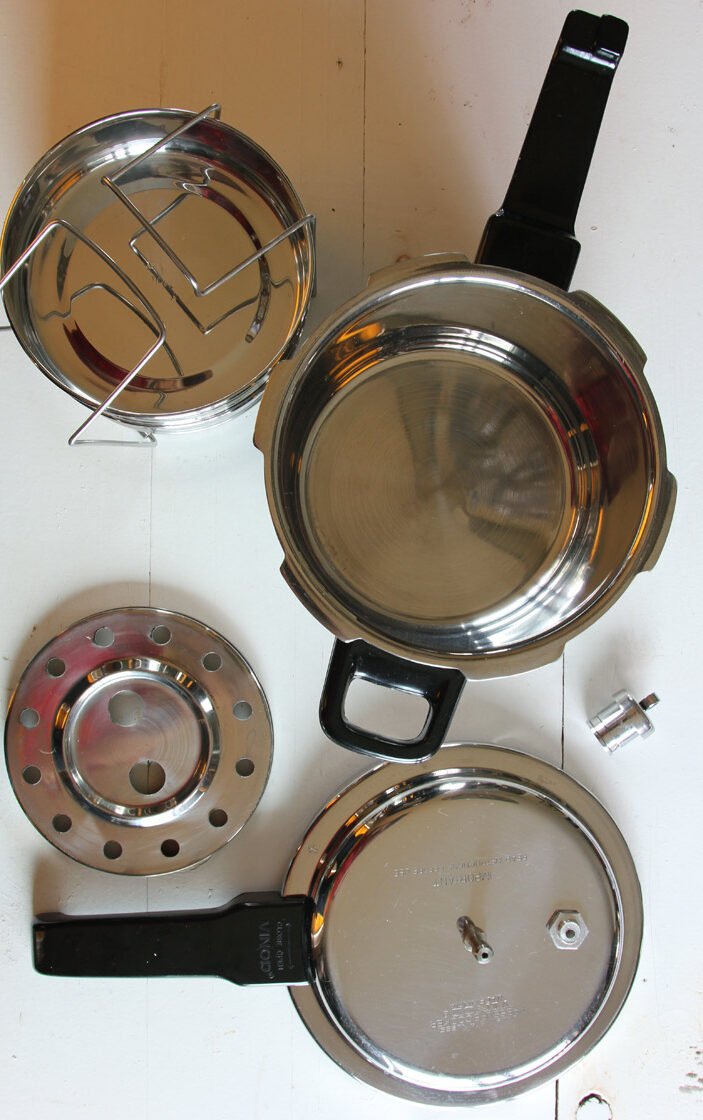
Take apart your pressure cooker before storing it. Remove the lid, gasket, and any other parts.
Cleaning each part separately helps prevent rust and damage. It also makes sure the cooker dries fully.
- Remove the lid from the pot
- Take out the rubber gasket carefully
- Detach any valves or pressure sensors
- Wash and dry all parts well
- Store parts separately or loosely together
Preventing Odor Retention
Pressure cookers can hold food smells if stored wrong. Keep the gasket loose or off to stop odors.
Store the cooker with the lid upside down or slightly open. This lets air flow inside and reduces smell buildup.
- Keep the gasket dry and separate
- Place the lid upside down on the pot
- Store in a cool, dry place
- Use baking soda in the cooker to absorb smells
- Clean the cooker well after each use
Troubleshooting Common Issues
Pressure cookers save time and energy by cooking food quickly. Sometimes, they can have problems that stop them from working right.
Knowing how to fix common issues helps you keep your pressure cooker safe and useful for years.
Pressure Loss Problems
Pressure loss is a common problem that can make cooking take longer or fail. It happens when steam escapes from the cooker instead of staying inside.
- Check the rubber gasket for cracks or dirt. Clean or replace it if needed.
- Make sure the lid is closed tightly and fits well.
- Inspect the pressure valve to see if it is blocked or stuck.
- Do not overfill the cooker, as food or liquid can block the sealing.
- Clean the vent pipe regularly to keep steam flowing properly.
Lid Locking Mechanism Concerns
The lid locking mechanism keeps the cooker sealed during cooking. If it does not work well, the lid may open unexpectedly or not seal properly.
| Problem | Cause | Solution |
| Lid won’t lock | Dirt or food stuck in locking parts | Clean the locking area carefully with warm water |
| Lid is hard to close | Worn or damaged gasket | Replace the gasket with a new one |
| Lock releases during cooking | Pressure too high or faulty valve | Check and clean the valve; reduce heat if needed |
| Lid locks but no pressure builds | Damaged sealing ring or misaligned lid | Inspect and replace sealing ring; close lid properly |
Importance Of Manufacturer’s Manual
Using a pressure cooker safely needs careful attention. The manufacturer’s manual gives all the needed instructions.
This manual helps you keep the cooker in good shape. It also guides you on how to use it the right way.
Understanding Safety Features
The manual explains all safety features of your pressure cooker. Knowing these features prevents accidents.
It shows how safety valves and locks work. You learn how to check if these parts are clean and working well.
- How to test the pressure release valve
- How to lock and unlock the lid safely
- How to spot worn or damaged seals
Warranty And Service Information
The manual tells you about warranty coverage. It explains what repairs are free and what costs you might pay.
It also gives contact details for service centers. Following these details helps keep your warranty valid.
- Duration of the warranty period
- Conditions that void the warranty
- Where to get authorized repairs
Credit: www.tasteofhome.com
Frequently Asked Questions
How Often Should I Clean My Pressure Cooker?
Clean your pressure cooker after every use. Wash the pot, lid, and gasket with warm soapy water. Regular cleaning prevents food buildup and ensures safety. Dry all parts thoroughly before reassembling to avoid rust and maintain performance.
What Is The Best Way To Inspect The Gasket?
Check the gasket for cracks, tears, or stiffness regularly. Replace it if damaged to maintain a proper seal. A healthy gasket ensures pressure builds correctly, preventing steam leaks and accidents during cooking.
How Do I Safely Store A Pressure Cooker?
Store your pressure cooker with the lid upside down or separately. This keeps the gasket from compressing and maintains its elasticity. Proper storage extends the gasket’s lifespan and prevents odors inside the cooker.
Can I Use Abrasive Cleaners On My Pressure Cooker?
Avoid abrasive cleaners or scrubbers. They can damage the cooker’s surface and gasket. Use mild dish soap and a soft sponge to clean. This method keeps the cooker in good condition and prolongs its life.
Conclusion
Maintaining your pressure cooker keeps it safe and working well. Clean it after each use to avoid stuck food. Check the seals and valves regularly for damage or dirt. Replace parts if they look worn out or cracked. Store the cooker in a dry place to stop rust.
These simple steps help your cooker last longer. Enjoy cooking with confidence and ease every time. Pressure cookers make meals fast and tasty. Take good care, and they will serve you well.