
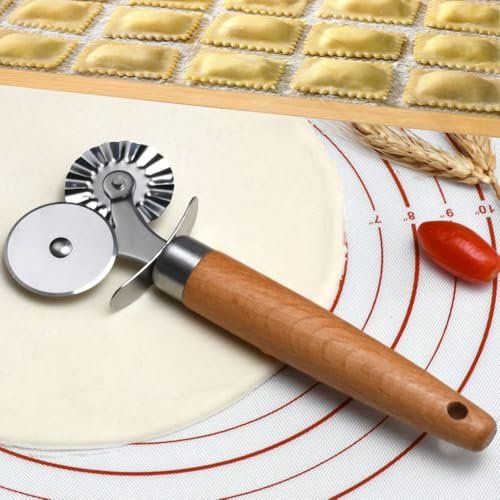
If you love baking, you know how important your tools are—especially your pastry wheel. But have you ever struggled with a dull blade or sticky handle?
Keeping your pastry wheel in top shape not only makes your baking easier but also helps you create perfect pastries every time. You’ll discover simple, effective tips to maintain your pastry wheel so it stays sharp, clean, and ready whenever you need it.
Let’s make sure your baking tool works as hard as you do!
Importance Of A Well-maintained Pastry Wheel
A pastry wheel helps cut dough into shapes and strips. Keeping it clean and sharp makes baking easier.
Good care of your pastry wheel ensures smooth cuts and longer tool life. It also keeps your dough neat.
Preventing Rust And Corrosion
Pastry wheels are often made of metal, which can rust if not cleaned well. Rust weakens the tool.
Wipe the wheel dry after washing to stop water from causing rust. Store it in a dry place.
- Clean with warm soapy water
- Dry immediately with a cloth
- Keep in a dry drawer or container
Maintaining Sharpness For Clean Cuts
A sharp pastry wheel cuts dough smoothly without tearing. Dull wheels cause rough edges and waste dough.
Check the blade often and sharpen it if needed. Use a small sharpening tool or ask a professional.
- Inspect the blade before use
- Sharpen carefully with a fine tool
- Test on scrap dough for smooth cuts
Safe And Easy Handling
A well-maintained pastry wheel is safer to use. Loose parts or sticky wheels can cause slips and cuts.
Check the handle and wheel movement. Fix loose parts and clean sticky areas to keep control.
- Tighten screws or bolts
- Lubricate wheel if it sticks
- Replace damaged handles
Enhancing Baking Results
Using a clean, sharp pastry wheel makes your baked goods look better. Neat cuts mean even baking.
Maintaining your pastry wheel helps you create pastries with professional shapes and textures.
- Sharp cuts prevent dough from tearing
- Even strips bake at the same speed
- Clean tools avoid dough sticking
Credit: www.spatuladesserts.com
Cleaning Techniques
Keeping your pastry wheel clean helps it last longer. Dirt and dough build-up can reduce its performance.
Use proper cleaning methods to maintain the sharpness and hygiene of your pastry wheel.
Daily Cleaning Routine
After each use, clean the pastry wheel to remove dough and crumbs. This prevents residue from hardening.
- Rinse the wheel under warm water immediately after use.
- Use a soft brush to remove stuck dough from the blade and handle.
- Dry the pastry wheel thoroughly with a clean cloth to avoid rust.
- Store in a dry place to keep it sharp and clean.
Deep Cleaning Procedures
Perform a deep clean weekly or after heavy use. This removes hidden debris and prevents buildup.
| Step | Action | Purpose |
|---|---|---|
| 1 | Soak the pastry wheel in warm soapy water for 10 minutes. | Loosen dried dough and grease. |
| 2 | Use a toothbrush to scrub the blade edges and handle. | Remove stubborn residue. |
| 3 | Rinse thoroughly with clean water. | Remove soap and debris. |
| 4 | Dry completely with a soft towel. | Prevent rust and corrosion. |
Choosing The Right Cleaning Products
Select cleaning products that are gentle but effective. Avoid harsh chemicals that damage metal or plastic parts.
Recommended cleaning products for pastry wheels:
- Mild dish soap
- Soft-bristle brushes or toothbrushes
- Non-abrasive sponges
- Clean, dry towels
Avoid bleach or abrasive powders that can dull the blade.
Proper Storage Methods
Keeping your pastry wheel in good shape starts with storing it properly. Proper storage protects the blade and handle from damage.
Good storage also helps keep your pastry wheel clean and ready to use anytime.
Ideal Storage Conditions
Store your pastry wheel in a dry place to avoid rust on the blade. Moisture can cause metal parts to corrode quickly.
Keep the pastry wheel away from heat and direct sunlight. Heat can weaken plastic handles and damage any wooden parts.
- Use a drawer or utensil holder to keep it safe
- Wrap the blade with a cloth or blade cover
- Store in a spot with good air flow
- Keep it separate from heavy or sharp tools
Avoiding Common Storage Mistakes
Do not leave your pastry wheel wet after washing. Water left on the blade causes rust and dulls the cutting edge.
Avoid storing the pastry wheel loose in a drawer. It can get scratched or damage other utensils.
- Never store near corrosive chemicals or cleaning agents
- Do not place heavy items on top of the pastry wheel
- Avoid stacking with other sharp tools without protection
- Do not store in humid or damp areas
Credit: gfjules.com
Regular Inspection And Maintenance
Keeping your pastry wheel in good shape helps it work well for a long time. Regular checks and care stop problems before they start.
This guide covers key steps to inspect and maintain your pastry wheel properly.
Checking For Wear And Tear
Look closely at the cutting wheel and handle. Check for cracks, chips, or dull edges. These signs show the pastry wheel needs attention.
- Inspect the wheel for smoothness and sharpness.
- Check the handle for loose parts or cracks.
- Look for rust or dirt build-up on metal parts.
- Make sure the wheel spins freely without wobbling.
Lubrication Tips For Smooth Operation
Lubricate the pastry wheel to keep it turning easily. Use food-safe oil to avoid contaminating dough.
| Lubrication Step | Details |
| Choose Oil | Use light, food-safe oil like mineral oil |
| Apply Oil | Put a few drops on the wheel’s axle |
| Rotate Wheel | Spin the wheel to spread the oil evenly |
| Wipe Excess | Remove extra oil with a clean cloth |
Replacing Parts When Necessary
Replace worn or damaged parts to keep your pastry wheel safe and effective. Using the right parts is important.
- Buy replacement wheels or handles from the manufacturer.
- Follow instructions to remove old parts carefully.
- Install new parts securely to avoid accidents.
- Test the pastry wheel after replacement to ensure smooth use.
Handling And Usage Guidelines
Using a pastry wheel correctly helps you cut dough cleanly. Good care keeps it sharp and safe.
Follow simple tips for handling and using your pastry wheel. This prevents damage and makes cutting easier.
Correct Handling Techniques
Hold the pastry wheel firmly but not too tight. Use your dominant hand for better control.
Roll the wheel smoothly over the dough. Avoid pressing too hard to keep cuts even.
- Grip the handle comfortably
- Keep wrist straight while cutting
- Apply gentle, steady pressure
- Use a clean, flat surface
- Cut in one smooth motion
Preventing Damage During Use
Do not cut on hard surfaces like metal or stone. Use a wooden or plastic board instead.
Clean the wheel after each use. Dry it well to stop rust and keep the blade sharp.
- Avoid dropping the pastry wheel
- Do not use the wheel to cut frozen dough
- Store in a dry place
- Sharpen the blade if it becomes dull
- Wash by hand, do not put in dishwasher
Common Mistakes To Avoid
Using a pastry wheel correctly helps keep it sharp and lasting longer. Many people make errors that damage the tool or reduce its usefulness.
Avoiding these mistakes will keep your pastry wheel in good shape and make baking easier and more fun.
Not Cleaning After Use
One common mistake is not cleaning the pastry wheel right after use. Dough and flour can dry on the blade, making it hard to clean later.
Using The Wrong Cleaning Tools
Many people use abrasive brushes or harsh chemicals to clean their pastry wheel. This can damage the blade or handle.
Ignoring Lubrication Needs
Pastry wheels with moving parts need lubrication. Skipping this can cause the wheel to stick or rust over time.
Storing Improperly
Leaving your pastry wheel in a damp place or loose in a drawer can cause damage or dull the blade quickly.
- Keep it dry and clean after each use.
- Use a soft cloth and mild soap for cleaning.
- Apply food-safe oil to moving parts regularly.
- Store in a dry place, ideally in a protective cover.
Cutting On Hard Surfaces
Using a pastry wheel on hard surfaces like stone or metal can dull or damage the blade quickly.
| Surface Type | Effect on Pastry Wheel |
| Wood | Safe and gentle on blade |
| Plastic Cutting Board | Good for blade, easy to clean |
| Stone or Metal | Dulls or chips blade quickly |
Benefits Of A Well-maintained Pastry Wheel
A pastry wheel is a simple but useful kitchen tool. Keeping it clean and sharp helps you work better and faster. A well-maintained pastry wheel makes baking easier and more enjoyable.
This guide covers key benefits of caring for your pastry wheel. You will learn how maintenance affects its performance and lifespan.
Improved Performance
When your pastry wheel is clean and sharp, it cuts dough more smoothly. This means less effort and better results. A dull or sticky wheel can tear dough or leave rough edges.
- Slices dough evenly without dragging
- Creates neat, clean edges on pastries
- Reduces the chance of dough sticking
- Improves speed and control while cutting
Extended Tool Lifespan
Regular care helps your pastry wheel last longer. Dirt and moisture can cause rust or damage the blade. Keeping it dry and sharpening it often protects your tool.
| Maintenance Task | Benefit |
| Cleaning after each use | Prevents rust and buildup |
| Drying thoroughly | Stops moisture damage |
| Sharpening blade regularly | Keeps cutting edge sharp |
| Proper storage | Protects from dents and breaks |

Credit: masterlocb.com
Frequently Asked Questions
How Often Should I Clean My Pastry Wheel?
Clean your pastry wheel after each use to prevent dough buildup. Use warm water and mild soap. Dry it thoroughly to avoid rust and maintain sharpness.
What Is The Best Way To Sharpen A Pastry Wheel?
Use a fine sharpening stone or ceramic rod. Gently run the blade along the sharpener at a consistent angle. Regular sharpening ensures clean cuts and extends tool life.
Can I Use A Pastry Wheel In A Dishwasher?
It’s best to avoid dishwashers. High heat and detergents can dull the blade and damage the handle. Hand wash with care to preserve your pastry wheel.
How Do I Store A Pastry Wheel Safely?
Store your pastry wheel in a dry, clean place. Use a blade cover or protective sheath if available. Proper storage keeps it sharp and prevents accidents.
Conclusion
Maintaining your pastry wheel keeps it sharp and ready to use. Clean it after every use to avoid dough buildup. Dry it well to stop rust from forming. Store it in a safe place to protect the blade. Regular care helps your pastry wheel last longer.
A well-kept tool makes baking easier and more fun. Simple steps make a big difference in performance. Keep your pastry wheel in top shape with these tips.