
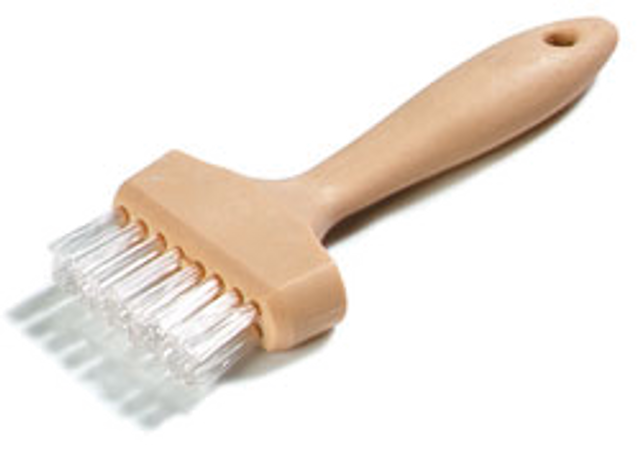
If you love baking, your pastry brush is one of your best kitchen tools. But did you know that how you take care of it can make a big difference in your baking results?
A clean and well-maintained pastry brush helps you apply glazes, butter, and sauces smoothly every time. If you want your brush to last longer and work better, you need to know the right way to clean and store it. Keep reading, and you’ll discover simple tips that will save you time, money, and hassle in the kitchen.
Your baking will never be the same!
Choosing The Right Pastry Brush
Choosing the right pastry brush helps you cook and bake better. The right brush spreads sauces and glazes smoothly.
Think about the brush’s materials, size, and shape. These factors affect how well it works for your needs.
Materials To Consider
Pastry brushes come in different materials. Each material has its own benefits and care needs.
- Natural bristles are soft and hold liquids well.
- Silicone bristles are easy to clean and heat resistant.
- Nylon bristles are durable and good for heavy use.
- Wood handles feel comfortable and look classic.
- Plastic handles are lightweight and easy to wash.
Choose a material that fits your cooking style and cleaning habits.
Size And Shape Selection
Brush size and shape affect how you apply sauces or glazes. Pick the right size for your recipes.
Small brushes work well for detailed work. Large brushes cover bigger areas quickly.
- Round brushes reach tight spots easily.
- Flat brushes spread liquids evenly over large surfaces.
- Angled brushes help with precise strokes.
- Long handles give better control and keep hands clean.
Credit: www.surlatable.com
Cleaning Techniques
Keeping your pastry brush clean helps it last longer and work better. Dirt and food can build up on the bristles.
Proper cleaning removes food particles and prevents bad smells or bacteria growth.
Hand Washing Methods
Hand washing your pastry brush is gentle and effective. Use warm water and mild soap to clean the bristles.
Rinse the brush well to remove all soap. Shake off excess water and let it dry flat or hang it with bristles down.
- Use warm water and mild dish soap
- Rub bristles gently to remove food
- Rinse thoroughly to avoid soap residue
- Dry flat or hang bristles facing down
Safe Dishwasher Practices
Some pastry brushes can go in the dishwasher. Check the brush label to see if it is dishwasher safe.
Place the brush on the top rack to protect the bristles. Avoid high heat drying to keep bristles soft.
- Confirm brush is dishwasher safe
- Put brush on the top rack only
- Use gentle cycle and low heat drying
- Remove promptly to air dry completely
Drying And Storage Tips
Keeping your pastry brush clean and dry helps it last longer. Proper drying and storage stops damage and keeps it safe to use.
Learn how to dry your brush well and store it to avoid problems like mold and bad smells.
Proper Air Drying
After washing your pastry brush, shake out extra water. Let it dry in open air to keep it fresh.
Place the brush with bristles facing down or hang it to help water drain away. Avoid laying it flat on a surface.
- Shake off excess water
- Hang brush by the handle
- Keep bristles pointing down
- Air dry fully before storing
Avoiding Mold And Mildew
Mold grows in wet, dark places. Store your pastry brush where air flows well and it stays dry.
Never keep the brush in a closed container if it is still wet. Clean and dry the brush before storage to stop mold and mildew.
- Store in a dry, ventilated place
- Do not seal brush when wet
- Clean brush after each use
- Check brush regularly for mold
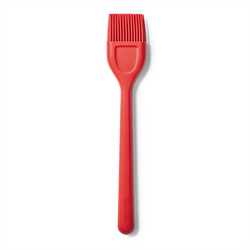
Credit: www.surlatable.com
Regular Maintenance Routine
Keeping your pastry brush in good shape helps it last longer. A regular maintenance routine keeps the bristles clean and the handle strong.
Simple care steps prevent food buildup and damage. This saves money and keeps your kitchen tools safe to use.
Inspecting For Wear And Tear
Look at your pastry brush carefully after each use. Check if the bristles are bent, broken, or falling out.
Also check the handle for cracks or loose parts. Damaged brushes can affect your cooking and may harbor bacteria.
- Check bristles for fraying or loss
- Look for stains or residue buildup
- Feel the handle for cracks or looseness
- Notice any bad smells that do not go away
Replacing Bristles And Handles
If the bristles are worn out, replace them to keep your brush effective. Some brushes let you change bristles without buying a new tool.
Handles can also be replaced if they break. Check if the manufacturer sells replacement parts before discarding the whole brush.
- Buy bristle sets that fit your brush model
- Follow instructions to remove old bristles carefully
- Attach new bristles firmly for safe use
- Replace handles only if compatible parts exist
- Discard brushes if replacements are not possible
Common Mistakes To Avoid
Using a pastry brush often means cleaning and storing it properly. Many people make mistakes that shorten the brush’s life. Avoiding these errors helps keep your brush in good shape.
Learn about two common mistakes: using harsh chemicals and improper storage. Fixing these will keep your pastry brush working well longer.
Using Harsh Chemicals
Harsh chemicals can damage the bristles of your pastry brush. They may cause the bristles to become brittle or fall out. This reduces the brush’s ability to apply glazes or sauces smoothly.
Strong detergents or bleach can also harm the handle, especially if it is made of wood. The wood can crack or warp over time. Always choose gentle soap and warm water for cleaning.
- Avoid bleach and strong detergents
- Use mild dish soap and warm water
- Rinse thoroughly to remove soap residue
- Dry the brush completely after washing
Improper Storage Practices
Storing a pastry brush in a damp place causes mold and mildew growth. Leaving it lying flat can bend the bristles. Both problems reduce the brush’s lifespan.
It is best to store your brush in a dry, well-ventilated area. Hang the brush or place it with bristles facing up. This helps maintain the shape and keeps it clean.
- Do not store in wet or damp places
- Hang the brush to keep bristles straight
- Keep away from heat sources to avoid damage
- Store separately to prevent bristles from bending

Credit: www.brewers.co.uk
Eco-friendly Care Options
Taking care of your pastry brush in a green way helps the planet. It also keeps your kitchen safe and clean.
Using natural and sustainable methods saves resources and reduces waste. You can keep your brush fresh without chemicals.
Natural Cleaning Solutions
Clean your pastry brush with natural ingredients. These are gentle and safe for the environment.
Simple ingredients like vinegar and baking soda remove grease and odors. They do not harm the brush or nature.
- Soak the brush in warm water with a little vinegar for 10 minutes.
- Use baking soda to scrub away stuck food gently.
- Rinse with warm water and air dry after cleaning.
Sustainable Materials
Choose pastry brushes made from natural, eco-friendly materials. These last longer and break down safely after use.
Brushes with wooden handles and natural bristles are better for the environment. Avoid plastic parts that create waste.
- Wood handles from sustainable forests
- Natural bristles like boar or plant fibers
- Avoid synthetic plastic brushes
- Look for reusable and biodegradable options
Professional Tips From Chefs
Pastry brushes need proper care to last long and work well. Chefs share simple tips to keep brushes clean and soft.
Using the right cleaning products and tricks helps maintain the brush’s shape and prevents damage.
Chef-endorsed Cleaning Products
Chefs prefer gentle soaps that do not harm brush bristles. Mild dish soap is a common choice for cleaning.
Some chefs use natural cleaning agents like baking soda to remove tough stains. Avoid harsh chemicals that can dry out bristles.
- Mild dish soap for daily cleaning
- Baking soda paste for deep cleaning
- Warm water to soften residue
- Avoid bleach or strong detergents
Pastry Brush Longevity Hacks
Chefs suggest rinsing brushes immediately after use to stop food from drying on the bristles. This makes cleaning easier.
Dry brushes by hanging them or placing them flat. Keep bristles away from heat to avoid warping.
- Rinse right after use with warm water
- Use gentle soap to clean, not hot water
- Air dry by hanging or laying flat
- Store brush in a dry place away from heat
- Replace brush if bristles become frayed or loose
Frequently Asked Questions
How Often Should I Clean My Pastry Brush?
Clean your pastry brush after every use to prevent residue buildup. Use warm soapy water and rinse thoroughly. Dry it completely to avoid mold and bacteria growth. Regular cleaning maintains brush quality and ensures food safety.
What Is The Best Way To Dry A Pastry Brush?
After washing, shake off excess water and pat the brush with a towel. Let it air dry with bristles facing down. This prevents water from collecting at the base, which can cause damage and bacteria growth.
Can I Use A Dishwasher For Cleaning Pastry Brushes?
Dishwashers can damage natural bristles and wooden handles. It’s better to hand wash pastry brushes gently with warm soapy water. Hand washing helps preserve the brush’s shape and extends its lifespan.
How Do I Remove Stubborn Grease From A Pastry Brush?
Use a mixture of warm water and mild dish soap to soak the brush. Gently scrub the bristles with your fingers or a soft brush. Rinse well and repeat if necessary. Avoid harsh chemicals to protect the bristles.
Conclusion
Maintaining a pastry brush keeps it clean and lasts longer. Wash it gently after each use. Dry it well to avoid damage or mold. Store the brush in a dry place. Regular care helps your brush work better every time.
Simple steps make a big difference. Keep your pastry brush ready for your next baking project. Small efforts save money and improve your cooking.