
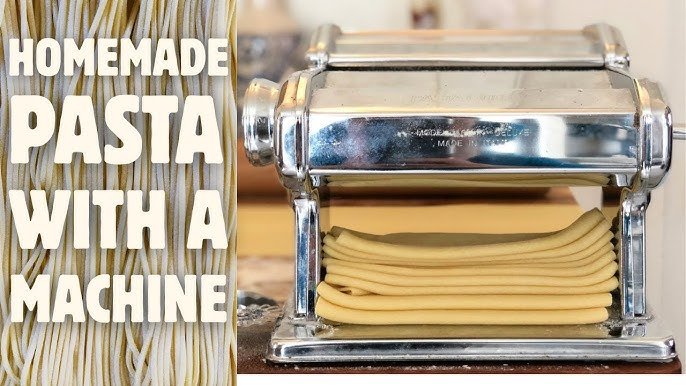
If you love making fresh pasta at home, your pasta cutter is one of your best tools. But have you ever wondered how to keep it working like new?
Taking care of your pasta cutter properly can save you time, money, and frustration. You’ll discover simple, effective ways to maintain your pasta cutter so it stays sharp, clean, and ready for every pasta night. Keep reading—you’re just a few easy steps away from perfect pasta every time.
Credit: www.vevor.ca
Choosing The Right Pasta Cutter
Picking the right pasta cutter helps you make perfect pasta shapes easily. It also saves time and effort in the kitchen.
Different pasta cutters suit different types of pasta and cooking styles. Knowing their features helps you choose well.
Types Of Pasta Cutters
Pasta cutters come in many forms. Each type cuts pasta dough in unique ways for various pasta shapes.
- Wheel cutters:They roll over dough to cut long strips like fettuccine or tagliatelle.
- Blade cutters:These have fixed blades for straight or wavy cuts on dough sheets.
- Stamp cutters:They press shapes like ravioli or farfalle from dough.
- Electric cutters:These machines cut dough quickly and evenly with less effort.
Choose a cutter type based on your pasta style and how often you cook pasta at home.
Materials And Durability
Pasta cutters are made from different materials. Each material affects the cutter’s strength and lifespan.
- Stainless steel:Strong, rust-resistant, and easy to clean. Lasts a long time.
- Plastic:Lightweight and affordable. Best for light use but less durable.
- Wood:Traditional and natural look. Needs careful cleaning to avoid damage.
- Aluminum:Lightweight metal but may wear faster than steel.
Pick a material that fits your budget and how often you plan to use the pasta cutter.
Cleaning Techniques
Keeping your pasta cutter clean helps it last longer and work better. Dirt and dough can build up, making the cutter less effective.
Good cleaning habits stop bacteria from growing and keep your pasta fresh and safe.
Handwashing Vs. Dishwasher
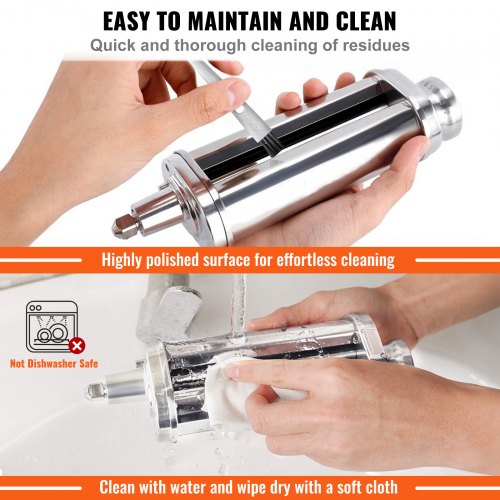
Handwashing is gentle on pasta cutters and removes stuck dough well. Use warm water and mild soap to clean all parts carefully.
Dishwashers may damage some cutters. High heat and strong water pressure can cause rust or dull blades.
- Handwash with soft brush or cloth
- Use warm, soapy water
- Rinse thoroughly
- Dry completely before storing
- Avoid dishwasher unless cutter says it is safe
Removing Residue And Stains
Dry dough and stains can stick to the cutter’s surface. Soak the cutter in warm water to soften the residue.
Use a soft brush or toothpick to remove dough from small spaces. Avoid metal tools that can scratch the cutter.
- Soak cutter in warm water for 10 minutes
- Scrub gently with a soft brush
- Use baking soda paste for tough stains
- Rinse and dry well after cleaning
Proper Storage
Keeping your pasta cutter in good shape needs the right storage. Proper storage stops damage and keeps it clean.
Store your cutter carefully to make it last longer and work well every time.
Avoiding Moisture
Moisture can cause rust and damage your pasta cutter. Always dry it fully after use.
Keep the cutter away from wet areas and avoid storing it in damp places.
- Use a clean towel to dry all parts
- Let it air dry for a few minutes
- Store in a dry room or cupboard
- Do not leave near sinks or dishwashers
Safe Storage Solutions
Choose a safe spot to keep your pasta cutter to avoid damage. Use storage options that protect it well.
Organize your kitchen tools so the cutter does not get bumped or scratched.
- Store in a dedicated box or container
- Use hooks or racks to hang the cutter
- Keep it separate from heavy or sharp tools
- Use a protective cover or cloth wrap

Credit: www.amazon.ca
Sharpening Tools And Methods
Keeping your pasta cutter sharp makes cutting dough easier and cleaner. Dull blades can tear dough and slow down your work.
Using the right tools and following a good sharpening process helps maintain your pasta cutter’s edge.
Selecting The Right Sharpening Tool
Choose a sharpening tool that fits your pasta cutter’s blade size and shape. Different tools work better for different blades.
Common tools include whetstones, diamond sharpeners, and honing rods. Pick one that you feel comfortable using.
- Whetstones:Good for precise sharpening and smooth edges.
- Diamond sharpeners:Fast and effective for hard blades.
- Honing rods:Best for regular maintenance and small touch-ups.
Step-by-step Sharpening Process
Clean your pasta cutter before sharpening. Remove any dough or residue from the blade.
Hold the blade at the right angle to the sharpening tool. Usually, 20 degrees works well for pasta cutters.
- Move the blade gently across the sharpener in one direction.
- Repeat this motion evenly on both sides of the blade.
- Check the blade’s sharpness after a few passes.
- Stop sharpening once the blade feels sharp to touch.
- Clean the blade and dry it well to prevent rust.
Regular Maintenance Routine
Keeping your pasta cutter clean and sharp helps it work well. Regular care stops damage and rust.
Follow simple steps often to keep your tool in top shape. This saves time and money in the long run.
Frequency Of Maintenance
Clean your pasta cutter after every use. This removes flour, dough, and moisture that cause rust.
Sharpen the blades once a month if you use it often. Dull blades make cutting harder and uneven.
- Clean after each use
- Sharpen blades monthly
- Check screws and parts every 3 months
- Store dry and covered
Preventive Care Tips
Dry your pasta cutter well after washing to stop rust. Use a soft cloth for drying all parts.
Apply a small amount of food-safe oil on the blades to keep them smooth. This also prevents rust.
- Use warm soapy water for cleaning
- Avoid soaking in water for long
- Store in a dry place away from moisture
- Tighten loose screws carefully
- Handle blades gently to avoid damage

Credit: mosthungry.com
Common Mistakes To Avoid
Keeping your pasta cutter in good shape helps it last longer. Avoid mistakes that can damage the tool.
Learn about common errors people make when cleaning and sharpening pasta cutters.
Overcleaning Risks
Cleaning your pasta cutter is important, but too much cleaning can cause harm. Using strong chemicals or scrubbing too hard can wear down the cutter’s surface.
Water left on the cutter can cause rust. Avoid soaking the cutter for a long time or using harsh scrubbing pads.
- Use mild soap and warm water only
- Dry the cutter immediately after washing
- Avoid metal brushes or steel wool
- Do not soak the cutter for long periods
Improper Sharpening Techniques
Sharpening your pasta cutter keeps it working well. Using the wrong tools or angles can dull the blade faster.
Sharpen the cutter gently and at the correct angle. Using electric sharpeners or rough stones can damage the blade.
- Use a fine sharpening stone or manual sharpener
- Keep the blade angle consistent while sharpening
- Sharpen only when the blade feels dull
- Do not over-sharpen to avoid blade thinning
Frequently Asked Questions
How Often Should I Clean My Pasta Cutter?
Clean your pasta cutter after every use to prevent dough buildup. Use warm water and mild soap. Dry it thoroughly to avoid rust and maintain sharpness.
What Is The Best Way To Sharpen A Pasta Cutter?
Use a small sharpening stone or professional sharpener. Gently run the blade along the edge. Avoid electric sharpeners to prevent damage.
Can I Put My Pasta Cutter In The Dishwasher?
It’s best to hand wash your pasta cutter. Dishwashers can cause rust and dull the blade. Hand washing preserves its quality and longevity.
How Do I Prevent Rust On My Pasta Cutter?
After washing, dry your pasta cutter completely. Store it in a dry place. Occasionally apply a light coat of food-safe oil to protect the metal.
Conclusion
Keeping your pasta cutter clean and dry extends its life. Sharpen blades regularly for smooth, even cuts. Store the cutter in a dry place to avoid rust. Check for loose parts and tighten them often. Proper care saves money and ensures better pasta every time.
Simple steps make a big difference in your kitchen tools. Enjoy fresh pasta with a well-maintained cutter.