
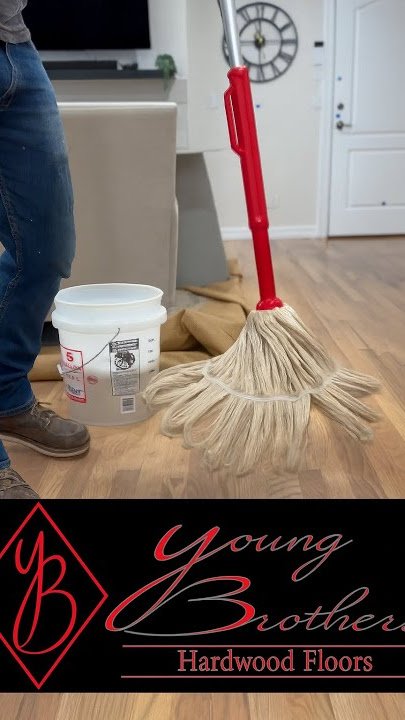
Keeping your mop clean and ready to use is easier than you think. You probably use your mop every week to keep your floors spotless, but do you know the right way to maintain it with detergent?
If you want your mop to last longer and work better every time, this guide is made just for you. Learn simple steps that save you time, prevent bad odors, and keep your home truly fresh. Stick with me, and by the end, your mop will feel like new—making your cleaning routine smoother than ever.

Credit: www.maidforyou.com.au
Choosing The Right Mop For Detergent Use
Using detergent with a mop helps clean floors better. Not all mops work well with detergent. You need to pick the right mop to avoid damage and get good results.
A good mop should hold detergent and water without breaking down. It should also be easy to rinse and dry to stop smells and germs.
Types Of Mops Suitable For Detergent
Some mop types work better with detergent than others. Choose mops that can absorb liquid and clean well without falling apart.
- Microfiber mops: They hold detergent well and clean deeply.
- Strip mops: Made of cotton or synthetic strips, good for heavy-duty cleaning.
- Sponge mops: Absorb detergent but may wear out faster.
- Flat mops: Use cloth pads that can be washed after use with detergent.
Material Considerations
Material affects how well a mop works with detergent. Some materials last longer and clean better without damage.
Look for mop materials that resist chemicals in detergents and dry fast. Avoid materials that absorb too much water and stay wet.
- Microfiber: Durable, holds detergent, and dries quickly.
- Cotton: Absorbs well but can stay wet and smell.
- Synthetic blends: Resist chemicals and dry faster than cotton.
- Sponge: Good for small spills but can break down with strong detergents.

Credit: www.reddit.com
Preparing The Detergent Solution
Keeping your mop clean is important for good hygiene. Using the right detergent solution helps maintain your mop’s effectiveness.
This guide explains how to select the proper detergent and mix it correctly for best results.
Selecting The Proper Detergent
Choose a detergent that matches the type of floor you clean. Some detergents work well on wood, while others suit tile or vinyl.
- Use mild detergents for delicate floors to avoid damage.
- For tough stains, pick stronger detergents but follow safety instructions.
- Avoid bleach unless the detergent label says it is safe for your floor.
- Choose eco-friendly detergents to reduce chemical impact.
Mixing Ratios For Effectiveness
Mixing detergent with water in the right ratio ensures cleaning power without residue. Too much detergent can leave a sticky film.
| Floor Type | Detergent Amount | Water Amount |
| Wood | 1 tablespoon | 1 gallon |
| Tile | 2 tablespoons | 1 gallon |
| Vinyl | 1.5 tablespoons | 1 gallon |
| Laminate | 1 tablespoon | 1 gallon |
Proper Cleaning Techniques
Keeping your mop clean helps it last longer and work better. Using detergent correctly removes dirt and germs from the mop head.
Proper cleaning stops bad smells and stops spreading dirt when you mop again. Let’s look at how to clean your mop right.
Wringing And Rinsing Methods
After mopping, rinse the mop head in clean water with detergent. This removes dirt and cleaning chemicals.
Wring out the mop to remove extra water. This helps the mop dry faster and stops bacteria from growing.
- Use warm water with a small amount of detergent for rinsing
- Rinse the mop several times until water runs clear
- Wring the mop tightly but gently to avoid damage
- Use a mop wringer or squeeze by hand if needed
Avoiding Common Mistakes
Many people do not clean their mop well. This causes bad smells and spreads dirt instead of cleaning.
Do not leave the mop wet or dirty after use. Store it in a dry, ventilated place to keep it fresh.
- Do not use too much detergent; it can leave residue
- Avoid rinsing with only cold water, as it may not clean well
- Do not store the mop on the floor or in a bucket after use
- Replace the mop head when it looks worn or smells bad
Post-cleaning Care
Taking care of your mop after cleaning keeps it effective for longer. Proper care stops germs from growing and keeps your mop fresh.
Focus on rinsing and drying steps to protect your mop fibers and handle. These simple actions help you save money and effort.
Thorough Rinsing Procedures
Rinse your mop well with clean water after using detergent. Removing all soap prevents dirt buildup and odors.
- Use warm water to help break down detergent residues.
- Squeeze the mop head gently to remove excess water and soap.
- Repeat rinsing until the water runs clear and free of suds.
- Do not leave detergent on the mop as it can damage fibers.
- Rinse the handle and attachments if they got wet during cleaning.
Drying Methods For Longevity
Drying your mop properly stops mold and keeps the mop ready for the next use. Air drying is the best method.
| Drying Method | Instructions | Benefits |
| Hang Mop Head | Use a hook or rack to hang the mop with the head down. | Allows water to drip off and air to circulate around fibers. |
| Spread Mop Flat | Lay mop head flat on a clean surface in a ventilated area. | Prevents bending and helps even drying of mop fibers. |
| Avoid Direct Sunlight | Keep mop out of direct sun to stop fiber damage and fading. | Extends the life of the mop fibers and colors. |
| Dry Handle Separately | Wipe down the handle with a dry cloth to prevent rust or decay. | Keeps the mop handle strong and clean. |
Regular Maintenance Tips
Keeping your mop clean and in good shape helps it last longer. Regular care makes cleaning easier and more effective.
Use detergent properly to remove dirt and germs. Follow these tips to maintain your mop well.
Inspecting Mop For Wear And Tear
Look at your mop before and after use. Check for broken threads, frayed edges, and dirt buildup.
- Check the mop head for loose or missing fibers.
- Examine the mop handle for cracks or bends.
- Look for rust or damage on metal parts.
- Inspect the connection between the handle and mop head.
Replacing Parts When Necessary
Replace worn mop parts to keep cleaning efficient and safe. Old parts reduce mop performance.
| Part | Signs It Needs Replacement |
| Mop Head | Frayed, hard to clean, or smells bad |
| Handle | Loose, cracked, or bent |
| Clamp or Connector | Broken or does not hold mop head firmly |
Storing The Mop Correctly
Keeping your mop clean and dry after use helps it last longer. Proper storage stops bad smells and damage.
Learn how to store your mop well to keep it ready for the next cleaning job.
Best Practices For Storage
Store your mop in a dry place with good air flow. Avoid leaving it on the floor or in a damp corner.
- Hang the mop head up to dry completely
- Use a mop holder or hook on the wall
- Keep the mop away from direct sunlight to avoid damage
- Clean the mop after every use with detergent and water
- Replace mop heads regularly to maintain cleaning quality
Avoiding Moisture Retention
Moisture causes mold and bad odors. Remove water from the mop before storing it.
| Action | Reason |
| Wring mop tightly | Reduces water left in fibers |
| Hang to air dry | Allows moisture to evaporate |
| Store in ventilated area | Prevents damp buildup |
| Avoid sealed containers | Stops mold growth |
Eco-friendly Detergent Options
Using eco-friendly detergents helps keep your mop clean without harming the environment. These detergents use natural ingredients that break down safely.
Choosing green detergents also protects your health and keeps your mop in good condition for longer.
Benefits Of Eco-friendly Choices
Eco-friendly detergents reduce pollution in water and air. They do not contain harsh chemicals that can damage surfaces or cause allergies.
These detergents help your mop last longer by preventing fabric wear. They also keep indoor air cleaner by avoiding strong chemical smells.
- Safe for the environment and water life
- Gentle on mop fibers to extend mop life
- Reduce health risks from chemical exposure
- Often biodegradable and non-toxic
Top Brands To Consider
Look for brands that use plant-based ingredients and avoid phosphates or artificial dyes. Many brands label their products as biodegradable or cruelty-free.
- Seventh Generation: Plant-based and biodegradable detergents
- Mrs. Meyer’s Clean Day: Uses essential oils and natural ingredients
- Ecover: Focuses on sustainable formulas and packaging
- Method: Uses non-toxic, biodegradable ingredients
Credit: www.lemon8-app.com
Frequently Asked Questions
How Often Should I Clean A Mop With Detergent?
Clean your mop after every use to avoid bacteria buildup. Use detergent with warm water for effective cleaning. Rinse thoroughly and air dry to maintain hygiene and prolong mop life.
What Type Of Detergent Is Best For Mop Maintenance?
Use a mild, non-toxic detergent to clean your mop. Avoid bleach or harsh chemicals as they damage mop fibers. A gentle detergent ensures effective cleaning without harming the mop or surfaces.
Can Detergent Improve Mop Cleaning Efficiency?
Yes, detergent breaks down dirt and grime efficiently. It helps lift stains and removes bacteria from mop fibers. Using detergent regularly enhances mop cleanliness and maintains floor hygiene.
How Do I Properly Rinse A Mop After Using Detergent?
Rinse the mop thoroughly with clean water to remove detergent residue. Ensure no soap remains, as leftover detergent can attract dirt. Proper rinsing helps keep the mop fresh and effective.
Conclusion
Cleaning your mop with detergent keeps it fresh and ready to use. Regular washing removes dirt and germs from the mop fibers. Dry it well to stop mold and bad smells. Store the mop in a dry place to keep it clean longer.
Taking these small steps helps your mop last longer and clean better. A clean mop means a cleaner home with less effort. Keep these tips in mind for easy mop care every time. Simple habits make a big difference in maintaining your mop.