
Your mop handle might seem like a simple tool, but keeping it in good shape can save you time and effort every time you clean. If you’ve ever dealt with a loose, broken, or rusty mop handle, you know how frustrating it can be.
Imagine effortlessly gliding across your floors with a sturdy, well-maintained mop handle that feels just right in your hands. You’ll discover easy and effective tips to maintain your mop handle, so it lasts longer and works better. Keep reading, and say goodbye to annoying cleaning interruptions for good.
Credit: www.casabella.com
Choosing The Right Material
Selecting the right material for a mop handle helps it last longer. It also makes cleaning easier and safer.
Different materials have unique benefits. Knowing these helps you pick the best mop handle for your needs.
Wood
Wood handles feel strong and natural in your hands. They offer good grip and control while mopping.
Wood can absorb water and may swell or crack over time. Regular drying helps keep it in good shape.
Aluminum
Aluminum handles are lightweight and do not rust. They are easy to carry and move around quickly.
They can bend under heavy pressure but resist water damage well. This makes them good for wet areas.
Plastic
Plastic mop handles are light and affordable. They do not absorb water and resist stains.
They may break or crack under rough use. Choose thick plastic for better durability.
Fiberglass
Fiberglass handles are strong and do not rust or rot. They stay lightweight and sturdy for a long time.
This material resists chemicals and water damage well. It is good for heavy-duty cleaning jobs.

Credit: arrowcounty.com
Regular Cleaning Routine
Keeping your mop handle clean helps it last longer. Dirt and grime can damage the handle over time.
A regular cleaning routine keeps your mop handle in good shape. It also helps prevent germs from spreading.
Simple Wipe Down Techniques
Wiping your mop handle after each use removes dirt and moisture. Use a dry cloth to clean the handle well.
For sticky spots, a damp cloth works better. Make sure to dry the handle fully to stop rust or damage.
- Use a soft cloth or microfiber towel
- Wipe from top to bottom
- Dry the handle completely after wiping
Using Cleaning Solutions
Cleaning solutions can remove tough grime from mop handles. Choose mild solutions to protect the handle.
Dilute the cleaner with water before use. Avoid harsh chemicals that can damage the handle’s surface.
- Mix gentle soap with warm water
- Use a soft cloth dipped in the solution
- Wipe the entire handle carefully
- Rinse with clean water if needed
- Dry the handle fully after cleaning
Proper Storage Practices
Keeping your mop handle in good shape starts with how you store it. Proper storage helps prevent damage and extends its life.
Storing mop handles correctly also keeps your cleaning area tidy and safe. Let’s look at the best ways to do this.
Avoiding Moist Environments
Moisture can cause wood mop handles to warp and metal ones to rust. It is important to keep mop handles dry.
Store mop handles in places with good air flow and low humidity. Avoid basements or damp closets.
- Choose dry storage areas
- Keep mop handles away from water sources
- Use fans or dehumidifiers if needed
Hanging Vs. Standing Storage
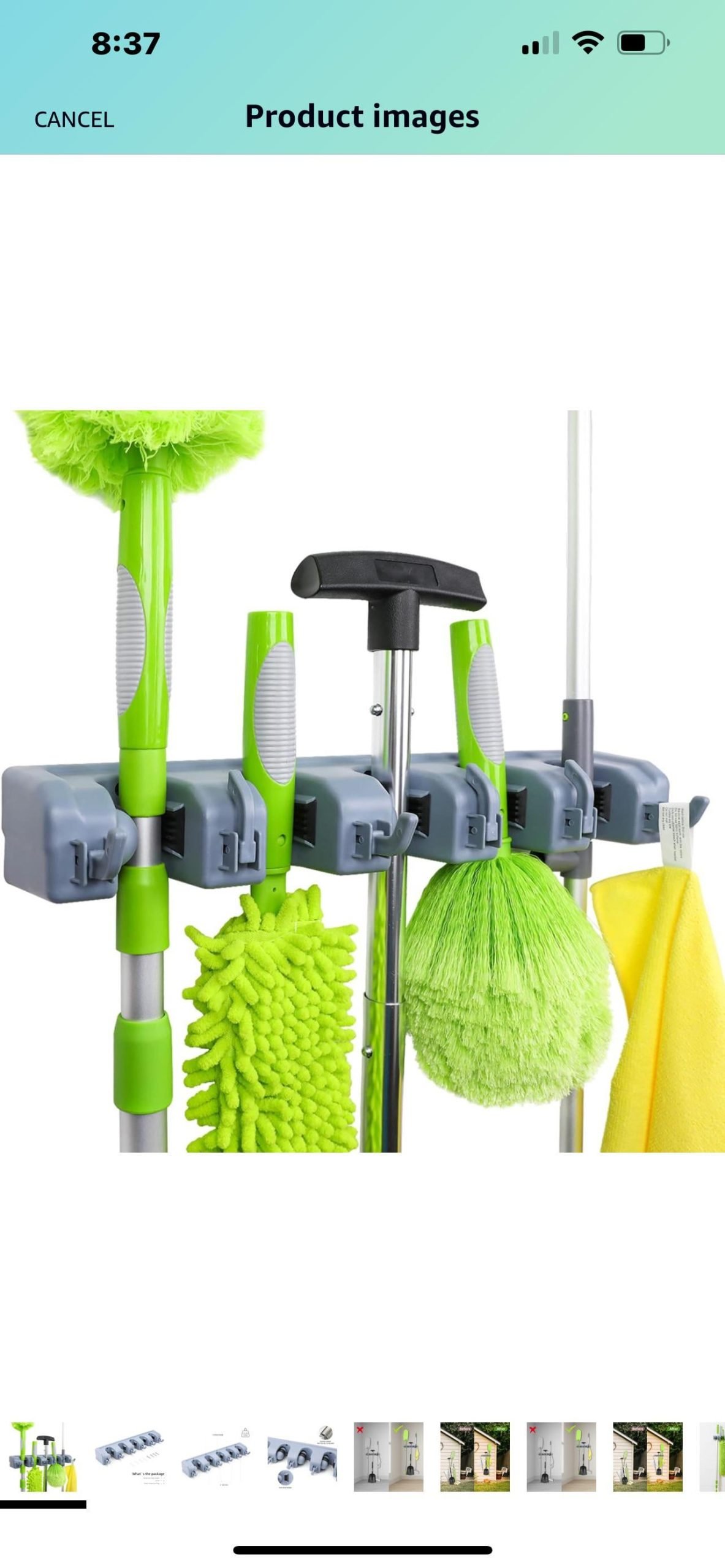
Hanging mop handles is better than standing them upright. Hanging keeps the handle straight and dry.
Standing mop handles can cause the ends to wear out. They may also collect dirt on the floor side.
- Hang mop handles on hooks or racks
- Keep handles off the ground to avoid dirt and moisture
- Use standing storage only if space is limited
Inspecting For Damage
Checking your mop handle for damage is important for safety and cleaning efficiency. Regular inspection helps catch problems early.
Look closely at the handle before use. Small issues can lead to bigger problems later.
Identifying Cracks And Splits
Cracks and splits weaken the mop handle. They can cause the handle to break during use.
Check the whole length of the handle. Pay special attention to areas near joints or where you hold it.
- Look for thin lines or breaks in the wood or plastic
- Run your fingers along the handle to feel for rough spots
- Test if the handle feels loose or unstable
Checking For Rust Or Corrosion
Metal parts of the mop handle can rust or corrode. This weakens the handle and can cause injury.
Look closely at metal connectors, screws, and any exposed metal areas.
- Check for orange or brown spots on metal parts
- Look for flaking or peeling metal surfaces
- Make sure metal parts move smoothly without stiffness
Repair And Maintenance Tips
Keeping your mop handle in good shape helps it last longer. Regular care avoids bigger problems later.
Follow simple repair and maintenance steps to keep your mop handle strong and safe to use.
Tightening Loose Parts
Loose parts on a mop handle can make cleaning hard and unsafe. Check screws and joints often.
- Use a screwdriver to tighten any loose screws
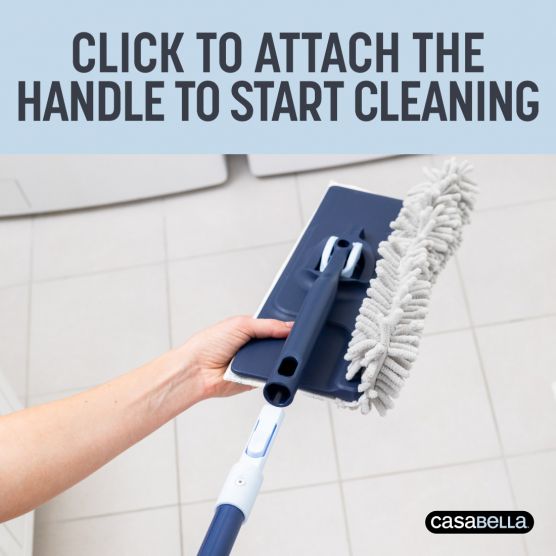
- Check the connection between the handle and mop head
- Tighten any bolts or clamps that hold parts together
- Test the handle for wobbling after tightening
- Repeat this process every few weeks to keep parts secure
Replacing Worn Out Components
Parts wear out with use. Replace broken or damaged pieces to keep your mop working well.
| Component | Signs of Wear | Replacement Tips |
| Mop Head Connector | Cracks or loose fit | Buy a matching connector and snap it on firmly |
| Handle Grip | Cracks or peeling | Replace with a grip cover or new handle section |
| Screws and Bolts | Rust or stripped threads | Use rust-resistant screws of the same size |
Extending Mop Handle Life
Caring for your mop handle helps it last longer. Proper maintenance saves money and effort.
Simple habits can protect the handle from damage and wear. Use the right tools and techniques.
Using Protective Covers
Protective covers shield mop handles from moisture and dirt. Covers reduce wear and tear.
- Choose covers made from waterproof materials
- Fit covers tightly to prevent slipping
- Clean covers regularly to avoid grime buildup
- Replace covers if they show signs of damage
Rotating Use Among Multiple Mops
Using several mops in rotation spreads out wear. This practice helps each mop handle rest and dry.
| Benefit | Explanation |
| Less Wear | Each mop handle gets less frequent use |
| Better Drying | Handles dry fully before next use |
| Longer Life | Reduced risk of cracking and rust |

Credit: www.reddit.com
Frequently Asked Questions
How Often Should I Clean My Mop Handle?
Clean your mop handle after every use. Wipe it with a damp cloth and mild detergent to prevent dirt buildup and bacteria.
What Materials Are Best For Durable Mop Handles?
Aluminum and stainless steel are the best materials. They resist rust, are lightweight, and last longer with proper care.
How Do I Prevent My Mop Handle From Rusting?
Keep the mop handle dry and store it in a well-ventilated area. Apply a light coat of oil to metal handles regularly.
Can I Repair A Broken Mop Handle?
Yes, minor cracks can be fixed with epoxy glue. For severe damage, replacing the handle is more effective and safer.
Conclusion
Maintaining a mop handle keeps it strong and lasts longer. Clean it after each use and dry it well. Tighten loose parts to avoid accidents. Store the mop in a dry place to stop rust. Simple care saves money and time.
A well-kept mop handle makes cleaning easier every day. Small steps make a big difference in your cleaning tools. Keep your mop handle ready for the next job.