
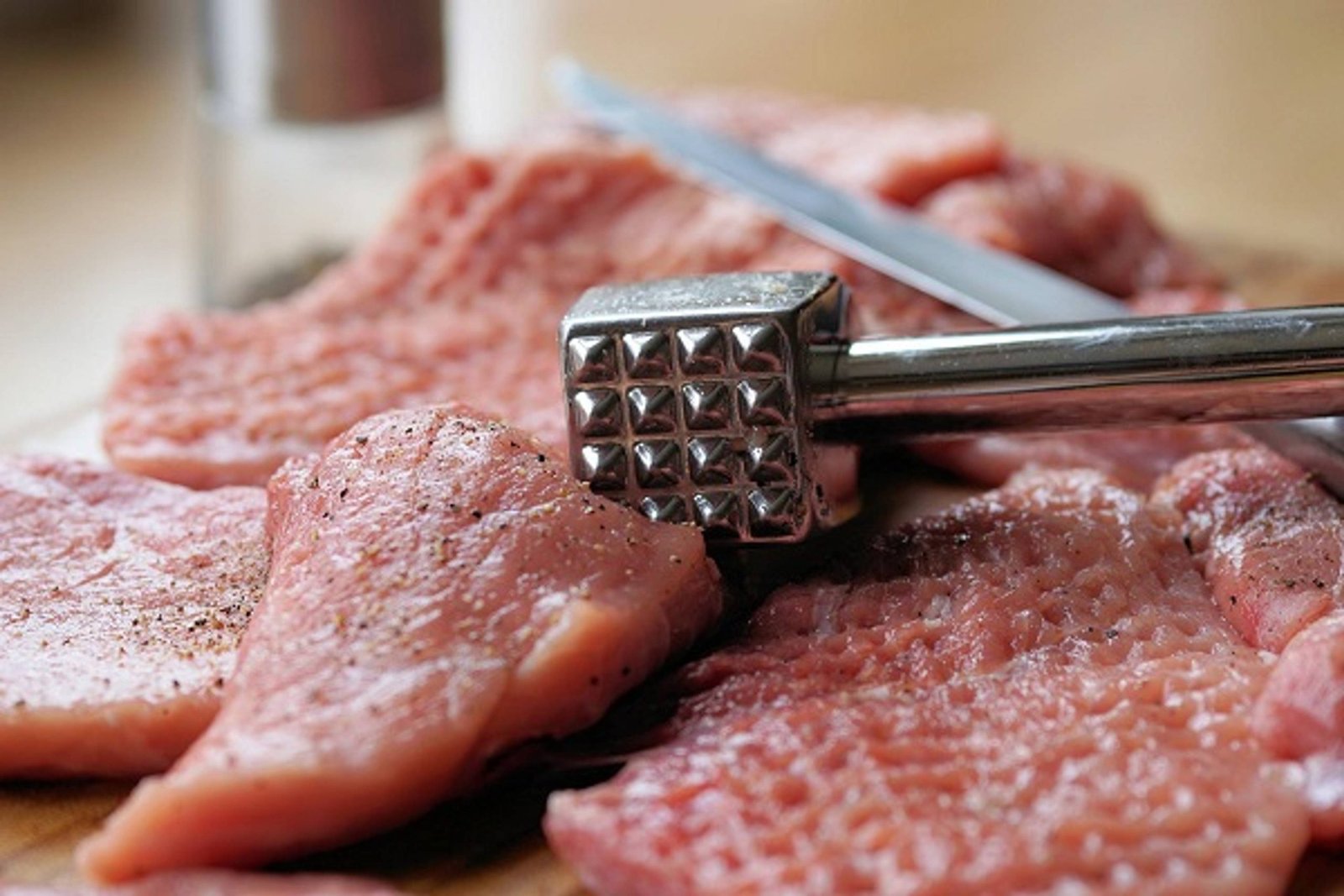
If you love cooking juicy, tender meat, your meat tenderizer is your best friend. But have you ever stopped to think about how to keep it working like new?
Taking care of your meat tenderizer isn’t hard, and doing it right can save you time, money, and frustration in the kitchen. You’ll discover simple tips and tricks to maintain your meat tenderizer so it stays sharp, clean, and ready to use whenever you need it.
Keep reading, and you’ll never have to deal with tough, chewy meat again!
Credit: www.walmart.com
Choosing The Right Tenderizer
Selecting the right meat tenderizer is important for good cooking results. The right tool can make meat softer and easier to cook.
There are different types of tenderizers. Each works best for certain kinds of meat and recipes.
Manual Vs. Mechanical Tenderizers
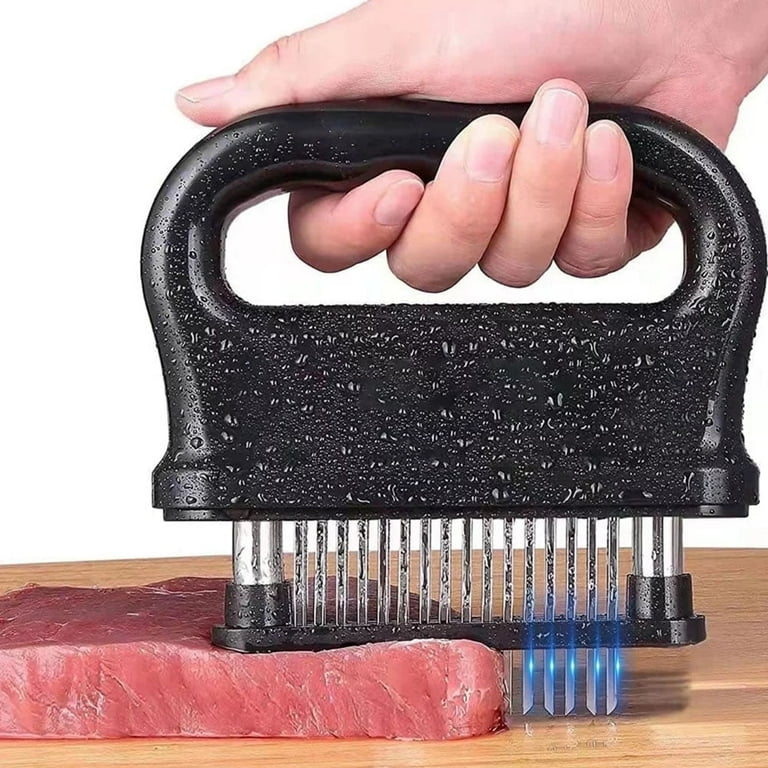
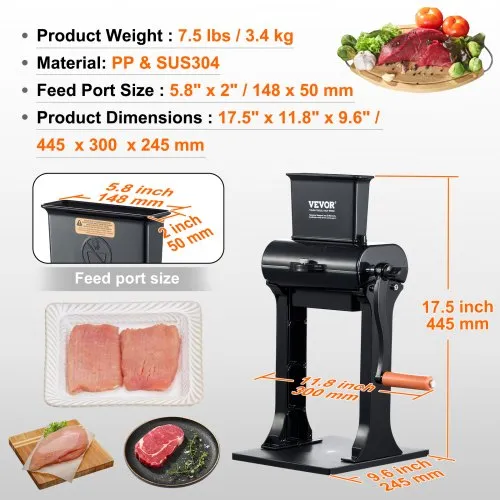
Manual tenderizers need you to apply force by hand. Mechanical ones use motors to do the work for you.
- Manual tenderizers are simple and easy to clean.
- Mechanical tenderizers save time and effort.
- Manual tools are usually cheaper.
- Mechanical tools are better for large amounts of meat.
Material And Durability
Pick a tenderizer made of strong materials. Stainless steel and heavy-duty plastic are good options.
| Material | Pros | Cons |
| Stainless Steel | Durable, rust-resistant | Heavier |
| Plastic | Lightweight, affordable | Less durable |
| Wood | Traditional look, natural | Can absorb odors |
Type Of Meat To Tenderize
Consider what meat you often cook. Some tenderizers work better on beef, others on poultry or pork.
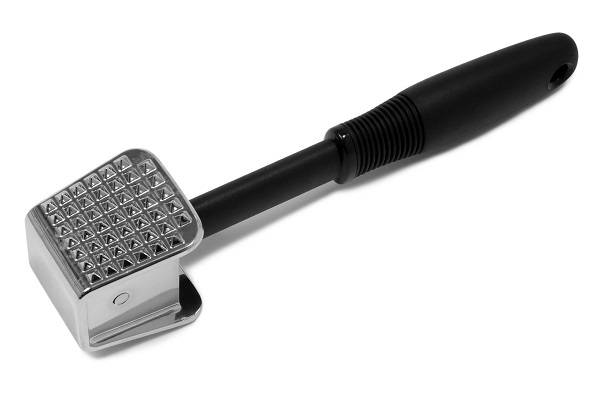
For example, a mallet works well on steaks. Needle tenderizers are good for tougher cuts.
Ease Of Cleaning
Choose a tenderizer that is easy to clean. This helps keep it safe and ready to use.
Tips for cleaning your tenderizer:
- Wash right after use to avoid dried meat.
- Use warm, soapy water for manual tools.
- Check if parts are dishwasher safe.
- Dry completely before storing.
Credit: www.hellofresh.com
Cleaning After Each Use
Cleaning your meat tenderizer after every use keeps it safe and ready. Dirt and food bits can cause bad smells and germs.
Follow simple steps to clean your tool well. This helps it last longer and stay useful.
Safe Cleaning Materials
Use soft brushes or sponges to clean your meat tenderizer. These materials remove food without scratching the surface.
- Warm water
- Mild dish soap
- Soft sponge or brush
- Clean towel or cloth
Avoiding Harsh Chemicals
Harsh chemicals can damage your meat tenderizer. They may cause rust or wear out the metal.
| Chemical | Effect on Tenderizer |
| Bleach | Causes rust and weakens metal |
| Ammonia | Can corrode metal parts |
| Strong detergents | May remove protective coating |
| Oven cleaner | Harsh and unsafe for kitchen tools |
Proper Storage Techniques
Keeping your meat tenderizer in good shape needs the right storage. Storing it properly helps it last longer and stay clean.
Learn simple ways to store your meat tenderizer safely after use. This keeps it ready for your next cooking task.
Drying Before Storage
Always dry your meat tenderizer well after washing. Moisture can cause rust and damage the metal parts.
Use a clean towel to wipe it dry. Let it air dry completely if possible before putting it away.
- Wipe off all water spots
- Check between blades or teeth for moisture
- Allow air drying to avoid rust
Storing In A Safe Place
Keep your meat tenderizer in a dry, safe spot. Avoid places with high humidity or direct sunlight.
Store it where it won’t fall or get damaged. Use a drawer or a hanging rack for easy access and protection.
- Choose a dry kitchen drawer or cabinet
- Use hooks or racks to keep it off surfaces
- Keep it away from sharp objects to avoid damage
Regular Inspection
Regular inspection helps keep your meat tenderizer in good shape. Checking it often stops problems early.
Look closely at your tool each time before use. This keeps it safe and working well.
Checking For Wear And Tear
Wear and tear means parts of the tenderizer may get weak or broken. Check the handle and head for cracks or loose parts.
Look at the spikes or flat surfaces for dents or bends. These signs show the tenderizer needs repair or replacement.
- Check the handle for cracks or looseness
- Inspect the tenderizing surface for dents or bends
- Make sure all parts are tight and secure
Identifying Rust Or Corrosion
Rust or corrosion can make your meat tenderizer unsafe and less effective. Check metal parts for orange or brown spots.
If you find rust, clean it quickly with a brush and dry the tool well. Avoid storing it in damp places to stop rust from forming.
- Look for orange or brown spots on metal parts
- Use a brush to remove any rust found
- Keep the tool dry after cleaning
- Store in a dry place to prevent rust
Routine Maintenance Practices
Keeping your meat tenderizer in good condition helps it work well longer. Routine care stops damage and keeps parts moving smoothly.
Two important tasks are sharpening the blades and lubricating moving parts. Both need regular attention for the best results.
Sharpening Blades
Dull blades make tenderizing harder and less effective. Sharpen blades to keep them cutting cleanly and safely.
- Remove the blades carefully before sharpening.
- Use a sharpening stone or a specialized blade sharpener.
- Maintain the original blade angle during sharpening.
- Clean the blades after sharpening to remove metal dust.
- Dry the blades completely to avoid rust.
- Reinstall blades securely before use.
Lubricating Moving Parts
Lubrication reduces friction and wear. It helps the tenderizer parts move smoothly and last longer.
| Part | Recommended Lubricant | Frequency |
| Hinges | Food-safe silicone spray | Monthly |
| Springs | Light machine oil | Monthly |
| Rotating joints | Vegetable oil or food-grade grease | Every 2 months |
Handling With Care
Taking care of your meat tenderizer helps it last longer. Proper handling keeps it safe and effective.
Learn how to use the tenderizer correctly and avoid damage from dropping or mishandling.
Using The Tenderizer Correctly
Use the tenderizer gently to avoid breaking the tool or hurting yourself. Always press down evenly on the meat.
- Hold the handle firmly to control the tool
- Do not hit too hard; apply steady pressure
- Use a clean, flat surface to work on
- Keep the tenderizer sharp for better results
- Clean the tenderizer after every use to prevent rust
Avoiding Dropping Or Mishandling
Dropping the tenderizer can cause dents or cracks. Handle it carefully and store it safely to prevent damage.
| Common Mishandling | Effect on Tenderizer | How to Prevent |
| Dropping on hard floor | May cause cracks or dents | Store in a padded drawer or holder |
| Using excessive force | Can break handle or metal parts | Use steady, controlled pressure |
| Leaving in wet area | Leads to rust and corrosion | Dry thoroughly before storage |
When To Replace Your Tenderizer
Meat tenderizers need care to work well. Over time, they can wear out. Knowing when to replace your tenderizer keeps your cooking easy and safe.
This guide shows the signs that tell you it is time to get a new tenderizer. It also helps you pick the right one.
Signs Of Replacement
Look for these signs to know if your tenderizer needs replacing. These issues can affect how well it works and your safety.
- The blades or teeth are dull or broken.
- The handle is loose or cracked.
- Rust or corrosion is visible on metal parts.
- The tenderizer is hard to clean or has trapped food.
- It feels heavy or unbalanced when you use it.
Choosing A New Tenderizer
Pick a tenderizer that fits your cooking style and is easy to use. Look for good quality and safe materials.
| Feature | What to Look For | Why It Matters |
| Material | Stainless steel or food-grade plastic | Durable and rust-resistant |
| Handle | Non-slip and comfortable grip | Safe and easy to hold |
| Blades/Teeth | Sharp and replaceable if possible | Effective tenderizing and long life |
| Size | Fits your hand and kitchen space | Comfort and storage convenience |
Credit: www.vevor.com
Frequently Asked Questions
How Often Should I Clean My Meat Tenderizer?
Clean your meat tenderizer after every use. This prevents bacteria buildup and maintains hygiene. Use warm, soapy water and a brush to remove stuck meat particles. Dry thoroughly to avoid rust and keep it in a dry place.
Can I Put My Meat Tenderizer In The Dishwasher?
Most metal meat tenderizers are dishwasher safe. However, check manufacturer instructions first. Hand washing is preferred to maintain sharpness and avoid corrosion. Always dry immediately after washing to prevent rust and prolong tool life.
What Is The Best Way To Store A Meat Tenderizer?
Store your meat tenderizer in a dry, clean place. Use a protective cover or wrap it in a cloth. Avoid humid environments to prevent rust. Proper storage ensures the tool stays sharp and lasts longer.
How Do I Sharpen A Meat Tenderizer?
Use a fine metal file or sharpening stone to sharpen your tenderizer’s blades or spikes. Work gently to maintain the tool’s shape. Regular sharpening improves performance and makes meat tenderizing easier and more effective.
Conclusion
Keeping your meat tenderizer clean and dry helps it last longer. Regular washing removes food bits and stops rust. Store it in a dry place to avoid damage. Sharpen blades carefully if your tenderizer has them. Small steps make a big difference in tool care.
A well-maintained tenderizer works better every time. Use these tips to keep your kitchen tool ready. Simple care saves money and effort in the long run. Enjoy tender, tasty meat with a tool that stays in top shape.