
If you want your meals to turn out perfectly every time, your kitchen thermometer is one of your best tools. But just having one isn’t enough—you need to keep it in top shape to get accurate readings.
Imagine cutting into a juicy roast only to find it’s undercooked, or worse, unsafe to eat. That’s where proper maintenance comes in. In this guide, you’ll learn simple and effective ways to care for your kitchen thermometer so it always works like new.
Keep reading to make sure your cooking is safe, precise, and delicious every time.
Choosing The Right Thermometer
A kitchen thermometer helps you cook food safely and correctly. Picking the right one is key to good results.
Different thermometers work best for different cooking tasks. Knowing their types helps you choose well.
Digital Instant-read Thermometers
These thermometers show the temperature quickly on a digital screen. They are easy to use and read.
They work well for checking meat temperatures during cooking. You can insert them into the food and get a fast reading.
Dial Oven-safe Thermometers
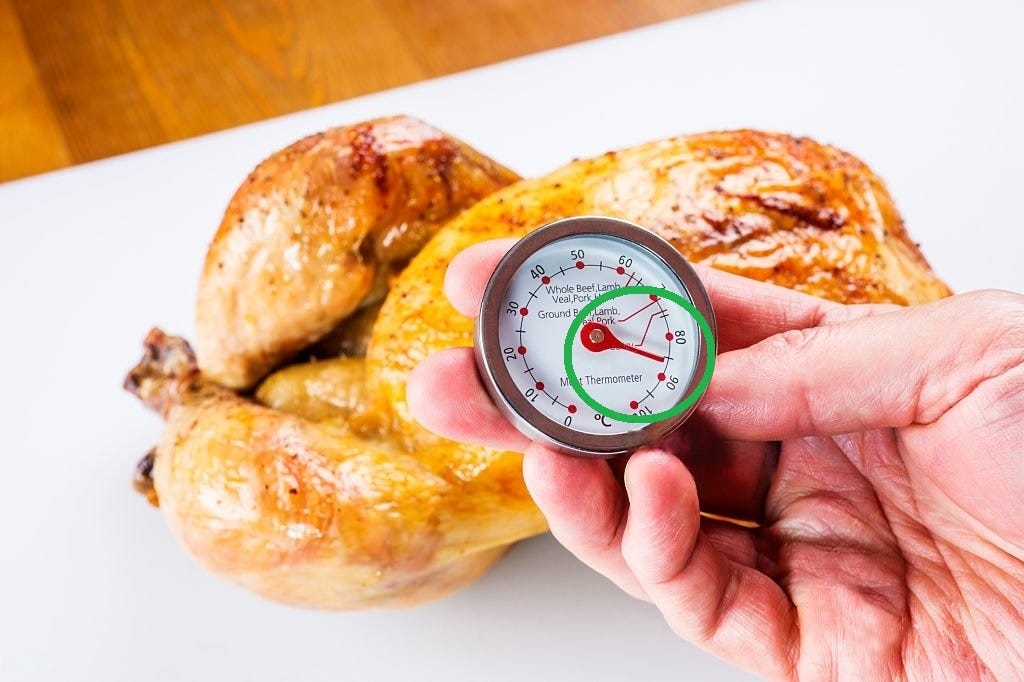
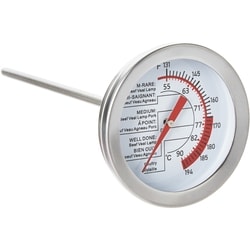
These thermometers stay in the food while cooking in the oven. They have a dial that shows the temperature.
They are good for roasting meats and baking bread. They let you watch the temperature rise without opening the oven.
Probe Thermometers With Alarms
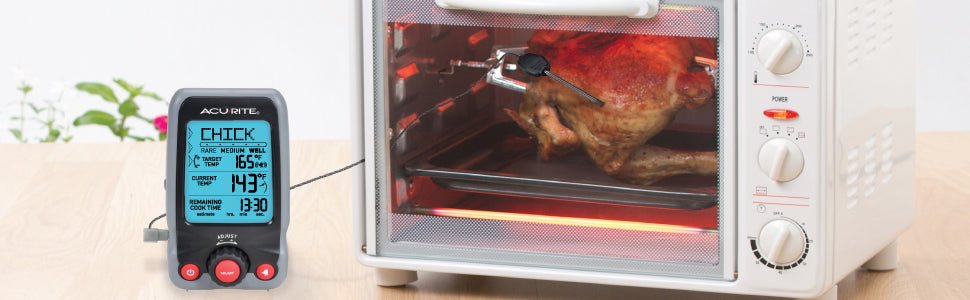
Probe thermometers have a metal probe and a wire that connects to a digital display outside the oven. They often have alarms.
You can set a temperature and the alarm will sound when the food is done. This helps prevent overcooking or undercooking.
Thermocouple Thermometers
Thermocouple thermometers give very fast and accurate readings. They use sensors to measure temperature at the tip.
These are useful for professional cooking or when you need precise results. They can cost more but work well for many foods.
Choosing Based On Use And Budget
Think about how you cook and how much you want to spend. Different thermometers fit different needs and budgets.
- For quick checks, use digital instant-read thermometers
- If you bake or roast often, try oven-safe dial thermometers
- For hands-off cooking, probe thermometers with alarms work well
- For precise, fast readings, thermocouple thermometers are best
Credit: medium.com
Regular Calibration
Keeping your kitchen thermometer accurate is important for safe cooking. Regular calibration helps ensure the temperature readings are correct.
Calibration adjusts the thermometer to match a known temperature. This process keeps your food safe and prevents undercooking or overcooking.
Methods For Calibration
You can calibrate your kitchen thermometer using simple methods. Two common ways are the ice water test and the boiling water test.
The ice water test checks if the thermometer reads 32°F (0°C). The boiling water test checks if it reads 212°F (100°C) at sea level.
- Fill a glass with ice and water. Stir well.
- Insert the thermometer probe into the ice water without touching the glass.
- Wait 30 seconds and check the reading.
- If the reading is not 32°F (0°C), adjust the thermometer if possible.
- For boiling water, boil clean water.
- Insert the probe into boiling water without touching the pot sides.
- Check if the thermometer reads 212°F (100°C) or adjust as needed.
Frequency Of Calibration
Check your kitchen thermometer’s accuracy often. Frequent calibration keeps readings reliable.
Calibrate before big cooking projects or if you drop the thermometer. Also, check it if the readings seem off.
- Calibrate before first use
- Check every few weeks with regular use
- Calibrate after any impact or damage
- Check if temperature readings change suddenly
Proper Cleaning Techniques
Keeping your kitchen thermometer clean helps it work well and last longer. Dirt and food particles can affect its accuracy.
Regular cleaning also prevents bacteria from spreading in your kitchen. Use safe and simple methods to clean your thermometer.
Cleaning After Use
Clean the thermometer right after you use it. Wipe off any food or liquids with a soft cloth or paper towel.
Use warm water and mild soap to wash the probe. Avoid soaking the entire thermometer in water to protect its electronics.
- Use a soft cloth or sponge
- Wash only the metal probe
- Dry with a clean towel
- Do not immerse the whole device
Deep Cleaning Procedures
Perform deep cleaning once a week or if the thermometer is very dirty. Use a disinfectant safe for kitchen tools.
Sanitize the probe to kill bacteria. Use a cotton swab dipped in rubbing alcohol to clean hard-to-reach areas.
- Apply rubbing alcohol on the probe
- Clean crevices and joints carefully
- Let it air dry completely
- Store in a clean, dry place
Safe Storage Practices
Keeping your kitchen thermometer safe helps it last longer. Proper storage stops damage and keeps it clean.
Storing your thermometer correctly also makes it easy to find when you need it. Use simple tips to protect it.
Avoiding Moisture Damage
Moisture can harm your kitchen thermometer’s parts. It can cause rust or make it stop working well.
Keep the thermometer dry after cleaning. Wipe it with a soft cloth before storing it.
- Store in a dry place away from sinks or steam
- Do not leave it wet after washing
- Use silica gel packs to absorb moisture in storage areas
Protective Cases And Holders
Use a case or holder to protect your thermometer from drops and scratches. It keeps the tool safe during storage.
Many thermometers come with a case. If yours does not, buy a small plastic or silicone cover to keep it safe.
- Choose a hard case to protect from impact
- Use holders to keep it upright and easy to grab
- Label the case for quick identification
Handling With Care
Keeping your kitchen thermometer safe helps it last longer. Handle it gently to avoid damage.
Proper care ensures accurate temperature readings every time you cook.
Avoiding Physical Damage
Do not drop or hit your kitchen thermometer. Physical shocks can break its sensor.
Keep it away from sharp objects and heavy pots. Store it in a safe place after use.
- Use a protective case if available
- Do not bend or twist the probe
- Clean gently with a soft cloth only
- Avoid exposure to water if not waterproof
Battery Replacement Tips
Replace the battery when the thermometer shows low power or stops working. Use the correct battery type.
Remove the battery if you will not use the thermometer for a long time. This prevents battery leaks.
- Open the battery compartment carefully
- Insert the new battery with correct polarity
- Close the compartment tightly to keep moisture out
- Test the thermometer after battery change

Credit: www.numberanalytics.com
Troubleshooting Common Issues
Kitchen thermometers help cook food safely and correctly. Sometimes, they show wrong temperatures or do not work well.
This guide explains how to fix common problems with kitchen thermometers. It helps you keep your thermometer reliable.
Inaccurate Readings
Thermometers may give wrong numbers if they are dirty or damaged. Check the sensor for dirt or food particles.
Calibration problems also cause wrong readings. You can test with ice water or boiling water to check accuracy.
- Clean the sensor with warm soapy water and dry it well.
- Do the ice water test: temperature should read 32°F (0°C).
- Do the boiling water test: temperature should read 212°F (100°C) at sea level.
- Recalibrate if the readings are off by using instructions from the manual.
- Replace the battery if readings jump or do not stabilize.
Display Malfunctions
The thermometer screen may be hard to read or show strange symbols. This can happen from low battery or screen damage.
Resetting the thermometer can fix small display errors. If the screen is cracked or pixels are dead, it may need replacement.
- Replace the battery with a fresh one to improve screen brightness.
- Reset the device by turning it off and on or following the manual’s reset steps.
- Keep the thermometer away from water to avoid screen damage.
- Store the thermometer in a dry place to protect the display.
- Contact manufacturer support if the display does not work after these steps.
When To Replace Your Thermometer
Your kitchen thermometer helps you cook food safely. It also keeps track of temperatures accurately.
Knowing when to replace your thermometer is important for food safety and cooking results.
Signs Of Wear And Tear
Thermometers can get damaged from daily use. Look for cracks or broken parts on the device.
If the display is hard to read or the probe is bent, it may give wrong readings.
- The thermometer does not turn on or work properly
- Readings jump around or show inconsistent temperatures
- The probe has visible damage or corrosion
- Buttons or controls stop responding
- The display screen is cracked or faded
Latest Technology Options
New thermometers use modern technology for better accuracy. Some connect to your smartphone.
These options can alert you when food reaches the right temperature without checking manually.
- Digital thermometers with fast response time
- Wireless thermometers with smartphone apps
- Thermometers with large, easy-to-read displays
- Waterproof and dishwasher-safe designs
- Thermometers with preset temperature settings
Credit: www.yourindependentgrocer.ca
Frequently Asked Questions
How Often Should I Calibrate My Kitchen Thermometer?
Calibrate your kitchen thermometer every 6 months for accurate readings. Use ice water or boiling water methods for calibration. Regular calibration ensures precise temperature measurements and safe cooking.
What Is The Best Way To Clean A Kitchen Thermometer?
Clean your kitchen thermometer with warm, soapy water and a soft cloth. Avoid immersing the entire thermometer if it’s not waterproof. Proper cleaning prevents contamination and keeps the thermometer functioning well.
How Do I Store A Kitchen Thermometer Properly?
Store your kitchen thermometer in a dry, cool place away from direct sunlight. Use a protective case if available to prevent damage. Proper storage extends the thermometer’s lifespan and maintains accuracy.
Can I Use A Kitchen Thermometer In The Oven?
Yes, many kitchen thermometers are oven-safe. Check the manufacturer’s guidelines before use. Oven-safe thermometers help monitor food temperature accurately during cooking for best results.
Conclusion
Keeping your kitchen thermometer clean and safe is key. Check its accuracy often to cook food properly. Store it in a dry, cool place to avoid damage. Handle it gently to make it last longer. Regular care helps you trust your cooking results every time.
Simple steps can save you money and stress. Cooking becomes easier and safer with a well-maintained thermometer. Remember, a little effort keeps your kitchen tool ready for use.