
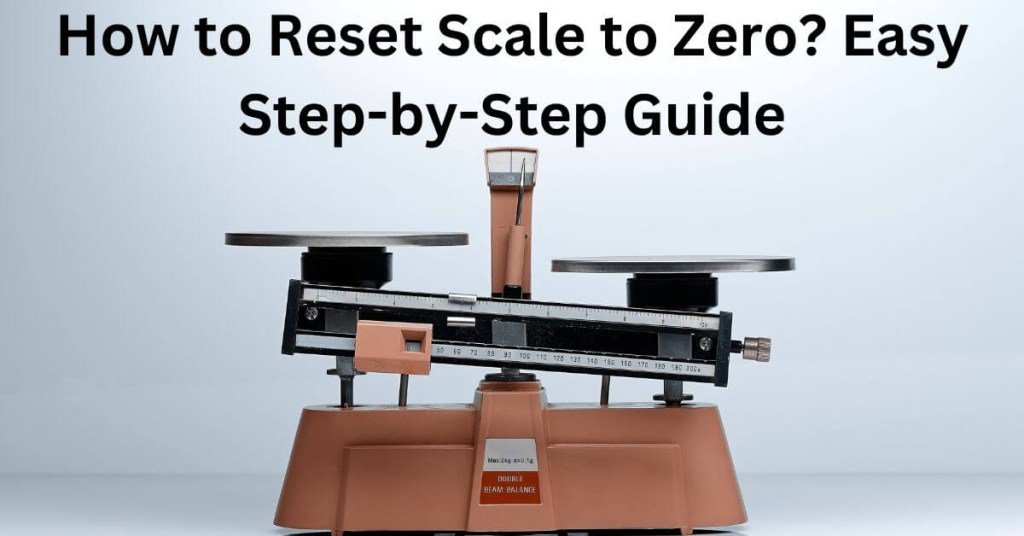
Your kitchen scale is more than just a tool—it’s the secret to perfect recipes and consistent results every time you cook or bake. But have you ever stopped to think about how to keep it working accurately and smoothly?
If you want your scale to stay reliable and last for years, knowing how to maintain it properly is key. You’ll discover simple, practical tips that anyone can follow to keep your kitchen scale in top shape. Keep reading, and you’ll never have to worry about inaccurate measurements or a faulty scale again.
Choosing The Right Kitchen Scale
A kitchen scale helps you measure ingredients with accuracy. Picking the right scale makes cooking and baking easier.
Consider the size, type, and features before buying a kitchen scale. These choices affect how well the scale fits your needs.
Types Of Kitchen Scales
There are two main types: digital and mechanical. Digital scales show weight on a screen. Mechanical scales use a dial and spring.
Digital scales are more precise and easy to read. Mechanical scales do not need batteries and are simple to use.
- Digital scales offer grams and ounces
- Mechanical scales are durable and battery-free
- Choose based on your preference and use
Weight Capacity And Accuracy
Check the scale’s maximum weight limit. It should handle your heaviest ingredients easily.
Accuracy is key for recipes. Look for scales with small weight increments for better results.
- Maximum weight varies from 5 to 20 pounds
- Accuracy increments can be as low as 1 gram
- Choose a scale that matches your cooking style
Size And Design
Pick a scale that fits your kitchen space. Some scales are compact, while others have large platforms.
The design should be easy to clean. Smooth surfaces and removable trays help keep the scale neat.
- Compact scales save counter space
- Large platforms support big bowls
- Choose easy-to-clean materials like stainless steel
Additional Features
Some scales offer extra features like tare functions or unit conversion. These features can save time.
Check if the scale has an automatic shut-off to save battery life. A clear display is also helpful.
- Tare function lets you subtract container weight
- Unit conversion switches between grams and ounces
- Backlit displays improve visibility
Regular Cleaning Practices
Keeping your kitchen scale clean helps it work well for a long time. Dirt and spills can affect its accuracy.
Regular cleaning removes food particles and prevents damage. It also keeps your scale safe to use.
Cleaning After Every Use
Clean your kitchen scale right after using it. This stops food from drying and sticking to the surface.
Wipe the scale with a soft, damp cloth to remove crumbs and spills. Avoid pressing hard on buttons or the screen.
- Turn off the scale before cleaning
- Use a damp cloth to wipe the surface
- Remove crumbs from the weighing platform
- Dry the scale with a soft, dry cloth
- Do not submerge the scale in water
Using Safe Cleaning Materials
Use gentle cleaning materials to avoid damaging your scale. Harsh chemicals can harm the surface and sensors.
Mild soap and water work well for cleaning. Avoid abrasive sponges or strong cleaners that can scratch or corrode parts.
- Mild dish soap mixed with water
- Soft microfiber or cotton cloth
- Avoid bleach and ammonia-based cleaners
- Never use steel wool or rough scrubbers
- Use cotton swabs for small crevices
Proper Calibration Techniques
Keeping your kitchen scale accurate is very important. Proper calibration helps ensure correct measurements.
Calibration means adjusting the scale to show the right weight. It helps keep your cooking precise.
Using Calibration Weights
Calibration weights are special objects with exact weights. Use them to check if your scale shows the right number.
Place the calibration weight on the scale. If the scale shows a different number, adjust it to match the weight.
- Buy calibration weights that match your scale’s capacity
- Clean the scale before placing the weight
- Follow the scale’s manual for adjustment steps
- Repeat the process for accuracy
Frequency Of Calibration
Regular calibration keeps your scale accurate over time. The frequency depends on how often you use the scale.
Calibrate your kitchen scale at least once a month. If you use it daily, calibrate it more often.
- Calibrate after moving the scale
- Calibrate if the scale shows strange readings
- Calibrate before important cooking or baking
- Follow the manufacturer’s calibration schedule
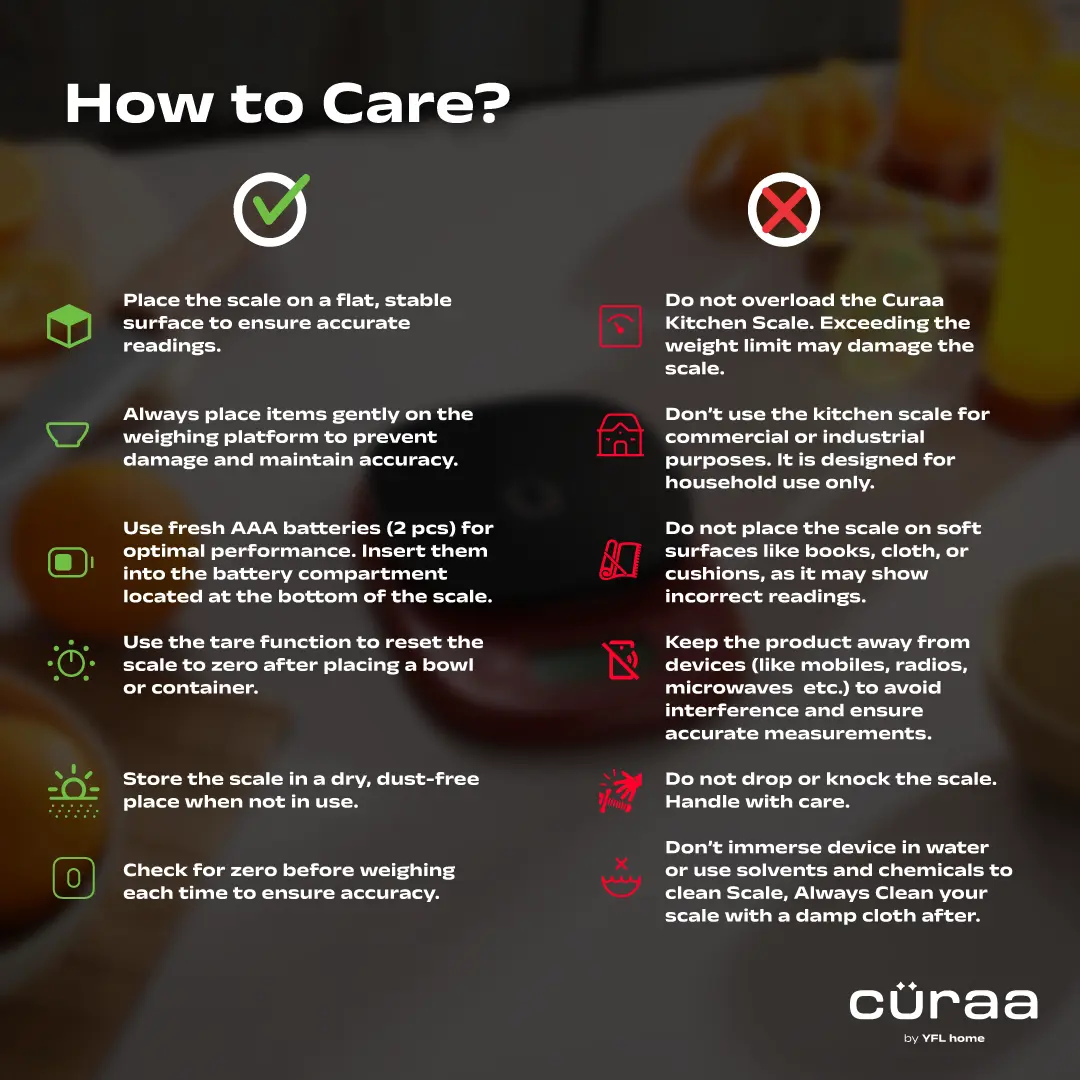
Credit: curaahome.com
Battery Care And Replacement
Maintaining your kitchen scale is important for accurate measurements. Taking care of the batteries helps keep the scale working well.
Knowing how to handle battery care and when to replace them saves you time and money.
Choosing The Right Batteries
Use the correct battery type for your kitchen scale. Check the manual to find the recommended size and brand.
Using wrong batteries can cause damage or poor performance. Avoid mixing old and new batteries in the scale.
- Look for battery size like AAA, AA, or coin cell
- Choose batteries from trusted brands for safety
- Buy fresh batteries to ensure longer life
- Do not use rechargeable batteries unless specified
Signs Of Low Battery
Watch for signs that your kitchen scale needs a new battery. Low battery can affect accuracy and display.
Replacing the battery early prevents wrong measurements and scale failure during use.
- The display screen dims or flickers
- Scale turns off unexpectedly
- Measurements seem inconsistent or incorrect
- Scale does not turn on at all
Safe Storage Tips
Keeping your kitchen scale in good shape means storing it safely. Proper storage helps your scale last longer and work well.
Storing your scale correctly protects it from damage and keeps it clean. Follow these tips to store your kitchen scale safely.
Avoiding Moisture And Heat
Moisture can harm your kitchen scale’s electronics. Heat can also cause damage or affect its accuracy.
Keep your scale away from water, steam, and hot surfaces. This protects the scale’s sensors and screen.
- Do not store near the sink or dishwasher
- Avoid placing it close to ovens or stovetops
- Keep it dry at all times
- Use a protective cover if possible
Proper Placement In Kitchen
Choose a safe, flat spot to keep your kitchen scale. This prevents it from falling or getting bumped.
Storing your scale in a drawer or cabinet keeps it clean and safe from dust and spills.
- Place on a stable shelf or counter when not in use
- Avoid stacking heavy items on top of the scale
- Keep it within easy reach for regular use
- Store in a dry, cool place away from direct sunlight
Credit: mail.sadio.org.ar
Troubleshooting Common Issues
Kitchen scales help you measure ingredients accurately. Sometimes, they show wrong results or stop working well. Fixing these problems keeps your scale useful.
This guide covers two common issues: inconsistent readings and display malfunctions. Learn simple ways to check and fix these problems.
Inconsistent Readings
Inconsistent readings happen when the scale shows different weights for the same item. This can cause mistakes in your cooking or baking.
Check if the scale is on a flat and stable surface. Uneven surfaces can affect accuracy. Also, clean the weighing platform to remove dust or crumbs.
- Place the scale on a hard, level surface
- Remove any debris from the platform
- Make sure the scale is zeroed before weighing
- Replace old batteries to ensure steady power
Display Malfunctions
The display may flicker, show wrong numbers, or not turn on. This issue stops you from reading the weight clearly.
Inspect the battery compartment for corrosion or loose connections. Replace batteries if needed. Avoid spills on the display to keep it working well.
- Check and clean battery contacts
- Use fresh batteries of the correct type
- Keep the display dry and free from grease
- If the display is damaged, consider repair or replacement
Understanding Weight Limits
Kitchen scales help measure ingredients for cooking and baking. Each scale has a weight limit. This limit is the heaviest weight the scale can measure accurately.
Knowing the weight limit keeps your scale working well. It stops damage and keeps your measurements right.
Preventing Overloading
Do not put items heavier than the scale’s limit. Overloading can break the sensors inside the scale. It can cause wrong weight readings.
Use small containers to hold ingredients. Add items slowly to avoid going over the limit. If the scale shows an error, remove some weight immediately.
- Check the weight before placing it on the scale
- Use multiple weighings for heavy items
- Avoid dropping heavy objects on the scale
- Keep the scale on a flat, stable surface
Checking Manufacturer Guidelines
Read the user manual that comes with your kitchen scale. The manual shows the exact weight limit and how to care for the scale. Follow these instructions closely.
Some scales need special care to keep working well. The manual may tell you how to clean the scale and store it properly. Always follow the manufacturer’s advice.
- Look for weight limit and accuracy details
- Follow cleaning instructions carefully
- Check if batteries need special handling
- Store the scale in a dry place
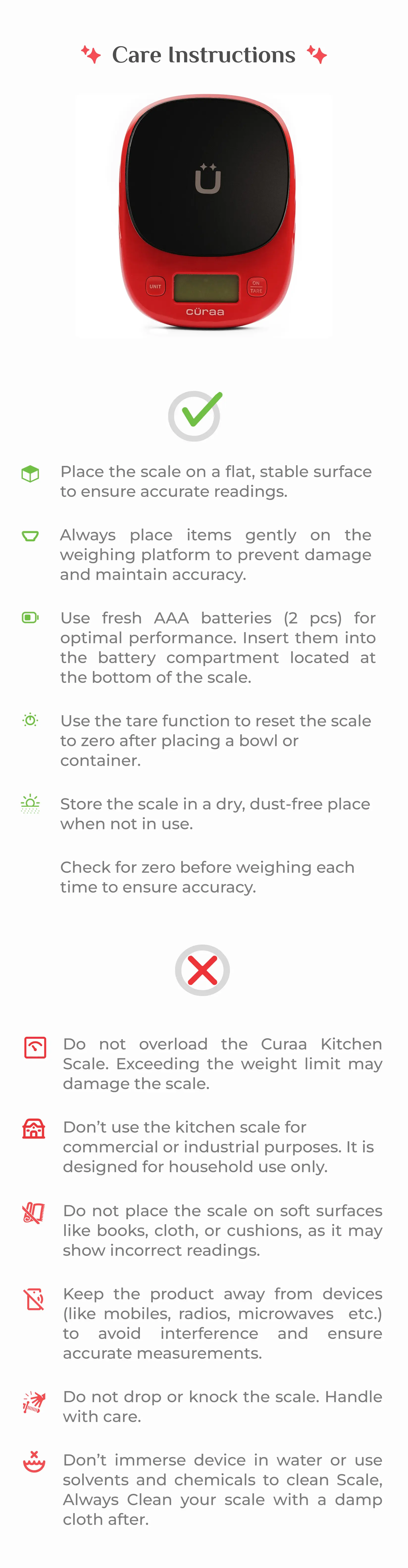
Credit: curaahome.com
Frequently Asked Questions
How Often Should I Calibrate My Kitchen Scale?
Calibrate your kitchen scale monthly for accurate measurements. Use a known weight or calibration weight to ensure precision. Regular calibration prevents errors in recipes and portion control.
What Is The Best Way To Clean A Kitchen Scale?
Use a soft, damp cloth to clean the scale. Avoid submerging it in water or using harsh chemicals. Clean gently to protect sensitive components and maintain accuracy.
How Do I Store My Kitchen Scale Properly?
Store your kitchen scale in a dry, cool place. Keep it away from moisture and extreme temperatures. Proper storage prevents damage and extends the scale’s lifespan.
Can Battery Type Affect Kitchen Scale Performance?
Yes, using the recommended battery type ensures optimal scale performance. Replace batteries promptly to avoid inaccurate readings. Low battery power can cause inconsistent measurements.
Conclusion
Keeping your kitchen scale clean and dry helps it last longer. Always store it in a safe place. Avoid dropping or banging the scale to protect its sensors. Regularly check batteries and replace them as needed. Simple care keeps your scale accurate and ready to use.
A well-maintained scale makes cooking and baking easier. Small habits create big benefits for your kitchen tools. Take care today, enjoy precise measurements tomorrow.