
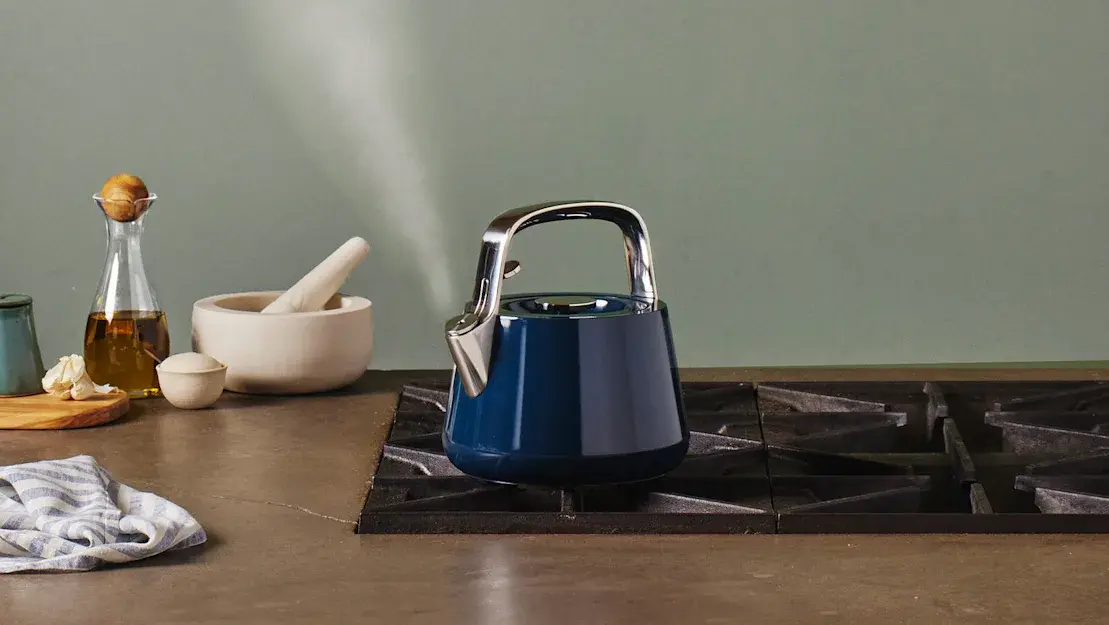
Your kettle is one of the most used appliances in your kitchen, but how often do you think about keeping it in top shape? If you want your kettle to work efficiently and last longer, learning how to maintain it is key.
You’ll discover simple and effective tips that will save you time, money, and the frustration of dealing with a broken or slow-heating kettle. Keep reading to find out how easy it is to protect your kettle and enjoy perfect hot water every time.
Cleaning The Kettle
Keeping your kettle clean helps it last longer and work well. Dirt and limescale can build up inside.
Regular cleaning removes dirt. Deep cleaning removes tough limescale and stains.
Regular Cleaning Routine
Empty the kettle after each use. Rinse it with fresh water to remove leftover minerals.
Wipe the outside with a damp cloth. Dry it well to stop water marks and dirt.
- Empty water after every use
- Rinse inside with fresh water
- Wipe outside with a damp cloth
- Dry the kettle to avoid stains
Deep Cleaning Method
Fill the kettle with equal parts water and white vinegar. Boil the mix to loosen limescale.
Let it sit for 15 to 30 minutes. Pour out the mixture and rinse the kettle several times.
- Fill with half water, half white vinegar
- Boil the mixture
- Let it sit for 15-30 minutes
- Pour out and rinse well

Credit: lavie.bio
Descaling Techniques
Keeping your kettle free of limescale helps it work better and last longer. Descaling removes the hard mineral deposits inside the kettle.
There are simple ways to descale using natural items or special products made for this job. Regular cleaning stops buildup and keeps water tasting fresh.
Signs Of Limescale Buildup
You can tell if your kettle needs descaling by looking for white or chalky deposits inside. These are called limescale.
Other signs include slow boiling, strange noises, or water that tastes odd. These problems happen because limescale blocks heating.
- White or chalky layer inside the kettle
- Slower boiling time
- Hissing or popping sounds
- Water tastes different than usual
Natural Descaling Solutions
Natural items like vinegar and lemon juice work well to remove limescale. They are safe and easy to find at home.
To use, mix one part vinegar or lemon juice with two parts water. Boil the mixture, then let it sit for 15 to 30 minutes before rinsing.
- Mix vinegar or lemon juice with water (1:2 ratio)
- Boil the solution in the kettle
- Let it sit for 15-30 minutes
- Rinse the kettle well with clean water
Commercial Descalers
Commercial descalers are products made to clean kettles quickly. They often contain acids that break down limescale fast.
Follow the instructions on the package carefully. Usually, you add the descaler to water, boil, then rinse the kettle thoroughly.
- Use the right amount of descaler as directed
- Boil the descaler and water mixture in the kettle
- Wait the recommended time
- Rinse the kettle multiple times to remove residue
Proper Storage Practices
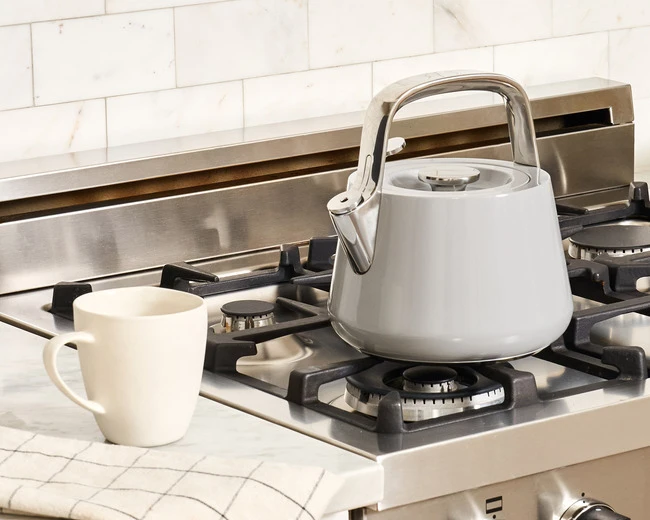
Keeping your kettle in good shape means storing it correctly. Proper storage helps it last longer and work better.
Storing a kettle the right way prevents damage and keeps it clean for every use.
Choosing The Right Location
Pick a dry, cool spot to store your kettle. Avoid places near heat or moisture.
Keep the kettle away from edges where it can fall. A stable, flat surface is best.
- Use a cupboard or shelf away from the stove
- Keep it away from sinks or damp areas
- Make sure the spot is easy to reach
Cord Management Tips
Keep the cord neat to avoid damage. Wrap it loosely around the base if your kettle has one.
Never pull or twist the cord tightly. This can cause wear and may be unsafe.
- Unplug before wrapping the cord
- Use a cable tie or Velcro strap if needed
- Store the cord so it does not hang or catch on objects
Credit: www.carawayhome.com
Avoiding Common Mistakes
Keeping your kettle in good shape needs care and attention. Simple mistakes can cause damage or reduce its life.
Learn about common errors to avoid. This helps you keep your kettle working well and safe to use.
Overfilling Hazards
Filling the kettle past its maximum level can cause water to boil over. This spills hot water and can hurt you or damage surfaces.
- Do not fill above the max fill line inside the kettle.
- Check the water level before turning the kettle on.
- Use a measuring cup if needed to avoid overfilling.
- Wipe any spilled water immediately to prevent slips.
Preventing Dry Boil
Dry boiling happens if you switch on the kettle without water. This can harm the heating element and break the kettle.
| Cause | Effect | Prevention |
| No water inside | Heater burns out | Always add water before use |
| Water evaporates | Heating element exposed | Do not leave kettle on after boiling |
| Ignoring warnings | Permanent damage | Follow manufacturer instructions |
Inspecting For Wear And Tear
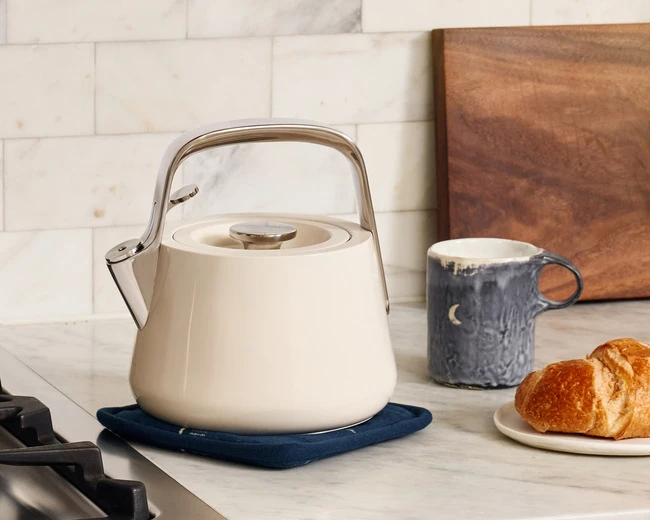
Regularly inspecting your kettle helps it last longer and work safely. Look for signs of damage or wear that may affect its function.
Focus on key parts like the power base, lid, and spout. These areas often show early signs of wear and tear.
Checking The Power Base
The power base connects the kettle to electricity. Make sure it stays clean and intact to avoid electric problems.
- Unplug the base before inspecting it.
- Look for cracks or damage on the surface.
- Check the electrical cord for frays or cuts.
- Ensure the base connects firmly with the kettle.
- Wipe away dust or debris to keep contacts clean.
Examining The Lid And Spout
The lid and spout control steam and pouring. Check these parts to avoid leaks and burns.
| Part | What to Check | Signs of Wear |
|---|---|---|
| Lid | Hinge movement and seal tightness | Loose hinge, cracks, or poor fit |
| Spout | Cleanliness and shape | Clogs, cracks, or dents |
Credit: www.carawayhome.com
Enhancing Longevity
Taking care of your kettle helps it last longer. Proper care stops damage and keeps it working well.
Simple habits can protect your kettle from common problems. This guide shows easy ways to maintain it.
Using Filtered Water
Using filtered water reduces minerals that build up inside the kettle. This helps prevent scale and damage.
Filtered water keeps the heating element clean and helps the kettle work efficiently for longer.
- Minerals in tap water cause scale deposits
- Scale reduces kettle heating performance
- Filtered water lowers scale buildup
- Less scale means less cleaning is needed
Regular Maintenance Schedule
Clean your kettle regularly to remove scale and dirt. This prevents damage and keeps it safe to use.
Check the kettle for leaks and damage every few weeks. Fixing small problems early saves you money.
- Descale kettle every 1-2 months with vinegar or lemon
- Wipe outside with a damp cloth weekly
- Inspect power cord and plug for wear monthly
- Dry kettle after use to avoid rust
Frequently Asked Questions
How Often Should I Clean My Kettle?
You should clean your kettle every 1 to 2 weeks. Regular cleaning prevents limescale build-up and keeps water tasting fresh. For hard water areas, clean more frequently to maintain kettle efficiency and longevity.
What Is The Best Way To Descale A Kettle?
Use white vinegar or lemon juice to descale your kettle. Fill with equal parts water and vinegar, boil, then let sit for 15-30 minutes. Rinse thoroughly to remove residue and improve kettle performance.
Can I Use Dish Soap To Clean My Kettle?
Avoid using dish soap inside the kettle as it can leave a residue. Clean the exterior with mild soap and a damp cloth. Always rinse the inside with water after descaling or cleaning.
How Do I Prevent Limescale Buildup In My Kettle?
Use filtered or distilled water to reduce mineral deposits. Empty the kettle after each use to prevent standing water. Regular descaling also helps maintain a limescale-free kettle.
Conclusion
Maintaining your kettle keeps it working well for years. Clean it often to stop buildup and bad smells. Use fresh water every time you boil. Check parts like the lid and spout for damage. Small care steps save money on repairs later.
Enjoy hot drinks without worry or fuss. A little effort goes a long way. Keep your kettle simple and safe to use. Easy habits make a big difference daily.