
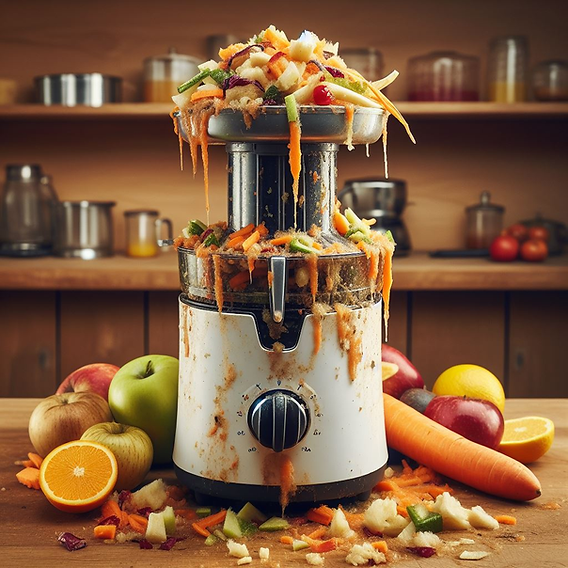
You love the fresh, healthy juices your juicer helps you create. But have you ever stopped to think about how to keep your juicer working like new?
If you want your machine to last longer and perform better, proper maintenance is key. You’ll discover simple, effective steps to clean and care for your juicer. By following these tips, you’ll save time, avoid costly repairs, and enjoy delicious juice every day.
Ready to unlock the full potential of your juicer? Let’s get started!
Choosing The Right Juicer
Selecting the right juicer is important for easy use and good juice quality.
Different juicers work best for different fruits and vegetables. Knowing types helps you pick well.
Types Of Juicers
There are three main types of juicers: centrifugal, masticating, and triturating. Each uses a different method to extract juice.
- Centrifugal Juicers:Use a fast spinning blade to shred produce. They are quick and good for hard fruits and vegetables.
- Masticating Juicers:Crush and press produce slowly. They keep more nutrients and work well with leafy greens.
- Triturating Juicers:Use two gears to grind produce. They make high-quality juice but take more time.
Features To Consider
| Feature | Why It Matters |
| Ease of Cleaning | A juicer that is easy to clean saves time and effort daily. |
| Speed | Faster juicers suit busy routines but may reduce juice quality. |
| Noise Level | Quieter models are better for early mornings or small spaces. |
| Size and Storage | Compact juicers fit small kitchens and are easier to store. |
| Price | Choose a juicer that fits your budget without losing needed features. |
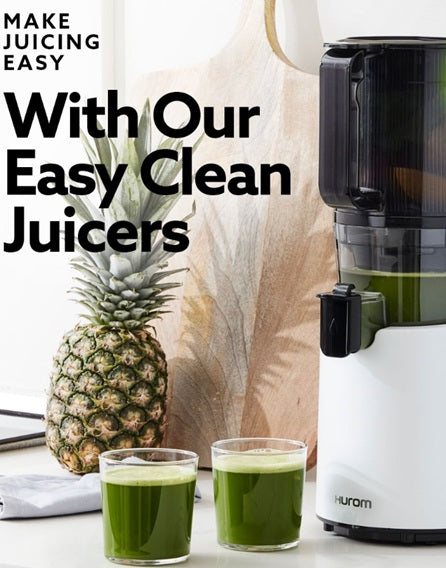
Credit: www.hurom.com
Daily Maintenance Routine
Keeping your juicer clean and well-maintained helps it work better for a long time. A daily routine makes cleaning easy and fast.
Follow simple steps after each use to avoid build-up and keep your juicer fresh and ready.
Immediate Cleaning
Clean your juicer right after use. This stops juice and pulp from drying and sticking. It also stops bad smells and mold.
Remove all parts and rinse them under warm water. Use a soft brush to clean hard-to-reach spots.
- Disassemble the juicer parts carefully
- Rinse each part with warm water immediately
- Use a soft brush to clean filters and blades
- Wipe the main body with a damp cloth
- Dry all parts before reassembling
Proper Storage
Store your juicer in a dry place after cleaning. This prevents moisture and dust from damaging it.
Keep all parts dry and assembled or stored separately. Cover the juicer to avoid dirt and insects.
- Make sure all parts are dry before storage
- Store in a cool, dry cabinet or shelf
- Cover the juicer with a clean cloth or lid
- Keep small parts in a container to avoid loss
Weekly Deep Cleaning
Cleaning your juicer every week keeps it working well. Deep cleaning removes juice buildup and stops bad smells.
Regular care helps your juicer last longer and stay safe to use. A thorough clean takes time but is worth it.
Disassembling Parts
Take your juicer apart before cleaning. Remove all parts that touch juice or pulp. This helps clean hard-to-reach areas.
Check the user manual to know which parts come off. Handle sharp pieces like blades carefully to avoid cuts.
- Remove the pulp container
- Take off the juice collector
- Detach the feeding chute
- Remove the filter or strainer
- Separate any blades or cutting discs
Cleaning Tools And Solutions
Use the right tools and cleaners for a deep clean. Soft brushes and mild soap work well to avoid damage.
Avoid harsh chemicals that can harm your juicer parts. Rinse everything well to remove soap and residue.
- Soft brush or toothbrush for scrubbing
- Mild dish soap or gentle detergent
- Warm water to soak and rinse parts
- Clean cloth or towel for drying
- Optional: vinegar solution for extra cleaning

Credit: www.youtube.com
Monthly Inspection
Regular monthly inspections keep your juicer working well. These checks help spot problems early.
Two main tasks are important for monthly care: checking for wear and tear, and lubricating moving parts.
Checking For Wear And Tear
Look closely at all juicer parts for signs of damage. Cracks or worn areas can cause poor performance.
- Examine the blades for dullness or damage.
- Check the juicer’s screen for holes or tears.
- Inspect seals and gaskets for cracks or hardening.
- Look at the power cord for cuts or frays.
Lubricating Moving Parts
Lubricate parts that move to keep the juicer running smoothly. Use food-safe lubricant only.
| Part | Type of Lubricant | Frequency |
| Motor shaft | Food-grade silicone grease | Monthly |
| Auger bearings | Light mineral oil | Monthly |
| Gear connections | Food-grade grease | Monthly |
Common Juicer Issues
Juicers can face problems that affect their performance. Knowing these issues helps keep your juicer working well.
Two common problems are motor overheating and juicer clogs. Both need simple care to fix and prevent.
Motor Overheating
The motor can get very hot if you use the juicer for too long. This stops it from working and may damage it.
- Turn off the juicer after 5 minutes of use.
- Let it cool down for 15 minutes before using again.
- Clean the juicer parts to avoid extra strain on the motor.
- Check for any blocked parts that slow the motor.
Juicer Clogs
Clogs happen when fruit or vegetable pieces block the juicer parts. This lowers juice flow and can stop the machine.
| Cause | Solution |
| Too much pulp build-up | Clean the pulp catcher after each use |
| Hard fruits or vegetables | Cut into smaller pieces before juicing |
| Sticky ingredients like bananas | Use less sticky fruits or clean immediately |
| Improper assembly | Check all parts fit tightly before use |
Prolonging Juicer Lifespan
Taking care of your juicer helps it last longer. Regular maintenance keeps it working well.
Simple habits can protect your juicer from damage. This saves money and effort over time.
Using The Right Ingredients
Choose ingredients that suit your juicer. Hard or dry foods can cause wear and tear.
Soft fruits and vegetables are easier to juice. Avoid very fibrous or stringy items without checking your manual.
- Use fresh fruits like apples and berries
- Include leafy greens like spinach and kale
- Avoid large seeds and pits
- Cut hard vegetables into small pieces
Avoiding Overloading
Do not put too many ingredients in at once. Overloading can strain the motor and parts.
Feed ingredients slowly and steadily. This helps the juicer work efficiently and reduces jams.
- Use the recommended amount in your manual
- Feed soft and hard ingredients alternately
- Stop if the juicer slows down or jams
- Clean the juicer parts regularly to avoid buildup
Eco-friendly Disposal
Maintaining your juicer well helps it last longer and reduces waste. When it is time to dispose of parts, think about the environment.
Eco-friendly disposal means getting rid of your juicer parts without harming nature. This helps keep the planet clean.
Recycling Parts
Many juicer parts can be recycled instead of thrown away. Check the materials to see if they fit your local recycling rules.
Plastic and metal parts often have recycling symbols. Clean them well before recycling to remove food leftover.
- Separate plastic, metal, and rubber parts
- Rinse parts to avoid contamination
- Drop parts at recycling centers if curbside pickup is not available
- Read local guidelines for recycling electronics
Sustainable Practices
Using your juicer in a sustainable way lowers waste. Clean and care for it regularly to keep it working longer.
Choose juicers made from eco-friendly materials when replacing parts. Avoid single-use plastics and disposable filters.
- Clean juicer parts right after use
- Store parts properly to avoid damage
- Use reusable filters instead of disposable ones
- Buy parts made from recycled or natural materials
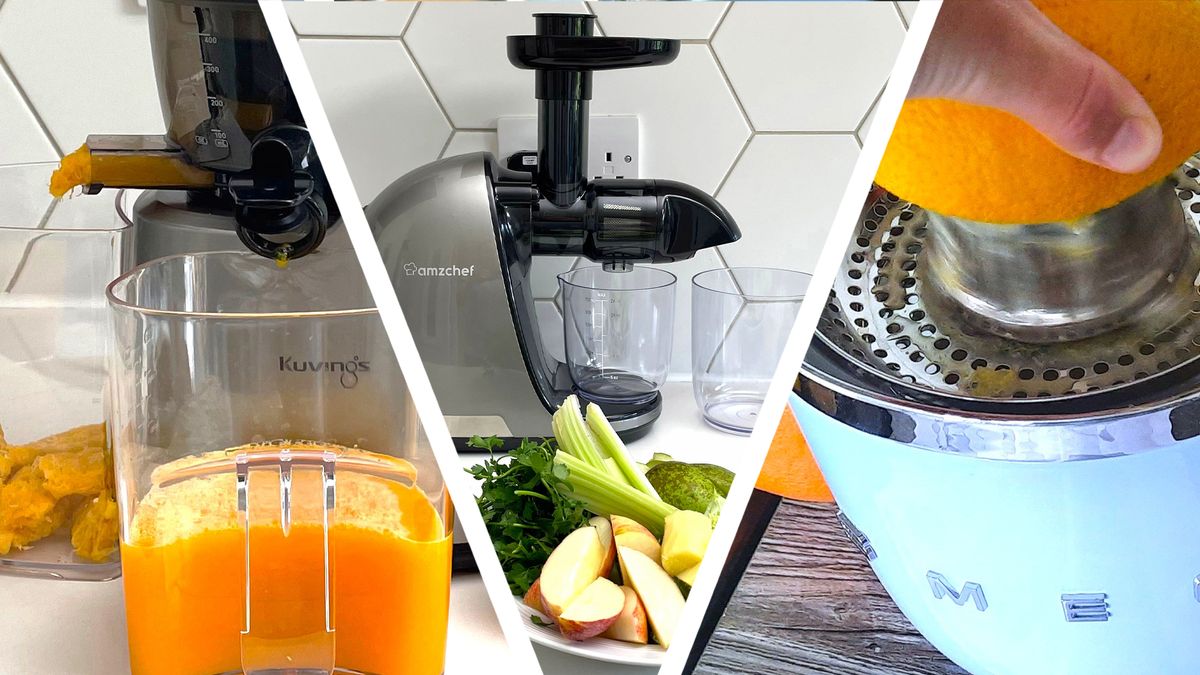
Credit: www.techradar.com
Frequently Asked Questions
How Often Should I Clean My Juicer?
Clean your juicer immediately after each use to prevent residue buildup. Regular cleaning ensures better performance and longer lifespan.
What Is The Best Way To Remove Pulp From A Juicer?
Disassemble the juicer and rinse parts under warm water. Use a soft brush to remove pulp from hard-to-reach areas.
Can I Use Vinegar To Clean My Juicer?
Yes, vinegar is effective for removing mineral deposits. Mix equal parts vinegar and water, soak parts for 10 minutes, then rinse.
How Do I Prevent Mold In My Juicer?
Always dry all parts thoroughly before storage. Store your juicer in a dry, cool place to avoid mold growth.
Conclusion
Keeping your juicer clean and well cared for saves time and money. Clean it right after use to stop buildup. Check all parts regularly to spot damage early. Store it in a dry, safe place to avoid problems. Simple steps make your juicer last longer and work better.
Enjoy fresh juice every day without hassle. Easy care means happy juicing.