
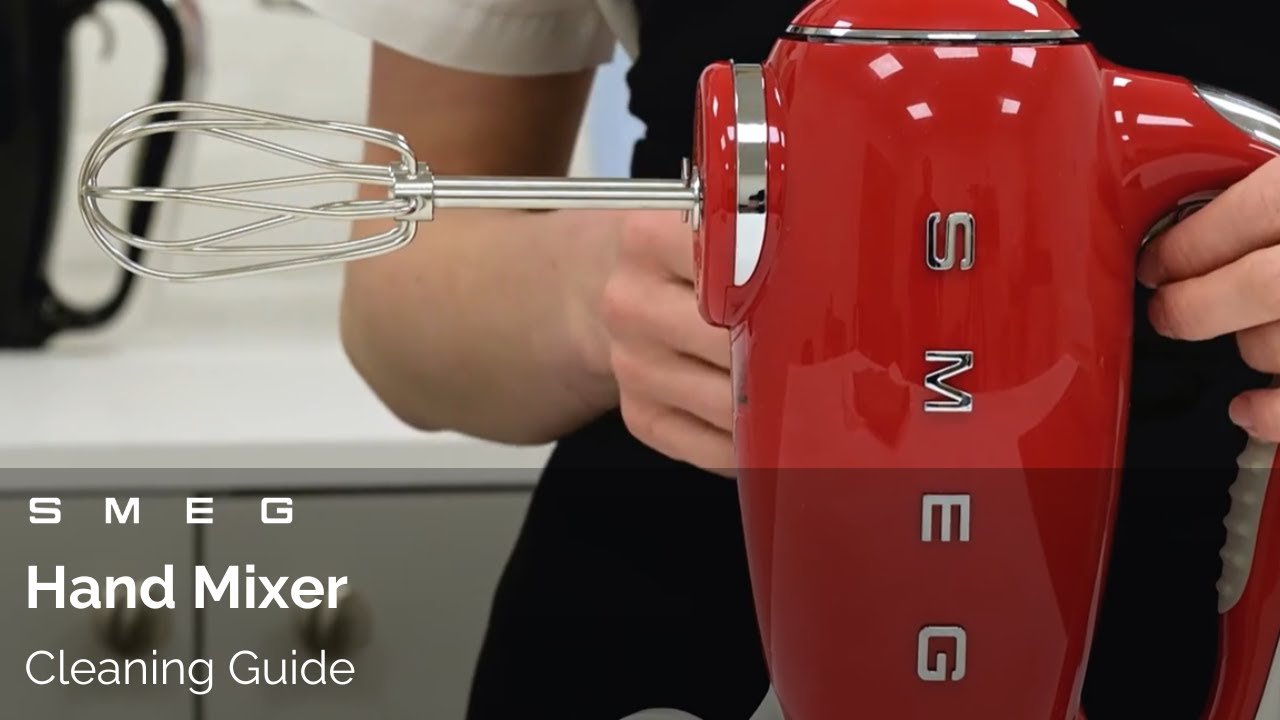
Your hand mixer is one of the most useful tools in your kitchen. But if you want it to work smoothly every time you use it, you need to take good care of it.
Imagine reaching for your mixer, only to find it slow, noisy, or not working at all. Frustrating, right? Keeping your hand mixer in top shape is easier than you think, and it can save you money and time in the long run.
You’ll discover simple steps to maintain your hand mixer so it stays reliable and ready whenever you need it. Let’s make sure your kitchen helper lasts for many delicious meals to come!
Choosing The Right Storage
Keeping your hand mixer safe helps it last longer. Good storage protects the mixer from dust and damage.
Choosing the right place to store your mixer makes it easy to find and keeps it clean.
Use A Dedicated Storage Container
A special container keeps your mixer parts together. It stops the beaters from getting lost or bent.
Look for containers with soft lining to avoid scratches on the mixer body.
- Hard plastic cases protect from drops
- Soft cloth bags prevent dust buildup
- Compartments keep beaters separate
Store In A Dry Place
Moisture can damage the motor and cause rust on metal parts. Keep your mixer in a dry spot.
A kitchen cabinet or pantry shelf away from sinks works well to keep moisture away.
Keep Away From Heat Sources
Heat can harm the mixer’s motor and plastic parts. Avoid storing near ovens or stoves.
Choose a cool place to keep your mixer safe and working longer.
Organize With Wall Hooks Or Racks
Hanging your mixer saves space and keeps it off counters. Use wall hooks or racks for easy access.
This method also helps keep the beaters and cords neat and untangled.
- Use hooks with padded grips to avoid scratches
- Hang beaters separately to dry after washing
- Keep cords wrapped to prevent damage
Credit: www.housework.com
Regular Cleaning Practices
Keeping your hand mixer clean helps it work well for a long time. Dirt and food can build up on the mixer parts. Cleaning it often stops damage and keeps your kitchen safe.
There are two main ways to clean your hand mixer. You can clean it after each use or do a deep clean now and then. Both are important for good care.
Cleaning After Each Use
Cleaning your hand mixer right after using it stops food from drying on it. This makes cleaning easier and keeps the mixer safe to use.
- Unplug the mixer before cleaning.
- Remove the beaters or attachments carefully.
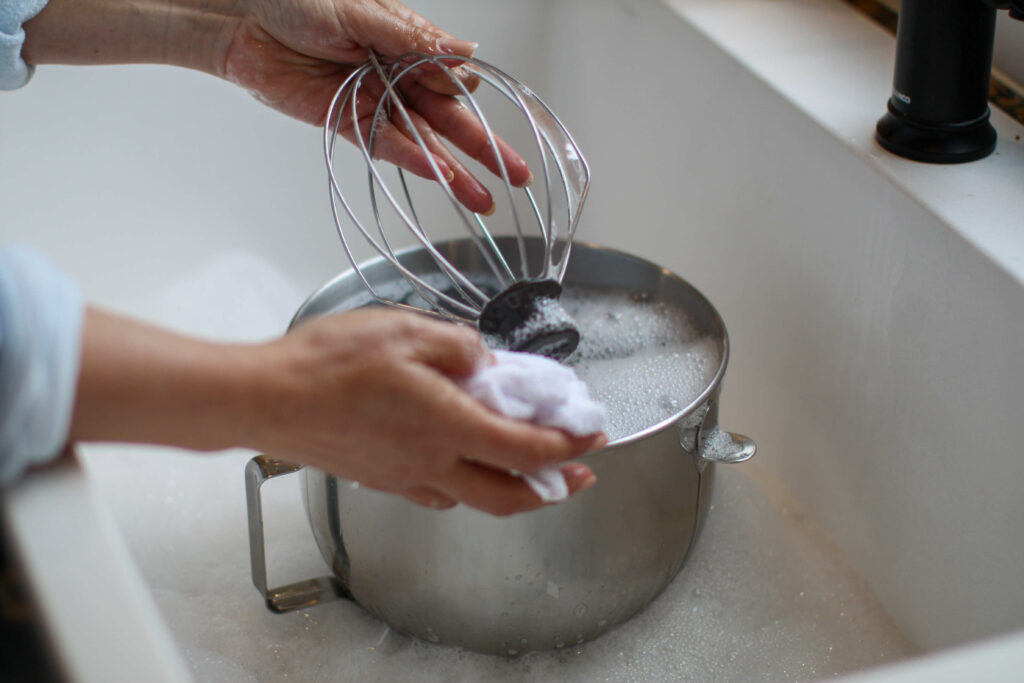
- Wash the beaters with warm, soapy water.
- Wipe the mixer body with a damp cloth only.
- Dry all parts completely before putting them back.
Deep Cleaning Techniques
Deep cleaning removes stuck-on food and hidden dirt. Do this once a month or if the mixer smells bad.
| Cleaning Step | Details |
|---|---|
| Detach Parts | Take off beaters and other attachments carefully. |
| Soak Attachments | Soak beaters in hot, soapy water for 15 minutes. |
| Scrub | Use a small brush or toothbrush to clean crevices. |
| Clean Mixer Body | Wipe with a cloth dampened with mild detergent. Avoid water in vents. |
| Dry Thoroughly | Let all parts air dry completely before assembly. |
Inspecting For Wear And Tear
Regular checks help keep your hand mixer safe and working well. Look for signs of damage or wear often.
Early spotting of problems can stop bigger damage and extend the mixer’s life.
Checking Attachments
Attachments like beaters and dough hooks must be clean and free from rust. Check if they fit tightly into the mixer.
Look for bent or broken parts that can cause poor mixing or damage the mixer.
- Remove attachments and wash them after each use.
- Check for cracks, rust, or loose parts.
- Replace damaged attachments to avoid harm to the mixer.
- Make sure attachments lock firmly in place.
Examining The Cord And Plug
Inspect the power cord for cuts, cracks, or frayed wires. A damaged cord can cause electric shocks or stop the mixer.
Check the plug for bent or broken prongs. Make sure it fits securely in the socket without wiggle.
- Unplug the mixer before checking the cord and plug.
- Look for any damage along the entire cord length.
- Do not use the mixer if the cord or plug is damaged.
- Replace damaged cords or plugs immediately.

Credit: www.housework.com
Lubricating Moving Parts
Lubricating moving parts helps your hand mixer work smoothly. It stops parts from wearing out too fast.
Regular lubrication keeps your mixer quiet and extends its life. Use the right oil for best results.
Identify The Moving Parts
Find the parts inside your hand mixer that move. Usually, these include gears and bearings.
Check the user manual to see which parts need oil. Avoid parts with electrical components.
Choose The Right Lubricant
Use light machine oil or food-safe lubricant. These oils are safe and work well on small motors.
Do not use thick grease. It can cause the mixer to jam or slow down.
Apply Lubricant Carefully
Put a few drops of oil on the moving parts. Use a small brush or dropper for control.
Do not over-lubricate. Too much oil can attract dust and dirt, causing damage.
Clean Before Lubricating
Remove old oil and dirt before applying new lubricant. Wipe parts with a clean cloth.
This prevents mixing dirt with oil, which can harm the moving parts.
Lubricate Regularly
Lubricate your hand mixer every few months. Regular care keeps it running well.
- Check lubrication every 3 to 6 months
- Lubricate more often if you use the mixer a lot
- Always clean before adding new oil
Proper Usage Techniques
Using a hand mixer correctly helps it last longer and work better. Learning the right techniques prevents damage and keeps your mixer safe.
This guide covers how to avoid overheating and select the correct speed settings for your hand mixer.
Avoiding Overheating
Overheating can cause your hand mixer to stop working or break. Avoid using it for too long without breaks.
- Use the mixer in short bursts, about 1-2 minutes at a time.
- Give the mixer a 5-minute rest between uses.
- Do not mix very thick or heavy doughs for long periods.
- Keep the vents clear to let heat escape.
- Turn off the mixer immediately if it feels too hot.
Correct Speed Settings
Choosing the right speed keeps your mixer efficient and prevents damage to ingredients and the motor.
| Speed Setting | Best Use | Notes |
| Low | Mixing dry ingredients, light batters | Prevents flour clouds and splashes |
| Medium | Beating eggs, creaming butter and sugar | Good balance of power and control |
| High | Whipping cream, meringues | Use short bursts to avoid overheating |
Handling Repairs And Replacements
Hand mixers need care to last longer. Fixing small problems quickly helps avoid big damage.
Knowing when to repair or replace parts keeps your mixer working well and safe to use.
Identifying Common Issues
Some problems happen often with hand mixers. Spotting these early can save money and time.
- The mixer does not start or stops suddenly
- Unusual noises or smells during use
- Beaters do not spin properly or get stuck
- Overheating or the motor feels hot
- Loose or broken parts on the handle or body
Check for worn wires or damaged plugs before using the mixer again.
When To Seek Professional Help
If your mixer has electrical or motor problems, ask a professional to fix it. This keeps you safe.
Do not try to open the motor or wiring yourself. Fixing these parts needs special tools and skills.
- When the mixer smells like burning or sparks
- If the mixer will not turn on at all
- If the motor makes loud grinding noises
- When internal parts are broken or damaged
- If the mixer overheats quickly every time
Using The Right Ingredients
Using the right ingredients helps keep your hand mixer clean and working well. Some ingredients can cause damage or make cleaning harder.
Knowing which ingredients to avoid or handle carefully can extend your mixer’s life and improve your cooking experience.
Avoiding Sticky Substances
Sticky ingredients like honey and syrup can build up on the beaters. This makes cleaning difficult and can slow the motor.
Clean your mixer right after using sticky ingredients. Use warm water and mild soap to remove all residue.
- Do not let sticky substances dry on the beaters
- Wipe the mixer body with a damp cloth if it gets sticky
- Use a brush to clean small parts carefully
Handling Hard Ingredients
Hard ingredients like nuts or frozen fruit can strain your hand mixer. They may cause the motor to overheat or beaters to bend.
Cut hard ingredients into small pieces before mixing. Use the mixer on low speed to avoid damage.
- Chop nuts and fruits into small bits
- Start mixing on low speed
- Do not force the mixer to handle very hard items
Understanding Warranty And Support
Knowing your hand mixer’s warranty helps protect your purchase. It tells you what problems the maker will fix.
Support services guide you in using and caring for your hand mixer. They help keep your mixer working well.
What Is A Warranty?
A warranty is a promise from the maker to fix or replace parts that break. It lasts for a set time after buying.
Warranties usually cover parts and repairs but not damage caused by wrong use. Check what your warranty covers.
How To Find Warranty Details
Look at the user manual or the box for warranty information. You can also check the maker’s website.
- Warranty length
- What parts are covered
- How to claim repairs
What Support Services Offer
Support helps with questions and problems about your hand mixer. It can teach you how to use it safely.
Support may include phone help, online chat, and service centers for repairs.
How To Use Warranty And Support
Keep your receipt and warranty papers safe. They prove you bought the mixer and can get help.
Contact support if you see a problem. Describe the issue clearly to get the right help fast.
Credit: www.youtube.com
Frequently Asked Questions
How Often Should I Clean My Hand Mixer?
Clean your hand mixer after every use to prevent food buildup. Wipe the body with a damp cloth. Detach and wash the beaters with warm, soapy water. Regular cleaning ensures optimal performance and hygiene.
Can I Immerse My Hand Mixer In Water?
No, never immerse the hand mixer body in water. Only remove and wash detachable parts like beaters. This prevents electrical damage and prolongs the appliance’s life.
How Do I Store A Hand Mixer Properly?
Store your hand mixer in a dry, cool place. Keep beaters detached and stored separately to avoid damage. Proper storage prevents dust accumulation and mechanical issues.
What Should I Do If My Hand Mixer Overheats?
If your hand mixer overheats, unplug it immediately. Allow it to cool down for at least 30 minutes before use. Overheating often indicates overuse or motor strain.
Conclusion
Keeping your hand mixer clean and dry helps it last longer. Regularly check for any damage or loose parts. Always store it in a safe, dry place. Simple care steps prevent problems and save money. Enjoy smooth mixing every time with proper maintenance.
Small efforts make a big difference in your kitchen tools. Take a few minutes after use to keep your mixer ready. Your hand mixer will serve you well with proper care.