
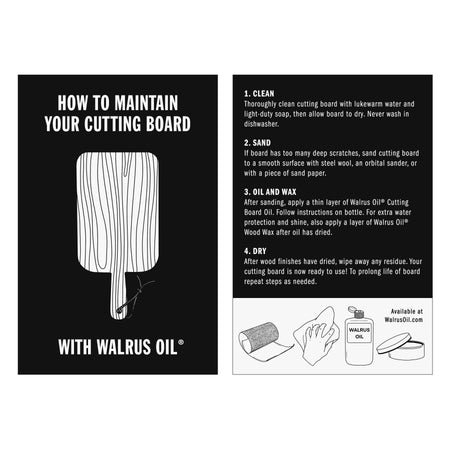
Your cutting board is more than just a kitchen tool—it’s where your meals begin. But if you don’t take care of it properly, it can quickly become worn, stained, or even unsafe.
You might not realize it, but maintaining your cutting board the right way can make your food prep cleaner, safer, and even more enjoyable. You’ll discover simple, practical tips to keep your cutting board looking fresh and lasting longer. Ready to protect your board and improve your cooking experience?
Let’s dive in.

Credit: www.amazon.ie
Choosing The Right Material
Picking the right cutting board material helps keep it in good shape. It also makes cutting safer and easier.
Different materials need different care. Knowing their pros and cons helps you choose well.
Wood Vs. Plastic
Wood cutting boards are gentle on knives. They look nice and can last a long time with care.
Plastic boards are lighter and easy to clean. They can go in the dishwasher, which saves time.
- Wood is natural and has antibacterial properties.
- Plastic is cheaper and comes in many colors.
- Wood needs oiling to stay strong.
- Plastic may get cuts that hide bacteria.
- Wood boards should not be put in the dishwasher.
- Plastic boards handle heat and water well.
Bamboo Options
Bamboo cutting boards are a good mix of wood and plastic traits. They are hard and eco-friendly.
Bamboo is harder than many woods, so it can last longer. It also resists water well but needs some oiling.
- Bamboo grows fast and is renewable.
- It does not absorb much water.
- Bamboo boards are lighter than hardwood boards.
- They need regular oiling to avoid cracks.
- Avoid soaking bamboo boards in water.

Credit: vayuearth.com
Initial Preparation
Taking care of your cutting board starts with proper preparation. This helps the board last longer and stay clean.
Before using your cutting board, follow simple steps to protect the wood and keep it safe for food.
Seasoning The Board
Seasoning a cutting board means adding oil to protect the wood. It stops the board from drying out and cracking.
Use food-safe mineral oil or a special cutting board oil. Avoid cooking oils because they can go bad.
- Clean the board with warm, soapy water and dry it well.
- Pour a small amount of oil on the surface.
- Use a clean cloth to rub the oil in, covering the whole board.
- Let the board absorb the oil for several hours or overnight.
- Wipe off any extra oil before use.
First Use Guidelines
Do not use your board right after seasoning. Let it rest so the oil can soak in fully.
Before cutting food, clean the board gently. Avoid soaking it in water or putting it in the dishwasher.
- Use mild soap and a soft sponge for cleaning.
- Dry the board with a towel right after washing.
- Store the board in a dry place, standing up if possible.
- Apply oil regularly to keep the board in good shape.
Daily Cleaning Practices
Keeping your cutting board clean every day stops germs from growing. It also keeps the board in good shape for a long time.
Simple cleaning habits after each use protect your board and your food. Clean it well and dry it properly.
Safe Cleaning Agents
Use gentle cleaning agents that remove dirt without harming the board. Harsh chemicals can damage wood or plastic surfaces.
Soap and warm water work well. You can also use natural cleaners that are safe and effective.
- Mild dish soap
- White vinegar diluted with water
- Lemon juice for odor removal
- Baking soda paste for scrubbing
Avoiding Dishwashers
Do not put cutting boards in the dishwasher. The heat and water pressure can crack or warp the board.
Hand wash boards carefully with soap and water. Dry them well to stop warping and bacteria growth.
Deep Cleaning Techniques
Keeping your cutting board clean is important for food safety. Deep cleaning removes hidden dirt and germs.
Regular deep cleaning helps your cutting board last longer and stay safe for use.
Removing Stains And Odors
Stains and smells can stay on cutting boards after use. Removing them keeps your board fresh.
Use natural cleaners like lemon and baking soda to fight stains and odors.
- Sprinkle baking soda on the board.
- Rub lemon juice over the baking soda.
- Let it sit for 5 minutes.
- Scrub gently with a sponge or brush.
- Rinse with warm water and dry well.
Sanitizing Methods
Sanitizing kills bacteria that may remain after cleaning. It is important for food safety.
You can use vinegar or diluted bleach to sanitize your cutting board safely.
- Vinegar: Spray or wipe white vinegar on the board.
- Let it sit for a few minutes, then rinse with water.
- Bleach solution: Mix 1 tablespoon bleach with 1 gallon of water.
- Apply solution to the board and let it sit for 2 minutes.
- Rinse well and dry completely before use.
Regular Maintenance
Taking care of your cutting board helps it last longer. Regular cleaning and upkeep keep it safe to use.
Simple steps like oiling and fixing damages keep your board in good shape. These actions protect the wood.
Oiling And Conditioning
Apply food-safe oil to your cutting board to stop it from drying out. Oil keeps the wood strong and shiny.
Condition the board by rubbing mineral oil evenly. Let it soak overnight before wiping off extra oil.
- Use mineral oil or beeswax-based conditioner
- Apply oil after every few uses or once a week
- Rub oil in with a soft cloth
- Let the board absorb oil for several hours
- Wipe off any extra oil to avoid stickiness
Fixing Cracks And Gouges
Small cracks and gouges can trap bacteria. Fix these damages to keep your board safe.
Use sandpaper to smooth rough spots. For deep cracks, fill them with wood filler made for cutting boards.
- Sand the damaged area with fine-grit sandpaper
- Clean the dust off after sanding
- Apply food-safe wood filler to deep cracks
- Let the filler dry fully before sanding again
- Oil the repaired area to finish
Storage Tips
Keeping your cutting board in good shape starts with proper storage. Store it in a way that helps it stay dry and clean.
Good storage prevents damage like warping and cracking. It also stops bacteria from growing on the surface.
Proper Air Drying
After washing your cutting board, let it dry completely before storing. Air drying helps remove moisture that can cause damage.
Place the board upright or on its side to let air flow around it. Avoid laying it flat on a surface where water can stay trapped.
- Stand the board vertically in a dish rack
- Use a well-ventilated area for drying
- Wipe off excess water before air drying
Avoiding Humidity
Store your cutting board away from humid places like near the sink or stove. Humidity can make wood swell and crack.
Choose a cool, dry spot in your kitchen or pantry. Use a cabinet with good airflow to keep moisture low.
- Do not store boards in closed, damp cabinets
- Keep boards away from dishwashers and sinks
- Use a dehumidifier if your kitchen is very humid
When To Replace Your Cutting Board
Cutting boards get worn out over time. Knowing when to replace yours keeps food safe and your kitchen clean.
Look for signs that show your board is no longer good to use. Replace it before it causes problems.
Signs Of Wear
Check your cutting board for deep cuts or cracks. These can trap bacteria and make cleaning hard.
Also, notice if the surface feels rough or splintered. This can ruin your knives and food.
- Deep grooves or cracks on the surface
- Warping or bending of the board
- Loose pieces or splinters
- Foul smells that don’t wash away
Safety Concerns
A worn cutting board can cause food poisoning. Bacteria hide in cuts and cracks easily.
Using a damaged board can also lead to accidents. Slippery or broken boards increase the chance of cuts.
- Bacteria buildup in deep cuts can cause illness
- Cross-contamination risks increase with board damage
- Unstable boards may slip during use
- Splinters can get into food and cause harm

Credit: ca.style.yahoo.com
Frequently Asked Questions
How Often Should I Oil My Cutting Board?
Oiling your cutting board once a month keeps it hydrated and crack-free. Use food-grade mineral oil for best results. Avoid vegetable oils as they can spoil and cause odors.
What Is The Best Way To Clean A Cutting Board?
Clean your cutting board with hot soapy water immediately after use. Avoid soaking it to prevent warping. For deep cleaning, use a mixture of vinegar and water or sprinkle salt and scrub with lemon.
Can I Put My Cutting Board In The Dishwasher?
No, avoid dishwashing wooden cutting boards. High heat and water exposure can cause warping and cracking. Hand wash and dry immediately to maintain the board’s condition.
How Do I Remove Stains And Odors From A Cutting Board?
Remove stains by scrubbing with baking soda or coarse salt and lemon juice. Let it sit for a few minutes before rinsing. This method naturally deodorizes and brightens your cutting board.
Conclusion
Taking care of your cutting board keeps it safe and long-lasting. Clean it well after each use. Dry it fully to stop cracks and warping. Oil your board regularly to keep the wood strong. Avoid soaking or putting it in the dishwasher.
Small steps make a big difference over time. A well-maintained board helps keep your kitchen clean and your food safe. Simple care gives you a reliable tool every day. Keep these tips in mind for the best results. Your cutting board will thank you.