
Your coffee grinder blades play a big role in how fresh and flavorful your coffee tastes. But if you don’t keep them clean and sharp, your morning brew might end up bitter or uneven.
Imagine starting your day with the perfect cup every time—smooth, rich, and full of aroma. That’s exactly what you get when you know how to maintain your coffee grinder blades the right way. You’ll discover simple, effective tips to keep your grinder blades in top shape, so your coffee always tastes its best.
Ready to unlock the secret to better coffee? Let’s dive in.
Types Of Coffee Grinder Blades
Coffee grinders use different blade types to crush coffee beans. Knowing these types helps you maintain them better.
Each blade type works in a unique way. This affects how you clean and sharpen them.
Flat Blades
Flat blades are simple and common in many grinders. They spin quickly to chop beans.
These blades can dull faster if not cleaned. Remove coffee oils and particles after each use.
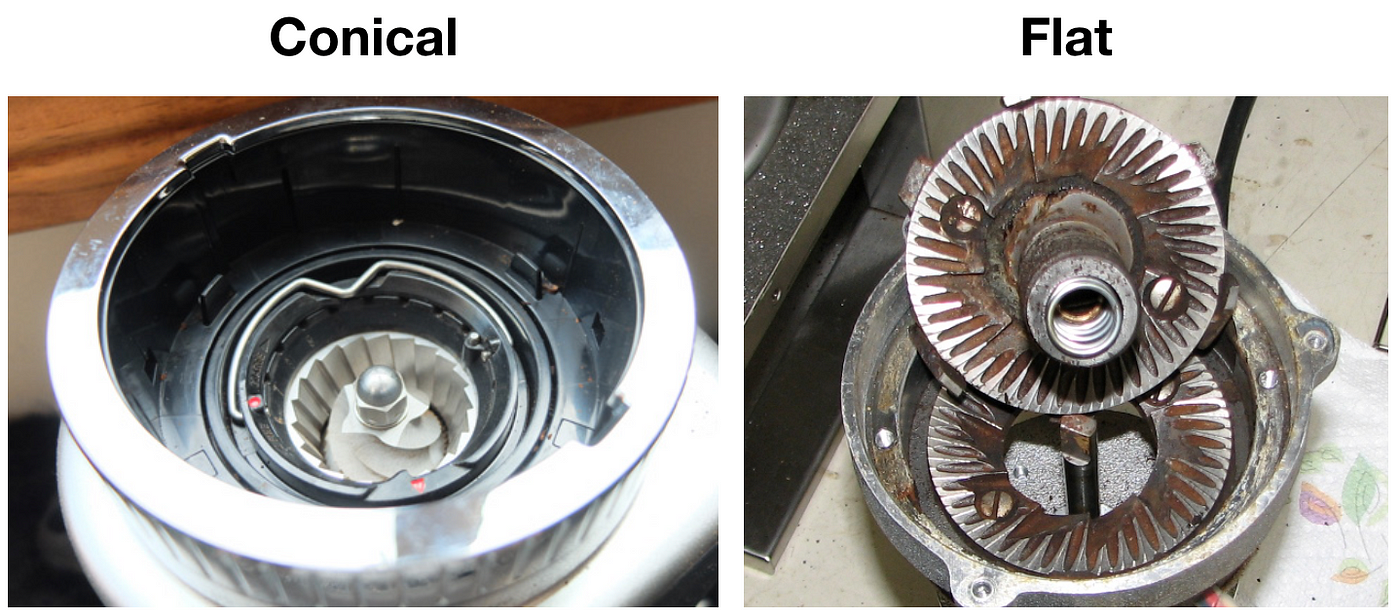
Conical Blades
Conical blades have a cone shape that crushes beans evenly. They produce less heat while grinding.
Keep these blades free from coffee dust. Use a brush to clean between the blades carefully.
Stainless Steel Blades
Stainless steel blades resist rust and last longer. They need regular cleaning to keep sharpness.
Avoid water exposure for too long. Dry the blades well after cleaning to prevent corrosion.
Ceramic Blades
Ceramic blades are very hard and stay sharp longer. They do not rust but are more fragile.
Handle ceramic blades with care. Clean gently to avoid chipping or breaking the blade.
Credit: www.servicesphere.com.au
Signs Of Blade Wear And Tear
Keeping coffee grinder blades sharp is key for good coffee flavor. Over time, blades wear down and need attention.
Knowing the signs of blade damage helps you decide when to clean or replace them. This keeps your grinder working well.
Dull Blades
Dull blades grind coffee beans unevenly. This causes inconsistent coffee taste and texture.
Visible Nicks Or Chips
Check blades closely for small dents, nicks, or chips. These damage the grinding surface and lower efficiency.
Grinding Noise Changes
Listen for changes in sound. Loud or unusual noises can mean blade damage or misalignment.
Slow Grinding Speed
If grinding takes longer than usual, blades may be dull or blocked by residue buildup.
- Blades lose sharpness over time
- Residue buildup slows rotation
- Damaged blades reduce grinding power
Blade Corrosion Or Rust
Rust or corrosion weakens blades and affects taste. Moisture exposure often causes this problem.
| Sign | Effect | Cause |
| Dull Blades | Uneven grind | Regular use |
| Nicks or Chips | Grinding inefficiency | Hard objects |
| Noise Changes | Possible damage | Blade misalignment |
| Slow Speed | Longer grinding time | Residue buildup |
| Rust | Blade weakening | Moisture exposure |
Regular Cleaning Practices
Keeping coffee grinder blades clean helps keep your coffee fresh. Regular cleaning stops old coffee oils from building up.
Follow simple cleaning routines to keep your grinder working well and your coffee tasting great.
Daily Cleaning Routine
After each use, remove leftover coffee grounds. Use a soft brush or cloth to clean the blades gently. Avoid using water on the blades daily to prevent rust.
- Unplug the grinder before cleaning
- Brush out coffee grounds from the blades and hopper
- Wipe the exterior with a dry or slightly damp cloth
- Do not use harsh chemicals or soak the grinder
- Let the grinder dry completely before next use
Deep Cleaning Steps
Perform deep cleaning every few weeks. This removes oils and residue that daily cleaning misses. Disassemble the grinder carefully and clean each part.
| Cleaning Task | Tools Needed | Instructions |
| Remove blades | Screwdriver, cloth | Unscrew blades carefully and wipe with a cloth |
| Clean hopper | Warm soapy water, cloth | Wash hopper in soapy water, rinse and dry fully |
| Clean blades | Soft brush, mild detergent | Brush blades gently with detergent, rinse and dry |
| Reassemble grinder | None | Put all parts back together after drying |
Proper Blade Sharpening Techniques
Keeping your coffee grinder blades sharp helps you get fresh and even grounds. Dull blades can crush beans instead of cutting them.
Sharpening your blades regularly improves the taste of your coffee and extends your grinder’s life.
Tools For Sharpening
You need a few simple tools to sharpen coffee grinder blades safely and well. These tools help you work with precision.
- Small flat file or sharpening stone
- Screwdriver to remove blades
- Protective gloves to avoid cuts
- Soft cloth to clean blades
- Magnifying glass to check edges
Step-by-step Sharpening Guide
Start by unplugging your grinder and removing the blades carefully using the screwdriver. Wear gloves to protect your hands.
Use the flat file or sharpening stone to gently sharpen each blade edge. Keep the angle steady for even sharpening.
- Hold the blade firmly and file in one direction
- Keep the file at about a 20-degree angle to the blade
- Make 10 to 15 gentle strokes per edge
- Check the blade edge with a magnifying glass
- Clean the blade with a soft cloth after sharpening
- Reinstall the blades and test the grinder
Lubrication For Smooth Operation
Keeping your coffee grinder blades lubricated helps them work smoothly. It reduces friction and wear inside the grinder.
Proper lubrication makes your grinder last longer and keeps the blades sharp for better coffee grinding.
Types Of Lubricants
You can use different lubricants for your coffee grinder. Pick one that is safe and works well with food equipment.
- Food-grade silicone grease: Safe and long-lasting
- Mineral oil: Light and easy to apply
- Food-grade lithium grease: Strong and thick
- Vegetable oils: Natural but may spoil faster
Avoid regular oils or greases not meant for food. They can harm your grinder and your health.
Application Tips
Apply lubricant carefully to avoid excess inside the grinder. Clean the blades before applying new lubricant.
- Unplug the grinder before starting
- Remove blades if possible for easy access
- Use a small brush or cloth to apply lubricant
- Apply a thin, even layer on moving parts
- Wipe off extra lubricant to avoid buildup
- Reassemble the grinder and test it
Regular lubrication keeps the grinder working quietly and smoothly. Follow the manufacturer’s advice for best results.
Credit: medium.com
Storage Tips For Longevity
Keeping your coffee grinder blades in good shape is important. Proper storage helps the blades last longer.
Good storage protects the blades from damage and keeps them sharp for each use.
Optimal Storage Conditions
Store the grinder blades in a dry, cool place away from direct sunlight. Heat and light can dull the blades.
Keep blades in a secure container to avoid dust and dirt buildup. This also prevents accidental damage.
- Use a sealed box or a blade cover
- Store in a kitchen cabinet or drawer
- Avoid places near the stove or oven
Preventing Moisture Damage
Moisture can cause rust and make blades less effective. Always dry blades completely before storing.
Use silica gel packets or moisture absorbers in the storage container to keep humidity low.
- Wipe blades dry after cleaning
- Store in a moisture-proof container
- Add moisture absorbers to the storage area
When To Replace Grinder Blades
Keeping your coffee grinder blades sharp is important for fresh coffee. Dull blades can affect the grind size and taste.
Knowing when to replace the blades helps keep your coffee tasting good. Watch for signs that your blades need change.
Blade Dullness And Grinding Performance
If your grinder takes longer to grind or leaves large, uneven pieces, the blades may be dull. Dull blades do not cut well.
Check the grind size often. If you see more coarse grounds than usual, it is time to replace the blades.
Visible Damage Or Wear On Blades
Look closely at the blades for chips, cracks, or rust. Damage affects blade performance and safety.
Replace blades immediately if you see any damage. Using broken blades can harm your grinder or coffee quality.
Grinding Consistency Changes
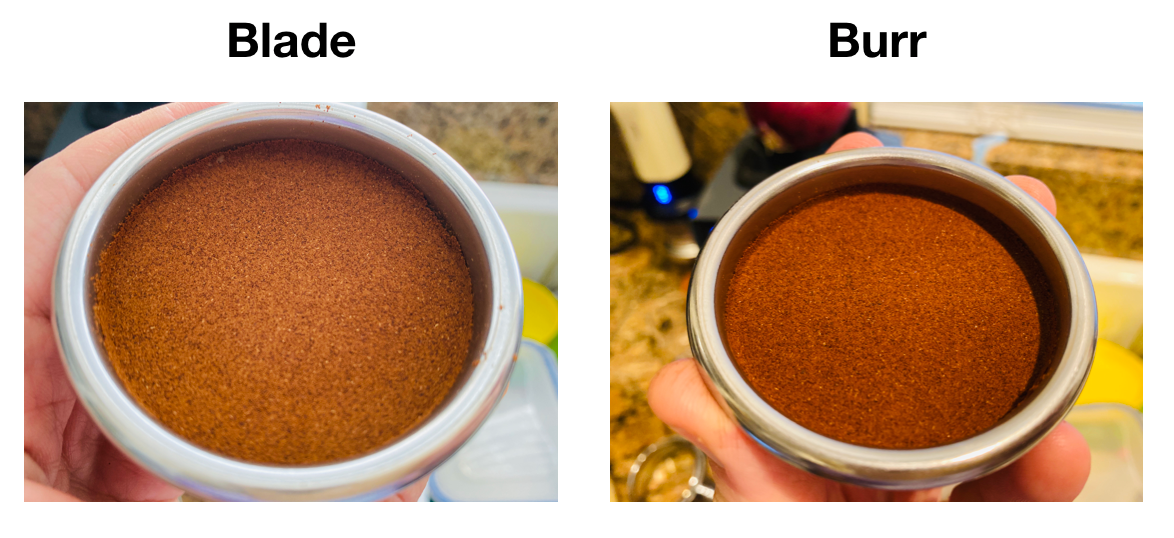
Your coffee grind should be even and consistent. When the grind becomes uneven, the blades may be worn out.
Uneven grinding can cause bad coffee flavor. Change the blades to restore consistent grinding.
Grinder Overheating Or Strange Noises
If the grinder motor heats up or makes loud noises, the blades might be dull or damaged. This adds strain on the motor.
Replacing the blades can reduce noise and prevent overheating. It helps the grinder work smoothly again.
Blade Replacement Frequency
Blade life depends on use and blade type. Some blades last longer with light use.
- Home use blades: replace every 6 to 12 months
- Heavy use blades: replace every 3 to 6 months
- Check manufacturer advice for specific models
Credit: medium.com
Choosing Quality Blades
Choosing the right blades is key to keeping your coffee grinder working well. Good blades help grind coffee beans evenly and last longer.
This guide covers what materials to look for and some reliable brands to consider.
Material Considerations
Blade material affects sharpness, durability, and rust resistance. Stainless steel blades are common and resist rust. Carbon steel blades stay sharp longer but need more care.
- Stainless steel: rust-resistant, easy to clean
- Carbon steel: very sharp, requires regular maintenance
- Titanium-coated: extra durable, stays sharp
- Ceramic: does not rust, but can chip easily
Brand Recommendations
Choosing blades from trusted brands ensures quality and proper fit. Some brands offer replacement blades designed for specific grinder models.
| Brand | Material | Notable Feature |
| Baratza | Stainless steel | Fits many popular grinders |
| Capresso | Carbon steel | Sharp and durable |
| Breville | Titanium-coated steel | Extra long-lasting sharpness |
| Porlex | Ceramic | Rust-proof, ideal for manual grinders |
Frequently Asked Questions
How Often Should I Clean Coffee Grinder Blades?
Clean the blades after every 1-2 weeks of use. This prevents coffee oil buildup and ensures consistent grinding performance. Regular cleaning extends the grinder’s lifespan and maintains coffee flavor quality.
What Is The Best Way To Clean Grinder Blades?
Use a soft brush or cloth to remove residue. For thorough cleaning, unplug the grinder and wipe blades with a damp cloth. Avoid water exposure inside the motor area to prevent damage.
Can I Use Water To Clean Coffee Grinder Blades?
Avoid direct water contact with the blades and motor. Use a damp cloth only if necessary and dry immediately. Excess moisture can damage electrical components and cause rust.
How Do I Sharpen Dull Coffee Grinder Blades?
Sharpen blades carefully using a sharpening stone or professional service. Regular maintenance prevents dullness. Avoid grinding hard substances that can damage blades and reduce sharpness.
Conclusion
Keeping your coffee grinder blades clean and sharp matters a lot. It helps grind coffee evenly and keeps flavors fresh. Regular cleaning stops old coffee from building up and causing damage. Use a soft brush or cloth to wipe blades after each use.
Check blades for dullness and replace if needed. A well-maintained grinder makes every cup taste better. Small efforts bring big rewards in your coffee routine. Take care of your grinder blades, and enjoy fresh coffee daily. Simple steps lead to great coffee moments.