

Your chef knife is more than just a tool—it’s the heart of your kitchen. If you want it to stay sharp, safe, and ready for every meal, proper care is key.
Imagine slicing through vegetables effortlessly, without struggling or risking injury. That’s exactly what maintaining your knife can do for you. You’ll discover simple, effective ways to keep your chef knife in top shape. Stick with me, and you’ll never have to deal with a dull blade again.
Credit: oishya.com
Choosing The Right Chef Knife
Picking the right chef knife helps you cook better and safer. A good knife fits your hand and cuts well.
Focus on blade material, handle design, and weight to find the best knife for you.
Blade Material
Blade material affects sharpness, durability, and care. Choose a material that suits your cooking style.
Stainless steel blades resist rust and are easy to maintain. High-carbon steel blades stay sharp longer but need more care.
- Stainless steel: low maintenance, rust-resistant
- High-carbon steel: very sharp, requires drying
- Ceramic: stays sharp, fragile and can chip
Handle Design
The handle should feel comfortable and secure in your hand. It affects how you control the knife.
Look for handles made from wood, plastic, or composite materials. Choose a shape that fits your grip style.
- Wood handles: warm feel, may need oiling
- Plastic handles: easy to clean, less grip
- Composite handles: durable and comfortable
Weight And Balance
Weight affects how long you can use the knife without tiring. Balance helps with control and precision.
A well-balanced knife feels steady. The weight should match your strength and cutting style.
- Heavy knives cut through dense foods easily
- Light knives offer more speed and less fatigue
- Balanced knives feel natural and steady in hand
Proper Cleaning Techniques
Keeping your chef knife clean is key to its performance. Proper cleaning stops rust and damage.
Learn the best ways to wash, dry, and store your knife to keep it sharp and safe.
Hand Washing Vs. Dishwasher
Hand washing your chef knife is safer than using a dishwasher. Dishwashers can dull the blade and harm the handle.
Wash the knife gently with warm water and mild soap. Avoid harsh scrubbing or steel wool.
- Use a soft sponge or cloth
- Wash immediately after use
- Rinse off all soap residue
- Never put your knife in the dishwasher
Drying And Storage
Dry your chef knife right after washing. Water left on the blade can cause rust and stains.
Store your knife in a safe, dry place. Use a knife block or magnetic strip to protect the blade.
- Use a soft towel to dry the blade fully
- Keep knives separate to avoid dulling
- Choose a dry, well-ventilated storage spot
- Avoid loose drawers where knives can bump
Effective Sharpening Methods
Keeping your chef knife sharp is important for safe and efficient cooking. There are several ways to sharpen your knife well.
Each sharpening method has its own tools and techniques. Choose the right one for your needs.
Using A Whetstone
A whetstone is a flat stone used to sharpen knives by hand. It removes metal from the blade to form a sharp edge.
Start with a coarse grit side to shape the blade. Then use a fine grit side to polish the edge for smooth cutting.
- Soak the whetstone in water for about 10 minutes before use
- Hold the knife at a 15-20 degree angle to the stone
- Move the blade across the stone in a sweeping motion
- Repeat evenly on both sides of the blade
- Rinse the blade and stone after sharpening
Honing Rod Usage
A honing rod does not sharpen but straightens the blade’s edge. It helps keep the knife sharp between sharpening.
Use a honing rod regularly to realign the edge. This keeps the knife cutting cleanly and safely.
- Hold the rod vertically with the tip on a stable surface
- Place the knife edge against the rod at a 15-20 degree angle
- Swipe the blade down the rod, from base to tip
- Repeat about 5-10 times on each side
- Wipe the blade clean after honing
Electric Sharpeners
Electric sharpeners make sharpening quick and easy. They use rotating abrasive wheels to sharpen the blade.
These devices often have slots for different sharpening stages. Use the correct slot for your knife’s dullness level.
- Turn on the sharpener before inserting the blade
- Pull the knife through the slots slowly and evenly
- Use coarse slots for very dull blades
- Use fine slots to polish and finish the edge
- Clean the blade after sharpening

Credit: imarku.net
Storing Your Knife Safely
Keeping your chef knife safe is very important. Proper storage protects the blade and keeps you safe from cuts.
Choose a storage method that stops the blade from hitting hard surfaces. This helps the knife stay sharp longer.
Magnetic Strips
Magnetic strips hold your knife securely on the wall. This keeps the blade away from other tools and surfaces.
Make sure the magnet is strong enough to hold the knife. Place the strip high enough to keep knives out of reach of children.
- Keep blades dry before placing on the strip
- Clean the strip regularly to avoid rust
- Place knives flat on the magnet to avoid damage
Knife Blocks
Knife blocks store knives safely in slots. They stop blades from touching each other and getting dull.
Choose a block that fits your knife size. Clean it often to avoid dust and moisture buildup.
- Insert knives blade-side up or down depending on block design
- Use blocks made of wood or plastic for best protection
- Keep the block in a dry place to prevent mold
Blade Guards
Blade guards cover the knife blade for safe storage. They protect the edge from nicks and scratches.
Use guards when storing knives in drawers or bags. Make sure the guard fits the blade size well.
- Choose guards made of plastic or silicone
- Keep guards clean and dry to avoid bacteria
- Always cover blades before moving or storing knives
Daily Maintenance Habits
Keeping your chef knife in good shape helps it last longer. Daily care makes your knife safe and sharp.
Simple habits every day protect your knife from damage and rust. These habits are easy to follow.
Regular Inspection
Check your knife before and after use. Look for any chips, cracks, or rust spots on the blade.
Also, check the handle for looseness or cracks. A loose handle can be dangerous while cutting.
- Examine the blade edge for dullness or damage
- Look for any rust or discoloration
- Check handle tightness and condition
- Ensure the blade is straight and not bent
Immediate Cleaning
Clean your chef knife right after use. This stops food and moisture from causing stains or rust.
Use warm water and mild soap. Avoid harsh detergents or scrubbing pads that can harm the blade.
- Rinse the knife with warm water
- Use a soft cloth or sponge with mild soap
- Dry the knife immediately with a clean towel
- Never leave your knife soaking in water
Credit: oishya.com
Common Mistakes To Avoid
Keeping your chef knife sharp and safe needs care. Many people make simple mistakes. These mistakes can damage the knife and make cutting harder.
Knowing what to avoid helps your knife last longer. This guide shows two common errors to watch out for when using and caring for your chef knife.
Improper Cutting Surfaces
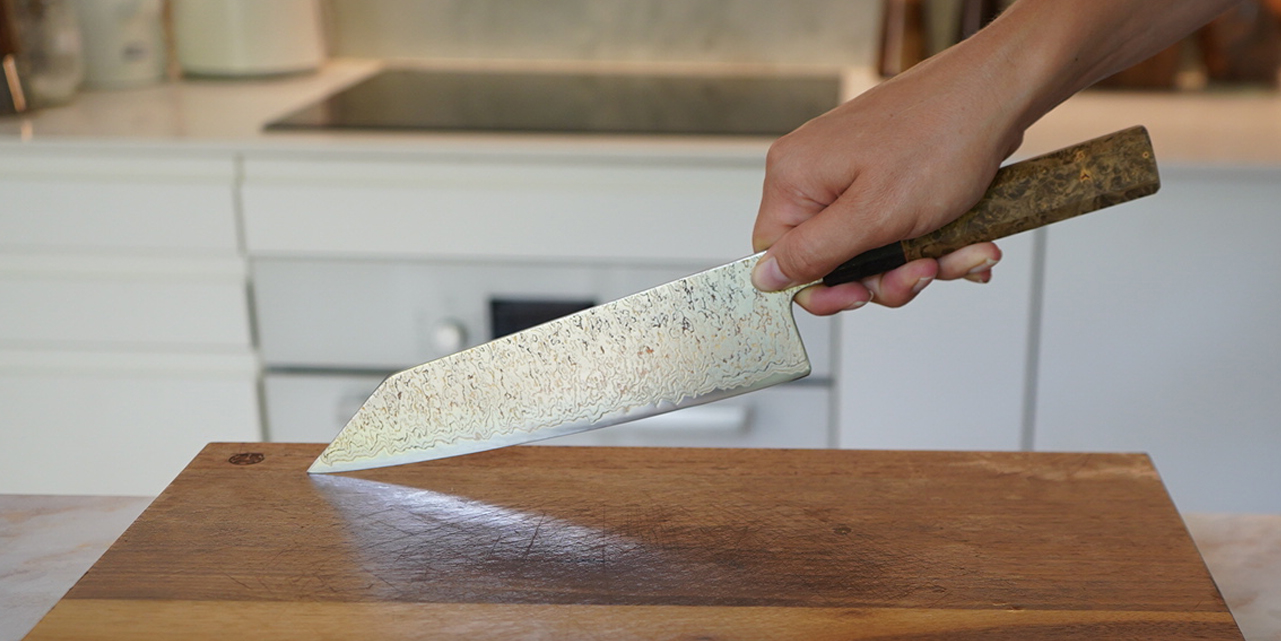
Using the wrong surface can ruin your knife’s edge. Hard surfaces like glass, stone, or metal cause the blade to dull quickly.
Always cut on soft surfaces that protect the blade. Wood and plastic cutting boards are best. They help keep the knife sharp and safe.
- Do not use glass, ceramic, or metal boards
- Choose wood or plastic cutting boards
- Replace boards if they get deep cuts or grooves
Neglecting Regular Maintenance
Not caring for your knife regularly causes problems. Dirt, rust, and dull edges build up without proper cleaning and sharpening.
Clean your knife after every use. Dry it well to stop rust. Sharpen the blade often to keep it cutting well.
- Wash by hand with mild soap and water
- Dry immediately after washing
- Sharpen your knife regularly with a whetstone or sharpener
- Store in a knife block or magnetic strip
When To Seek Professional Help
Maintaining your chef knife is important for safety and performance. Some problems need a professional’s attention to fix properly.
Knowing when to ask for expert help can save your knife from damage. It also keeps it working well for a long time.
Signs Of Blade Damage
Look carefully at your knife blade for damage. Some signs mean you should not try to fix it yourself.
Common signs of blade damage include chips, cracks, and deep scratches. These problems can make the knife unsafe.
- Chipped or missing pieces on the edge
- Visible cracks on the blade surface
- Deep scratches that affect cutting
- Blade bent out of shape
Professional Sharpening Services
Professional sharpening improves your knife’s edge safely. Experts use special tools that you may not have at home.
They can fix minor damage and restore the blade’s sharpness. This keeps your chef knife working well and lasts longer.
- Use diamond or water stones for even sharpening
- Fix chips and small cracks carefully
- Restore the blade’s original angle
- Clean and polish the blade surface
Frequently Asked Questions
How Often Should I Sharpen My Chef Knife?
Sharpen your chef knife every 1 to 3 months depending on use. Regular sharpening maintains edge sharpness and improves cutting performance. Use a whetstone or professional service for best results. Avoid using dull knives to ensure safety and precision in the kitchen.
What Is The Best Way To Clean A Chef Knife?
Hand wash your chef knife with warm water and mild soap immediately after use. Avoid soaking or using a dishwasher, as this can damage the blade. Dry the knife thoroughly with a soft cloth to prevent rust and maintain its longevity.
How Should I Store My Chef Knife Safely?
Store your chef knife in a knife block, magnetic strip, or blade guard. Proper storage protects the blade from damage and prevents accidents. Avoid tossing knives loosely in drawers to maintain sharpness and ensure kitchen safety.
Can I Use A Chef Knife On All Cutting Boards?
Use wooden or plastic cutting boards with your chef knife for best results. Hard surfaces like glass or stone can dull the blade quickly. Choosing the right cutting board extends your knife’s life and improves cutting accuracy.
Conclusion
Taking care of your chef knife is simple and rewarding. Clean it right after use and dry it well. Sharpen your knife regularly to keep it sharp and safe. Store it properly to avoid damage. Small efforts keep your knife working well for years.
A well-maintained knife makes cooking easier and more fun. Keep these tips in mind, and your knife will stay in great shape. Good care helps you enjoy cooking every day.