
Your blender is one of the most useful tools in your kitchen. But if you don’t take care of it properly, it can stop working just when you need it the most.
Imagine making your favorite smoothie or sauce, only to find your blender jammed or broken. That’s frustrating, right? The good news is, keeping your blender in top shape is easier than you think. You’ll discover simple, effective ways to maintain your blender so it lasts longer and works better every time.
Keep reading, and you’ll never have to worry about a stubborn blender again!
Regular Cleaning Routine
Keeping your blender clean helps it work well for a long time. Dirt and food bits can build up and cause problems.
A simple cleaning routine can stop bad smells and keep your blender safe to use.
Daily Cleaning Steps
Clean your blender right after use. This stops food from drying and sticking inside.
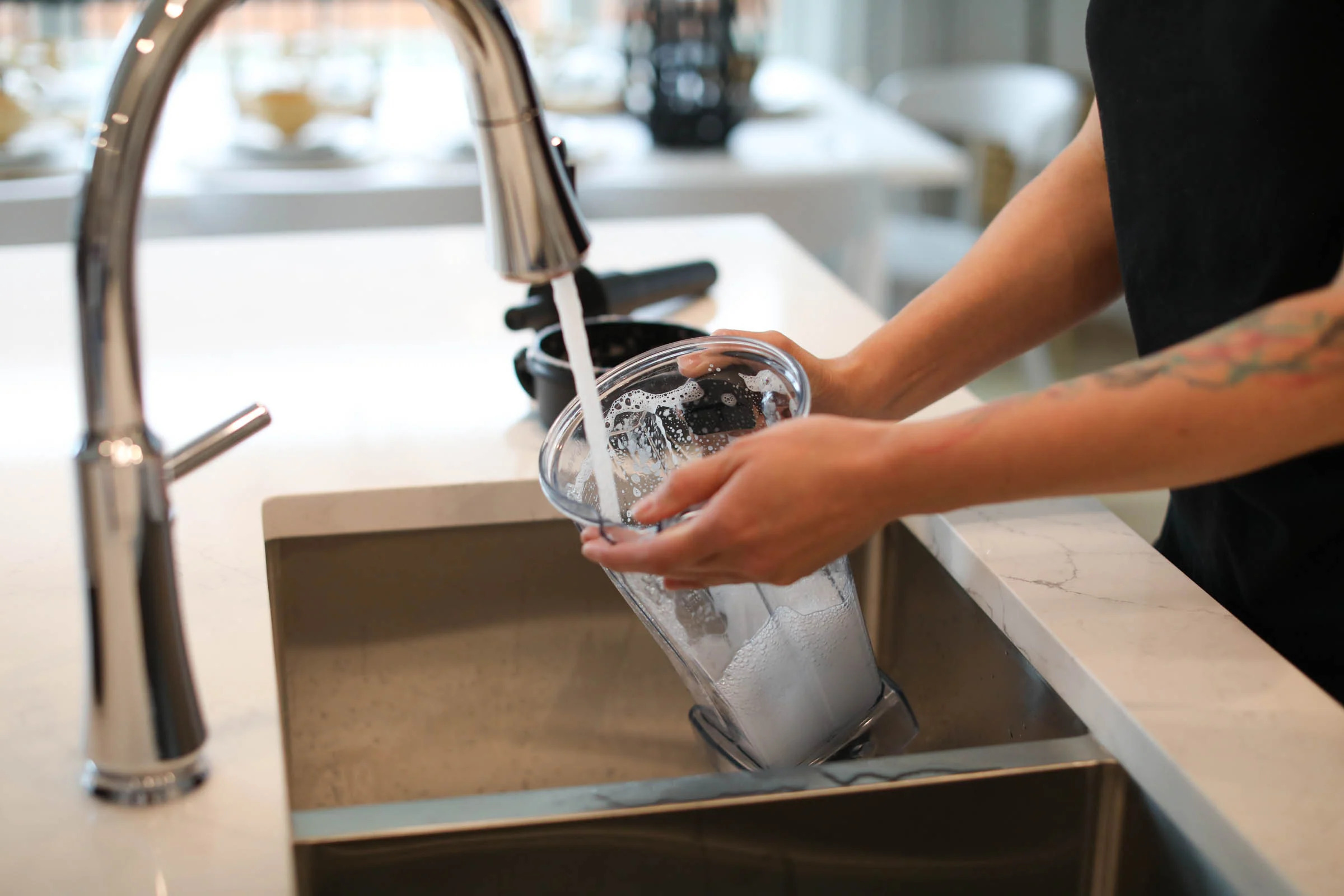
- Rinse the jar with warm water to remove loose bits.
- Add soap and warm water, then blend for 30 seconds.
- Rinse the jar and lid well with clean water.
- Dry all parts with a clean cloth or let them air dry.
- Wipe the blender base with a damp cloth. Avoid water inside it.
Deep Cleaning Techniques
Clean your blender deeply once a week to remove tough stains and smells.
| Cleaning Step | Method |
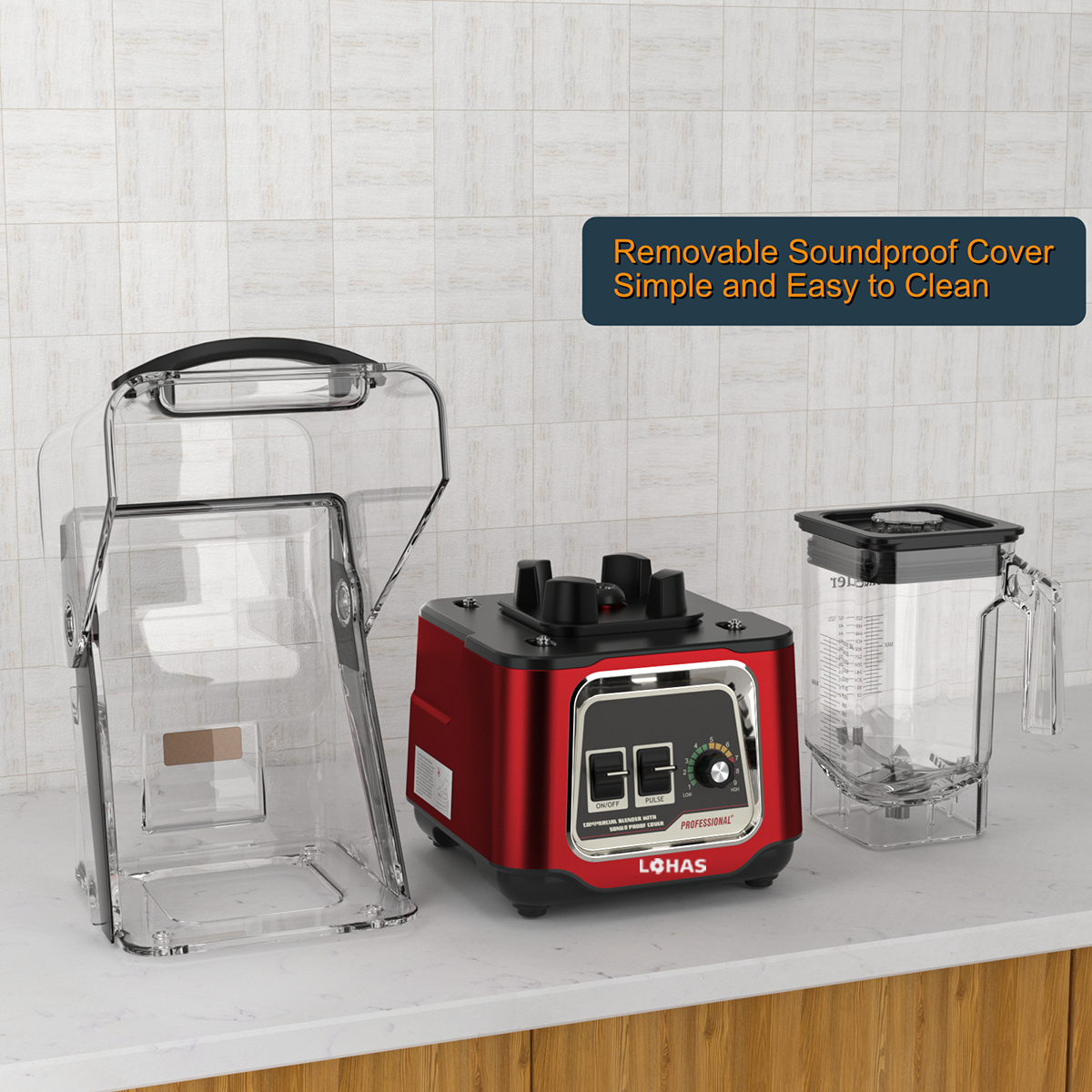
| Disassemble Parts | Remove jar, blade, lid, and gasket. |
| Soak in Vinegar | Use a 1:1 mix of water and white vinegar for 10 minutes. |
| Scrub Blade | Use a small brush to clean blades carefully. |
| Rinse Thoroughly | Wash all parts with warm water and soap. |
| Dry Fully | Air dry or wipe with a clean towel before reassembly. |
Credit: www.lohasblender.com
Proper Assembly And Disassembly
Keeping your blender in good shape needs careful assembly and disassembly. This helps your blender work well and last longer.
Learning the right way to put the parts together and take them apart can prevent damage and keep you safe.
Correct Blade Installation
Installing the blade correctly is key for safe and smooth blending. The blade must fit tightly to avoid leaks and accidents.
- Place the gasket or rubber seal on the blade assembly first.
- Attach the blade to the base by twisting it until it is secure.
- Make sure the blades are pointing upwards inside the jar.
- Check for any gaps or loose parts before use.
- Do not over-tighten as this can damage the threads.
Safe Disassembly Practices
Taking apart your blender safely stops injuries and keeps parts from breaking. Always unplug the blender before starting.
| Action | Safety Tip |
| Remove the blender jar from the motor base. | Unplug the blender first to avoid accidental start. |
| Unscrew the blade assembly carefully. | Use a cloth to hold the blade to avoid cuts. |
| Lift out the gasket and blades gently. | Handle blades by the base, not the sharp edges. |
| Clean each part separately. | Do not soak the blade assembly for too long. |
Avoiding Overuse And Overheating
Using a blender properly keeps it working well for a long time. Overusing or overheating your blender can cause damage. Knowing the right limits helps you avoid problems.
This guide explains the recommended usage limits and signs of overheating to watch for. Follow these tips to keep your blender safe and efficient.
Recommended Usage Limits
Blenders have limits on how long they should run continuously. Exceeding these limits can cause motor strain and reduce lifespan.
- Run the blender for no more than 1 minute at a time.
- Allow the motor to rest for at least 2 minutes between uses.
- Do not overload the blender with thick or heavy ingredients.
- Use the correct speed setting for the type of food you blend.
- Check the user manual for any specific limits your model has.
Signs Of Overheating
Recognizing when your blender is overheating helps prevent serious damage. Watch for these common signs:
| Sign | Description |
|---|---|
| Burning Smell | A strong, unusual odor from the motor area |
| Motor Stops | The blender suddenly shuts off during use |
| Hot Surface | The base feels very hot to touch after short use |
| Unusual Noise | Grinding or whining sounds from the motor |
If you notice any of these signs, stop using the blender immediately. Let it cool down before trying again. Continuous use while overheated can cause permanent damage.
Choosing The Right Ingredients
Using the right ingredients helps keep your blender working well. It also makes your drinks smooth and tasty.
Picking ingredients that blend easily protects the blades and motor. This saves you time and money on repairs.
Avoiding Hard And Frozen Items
Hard foods like nuts or ice can strain your blender. They can dull the blades or damage the motor.
Try to cut hard ingredients into small pieces. Soften frozen fruits before blending for better results.
- Chop nuts into smaller bits
- Let frozen fruit thaw slightly
- Use crushed ice instead of large cubes
- Avoid blending hard seeds or pits
Liquid To Solid Ratio
Proper liquid helps ingredients move smoothly inside the blender. Too little liquid can cause jams.
Start with enough liquid to cover solids halfway. Add more if the blender struggles to blend.
- Use water, juice, or milk as liquid
- Cover solids at least halfway with liquid
- Add liquid gradually if needed
- Avoid thick mixtures that stall blades
Blade Maintenance
Keeping your blender blades sharp and safe is key to good performance. Regular care prevents damage and keeps your blender working well.
This guide covers easy tips on sharpening blades and checking them for damage. Follow these steps to extend your blender’s life.
Sharpening Tips
Dull blades make blending slow and uneven. Sharpen the blades carefully to keep them strong and efficient.
- Use a small sharpening stone or a fine file.
- Remove the blade assembly before sharpening.
- Hold the blade at a 15 to 20-degree angle to the sharpener.
- Move the blade edge against the sharpener with light pressure.
- Sharpen both sides evenly for best results.
- Clean the blades well after sharpening to remove metal dust.
Inspecting For Damage
Check your blender blades often to find cracks, chips, or bends. Damaged blades can cause leaks or poor blending.
| Type of Damage | Signs to Look For | Action Needed |
| Cracks | Small lines or breaks on the blade surface | Replace the blade immediately |
| Chips | Missing small pieces or rough edges | Do not use; get a new blade |
| Bent Blades | Blades that do not align or spin smoothly | Stop using and replace the blade |
Proper Storage Practices
Keeping your blender in good shape needs the right storage habits. Proper storage helps your blender last longer and work better.
Storing your blender correctly protects it from damage and keeps it clean. This saves you time and money on repairs or replacements.
Storing In A Safe Location
Place your blender in a spot where it won’t fall or get knocked over. Choose a flat, stable surface like a kitchen counter or shelf.
Avoid storing your blender near the edge of counters or shelves. Keep it away from places with heavy traffic to prevent accidents.
- Use a sturdy shelf or cabinet
- Keep it away from children’s reach
- Store it where it won’t get bumped
- Place the blender unplugged and disassembled
Protecting From Dust And Moisture
Dust and moisture can harm your blender’s parts. Cover your blender to keep dirt and dampness away when not in use.
Use a clean cloth or plastic cover to protect it. Avoid storing the blender in damp places like near the sink or stove.
- Wipe blender dry before storing
- Cover with a dust-proof cloth or plastic
- Keep away from humid areas
- Store in a well-ventilated cabinet
Troubleshooting Common Issues
Blenders are useful kitchen tools, but sometimes they can have problems. Knowing how to fix common issues saves time and money.
This guide covers how to handle unusual noises and poor blending performance. Follow these tips to keep your blender working well.
Dealing With Unusual Noises
If your blender makes strange sounds, it may need attention. These noises can mean something is wrong inside the machine.
- Check if the blender is on a flat surface. Uneven surfaces cause extra noise.
- Inspect the blades for damage or loose parts. Tighten or replace if needed.
- Look for stuck food or debris around the blade area and clean it out.
- Make sure the blender jar is properly attached to the base.
- If the motor sounds loud or grinding, stop using it and consult a technician.
Fixing Poor Blending Performance
A blender that does not blend well can ruin recipes. Check these common causes and fixes to improve its performance.
| Problem | Possible Cause | Solution |
| Blending too slowly | Too many ingredients in jar | Reduce the amount and blend in batches |
| Chunks remain after blending | Blades dull or damaged | Sharpen or replace blades |
| Motor overheats quickly | Overloading or blending thick mixtures | Use pulse mode and allow cooling breaks |
| Blender stops suddenly | Overheating protection activated | Unplug and wait 15 minutes before restarting |
Credit: producthelp.kitchenaid.com
When To Seek Professional Repair
Blenders are useful kitchen tools that need care to last long. Sometimes, problems happen that you cannot fix yourself. Knowing when to get professional help keeps your blender safe and working well.
Trying to fix big issues alone can cause more damage. A trained repair person can find and fix serious problems quickly and safely.
Identifying Major Faults
Some blender problems need expert attention. These include issues that stop the blender from working or cause unsafe use.
- The blender does not turn on at all.
- There is a burning smell or smoke when using it.
- The motor makes loud or strange noises.
- The blender leaks liquid from the base.
- The blades do not spin even when the motor runs.
- Buttons or controls are broken or unresponsive.
If you see any of these problems, stop using the blender. Contact a professional to check it out. Using a faulty blender can cause electric shocks or fires.
Choosing A Repair Service
Pick a repair service that knows blenders well. Look for trained technicians who use real parts. This helps your blender work like new after repair.
Check if the service offers a warranty on repairs. Good services stand behind their work and fix issues for free if needed.
- Find a local repair shop with blender experience.
- Ask if they use original manufacturer parts.
- Look for clear pricing before repair starts.
- Choose services with good customer reviews.
- See if they offer a repair warranty.
Credit: www.housework.com
Frequently Asked Questions
How Often Should I Clean My Blender?
Clean your blender after every use. This prevents food buildup and bacterial growth. Regular cleaning keeps it hygienic and extends its lifespan.
What Is The Best Way To Deep Clean A Blender?
Fill the blender halfway with warm water and add a drop of dish soap. Blend for 30 seconds, rinse thoroughly, and wipe the base with a damp cloth.
Can I Put Blender Parts In The Dishwasher?
Most blender jars and lids are dishwasher safe. Check the manufacturer’s instructions first. Avoid putting the motor base or blades in the dishwasher to prevent damage.
How Do I Sharpen Blender Blades Safely?
Remove the blades carefully and use a blade sharpener or fine steel. Always handle blades with caution to avoid injury. Regular sharpening improves blending efficiency.
Conclusion
Keeping your blender clean and well cared for extends its life. Clean blades and jars after each use to avoid buildup. Check the seals and motor regularly to ensure smooth operation. Store your blender in a dry place to prevent damage.
Small efforts make a big difference in performance. Enjoy fresh and tasty blends every day. A well-maintained blender saves money and time. Simple steps keep your kitchen tool working like new.