

Handling raw meat safely is one of the most important steps you can take to protect yourself and your loved ones from foodborne illnesses. You might think you already know the basics, but even small mistakes in the kitchen can lead to serious health risks.
Imagine preparing a delicious meal without worrying about contamination or bacteria—that peace of mind is closer than you think. You’ll discover simple, practical tips that make handling raw meat safe and easy. Keep reading to learn how to keep your kitchen clean, avoid cross-contamination, and enjoy your meals with confidence.
Credit: myfoodservicelicense.com
Risks Of Handling Raw Meat
Handling raw meat can be risky if not done properly. Raw meat can carry harmful bacteria and germs. These can cause illness if they contaminate food or surfaces.
Knowing about common bacteria and health hazards helps keep you safe. Proper handling reduces the chance of getting sick.
Common Bacteria In Raw Meat
Raw meat can contain bacteria that cause illness. These bacteria are invisible to the eye. It’s important to know about them to stay safe.
- Salmonella: Often found in chicken and eggs. Causes stomach pain and fever.
- E. coli: Found in beef. Can lead to severe cramps and diarrhea.
- Listeria: Can be in deli meats and hot dogs. Dangerous for pregnant women.
Health Hazards From Contamination
Contaminated meat can spread germs to other foods. This happens if raw meat touches cooked food. Using the same cutting board without cleaning spreads bacteria.
Health hazards include food poisoning and severe stomach issues. Symptoms can be mild or severe. It depends on the type of bacteria and the amount consumed.
| Symptom | Possible Cause |
| Nausea | Salmonella or E. coli |
| Fever | Listeria |
| Diarrhea | E. coli |

Credit: lansdalemeats.net
Safe Storage Practices
Storing raw meat safely helps stop germs from spreading. Keep meat cold and separate to stay safe.
Good storage stops food poisoning and keeps meat fresh longer. Follow these simple tips for safety.
Temperature Control
Keep raw meat in the fridge at 40°F (4°C) or below. Cold temperatures slow bacteria growth.
If you freeze meat, set your freezer at 0°F (-18°C) or lower. Freeze meat quickly to keep quality.
- Store meat on the bottom shelf of the fridge
- Use a thermometer to check fridge and freezer temps
- Do not leave raw meat out at room temperature
- Use frozen meat within recommended time limits
Separation From Other Foods
Keep raw meat apart from cooked and ready-to-eat foods. This stops cross-contamination.
Use separate containers or sealed bags for raw meat. Do not let juices drip on other foods.
- Store raw meat in sealed containers or bags
- Place meat on the bottom shelf to avoid drips
- Use separate cutting boards for meat and other foods
- Clean surfaces and hands after handling raw meat
Proper Thawing Techniques
Handling raw meat safely starts with thawing it the right way. Thawing meat properly stops bacteria from growing. This helps keep food safe and fresh.
There are several safe ways to thaw meat. Each way works best in different situations. Use these techniques to avoid foodborne illness.
Refrigerator Thawing
Refrigerator thawing is the safest way to thaw raw meat. Keep the meat in its packaging and place it on a plate. Put it on the bottom shelf to avoid drips on other foods.
This method takes time. Larger cuts may need a day or more. Small pieces thaw faster. Always cook meat soon after thawing in the fridge.
- Place meat on a plate to catch juices.
- Keep meat in original packaging.
- Allow enough time for thawing (usually 24 hours per 5 pounds).
- Cook meat within 1-2 days after thawing.
Cold Water Method
Cold water thawing is faster than the fridge method. Put the meat in a leak-proof bag. Submerge the bag in cold water. Change the water every 30 minutes.
Cook the meat right after thawing. Do not use warm or hot water. This can cause bacteria to grow on the meat’s surface.
- Seal meat in a leak-proof plastic bag.
- Submerge bag in cold tap water.
- Change water every 30 minutes.
- Cook meat immediately after thawing.
Microwave Thawing
Microwave thawing is the fastest way to thaw meat. Use the microwave’s defrost setting. Check and turn the meat often to thaw evenly.
Cook the meat right after thawing in the microwave. Some parts may begin to cook during thawing. This can cause uneven cooking if not handled quickly.
- Use the defrost setting on your microwave.
- Turn or rotate meat often.
- Remove any parts that start to cook.
- Cook meat immediately after thawing.
Effective Cleaning Methods
Handling raw meat safely is very important to avoid sickness. Cleaning well stops harmful germs from spreading.
Use strong cleaning methods on all surfaces and tools after working with raw meat. This keeps your kitchen safe.
Sanitizing Surfaces And Utensils
Clean all cutting boards, counters, and utensils after touching raw meat. Use hot, soapy water to remove dirt.
After washing, sanitize surfaces to kill germs. A mix of water and bleach works well for this.
- Wash with hot, soapy water
- Rinse thoroughly with clean water
- Apply a sanitizer solution (1 tablespoon bleach per gallon of water)
- Let surfaces air dry or dry with a clean towel
- Do not reuse towels without washing
Hand Washing Guidelines
Wash your hands before and after handling raw meat. This stops germs from spreading to food or other surfaces.
Use warm water and soap. Rub hands together for at least 20 seconds, then rinse and dry with a clean towel.
- Wet hands with warm water
- Apply soap and lather well
- Scrub all parts of hands and fingers for 20 seconds
- Rinse hands under running water
- Dry with a clean towel or air dry
Cooking Temperatures To Kill Bacteria
Cooking meat to the right temperature kills harmful bacteria. This keeps you safe from foodborne illness.
Using a meat thermometer helps check if the meat is cooked enough. It prevents undercooking or overcooking.
Recommended Internal Temperatures
Different meats need different temperatures to be safe. Make sure to cook each type to its correct temperature.
- Chicken and turkey: 165°F (74°C)
- Ground beef, pork, lamb: 160°F (71°C)
- Beef, pork, lamb (steaks, roasts, chops): 145°F (63°C) with a 3-minute rest time
- Fish and shellfish: 145°F (63°C)
Using A Meat Thermometer
Insert the thermometer into the thickest part of the meat. Avoid touching bone, fat, or gristle.
Wait a few seconds for the reading to stabilize. Check the temperature before serving.
- Clean the thermometer before and after use
- Use a digital or dial thermometer for easy reading
- Check multiple spots in large cuts for even cooking

Credit: steakrevolution.com
Avoiding Cross-contamination
Cross-contamination happens when harmful bacteria spread from raw meat to other foods. It can cause food poisoning and health risks.
Safe handling of raw meat helps prevent bacteria from spreading to fruits, vegetables, and cooked foods.
Separate Cutting Boards
Use different cutting boards for raw meat and other foods. This stops bacteria from mixing and spreading.
Label or color-code boards to keep them separate and easy to identify in your kitchen.
- Use one board for raw meat only
- Use another board for vegetables and fruits
- Clean boards with hot, soapy water after each use
- Replace boards that are deeply scratched or worn
Proper Handling Of Leftovers
Store leftovers in clean containers to avoid contact with raw meat juices. This keeps food safe to eat later.
Cool leftovers quickly and refrigerate them within two hours. This stops bacteria from growing.
- Use airtight containers for leftovers
- Label containers with date and contents
- Reheat leftovers to 165°F (74°C) before eating
- Discard leftovers kept longer than 3-4 days
Frequently Asked Questions
How To Prevent Cross-contamination With Raw Meat?
Always use separate cutting boards and utensils for raw meat. Wash hands and surfaces thoroughly with soap and hot water. Store raw meat below cooked foods in the fridge to avoid drips. These steps reduce the risk of harmful bacteria spreading.
What Temperature Kills Bacteria In Raw Meat?
Cooking meat to the right internal temperature kills harmful bacteria. Use a meat thermometer to check. For example, beef should reach 145°F, poultry 165°F, and ground meat 160°F. Proper cooking ensures meat is safe to eat.
How Should Raw Meat Be Stored Safely?
Keep raw meat refrigerated at 40°F or below. Store it in sealed containers to prevent leaks. Use or freeze meat before the expiration date. Proper storage slows bacterial growth and keeps meat fresh longer.
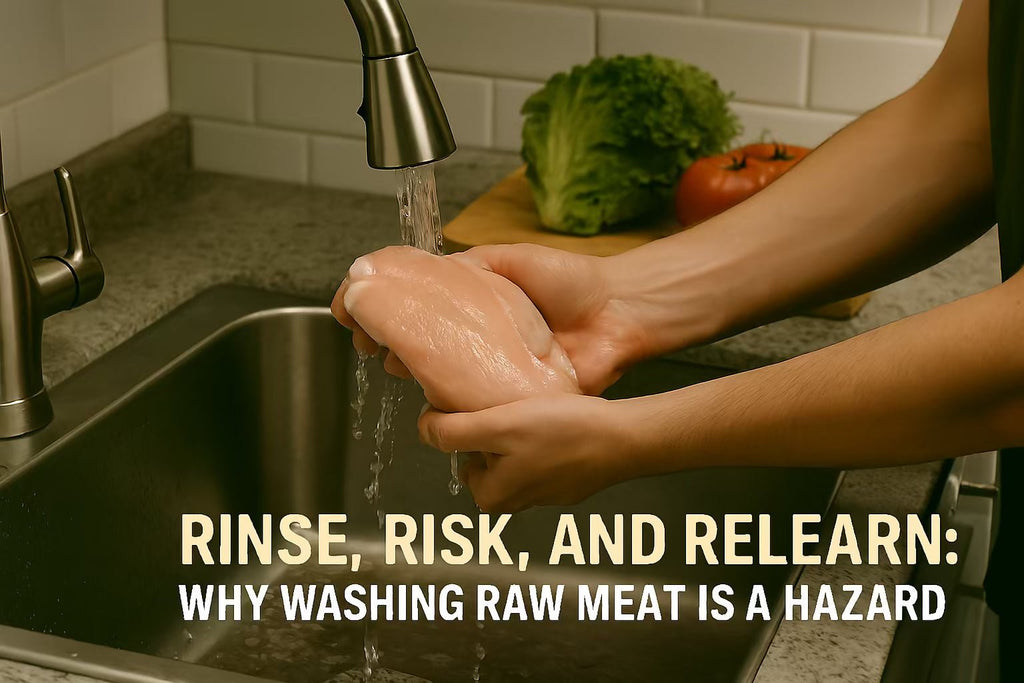
Can You Wash Raw Meat Before Cooking?
No, washing raw meat is not recommended. It can spread bacteria through splashing water. Cooking meat to the right temperature effectively kills bacteria. Instead, handle meat carefully and clean surfaces afterward.
Conclusion
Handling raw meat safely protects your health every day. Clean your hands and surfaces well. Always keep raw meat separate from other foods. Cook meat to the right temperature to kill germs. Store leftovers quickly in the fridge or freezer.
Small steps make a big difference in food safety. Stay careful, and enjoy your meals without worry. Safe habits keep your kitchen clean and your family healthy. Keep these tips in mind each time you cook. Safety starts with you, so take it seriously.