
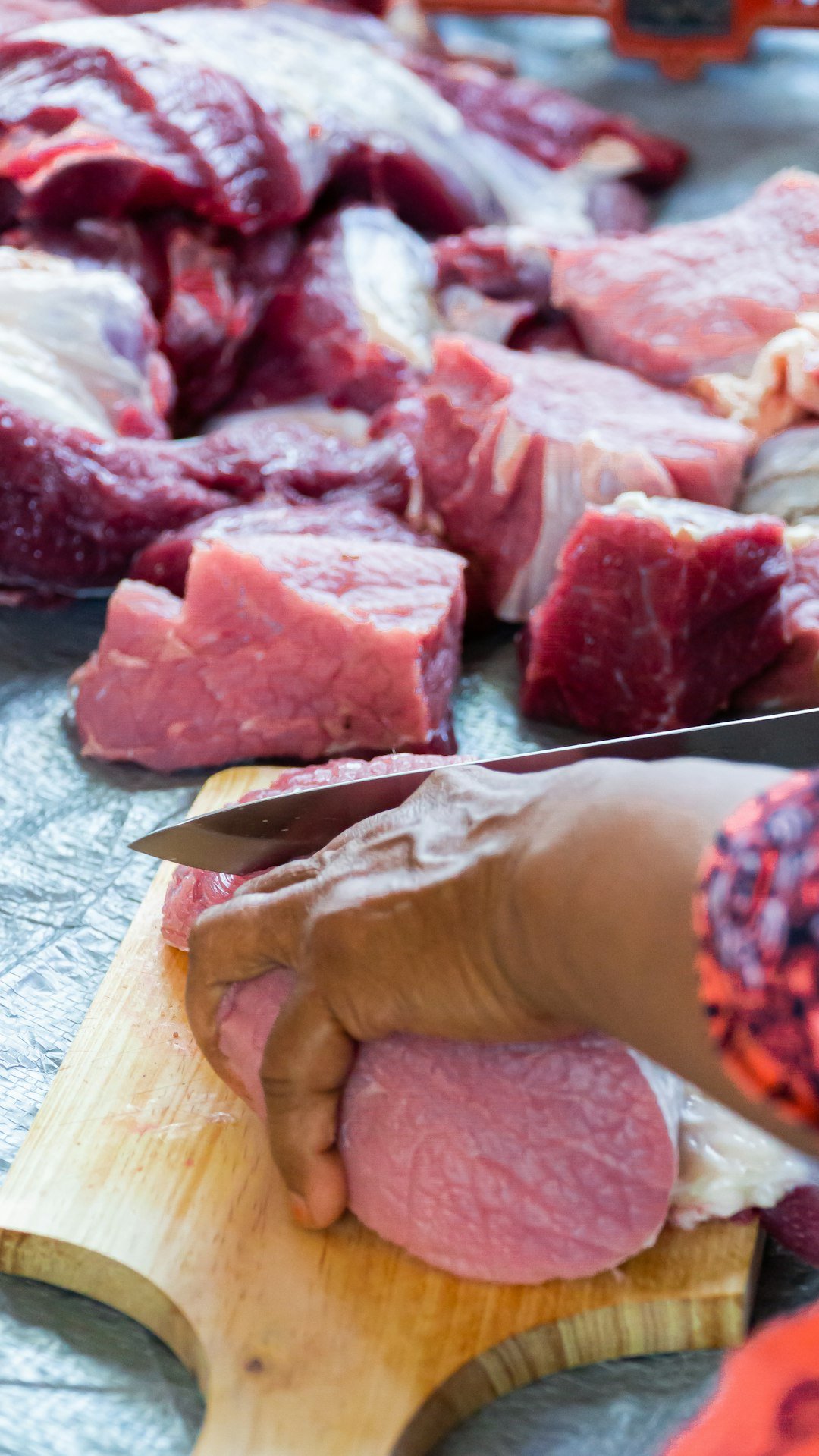
Handling raw meat safely is crucial for protecting you and your loved ones from harmful bacteria. If you’re not careful, a simple mistake in the kitchen can lead to food poisoning or serious illness.
But don’t worry—this guide will show you easy and effective ways to keep your meat fresh and safe every time you cook. By following these simple tips, you’ll feel confident and in control, turning your kitchen into a safe space for delicious meals.
Ready to learn how to protect your health while enjoying your favorite dishes? Keep reading!
Choosing Quality Meat
Choosing good meat is important for safety and taste. Fresh, quality meat helps prevent food poisoning.
Learn how to pick meat that looks fresh and is safe to cook and eat.
Check The Color
Fresh meat has a bright, natural color. Beef should be bright red, pork pink, and poultry pale pink.
A dull or grayish color may mean the meat is old or spoiling. Avoid meat with dark spots or greenish shades.
Look At The Packaging
Meat should be sealed tightly in clean packaging. Avoid packages with tears, leaks, or too much liquid.
Clear packaging lets you see the meat easily. Check the expiration or sell-by date on the label.
- Choose packages without damage
- Pick meat before the expiration date
- Look for clear, clean packaging
Smell The Meat
Fresh meat has a mild, clean smell. If it smells sour, strong, or bad, do not buy it.
Always trust your nose to avoid meat that can cause illness.
Feel The Texture
Good meat is firm and slightly moist. It should spring back when you press it gently.
Avoid meat that feels sticky, slimy, or too soft. These are signs it may be spoiled.

Credit: steakrevolution.com
Proper Storage Techniques
Storing raw meat correctly keeps it safe to eat. It also stops bacteria from growing.
Using the right storage methods helps keep meat fresh longer. It lowers the risk of food poisoning.
Refrigeration Guidelines
Keep raw meat in the fridge at or below 40°F (4°C). This slows bacteria growth.
Store meat on the lowest shelf. This prevents juices from dripping on other foods.
- Use airtight containers or tightly wrap meat.
- Keep meat separate from ready-to-eat foods.
- Use meat within 1-2 days for best freshness.
Freezing Tips
Freeze raw meat if you do not plan to use it soon. This stops bacteria from growing.
Wrap meat tightly in freezer bags or foil. Remove as much air as possible to avoid freezer burn.
- Label packages with date and type of meat.
- Use frozen meat within 3-12 months depending on the type.
- Thaw meat in the fridge, not on the counter.
Avoiding Cross-contamination
Cross-contamination happens when raw meat touches other foods. This spreads bacteria and causes illness.
Always use separate cutting boards and utensils for raw meat. Clean them well after use.
- Keep raw meat away from fruits and vegetables.
- Wash hands with soap after handling raw meat.
- Clean all surfaces that touch raw meat with hot, soapy water.
Safe Thawing Methods
Thawing raw meat safely is important to stop bacteria from growing. Use safe ways to keep your food healthy.
There are three common ways to thaw meat: in the refrigerator, in cold water, and in the microwave.
Refrigerator Thawing
Thaw meat in the fridge to keep it at a safe temperature. This method takes longer but is the safest.
Place the meat on a plate or in a container to catch any drips. Keep it on the bottom shelf.
- Allow enough time; large pieces take 24 hours or more
- Keep the fridge temperature below 40°F (4°C)
- Cook meat soon after it thaws
Cold Water Thawing
Use cold water to thaw meat faster than the fridge. Keep the meat in a leak-proof bag.
Change the water every 30 minutes to keep it cold and safe.
- Submerge meat fully in cold water
- Change water every 30 minutes
- Cook meat immediately after thawing
Microwave Thawing
Microwave thawing is the fastest way. Use the defrost setting and check the meat often.
Cook the meat right after thawing. Some parts may start to cook in the microwave.
- Use microwave’s defrost setting
- Stop to check and turn meat often
- Cook meat immediately after thawing
Preparation Precautions
Handling raw meat safely helps prevent food poisoning. It is important to take simple steps in the kitchen to avoid spreading germs.
Preparing meat carefully keeps your family safe. Follow these tips to reduce the risk of contamination.
Using Separate Cutting Boards
Use different cutting boards for raw meat and other foods. This stops bacteria from spreading to fruits, vegetables, or cooked food.
Label your cutting boards or use color codes. This helps everyone in the kitchen know which board is for meat and which is for other foods.
- Use one board for raw meat only
- Use a separate board for vegetables and fruits
- Clean boards well after each use
- Replace old or deeply scored boards
Sanitizing Kitchen Utensils
Clean knives, forks, and other utensils right after using them with raw meat. This stops germs from moving to other foods.
Use hot, soapy water to wash utensils. Rinse well and dry with a clean towel or air dry.
- Wash utensils immediately after use
- Use hot water and soap
- Sanitize with a bleach solution if needed
- Keep utensils separate during food prep
Hand Washing Practices
Wash your hands well before and after handling raw meat. This is one of the best ways to stop bacteria from spreading.
Use warm water and soap. Rub your hands for at least 20 seconds, including under nails and between fingers.
- Wash hands before food prep
- Wash hands after touching raw meat
- Dry hands with a clean towel
- Use hand sanitizer only if soap is not available
Cooking To Correct Temperatures
Cooking raw meat to the right temperature is key to food safety. It kills harmful bacteria that cause illness.
Using a meat thermometer helps ensure meat is cooked safely and tastes good. Avoid guessing cooking times.
Using A Meat Thermometer
A meat thermometer checks the inside temperature of meat. This shows if the meat is fully cooked.
Insert the thermometer into the thickest part of the meat. Avoid touching bone or fat for an accurate reading.
- Clean the thermometer before and after use
- Wait a few seconds for the temperature to stabilize
- Use a different thermometer for different types of meat to avoid cross-contamination
Recommended Internal Temperatures
Different meats require different safe temperatures. Cooking meat to these temperatures stops bacteria growth.
| Meat Type | Safe Internal Temperature |
|---|---|
| Chicken and Turkey (whole or ground) | 165°F (74°C) |
| Beef, Pork, Lamb (steaks, chops, roasts) | 145°F (63°C) and allow rest time |
| Ground Beef, Pork, Lamb | 160°F (71°C) |
| Fish and Shellfish | 145°F (63°C) |
Resting meat after cooking keeps it juicy and completes the cooking process. Let meat rest for 3 minutes.
Proper Meat Handling Etiquette
Handling raw meat safely is very important to stop germs from spreading. You need to follow simple rules to keep your food and kitchen clean.
Good meat handling helps prevent food poisoning and keeps your family safe. Always be careful when touching raw meat.
Avoiding Room Temperature
Raw meat should never stay at room temperature for long. Germs grow fast when meat is warm.
Keep meat in the fridge until you are ready to cook it. Only take it out just before use.
- Store raw meat below 40°F (4°C)
- Do not leave meat out for more than 2 hours
- Thaw frozen meat in the fridge, not on the counter
Timing For Cooking And Serving
Cook meat soon after taking it out of the fridge. This stops germs from growing.
Serve cooked meat right away or keep it hot until serving. Do not leave it at room temperature.
- Cook meat to the right temperature to kill germs
- Serve meat within two hours of cooking
- Keep leftovers cold by refrigerating quickly
Cleaning Up After Handling
Cleaning up properly after handling raw meat is very important. It helps stop bacteria from spreading.
Follow safe steps to keep your kitchen clean and healthy.
Disposing Of Raw Meat Packaging
Throw away raw meat packaging right after use. Do not leave it on counters or tables.
Use a sealed trash bag to keep germs inside. Take the trash out quickly to avoid smells.
- Place packaging in a strong plastic bag
- Seal the bag tightly before throwing it away
- Wash your hands after handling packaging
- Remove trash from the kitchen area soon
Cleaning Surfaces And Equipment
Clean all surfaces and tools that touched raw meat. Use hot, soapy water to wash them well.
After washing, use a disinfectant to kill any leftover bacteria. Let everything dry fully before reuse.
- Wash cutting boards, knives, and counters with soap and water
- Use a kitchen disinfectant or a bleach solution
- Rinse and dry all items completely
- Wash your hands after cleaning
Credit: myfoodservicelicense.com
Understanding Labels And Expiry Dates
Handling raw meat safely starts with knowing how to read its labels. Labels give important information about the meat’s freshness and safety.
Expiry dates tell you the last day to use the meat safely. Paying attention to these details helps prevent food poisoning.
Reading Meat Packaging
Meat packaging has labels with dates and storage instructions. Look for “use by” or “sell by” dates to know when the meat is fresh.
Check the packaging for any tears or leaks. Damaged packaging may let bacteria inside, making the meat unsafe.
- Find the “use by” or “best before” date on the label.
- Read storage instructions like “keep refrigerated.”
- Look for the packaging date to know how old the meat is.
- Check for any holes, tears, or leaks in the wrapping.
- Note if the packaging is swollen or looks damaged.
Recognizing Spoilage Signs
Raw meat that smells bad or looks slimy is unsafe to eat. These signs mean bacteria may have grown on the meat.
Also, check the color of the meat. Fresh meat usually has a bright color, while spoiled meat can look gray or greenish.
- Bad or sour smell coming from the meat
- Sticky or slimy texture on the surface
- Color changes like gray, green, or brown spots
- Packaging that is swollen or leaking liquid
- Meat that feels mushy or overly soft

Credit: lansdalemeats.net
Frequently Asked Questions
How Should I Store Raw Meat Safely At Home?
Store raw meat in the coldest part of your fridge. Keep it in sealed containers to prevent leaks. Use within recommended time to avoid spoilage and bacteria growth. Freeze meat if you don’t plan to cook it soon.
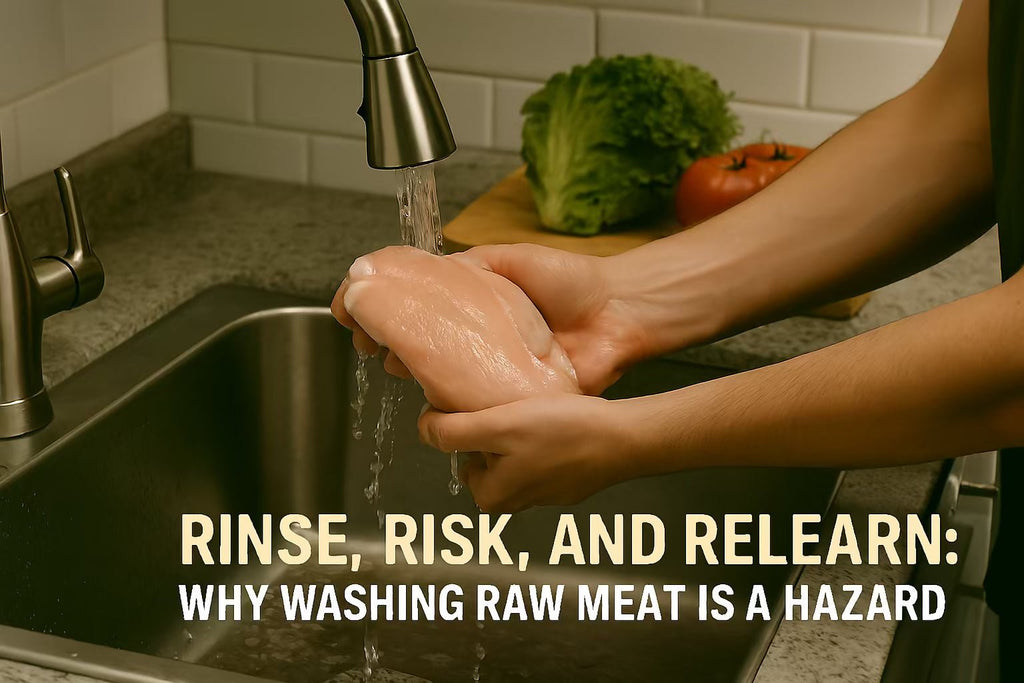
What Is The Best Way To Wash Raw Meat?
Avoid washing raw meat as it spreads bacteria. Cooking meat thoroughly kills harmful germs. Instead, clean hands, utensils, and surfaces after handling raw meat to ensure safety.
How Long Can Raw Meat Stay Outside Safely?
Raw meat should never be left out over 2 hours. Bacteria multiply quickly at room temperature. Keep meat refrigerated or on ice until cooking to prevent foodborne illness.
Can I Reuse Utensils After Handling Raw Meat?
No, always wash utensils thoroughly with hot, soapy water after contact. This prevents cross-contamination with other foods and surfaces, ensuring kitchen safety.
Conclusion
Handling raw meat safely protects your health and your family’s health. Clean hands and surfaces stop germs from spreading. Keep raw meat separate from other foods. Cook meat to the right temperature to kill bacteria. Store meat properly to avoid spoilage.
Small steps make a big difference in food safety. Stay careful and enjoy your meals without worry. Safe habits in the kitchen help prevent illness. Remember, safety starts with you.