

Handling raw fish safely is crucial for your health and enjoyment. Whether you’re preparing sushi, ceviche, or a simple seafood dish, knowing the right steps can protect you from harmful bacteria and parasites.
You might think it’s complicated, but with a few easy tips, you can keep your meals fresh and safe every time. Keep reading to discover the simple, effective ways you can handle raw fish safely and confidently. Your health—and your taste buds—will thank you.
Choosing Fresh Fish
Choosing fresh fish is crucial for safety. Fresh fish tastes better and is safer to eat. Let’s explore how to choose the best fish for raw dishes.
Knowing how to pick fresh fish helps you enjoy delicious meals. Here are some tips to make the right choice.
Signs Of Freshness
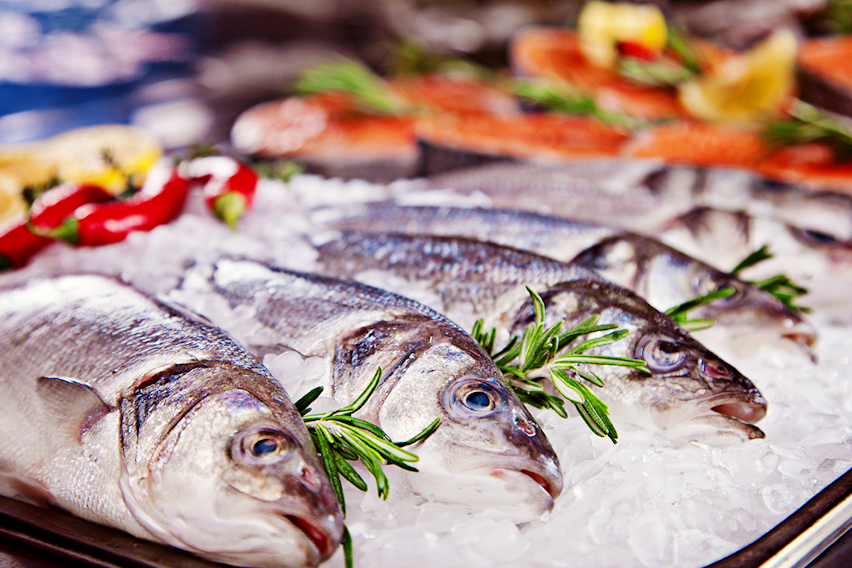
Fresh fish has clear eyes. They should not look cloudy. The fish should smell like the sea, not fishy.
The skin of fresh fish is shiny and firm. Press gently; it should bounce back. Check for bright red gills.
- Clear, bright eyes
- Shiny, firm skin
- Bright red gills
- Sea-like smell
Where To Buy Safely
Buy fish from trusted stores. Look for clean and well-organized shops. Ask the staff about their fish supply.
Visit farmers markets for fresh catches. Talk to the sellers about their products. Always choose reputable sources.
- Trusted grocery stores
- Clean fish markets
- Local farmers markets
- Reputable suppliers
Types Of Fish For Raw Consumption
Not all fish are safe to eat raw. Choose fish that are known for their safety and taste when raw.
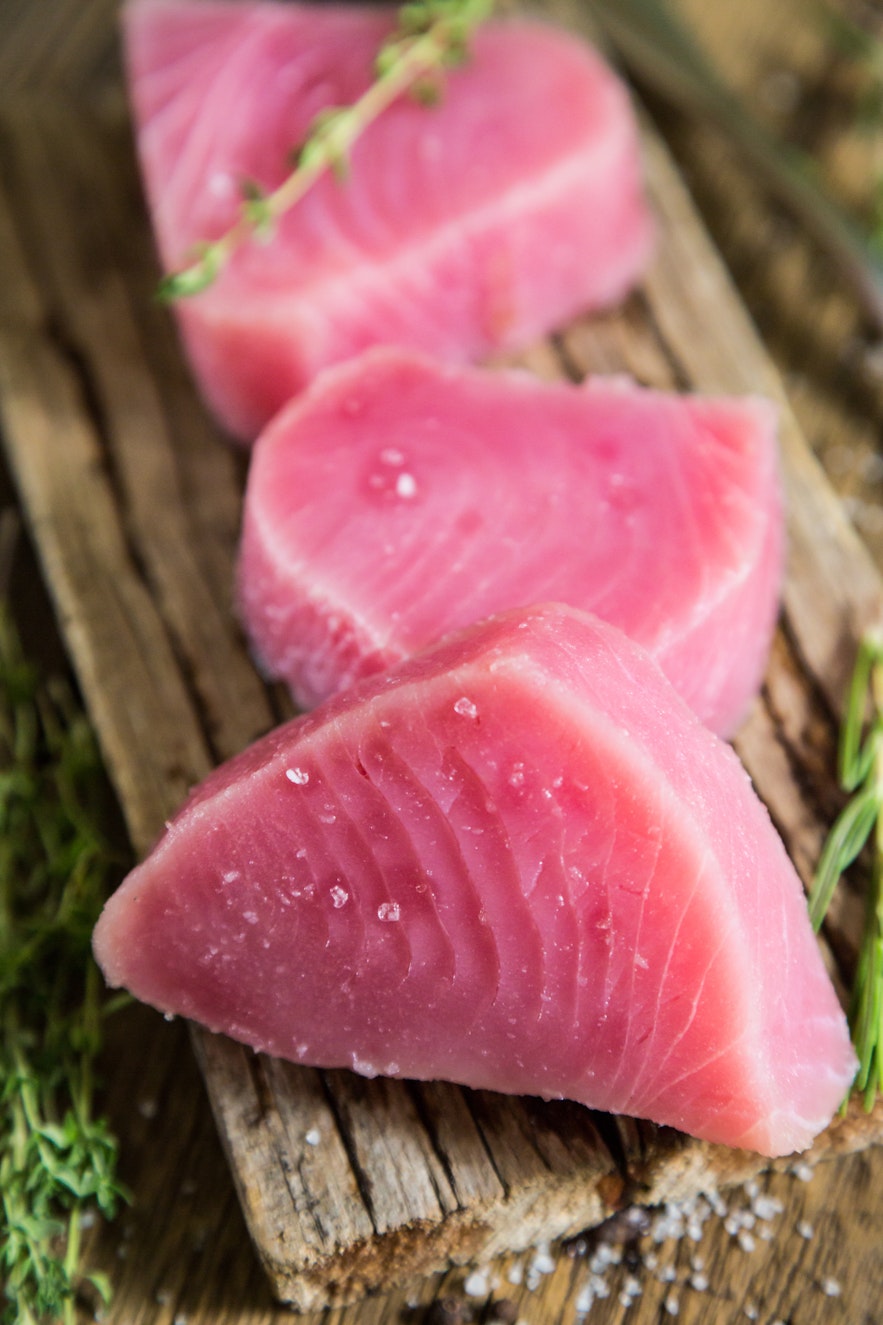
Tuna and salmon are popular choices. They are often used in sushi. Be sure to check their freshness.
- Tuna
- Salmon
- Yellowtail
- Halibut
Credit: erudus.com
Proper Storage Techniques
Storing raw fish safely is important to keep it fresh and safe to eat. Proper storage slows down bacteria growth and preserves taste.
Following the right steps helps prevent foodborne illnesses and maintains fish quality.
Temperature Control
Keep raw fish cold to stop bacteria from growing. The best temperature is just above freezing.
Store fish at 32°F (0°C) or lower. Use a refrigerator or cooler with ice packs.
- Check the temperature often
- Do not leave fish out at room temperature
- Use a thermometer to monitor storage
Packaging Methods
Package raw fish tightly to stop air from entering. Air causes fish to spoil faster.
Use materials like plastic wrap, vacuum-sealed bags, or airtight containers to keep fish fresh.
- Wrap fish in plastic wrap or aluminum foil
- Vacuum seal for longer freshness
- Keep fish dry to avoid ice buildup
Storage Duration Limits
Raw fish does not last long. Use it quickly to avoid spoilage and illness.
Follow these guidelines for storage time:
| Fish Type | Refrigerator (≤32°F / 0°C) | Freezer (≤0°F / -18°C) |
|---|---|---|
| Lean fish (cod, haddock) | 1-2 days | 6-8 months |
| Fatty fish (salmon, mackerel) | 1-2 days | 2-3 months |
| Shellfish (shrimp, crab) | 1-2 days | 3-6 months |
Preparing Raw Fish Safely
Handling raw fish correctly keeps you safe from food poisoning. It is important to clean and prepare fish with care.
Using clean tools and avoiding germs helps prevent sickness. Follow simple steps to keep fish fresh and safe.
Cleaning And Handling
Always wash your hands before touching raw fish. Rinse fish under cold water to remove dirt and scales.
Keep fish cold by storing it in the fridge or on ice. Do not leave fish out at room temperature for long.
Using Clean Utensils
Use knives and cutting boards that are clean and dry. Wash utensils with hot, soapy water before and after use.
Do not use the same knife or board for raw fish and other foods. This helps stop germs from spreading.
Cross-contamination Prevention
Keep raw fish separate from cooked and ready-to-eat foods. Use different containers and covers to avoid mixing juices.
- Store raw fish on the bottom shelf in the fridge
- Clean surfaces after contact with raw fish
- Wash hands thoroughly after handling fish
- Use separate towels or paper towels
Freezing Guidelines
Handling raw fish safely is important to avoid food sickness. Freezing helps kill parasites and keeps fish fresh.
Knowing the right freezing steps protects your health and keeps fish tasty.
Freezing Temperatures
Freeze raw fish at very cold temperatures to stop germs and parasites. The colder the freezer, the safer the fish.
- Keep freezer at or below -4°F (-20°C)
- Some fish need colder temps for longer times
- Use a freezer thermometer to check temperature
Thawing Methods
Thaw frozen fish safely to stop bacteria growth. Avoid room temperature thawing.
- Thaw in the fridge overnight
- Place fish in a sealed bag and thaw in cold water
- Cook fish immediately after thawing
Freezing Duration For Safety
Freezing fish too short may not kill parasites. Freeze for the right time to stay safe.
| Type of Fish | Freezing Time at -4°F (-20°C) |
|---|---|
| Fatty Fish (Salmon, Mackerel) | 7 days |
| Lean Fish (Cod, Haddock) | 15 hours |
| Fish for Sushi or Sashimi | 7 days |
Recognizing Spoiled Fish
Handling raw fish safely is important for your health. Knowing how to spot spoiled fish helps prevent food poisoning.
Spoiled fish looks and smells different from fresh fish. Learning the signs can keep you and your family safe.
Visual Indicators
Fresh fish has clear eyes and shiny skin. Spoiled fish often has cloudy eyes and dull skin.
Look for discoloration and slimy patches. These signs mean the fish is no longer good to eat.
- Cloudy or sunken eyes
- Dull or faded skin color
- Slime or sticky coating
- Discolored gills, usually brown or gray
Smell And Texture Changes
Fresh fish smells like the ocean or clean water. Spoiled fish has a strong, sour, or ammonia-like odor.
The texture also changes. Spoiled fish feels mushy or slimy instead of firm and moist.
- Strong, unpleasant smell
- Mushy flesh that falls apart easily
- Sticky or slippery surface
Health Risks Of Spoiled Fish
Eating spoiled fish can cause food poisoning. Symptoms include nausea, vomiting, and diarrhea.
Bacteria and toxins grow in bad fish. These can harm your stomach and cause serious illness.
- Stomach cramps and pain
- Vomiting and diarrhea
- Fever and dehydration
- Possible long-term health problems

Credit: www.aol.com
Health Precautions
Eating raw fish can be tasty but risky if not handled right. It can carry germs and parasites that make people sick.
Taking health precautions helps keep you safe when eating raw fish. Knowing who should avoid it and how to serve it safely is key.
Who Should Avoid Raw Fish
Some people should not eat raw fish because their health is at risk. This includes young children, pregnant women, and older adults.
People with weak immune systems or certain illnesses also need to avoid raw fish. The risks of infection are higher for them.
- Children under 5 years old
- Pregnant women
- Adults over 65 years old
- People with weak immune systems
- Those with liver disease or diabetes
Allergy Awareness
Fish can cause allergic reactions in some people. Even small amounts can trigger symptoms like itching or swelling.
It is important to know if you or others have fish allergies before serving raw fish. Cross-contact with other foods can also cause reactions.
- Ask guests about fish allergies before serving
- Use separate utensils for raw fish
- Clean surfaces to avoid cross-contact
- Watch for signs of allergic reactions
Safe Serving Practices
Raw fish must be stored and served at the right temperature. Keep it cold to stop germs from growing.
Use clean plates and utensils. Serve raw fish quickly after preparation. Do not leave it out for long times.
- Store raw fish at 40°F (4°C) or lower
- Keep raw fish separate from cooked foods
- Use clean and sanitized tools and surfaces
- Serve raw fish within two hours of preparation
Credit: erudus.com
Frequently Asked Questions
How Do I Store Raw Fish Safely At Home?
Store raw fish in the coldest part of your fridge. Keep it in airtight containers or tightly wrapped. Use within 1-2 days for freshness. Always avoid cross-contamination with other foods by using separate cutting boards and utensils.
What Temperature Is Safe For Raw Fish Storage?
Raw fish should be stored at or below 40°F (4°C). This temperature slows bacterial growth and maintains freshness. Use a fridge thermometer to ensure proper temperature. Never leave raw fish out at room temperature for more than 2 hours.
How Can I Prevent Contamination When Handling Raw Fish?
Always wash hands thoroughly before and after handling raw fish. Use clean utensils and cutting boards. Avoid touching other foods with raw fish hands. Sanitize surfaces and equipment after contact to minimize risk of harmful bacteria spreading.
Is Freezing Raw Fish Safe For Consumption?
Yes, freezing raw fish at -4°F (-20°C) for at least 7 days kills parasites. It also preserves quality and freshness. Thaw fish in the refrigerator, not at room temperature, to maintain safety and texture. Use frozen fish promptly after thawing.
Conclusion
Handling raw fish safely keeps you and your family healthy. Always buy fresh fish from trusted stores. Clean your hands and surfaces before and after contact. Keep fish cold until you cook or eat it. Use separate tools to avoid mixing raw fish with other foods.
Check for any strange smell or slimy texture. These simple steps reduce the risk of illness. Enjoy your meals with confidence and care. Safe fish handling is easy and important. Stay safe and enjoy delicious dishes every time.