
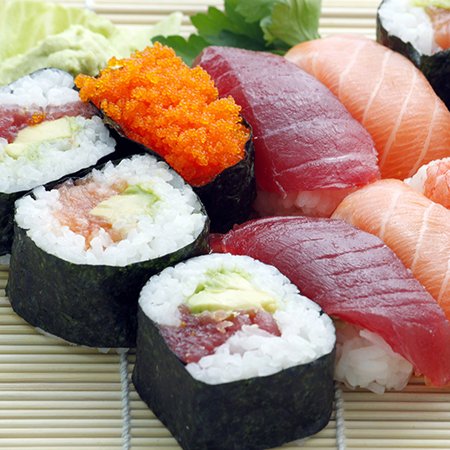
Handling raw fish safely is crucial for your health and enjoyment. If you love sushi, ceviche, or any dish with raw fish, knowing how to prepare it properly can protect you from harmful bacteria and parasites.
You don’t want to risk food poisoning or spoil the fresh taste of your meal. You’ll discover simple, practical steps to keep your raw fish safe—from buying and storing to cleaning and serving. Keep reading to make sure every bite is as delicious and safe as it should be.

Credit: www.aol.com
Selecting Fresh Fish
Handling raw fish safely starts with choosing fresh fish. Fresh fish tastes better and is safer to eat. Knowing how to pick fresh fish helps you avoid food poisoning.
Look carefully at the fish before buying. Use simple checks to find fresh fish that is safe to handle and cook.
Signs Of Freshness
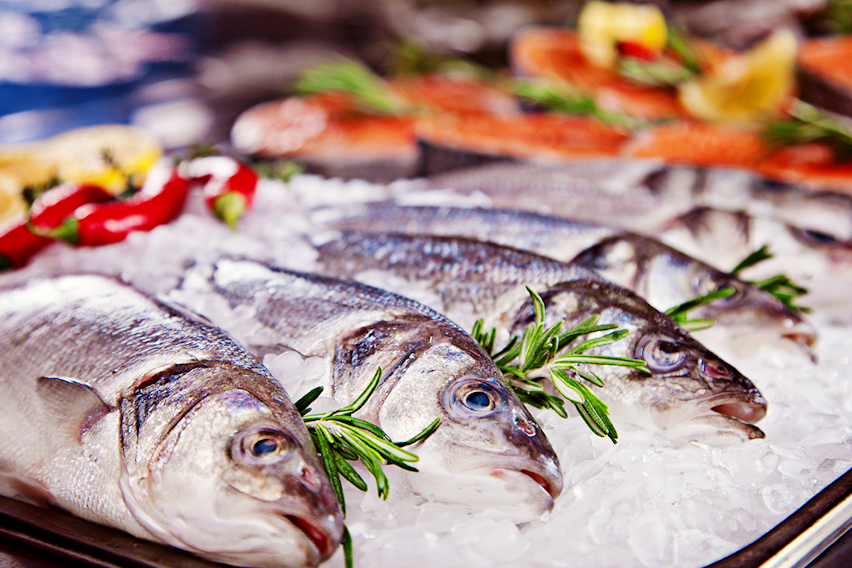
Fresh fish has clear signs you can see and feel. Check these signs to pick the best fish.
- Clear, bright eyes that are not sunken
- Shiny skin with tight scales
- Firm flesh that springs back when pressed
- Red or pink gills without slime
- Fresh smell, like the sea, not fishy or sour
Avoid fish with dull eyes, soft flesh, or a strong bad smell. These signs show the fish is old or spoiled.
Choosing The Right Supplier
Buy fish from suppliers you trust. Good suppliers keep fish cold and clean. They also sell fish quickly to keep it fresh.
Ask if the fish was caught recently and how it was stored. Choose suppliers who handle fish with care to reduce health risks.
- Check if the supplier has good hygiene practices
- Make sure fish is stored on ice or in a cold place
- Buy from places with high customer reviews or good reputation
- Choose suppliers who can answer your questions about freshness
Proper Storage Techniques
Storing raw fish correctly is key to keeping it fresh and safe. Proper storage slows bacteria growth and stops spoilage.
Use cold temperatures and clean containers to keep fish in good condition. Follow these tips to store raw fish safely.
Refrigeration Tips
Keep raw fish in the coldest part of the fridge. The ideal temperature is below 40°F (4°C).
Store fish on a plate or tray to catch any drips. Cover it loosely with plastic wrap or foil to allow air flow.
- Place fish on the bottom shelf to avoid dripping on other foods
- Use fish within 1-2 days after buying for best freshness
- Check fridge temperature regularly to keep it cold enough
- Keep fish away from ready-to-eat foods to prevent contamination
Freezing Methods
Freezing raw fish helps keep it safe for longer. Wrap fish tightly to stop freezer burn.
Label packages with the date before freezing. Use frozen fish within 3-6 months for best quality.
- Wrap fish in plastic wrap, then place in a freezer bag
- Remove as much air as possible to prevent ice crystals
- Freeze fish quickly by placing it in the coldest freezer section
- Thaw fish in the fridge, not at room temperature
Safe Preparation Practices
Handling raw fish safely is important to prevent food poisoning. Clean and careful preparation keeps fish fresh and safe to eat.
Using good hygiene and safe methods protects you and your family from harmful germs.
Sanitizing Surfaces
Always clean kitchen surfaces before and after handling raw fish. Bacteria can spread easily on dirty counters and cutting boards.
Use hot, soapy water to wash surfaces. After washing, apply a sanitizer to kill any remaining germs.
- Wash with soap and hot water
- Use a food-safe sanitizer
- Let surfaces air dry or use clean towels
- Clean knives and utensils after use
Avoiding Cross-contamination
Cross-contamination happens when germs from raw fish spread to other foods. Keep raw fish separate from ready-to-eat foods.
Use different cutting boards and knives for raw fish and other ingredients. Wash your hands before touching other food.
- Use separate cutting boards for raw fish
- Wash hands with soap before cooking other food
- Keep raw fish in sealed containers in the fridge
- Clean utensils after touching raw fish
Tools And Equipment
Handling raw fish safely requires the right tools and equipment. Using proper items helps keep the fish fresh and prevents contamination.
Clean tools and good equipment make preparing raw fish easier and safer. Always choose items designed for raw fish handling.
Essential Kitchen Tools
You need sharp knives made for filleting fish. These knives cut cleanly and reduce damage to the fish.
Use separate cutting boards for raw fish. This avoids cross-contamination with other foods.
- Fillet knife with a flexible, sharp blade
- Plastic or non-porous cutting boards
- Fish tweezers or pliers to remove bones
- Clean bowls for holding fish pieces
- Disposable gloves for hygiene
- Thermometer to check fish temperature
Maintenance And Cleaning
Clean tools after every use to stop bacteria growth. Use hot water and soap to wash knives and boards.
Sanitize equipment regularly. This helps keep your kitchen safe and your fish fresh.
- Wash knives and boards with hot, soapy water
- Rinse and dry tools completely before reuse
- Sanitize with a mild bleach solution or food-safe sanitizer
- Store knives in a dry place to avoid rust
- Replace cutting boards that have deep grooves
Cooking And Serving
Handling raw fish safely is important to avoid illness. Proper cooking and serving keep the fish safe to eat.
Follow simple tips to prepare raw fish carefully. This helps keep your meals tasty and healthy.
Cooking Methods
Cook fish at the right temperature to kill harmful germs. Use a food thermometer to check the inside temperature.
Fish should reach at least 145°F (63°C) inside. This ensures it is fully cooked and safe to eat.
- Grill fish over medium heat until it flakes easily.
- Bake fish in the oven at 375°F (190°C) for 15-20 minutes.
- Pan-fry fish with a little oil until it turns opaque.
- Steam fish to keep it moist and fully cooked.
Serving Suggestions
Serve cooked fish immediately or keep it hot above 140°F (60°C). Do not leave fish out at room temperature for long.
Use clean plates and utensils when serving. Avoid cross-contamination from raw fish or other foods.
- Serve fish with fresh vegetables or salad.
- Add lemon or herbs for extra flavor.
- Keep leftover fish refrigerated below 40°F (4°C).
- Reheat leftovers thoroughly before eating.
Credit: erudus.com
Health Considerations
Handling raw fish safely is very important for your health. Raw fish can carry germs that cause sickness.
Knowing how to store and prepare raw fish helps prevent food poisoning. Always keep it cold and clean.
Allergy Awareness
Some people are allergic to fish or seafood. Eating raw fish can cause serious allergic reactions.
Symptoms include itching, swelling, or trouble breathing. If you have allergies, avoid raw fish dishes.
- Know if you have a fish allergy before eating raw fish
- Keep allergy medicine nearby if you try raw fish for the first time
- Inform others about your allergy to avoid accidental exposure
Nutritional Benefits
Raw fish is rich in protein and healthy fats. These nutrients support your body and brain.
Eating raw fish can give you omega-3 fatty acids. These help keep your heart healthy.
- High in protein for muscle growth and repair
- Contains omega-3 fats that improve brain function
- Low in calories, good for weight control
Recognizing Spoiled Fish
Handling raw fish safely starts with knowing how to spot spoiled fish. Fresh fish looks and smells different from spoiled fish. Learning these signs helps prevent food poisoning.
By checking fish carefully, you can avoid eating bad fish. This guide shows what to watch for in appearance and smell.
Visual And Olfactory Cues
Spoiled fish looks dull and slimy. Its eyes may be cloudy or sunken. The skin loses its shine and may have discoloration.
The smell of spoiled fish is strong and unpleasant. It can smell sour, like ammonia, or have a rotten odor. Fresh fish smells like the sea or has a mild scent.
- Cloudy, sunken eyes
- Dull, discolored skin
- Sticky or slimy texture
- Strong sour or ammonia smell
- Rotten or foul odor
Health Risks Of Consuming Spoiled Fish
Eating spoiled fish can cause food poisoning. Bacteria and toxins grow in bad fish. These can harm your stomach and health.
Symptoms include nausea, vomiting, diarrhea, and stomach pain. Some fish toxins can cause more serious problems like nerve damage.
- Nausea and vomiting
- Diarrhea and stomach cramps
- Headaches and dizziness
- Allergic reactions or nerve issues
- Severe cases need medical help
Credit: erudus.com
Frequently Asked Questions
How Should Raw Fish Be Stored Safely?
Raw fish must be kept at 32°F (0°C) or lower. Store it in the coldest part of your refrigerator. Use airtight containers or tightly wrapped packaging to prevent contamination. Consume raw fish within 1-2 days for optimal freshness and safety.
What Are The Risks Of Eating Raw Fish?
Eating raw fish can expose you to harmful bacteria and parasites. These can cause food poisoning or infections. Proper handling, storage, and freezing kill most parasites. Always buy from trusted sources that follow safety guidelines to reduce health risks.
How To Clean Raw Fish Before Preparation?
Rinse raw fish under cold running water to remove surface bacteria. Use clean utensils and cutting boards. Pat dry with paper towels. Avoid cross-contamination by washing hands and surfaces thoroughly after handling raw fish.
Can Freezing Raw Fish Kill Parasites?
Yes, freezing raw fish at -4°F (-20°C) or below for at least 7 days kills most parasites. Commercial freezers often meet these standards. This process is essential for safe consumption of raw fish like sushi or sashimi.
Conclusion
Handling raw fish safely protects your health and enhances taste. Always keep fish cold before use. Clean your hands and tools well. Avoid cross-contamination by separating raw fish from other foods. Use fresh, high-quality fish for best results. Cooking fish properly kills harmful germs.
Remember, safety steps prevent food poisoning. Enjoy your meals with confidence and care. Safe habits make eating raw fish a pleasant experience. Stay cautious, and your dishes will always be delicious and safe.