
Handling raw eggs safely is more important than you might think. If you’ve ever cracked an egg and wondered about the risks, this article is for you.
You want to enjoy your meals without worrying about foodborne illnesses like salmonella. But how do you make sure your eggs are safe to eat? By learning simple, effective steps, you can protect yourself and your loved ones every time you cook or bake.
Keep reading to discover easy tips that will keep your kitchen safe and your dishes delicious.
Credit: ucanr.edu
Selecting Fresh Eggs
Choosing fresh eggs is important for safety and taste. Fresh eggs reduce the risk of food illness.
Look carefully at eggs before buying or using them. This helps keep your meals safe.
Checking Expiration Dates
Always check the expiration or sell-by date on the egg carton. Do not buy eggs past this date.
Using eggs before the date helps ensure they are fresh and safe to eat.
- Find the date printed on the carton
- Choose eggs with the latest date possible
- Never buy or use eggs after the expiration date
Inspecting Eggshell Condition
Check each eggshell for cracks or dirt before buying or using eggs. Cracks let bacteria enter.
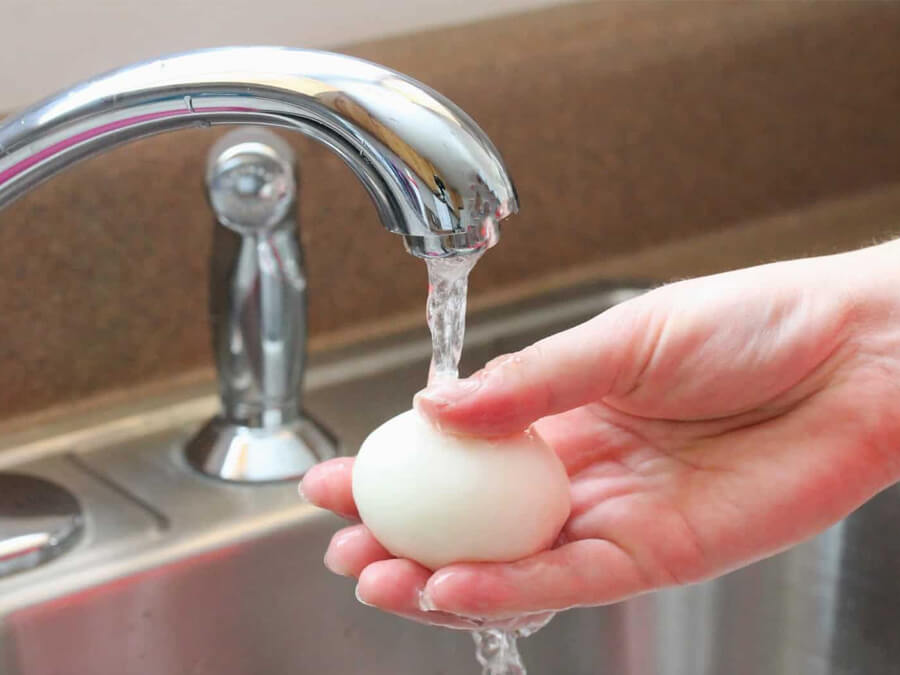
Clean eggs are better but avoid washing them before storage. Washing can remove the natural shell coating.
- Look for clean, smooth shells without cracks
- Avoid eggs with sticky or powdery spots
- Discard cracked or broken eggs immediately
Credit: foodsafetyworks.com
Proper Storage Techniques
Storing raw eggs properly helps keep them fresh and safe to eat. Eggs can carry bacteria, so storing them well is very important.
Use the right storage methods to stop eggs from spoiling or causing food sickness. Keep eggs cool and avoid bad storage habits.
Refrigeration Guidelines
Always store raw eggs in the refrigerator. Keep them at a steady temperature below 40°F (4°C). This slows bacterial growth.
Place eggs in their original carton. The carton protects eggs and stops them from absorbing fridge smells.
- Store eggs in the main fridge shelf, not the door
- Keep eggs in their carton to reduce moisture loss
- Use eggs within three to five weeks for best freshness
Avoiding Temperature Fluctuations
Keep eggs at a steady cold temperature. Avoid moving eggs between warm and cold places often. Temperature changes can cause bacteria to grow.
Do not leave eggs out of the fridge for long. Only take out the eggs you need to use right away.
- Do not store eggs near the fridge door
- Keep eggs away from warm kitchen spots
- Return eggs to the fridge quickly after use
Safe Handling Practices
Raw eggs can carry bacteria that make people sick. It is important to handle them safely.
Following simple rules helps keep food safe and avoids illness from eggs.
Washing Hands Before And After Use
Always wash your hands before touching raw eggs. This removes dirt and germs.
After handling eggs, wash hands again to stop bacteria from spreading.
- Use warm water and soap
- Scrub hands for at least 20 seconds
- Dry hands with a clean towel
Preventing Cross-contamination
Keep raw eggs away from other foods, especially ready-to-eat items.
Use separate utensils and bowls for raw eggs. Clean all surfaces after use.
- Store eggs in the fridge to slow bacteria growth
- Use clean tools for eggs and other foods
- Wash cutting boards and counters with hot soapy water

Credit: www.australianeggs.org.au
Cracking And Separating Eggs
Handling raw eggs safely is important to avoid illness. Cracking and separating eggs require care.
Using clean tools and surfaces helps keep eggs safe to eat. Avoiding shell contamination is key.
Using Clean Surfaces
Always crack eggs on a clean, flat surface. This reduces the risk of shell pieces falling in.
Wash your hands before and after handling eggs. Clean bowls and utensils well to stop bacteria.
- Use a separate bowl for cracking eggs
- Clean counters and cutting boards before use
- Dry hands with a clean towel
Avoiding Shell Contamination
Eggshells can carry bacteria, so avoid contact with egg contents. Crack eggs gently to prevent shell bits.
Do not use eggs with cracks or dirt on the shell. Dispose of any shell pieces that fall inside the bowl.
- Wash eggs if dirty before use
- Crack eggs on a flat surface, not the bowl edge
- Remove shell fragments with a clean spoon
Cooking Eggs Thoroughly
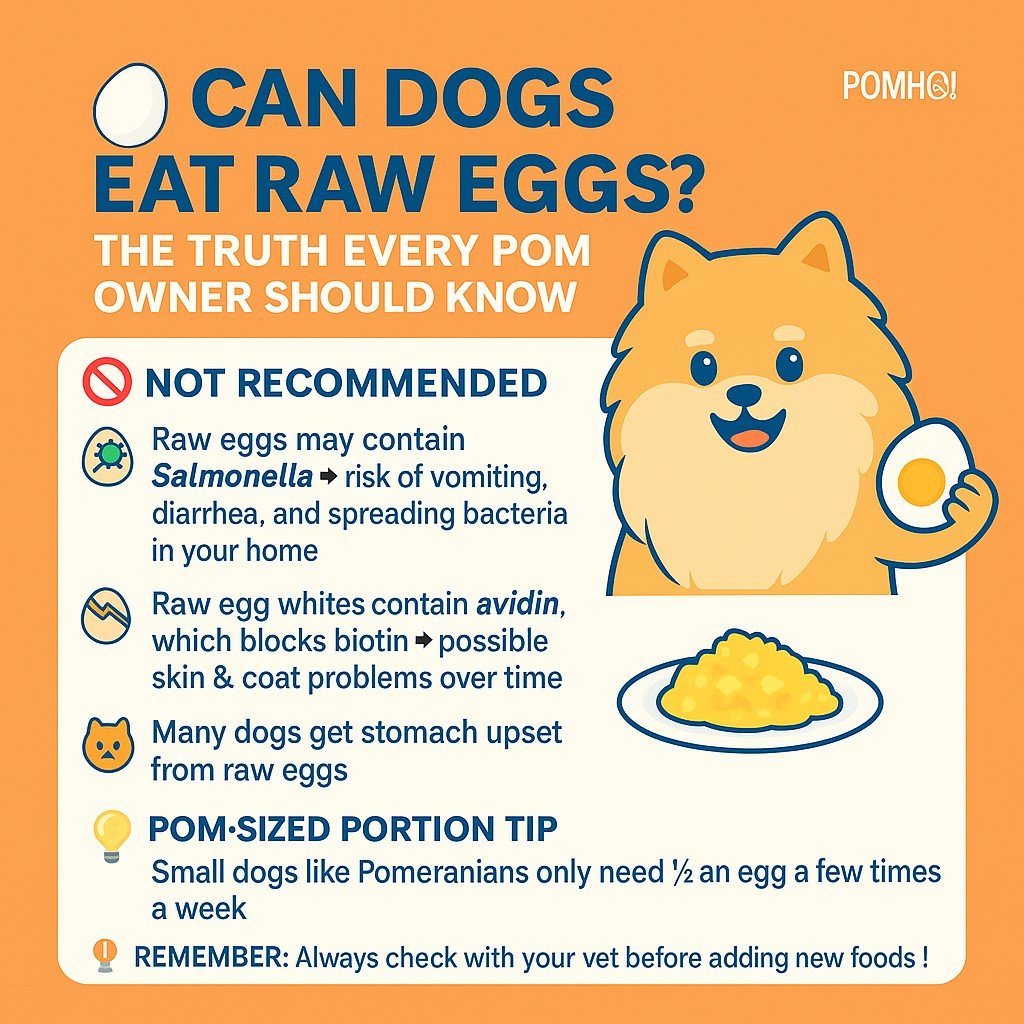
Cooking eggs well helps stop harmful bacteria from making you sick. Raw eggs can carry germs like Salmonella.
Heating eggs to the right temperature kills these germs. Always cook eggs fully before eating or using in recipes.
Recommended Cooking Temperatures
Eggs must reach a safe temperature to be safe to eat. The USDA says cook eggs until both yolks and whites are firm.
Use a food thermometer to check the temperature. Cook eggs to 160°F (71°C) or higher to kill bacteria.
- Scrambled eggs: Cook until firm, no liquid left
- Fried eggs: Cook until yolk and white are solid
- Boiled eggs: Hard-boil for 9-12 minutes
- Baked dishes: Cook to 160°F (71°C) inside
Ensuring Firm Yolks And Whites
Firm yolks and whites show eggs are cooked well. Soft or runny parts might still hold bacteria.
Cook eggs until the whites are no longer runny. Yolks should be thickened or fully solid, depending on the dish.
- Stir eggs while cooking for even firmness
- Use medium heat to avoid burning
- Check eggs visually to confirm no runny parts
- Let baked egg dishes rest before serving
Cleaning After Egg Handling
Handling raw eggs requires careful cleaning to avoid bacteria. Clean surfaces and tools right after use.
Proper cleaning helps stop the spread of germs and keeps your kitchen safe.
Sanitizing Surfaces And Utensils
Wash all surfaces and utensils that touched raw eggs with hot, soapy water. This removes germs and dirt.
Use a kitchen sanitizer or a bleach solution to disinfect these areas after washing. Let surfaces air dry.
- Clean cutting boards, countertops, and sinks
- Wash knives, bowls, and spoons thoroughly
- Use a sanitizer to kill any leftover bacteria
- Dry surfaces with clean towels or air dry
Proper Disposal Of Eggshells
Throw eggshells directly into the trash or compost bin. Avoid leaving them on counters or sinks.
Clean any spills or bits from eggshells right away. This stops bacteria from spreading in your kitchen.
Recognizing Spoiled Eggs
Raw eggs can go bad and cause sickness. It is important to know how to spot spoiled eggs before using them.
Look and smell carefully to keep your food safe. Here are two ways to check if an egg is spoiled.
Identifying Off Odors
One clear sign of a bad egg is a strong smell. Fresh eggs have little to no odor.
A rotten egg smells sulfuric and unpleasant. If you detect this smell, do not use the egg.
Testing For Freshness In Water
Put the egg in a bowl of water to check freshness. Fresh eggs sink and lie flat on the bottom.
If the egg stands upright or floats, it is old or spoiled. Toss eggs that float to avoid illness.
- Egg sinks flat: fresh and safe
- Egg stands upright: older but may be okay
- Egg floats: spoiled, discard it
Frequently Asked Questions
How Do I Safely Store Raw Eggs?
Store raw eggs in their carton inside the refrigerator at 40°F or below. Avoid placing eggs on the fridge door to maintain consistent temperature and reduce contamination risk.
Can I Eat Raw Eggs Without Cooking?
Eating raw eggs increases risk of salmonella. Use pasteurized eggs for safety if recipes require raw eggs, like in dressings or desserts.
How Should I Clean Eggs Before Use?
Do not wash eggs before storing; washing can remove protective coating. If needed, gently wipe eggs with a dry cloth just before use.
What Kitchen Hygiene Is Essential When Handling Raw Eggs?
Always wash hands, utensils, and surfaces with soap and hot water after contact with raw eggs to prevent cross-contamination and foodborne illnesses.
Conclusion
Handling raw eggs safely protects your health and prevents illness. Always wash your hands and clean surfaces after contact. Store eggs in the fridge to keep them fresh longer. Avoid eating raw or undercooked eggs to reduce risks. Use fresh eggs and check for cracks before use.
Simple steps make cooking with eggs safer and easier. Stay careful in the kitchen, and enjoy your meals worry-free. Safe egg handling is a small effort with big rewards.