
Handling raw eggs might seem simple, but one small mistake can lead to serious health risks. If you want to keep your kitchen safe and your meals healthy, you need to know the right way to deal with raw eggs.
Are you confident that you’re doing it correctly? This guide will show you easy, practical steps to handle raw eggs hygienically. By following these tips, you’ll protect yourself and your loved ones from harmful bacteria. Keep reading to discover how to make your kitchen safer with every egg you use.
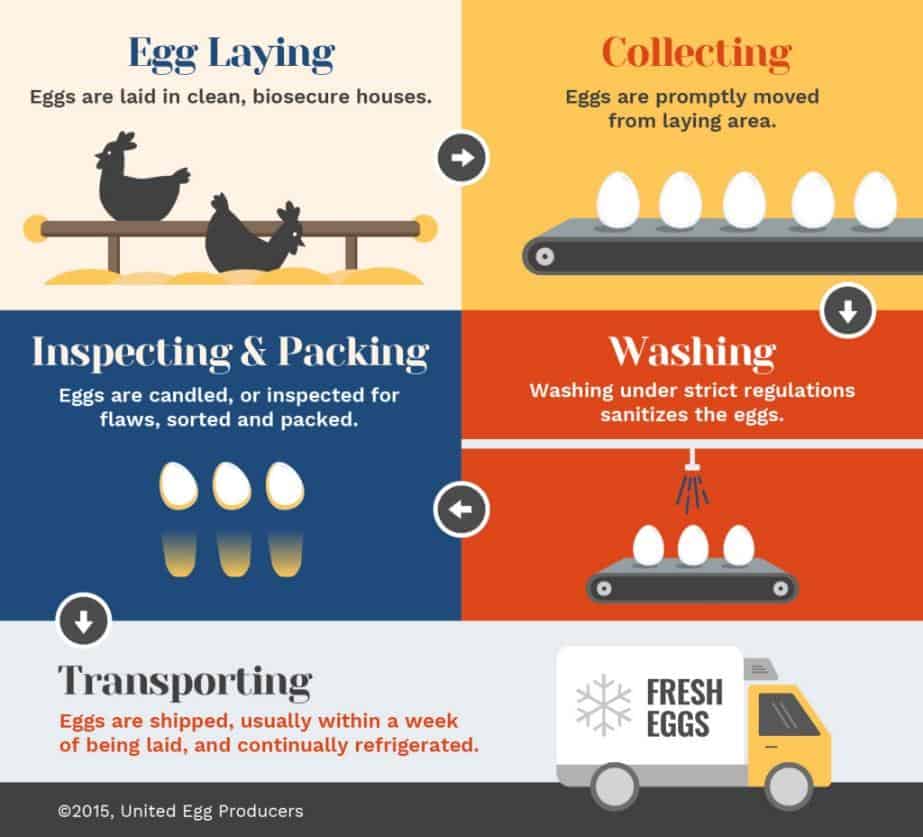
Credit: foodsafetyworks.com
Risks Of Raw Eggs
Raw eggs can be risky if not handled properly. They may contain harmful bacteria that can cause illness.
Understanding the risks helps ensure you stay safe when using raw eggs in recipes.
Common Contaminants
Raw eggs can carry bacteria like Salmonella. This bacteria can make you sick if eggs are not cooked.
Salmonella is found on both the shell and inside the egg. Proper handling and cooking can prevent illness.
- Always wash hands after touching raw eggs
- Store eggs in the refrigerator
- Cook eggs thoroughly to kill bacteria
Health Implications
Consuming raw or undercooked eggs can lead to food poisoning. Symptoms may include stomach pain and diarrhea.
Young children, elderly, and those with weak immune systems are most at risk. They should avoid raw eggs in foods.
| Group | Risk Level |
| Children | High |
| Elderly | High |
| Healthy Adults | Moderate |

Credit: hopewellheightsblog.com
Safe Storage Practices
Handling raw eggs safely helps prevent foodborne illnesses. Proper storage keeps eggs fresh and clean.
Store eggs carefully to avoid contamination and spoilage. Follow simple rules for best results.
Ideal Temperature
Keep raw eggs refrigerated at the right temperature to stop bacteria growth. The ideal temperature is cold but not freezing.
Store eggs at or below 40°F (4°C). Do not keep eggs at room temperature for long times.
- Use a fridge thermometer to check temperature
- Keep eggs away from the door to avoid temperature changes
- Keep eggs in the main body of the fridge
Proper Packaging
Use the original egg carton or a clean container to store eggs. Packaging protects eggs from dirt and damage.
Do not wash eggs before storing because it removes their natural protective layer. Keep eggs dry and clean inside the carton.
- Keep eggs in their carton to prevent odors from other foods
- Store eggs with the pointed end down to keep yolk centered
- Replace damaged cartons or containers immediately
Handling Techniques
Raw eggs can carry bacteria that cause illness. Handling them carefully keeps your food safe.
Use clean hands and tools to avoid spreading germs. Follow simple steps to stay hygienic.
Washing And Cleaning
Always wash your hands before and after handling raw eggs. Clean surfaces and utensils well.
Do not wash eggs themselves. Washing can remove the protective layer and let bacteria in.
- Use warm water and soap for hand washing
- Clean cutting boards and counters with hot, soapy water
- Wash bowls and utensils after contact with raw eggs
- Dry hands and tools with a clean towel
Avoiding Cross-contamination
Keep raw eggs away from ready-to-eat foods. Use separate utensils for raw and cooked items.
Store eggs in their carton in the fridge. Do not let egg juices touch other foods.
- Use different cutting boards for eggs and other foods
- Wash hands after handling eggs before touching other items
- Throw away cracked or dirty eggs immediately
- Cook eggs thoroughly to kill bacteria
Safe Preparation Methods
Handling raw eggs carefully helps stop food poisoning. It is important to keep eggs clean and cook them well.
Following safe steps lowers the risk of harmful bacteria spreading. This guide covers how to prepare eggs safely.
Using Fresh Eggs
Choose fresh eggs for better safety. Fresh eggs have less chance of carrying bacteria.
Check eggs before use. Avoid eggs with cracks or dirt on the shell.
- Buy eggs from trusted sources
- Store eggs in the refrigerator
- Use eggs before the expiration date
- Wash hands after handling eggs
Cooking Recommendations
Cook eggs until both the yolk and white are firm. This kills harmful bacteria like Salmonella.
Use safe cooking methods to avoid raw parts. Avoid eating raw or lightly cooked eggs.
- Boil eggs for at least 9 minutes
- Fry eggs until whites are solid
- Scramble eggs until fully cooked
- Use pasteurized eggs for raw recipes
Cleaning Utensils And Surfaces
Handling raw eggs requires careful cleaning to avoid germs. Utensils and surfaces must be cleaned well.
Proper cleaning stops bacteria from spreading and keeps food safe to eat.
Disinfecting Tools
Disinfect tools like bowls, spoons, and knives after using raw eggs. Use hot water and soap to wash them.
After washing, soak tools in a disinfectant solution to kill any leftover bacteria.
- Wash with hot, soapy water immediately after use
- Use a brush to scrub hard-to-reach areas
- Soak in a bleach solution (1 tablespoon bleach per 1 gallon water) for two minutes
- Rinse with clean water and air dry
Sanitizing Work Areas
Clean kitchen counters and cutting boards after handling raw eggs. Use a safe sanitizer to remove germs.
Regularly sanitize surfaces to prevent cross-contamination with other foods.
- Clear the area of food and debris first
- Wash surfaces with warm, soapy water
- Apply a kitchen sanitizer or a bleach solution
- Let the sanitizer sit for several minutes
- Wipe or rinse with clean water and dry with a clean cloth
Recognizing Spoiled Eggs
Using raw eggs safely is important to avoid food sickness. You can tell if eggs are spoiled by looking, smelling, and feeling them.
Knowing how to spot bad eggs helps keep your food safe and fresh.
Visual Inspection
Check the egg’s shell for cracks or slimy spots. A clean, smooth shell usually means the egg is good.
Look for unusual colors like pink, green, or black stains on the shell. These can show mold or bacteria.
- Cracked or broken shells can let bacteria in
- Sticky or powdery shells may have mold
- Discoloration on the shell is a bad sign
Smell And Texture
Fresh eggs have almost no smell. Bad eggs often smell sour or rotten.
When you crack the egg, check the texture. The whites should be clear and thick. The yolk should be round and firm.
- Strong bad smell means the egg is spoiled
- Watery or runny whites are a warning sign
- Flat or broken yolks show the egg is old
Tips For Serving Raw Egg Dishes
Raw egg dishes can be tasty but need careful handling. Safe use of raw eggs lowers health risks.
Follow simple tips to keep raw egg dishes safe and fresh for your guests.
Choosing Pasteurized Eggs
Use pasteurized eggs to reduce the chance of bacteria. These eggs are heated gently to kill germs.
Pasteurized eggs are safer for recipes that use raw eggs. You can find them in many grocery stores.
- Look for labels that say “pasteurized.”
- Choose fresh eggs without cracks.
- Store eggs in the fridge until use.
Serving Immediately
Serve raw egg dishes right after making them. This limits time for bacteria to grow.
If you cannot serve immediately, keep the dish cold. Use the fridge and serve within a short time.
- Make dishes just before serving.
- Do not leave dishes at room temperature for long.
- Chill dishes quickly if not serving right away.

Credit: www.australianeggs.org.au
Frequently Asked Questions
How To Wash Hands After Handling Raw Eggs?
Wash hands with warm water and soap for 20 seconds. Use a nail brush to clean under nails. Dry hands with a clean towel to avoid spreading bacteria from raw eggs.
Can Raw Eggs Cause Food Poisoning?
Yes, raw eggs can carry Salmonella bacteria. Always store eggs properly and cook them thoroughly. Avoid consuming raw eggs to reduce the risk of foodborne illness.
What Surfaces To Clean After Raw Egg Contact?
Clean all surfaces with hot, soapy water immediately. Use a disinfectant on cutting boards, counters, and utensils. This prevents cross-contamination and keeps your kitchen hygienic.
How To Store Raw Eggs Safely?
Store raw eggs in the refrigerator at or below 40°F (4°C). Keep eggs in their original carton to protect from odors. Use eggs before the expiration date for maximum safety.
Conclusion
Handling raw eggs with care keeps your food safe and healthy. Always wash your hands and surfaces after contact. Store eggs in the refrigerator to slow bacteria growth. Avoid eating raw or undercooked eggs to prevent illness. Use clean utensils and avoid cross-contamination in the kitchen.
These small steps protect you and your family. Safe egg handling is simple but very important. Stay cautious and enjoy your meals without worry.