
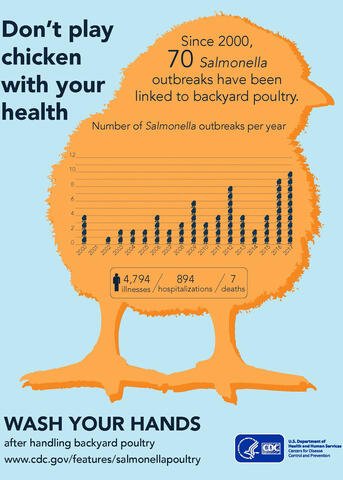
Handling poultry safely is more important than you might think. If you don’t take the right steps, you could risk food poisoning or harmful bacteria spreading in your kitchen.
But don’t worry—by following simple, clear guidelines, you can protect yourself and your loved ones. You’ll learn exactly what to do to keep your poultry safe from the moment you buy it until it’s ready to eat. Keep reading to discover easy tips that make a big difference in your health and peace of mind.

Credit: www.food-safety.com
Selecting Quality Poultry
Choosing good poultry is important for safe cooking and eating. Fresh and high-quality poultry reduces the risk of foodborne illness.
Knowing how to pick fresh poultry helps you buy the best product for your family.
Recognizing Fresh Poultry
Fresh poultry looks moist but not slimy. The skin should be pale pink or white, without dark spots.
The meat should feel firm and spring back when pressed. Avoid poultry that smells sour or has a strong odor.
- Skin color: pale pink or white
- Texture: firm and springy
- Smell: mild, not sour or strong
- Packaging: no tears or leaks
Importance Of Certified Labels
Certified labels show poultry meets safety and quality rules. These labels help you trust the product you buy.
Look for labels from trusted organizations. They often mean the poultry was handled and stored properly.
- USDA inspected label
- Organic certification
- Free-range or pasture-raised labels
- Animal welfare approved marks
Safe Storage Techniques
Storing poultry safely helps stop germs from spreading. It keeps your food fresh and safe to eat.
Use the right temperature and containers to keep poultry fresh. Follow simple rules for best results.
Refrigeration Guidelines
Keep poultry in the fridge at 40°F (4°C) or below. This slows down bacteria growth.
Store raw poultry on the bottom shelf. This stops juices from dripping on other foods.
- Use airtight containers or sealed plastic bags
- Keep poultry away from ready-to-eat foods
- Use poultry within 1-2 days after buying
- Check fridge temperature regularly
Freezing Best Practices
Freeze poultry if you won’t cook it soon. Freezing stops bacteria from growing.
Wrap poultry tightly to avoid freezer burn. Label packages with the date before freezing.
- Use freezer bags or heavy-duty foil
- Remove as much air as possible before sealing
- Freeze poultry at 0°F (-18°C) or lower
- Use frozen poultry within 6 months for best quality
Thawing Poultry Safely
Thawing poultry safely stops harmful bacteria from growing. It keeps your food safe to eat.
Use safe thawing methods to avoid food poisoning. Choose the best way for your time and tools.
Refrigerator Thawing
Thaw poultry in the refrigerator to keep it cold. This stops bacteria from growing quickly.
Place the poultry in a container to catch drips. It may take a day or more to fully thaw.
- Keep the fridge temperature at or below 40°F (4°C)
- Allow 24 hours for every 5 pounds of poultry
- Cook poultry within 1-2 days after thawing
Cold Water Thawing
Use cold water to thaw poultry faster than in the fridge. Keep the water cold to stop bacteria.
Seal the poultry in a leak-proof bag. Change the water every 30 minutes until thawed.
- Use cold tap water, not warm or hot
- Change water every 30 minutes to keep it cold
- Cook poultry immediately after thawing
Microwave Thawing
Microwave thawing is the fastest way to thaw poultry. Use the defrost setting on your microwave.
Cook the poultry right after thawing. Some parts may start to cook during microwaving.
- Remove packaging before microwaving
- Use microwave-safe containers
- Rotate or turn poultry for even thawing
- Cook immediately after thawing
Credit: www.safefood.net
Preventing Cross-contamination
Handling poultry safely is very important to avoid spreading germs. Cross-contamination happens when harmful bacteria move from poultry to other foods or surfaces.
Taking simple steps can stop bacteria from spreading. This keeps your food safe and healthy to eat.
Using Separate Cutting Boards
Always use one cutting board for raw poultry and another for fruits or vegetables. This stops bacteria from raw poultry from spreading to other foods.
Plastic or non-porous boards are easier to clean and sanitize after use. Wooden boards can absorb juices and are harder to clean well.
- Use a red or marked board for raw poultry
- Use a different board for ready-to-eat foods
- Wash cutting boards with hot, soapy water after each use
- Sanitize boards to kill bacteria completely
Proper Hand Washing
Wash your hands carefully before and after handling raw poultry. This stops bacteria from spreading to other foods or surfaces.
Use warm water and soap. Rub your hands together for at least 20 seconds. Clean under nails, between fingers, and wrists.
- Wet hands with warm water
- Apply soap and scrub all parts
- Rinse hands well under running water
- Dry hands with a clean towel or air dry
Cooking Poultry Thoroughly
Cooking poultry properly is important to keep it safe to eat. Undercooked poultry can carry harmful bacteria.
Always make sure poultry reaches the right temperature inside. This kills bacteria and protects your health.
Using A Meat Thermometer
A meat thermometer helps check if poultry is fully cooked. Insert it into the thickest part of the meat.
Do not touch bone or fat with the thermometer. These parts can give false temperature readings.
- Clean the thermometer before and after use
- Wait for the temperature reading to stabilize
- Use a digital or instant-read thermometer for accuracy
Safe Cooking Temperatures
Cook poultry to a safe temperature to kill germs. Different parts of poultry may need the same temperature.
| Poultry Type | Safe Internal Temperature |
|---|---|
| Whole Chicken or Turkey | 165°F (74°C) |
| Chicken or Turkey Parts | 165°F (74°C) |
| Ground Poultry | 165°F (74°C) |
Check the temperature in the thickest parts to be sure. Let the poultry rest for a few minutes after cooking.
Handling Leftovers Properly
Leftover poultry can be safe to eat if you handle it correctly. Storing and reheating the poultry right helps avoid food sickness.
Follow simple rules to keep your poultry leftovers fresh and tasty. This guide explains how to cool, store, and reheat poultry safely.
Cooling And Storing Techniques
Cool cooked poultry quickly to stop bacteria from growing. Put the leftovers in shallow containers to help them cool faster.
Store poultry leftovers in the fridge at or below 40°F (4°C). Use airtight containers to keep moisture and germs out.
- Cool leftovers within two hours after cooking.
- Use shallow containers for faster cooling.
- Keep leftovers in the fridge at 40°F (4°C) or lower.
- Eat leftovers within 3 to 4 days.
- Freeze leftovers if you want to keep them longer.
Reheating Safely
Reheat poultry leftovers to an internal temperature of 165°F (74°C). Use a food thermometer to check the temperature.
Heat leftovers evenly. Stir or rotate food during reheating to avoid cold spots where bacteria can live.
- Use the stove, oven, or microwave to reheat poultry.
- Cover food to keep moisture and heat in.
- Reheat only the amount you will eat at one time.
- Do not reheat leftovers more than once.
Kitchen Hygiene Practices
Handling poultry safely is important to avoid foodborne illnesses. Good kitchen hygiene helps keep your food safe and your family healthy.
Keeping your kitchen clean and managing raw poultry carefully reduces the risk of harmful bacteria spreading.
Cleaning Surfaces And Utensils
Always clean surfaces and utensils after they touch raw poultry. Use hot, soapy water to wash knives, cutting boards, and countertops.
Sanitize surfaces with a kitchen disinfectant or a bleach solution to kill bacteria. Avoid using the same utensils for cooked and raw poultry without cleaning.
- Wash with hot, soapy water immediately
- Rinse and dry utensils completely
- Use separate cutting boards for raw meat
- Sanitize surfaces with approved cleaners
Managing Raw Poultry Juices
Raw poultry juices can carry harmful bacteria. Keep raw poultry away from other foods to avoid cross-contamination.
Place raw poultry in a sealed container or plastic bag. Clean any spills immediately with hot water and disinfectant.
- Store poultry on the bottom shelf in the fridge
- Use sealed containers to hold raw poultry
- Wipe spills immediately with disinfectant
- Wash hands after handling raw poultry

Credit: www.youtube.com
Frequently Asked Questions
How Do I Prevent Contamination When Handling Poultry?
Always wash hands before and after handling poultry. Use separate cutting boards and utensils. Avoid cross-contamination by keeping raw poultry away from other foods.
What Is The Safe Temperature To Cook Poultry?
Cook poultry to an internal temperature of 165°F (74°C). Use a food thermometer to check. Proper cooking kills harmful bacteria and ensures safety.
Can I Wash Raw Poultry Before Cooking?
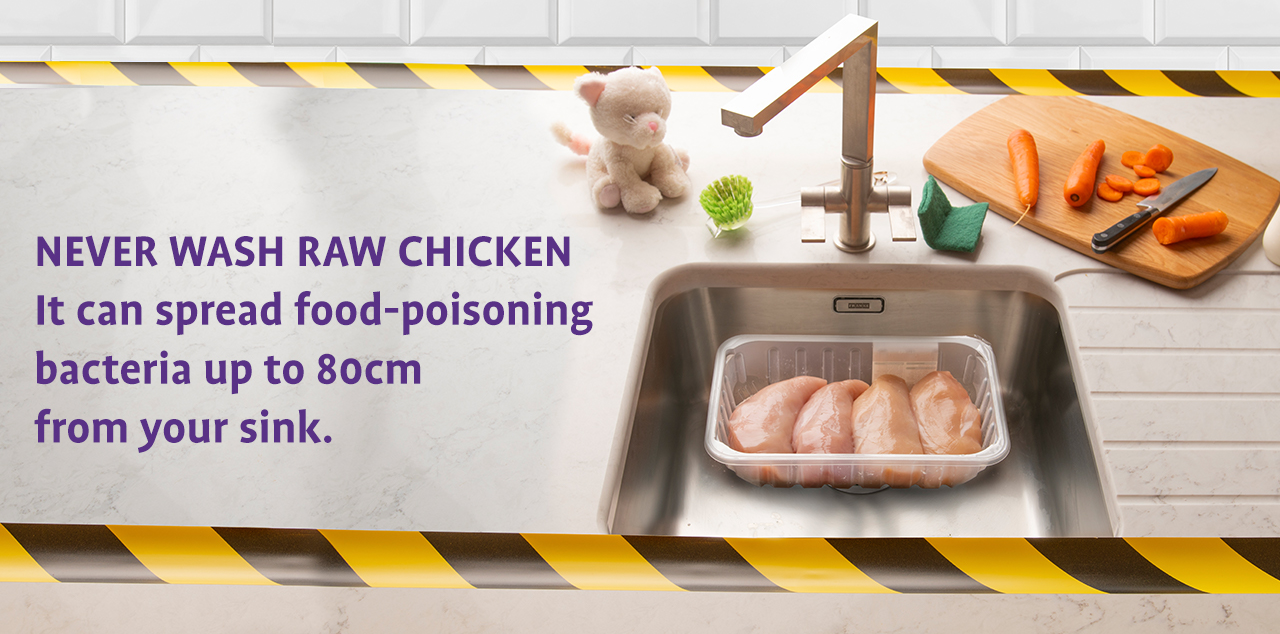
No, washing raw poultry is not recommended. It can spread bacteria to surfaces and utensils. Cooking poultry thoroughly is the best way to kill germs.
How Should I Store Raw Poultry Safely?
Store raw poultry in a sealed container on the bottom shelf of the fridge. Keep it below 40°F (4°C). Use it within 1-2 days or freeze for longer storage.
Conclusion
Safe poultry handling keeps you and your family healthy. Wash hands and surfaces often. Cook poultry to the right temperature. Avoid cross-contamination by using separate tools. Store poultry correctly to prevent spoilage. Small steps make a big difference in safety.
Stay careful, stay safe, enjoy your meals.