
Keeping your utensils clean is more important than you might think. Every time you use a spoon, fork, or knife, tiny germs can stick to them, putting your health at risk.
But how often do you really disinfect your utensils? If you want to protect yourself and your loved ones from harmful bacteria and viruses, you need a simple and effective routine. You’ll learn easy steps to disinfect your utensils regularly, making your kitchen safer and your meals healthier.
Ready to take control of your kitchen hygiene? Let’s dive in!
Credit: medium.com
Choosing The Right Cleaning Agents
Keeping utensils clean is very important. Choosing the right cleaning agents helps ensure they are safe to use.
Disinfecting regularly helps remove germs. Let’s explore some options for cleaning agents.
Common Household Disinfectants
Many disinfectants are found at home. They kill germs effectively and are easy to use.
- Bleach is a strong disinfectant. It kills bacteria and viruses.
- Rubbing alcohol is great for quick disinfection.
- Hydrogen peroxide can clean utensils well.
Natural Alternatives For Disinfection
Natural alternatives are safe for the environment. They are also gentle on utensils.
- Vinegar is a natural cleaner. It works against many germs.
- Lemon juice is acidic. It can disinfect surfaces.
- Baking soda cleans and removes odors.
Avoiding Harmful Chemicals
Some chemicals can be harmful. It’s important to avoid these when cleaning utensils.
Read labels carefully. Make sure the product is safe for kitchen use.
- Avoid ammonia. It can be dangerous if mixed with other cleaners.
- Stay away from harsh abrasive cleaners. They can damage surfaces.
- Choose products with clear safety instructions.

Credit: us.cleadeep.com
Proper Washing Techniques
Keeping utensils clean helps stop germs and bacteria from spreading. Regular cleaning with the right steps makes sure utensils stay safe to use.
Good washing techniques include rinsing, scrubbing, using hot water, and drying properly. Each step helps remove dirt and kill germs.
Pre-rinsing And Scrubbing
Start by rinsing utensils under running water. This removes leftover food and loose dirt before washing.
Scrub utensils with soap and a brush or sponge. Focus on corners and edges where germs hide.
- Use enough soap to create bubbles
- Scrub all surfaces evenly
- Clean handles and hard-to-reach parts
Using Hot Water Effectively
Hot water helps kill bacteria on utensils. Use water that is warm but safe to handle, around 110°F to 120°F.
Rinse utensils with hot water after scrubbing. This removes soap and kills more germs.
- Use water hot enough to clean well
- Rinse thoroughly to remove soap
- Use a dishwasher for very hot water if possible
Drying Methods To Prevent Bacteria
Dry utensils completely after washing. Moisture helps bacteria grow, so drying is important.
Use a clean towel or air dry utensils on a rack. Avoid stacking wet utensils together.
- Use a clean, dry cloth if drying by hand
- Air dry on a rack to avoid touching surfaces
- Store utensils only when fully dry
Disinfection Methods For Utensils
Keeping utensils clean helps stop the spread of germs. Disinfecting kills bacteria and viruses on your kitchen tools.
There are several ways to disinfect utensils at home. Choose the best method for your needs and equipment.
Boiling And Heat Sterilization
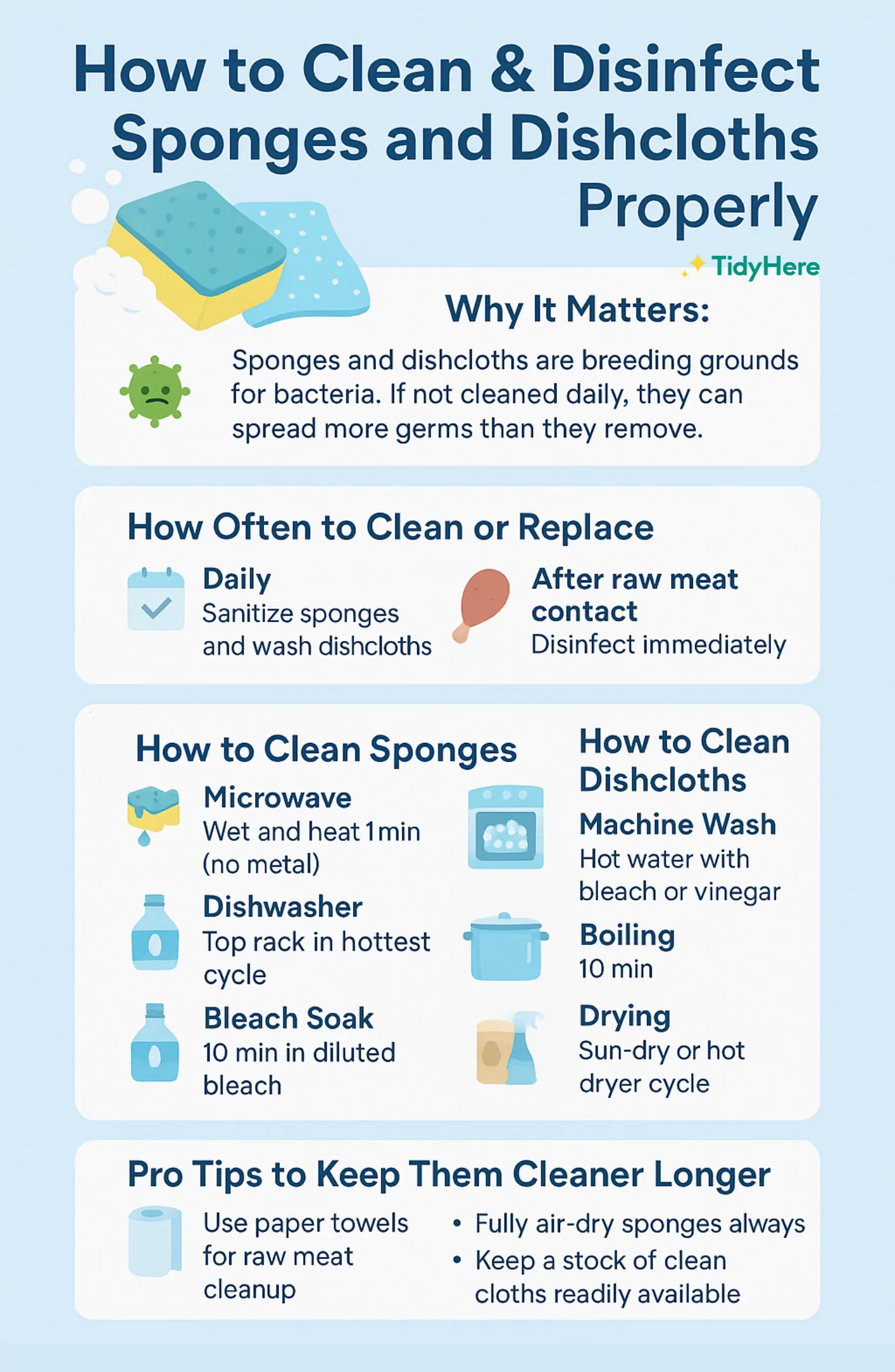
Boiling utensils in hot water kills most germs. This method uses heat to sterilize without chemicals.
Place utensils in boiling water for at least 10 minutes. Make sure water covers all parts of the utensil.
- Use a large pot to hold boiling water
- Keep utensils fully submerged
- Remove with clean tongs to avoid contamination
- Let utensils air dry on a clean surface
Chemical Soaking Procedures
Soaking utensils in disinfectant solutions kills germs quickly. Use safe chemicals approved for kitchen use.
Common solutions include diluted bleach or vinegar mixes. Follow instructions for proper concentration and soaking time.
- Mix bleach with water: 1 tablespoon per gallon
- Soak utensils for at least 5 minutes
- Rinse utensils well with clean water after soaking
- Dry utensils completely before storing
Using A Dishwasher For Sanitizing
Dishwashers can disinfect utensils with hot water and detergent. Use the sanitize cycle if available.
The high temperature and strong water flow remove and kill germs. Make sure utensils are dishwasher safe.
- Load utensils to avoid blocking water spray
- Use dishwasher detergent for cleaning
- Choose the sanitize setting if your dishwasher has one
- Allow utensils to dry fully in the machine

Credit: www.delish.com
Frequency Of Disinfection
Cleaning and disinfecting utensils keeps kitchens safe and healthy. Knowing how often to disinfect helps prevent germs and bacteria.
Different utensils need different cleaning schedules. This guide explains daily cleaning and deep disinfection routines.
Daily Cleaning Routine
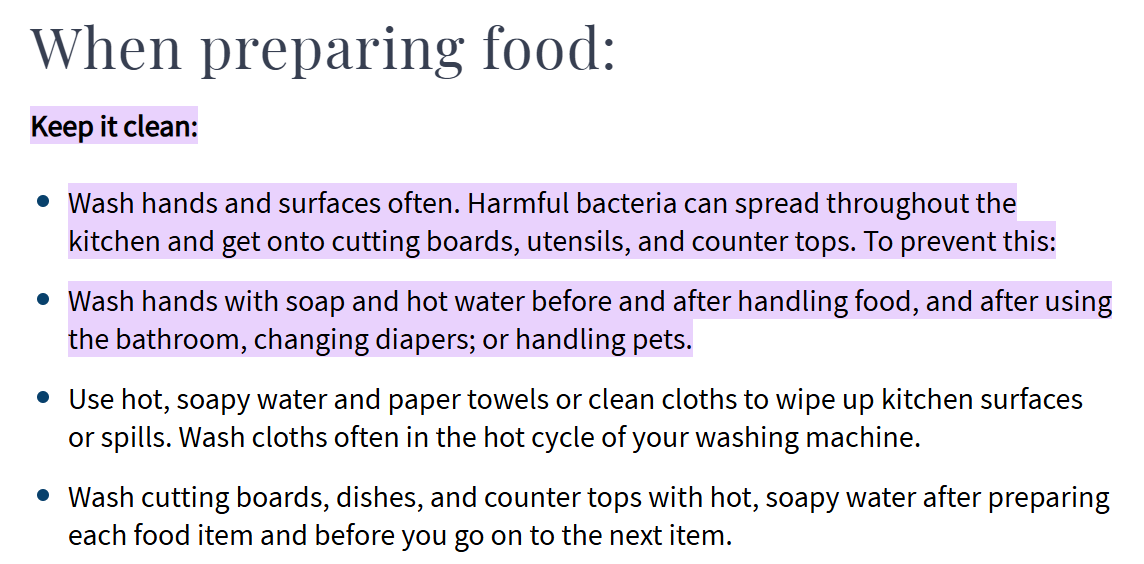
Wash utensils with soap and hot water after each use. This removes food and most germs quickly.
Use clean cloths or sponges to scrub all surfaces. Rinse well and dry completely to avoid bacteria growth.
- Wash knives, forks, and spoons after every meal
- Clean cutting boards and cooking tools daily
- Dry utensils in a clean place
Deep Disinfection Schedules
Deep disinfection kills germs that daily cleaning may miss. Do this regularly to keep utensils very clean.
Use a disinfectant safe for kitchen tools. Follow product instructions for soaking or spraying times.
- Disinfect cutting boards twice a week
- Soak cooking utensils in disinfectant weekly
- Sanitize handles and hard-to-clean spots often
Special Considerations For Different Utensils
Some utensils need extra care. Wood and plastic tools require special cleaning to avoid damage.
Metal utensils can handle stronger disinfectants. Always check manufacturer advice for cleaning tips.
- Wooden utensils: Avoid soaking; wipe with disinfectant
- Plastic utensils: Soak in mild bleach solution weekly
- Metal utensils: Use hot water and disinfectants regularly
- Knives: Clean and dry immediately after use
Maintaining Utensil Hygiene
Keeping utensils clean is important for health. Germs can grow if utensils are not cleaned well.
Regular disinfecting helps stop bacteria and keeps your kitchen safe for cooking.
Proper Storage Tips
Store utensils in a dry and clean place. Avoid damp areas to stop germs from growing.
Use covered containers or drawers to keep dust and insects away from utensils.
- Keep utensils separated to avoid cross-contamination
- Use racks that allow air to circulate
- Clean storage areas regularly
Handling Utensils Safely
Wash your hands before touching utensils. This lowers the chance of spreading germs.
Use gloves if you have cuts or wounds on your hands. Avoid sharing utensils with others.
- Wash utensils with hot, soapy water after use
- Rinse well to remove all soap
- Dry utensils fully before storing
Regular Inspection For Wear And Tear
Check utensils often for cracks or damage. Broken utensils can hide germs and be unsafe.
Replace old or damaged utensils to keep your kitchen clean and safe.
- Look for discoloration or rust
- Test if handles are loose or broken
- Discard any utensil that is cracked or chipped
Frequently Asked Questions
How Often Should I Disinfect Kitchen Utensils?
Disinfect utensils after each use to prevent bacteria buildup. Regular cleaning with hot water and soap helps. Weekly deep disinfection using bleach or vinegar is ideal for hygiene.
What Are The Best Disinfectants For Utensils?
Use diluted bleach, white vinegar, or hydrogen peroxide. These kill most germs effectively. Avoid harsh chemicals that can damage utensils or leave harmful residues.
Can Dishwasher Sanitize Utensils Effectively?
Yes, dishwashers with a sanitize cycle use high heat to kill bacteria. This is an easy and efficient way to disinfect utensils regularly.
How To Disinfect Wooden Utensils Safely?
Wooden utensils should be cleaned with hot soapy water. Avoid soaking; instead, wipe with vinegar or lemon juice. Air dry completely to prevent mold growth.
Conclusion
Regularly cleaning and disinfecting utensils keeps your kitchen safe. It helps stop germs and bacteria from spreading. Use simple methods like hot water and soap first. Then, apply a disinfectant for best results. Always let utensils dry completely before storing them.
Clean tools make cooking healthier and more enjoyable. Small daily efforts bring big health benefits. Keep your kitchen clean, and stay healthy every day.