
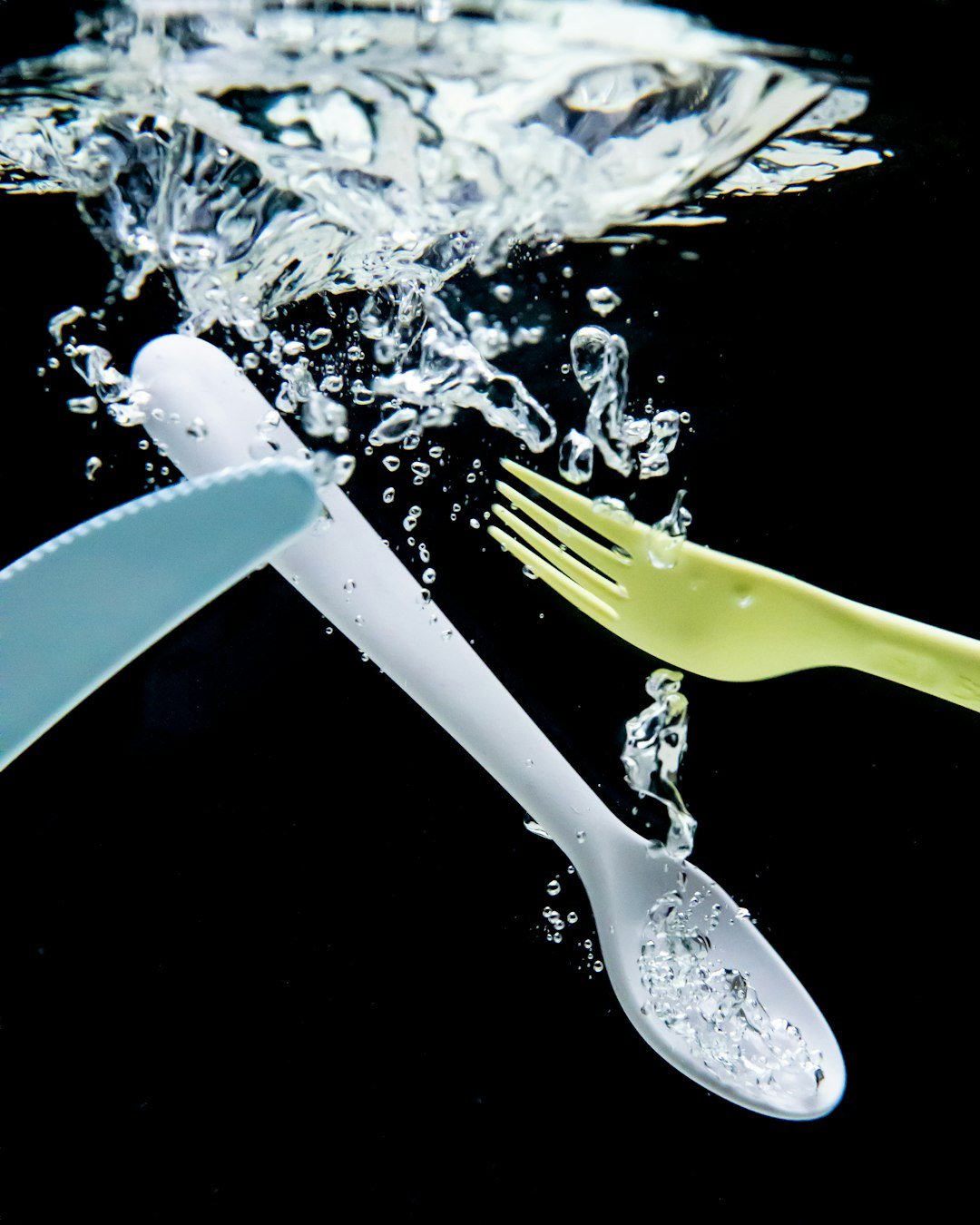
You use your knives and utensils every day to prepare meals for yourself and your loved ones. But have you ever stopped to think about how clean they really are?
Germs and bacteria can hide on these tools, putting your health at risk. Knowing how to disinfect knives and utensils properly is key to keeping your kitchen safe and your food fresh. You’ll discover simple, effective ways to make sure your kitchen tools are spotless and ready for use.
Keep reading—you’ll learn easy tips that can protect you and your family from harmful germs.
Credit: www.victorinox.com
Choosing The Right Cleaning Agents
Disinfecting knives and utensils is important for kitchen safety. The right cleaning agents make sure your tools are germ-free.
Choosing the right products helps in keeping your utensils clean. Learn about different cleaning agents to make the best choice.
Household Disinfectants
Common household disinfectants can kill germs effectively. They are easy to find in most stores.
- Antibacterial sprays can clean surfaces quickly.
- Disinfectant wipes are convenient for quick cleaning.
- Liquid disinfectants can be used for soaking utensils.
Natural Alternatives
Natural alternatives can be used if you prefer chemical-free options. They are safe and often found at home.
- Vinegar is a natural disinfectant that can kill bacteria.
- Lemon juice can be used to clean and freshen utensils.
- Baking soda helps remove odors and stains naturally.
When To Use Bleach
Bleach is powerful for killing germs and bacteria. Use it for deep cleaning tasks.
Mix bleach with water to disinfect knives and utensils. Be sure to rinse well after using bleach.
- Use bleach for sanitizing cutting boards.
- Bleach can remove tough stains on metal surfaces.
Pre-cleaning Steps
Before disinfecting knives and utensils, clean them well. Cleaning removes dirt and food bits that hide germs.
Good cleaning makes disinfecting work better. Follow these steps to prepare your tools.
Removing Food Residue
First, scrape off large food pieces from knives and utensils. Use a soft brush or cloth to wipe away stuck bits.
Make sure no food remains on the surface. This helps prevent germs from hiding under debris.
- Use a rubber spatula for thick residue
- Brush gently to avoid scratching blades
- Rinse under running water to wash away loosened food
Soaking Tips
Soak knives and utensils in warm, soapy water. This softens dried food and grease for easier cleaning.
Do not soak wooden handles too long. Water can damage wood and make it unsafe.
- Fill a basin with warm water and mild dish soap
- Soak for 5 to 10 minutes
- Use a sponge or brush after soaking to clean better
- Dry items immediately after rinsing to avoid rust
Effective Disinfection Techniques
Keeping knives and utensils clean is very important for food safety. Proper disinfection removes germs and bacteria that cause illness.
This guide explains simple ways to disinfect your kitchen tools at home. Use these safe and easy techniques to protect your family.
Hot Water And Soap Method
Use hot water and soap to clean knives and utensils. Hot water helps break down grease and removes most germs.
Wash each item with soap and scrub carefully. Rinse with hot water and dry with a clean towel.
- Fill the sink with hot water (at least 110°F or 43°C)
- Add dish soap and mix well
- Scrub knives and utensils for at least 20 seconds
- Rinse thoroughly with hot water
- Dry with a clean cloth or air dry
Using Vinegar And Baking Soda
Vinegar and baking soda are natural cleaners that kill many bacteria. They help remove stains and odors from utensils.
Sprinkle baking soda on the knives. Then spray or soak them in vinegar. Let them sit for a few minutes before rinsing.
- Sprinkle baking soda on the utensils
- Spray white vinegar over the baking soda
- Let the mixture bubble for 5 minutes
- Scrub gently with a sponge
- Rinse with clean water and dry
Sanitizing With Bleach Solution
Bleach is a strong sanitizer that kills almost all bacteria and viruses. Use a diluted bleach solution to disinfect utensils safely.
Mix one tablespoon of bleach with one gallon of water. Soak knives and utensils for two minutes. Rinse well to remove bleach.
- Mix 1 tablespoon of bleach in 1 gallon of water
- Soak utensils for 2 minutes in the solution
- Remove and rinse with clean water
- Dry completely before storing
- Use gloves to protect your skin
Drying And Storage
Cleaning knives and utensils properly is only part of keeping them safe. Drying and storing them right prevents bacteria growth. It also keeps your tools in good shape for longer.
Choosing the right drying and storage methods helps maintain hygiene. It stops moisture from causing rust or mold on your kitchen tools.
Air Dry Vs Towel Dry
Air drying lets knives and utensils dry naturally in the open air. It reduces the chance of germs spreading from towels. This method is gentle and safe for most kitchen tools.
Towel drying is faster but can spread bacteria if towels are not clean. Use only fresh, clean towels and pat items dry gently. Avoid rubbing hard as it may damage knife edges.
- Air dry to avoid towel bacteria
- Towel dry only with clean, soft cloths
- Do not rub knives to prevent damage
- Ensure items are completely dry before storage
Proper Utensil Storage
Store knives and utensils in a dry place to prevent moisture buildup. Keep sharp knives separate to avoid dulling and accidents. Use knife blocks, magnetic strips, or drawer organizers.
Clean and dry storage areas often. Avoid storing utensils in damp sinks or cloth bags. Proper storage keeps your kitchen tools safe and ready to use.
- Use knife blocks or magnetic strips for knives
- Organize utensils in clean, dry drawers or containers
- Keep sharp tools separate to protect edges
- Check storage areas regularly for moisture
Maintaining Knife Hygiene
Keeping knives and utensils clean is important for safe cooking. Proper hygiene stops germs from spreading.
Disinfecting your tools helps prevent foodborne illnesses and keeps your kitchen safe.
Sharpening And Cleaning
Sharp knives cut better and safer. Dull knives can slip and cause accidents. Clean knives after each use.
Wash knives with hot, soapy water. Use a brush to clean hard spots. Dry knives fully before storing.
- Sharpen knives regularly with a whetstone or sharpener
- Clean knives immediately after use to avoid buildup
- Use hot water and dish soap for washing
- Dry knives to stop rust and bacteria growth
Avoiding Cross-contamination
Cross-contamination spreads germs from one food to another. Use separate knives for raw and cooked foods.
Clean and disinfect knives between uses to keep food safe. Use cutting boards of different colors for different foods.
- Use separate knives for meat, vegetables, and cooked food
- Wash knives thoroughly after handling raw food
- Disinfect knives with a mild bleach solution or kitchen sanitizer
- Keep cutting boards clean and avoid mixing food types on one board

Credit: www.yahoo.com
Special Considerations
Disinfecting knives and utensils needs careful attention. Different materials need different cleaning methods.
Choosing the right way keeps your tools safe and lasts longer. This guide covers wooden, plastic, and metal items.
Disinfecting Wooden Utensils
Wood is porous and can absorb water and bacteria. Avoid soaking wooden utensils in water for too long.
Use mild soap and warm water to clean. Dry them quickly to prevent cracks and mold growth.
- Wash with soap and warm water
- Do not soak for more than a few minutes
- Dry immediately with a towel
- Use vinegar solution to disinfect safely
Cleaning Plastic And Metal Tools
Plastic and metal tools are easier to disinfect. They can usually handle stronger cleaning methods.
Wash with hot, soapy water and rinse well. You can also use a diluted bleach solution for extra disinfection.
- Use hot water and soap for cleaning
- Rinse well to remove soap residue
- Disinfect with diluted bleach or commercial sanitizer
- Dry completely to avoid rust on metal tools
Frequency Of Disinfection
Keeping knives and utensils clean is important for safety and health. Disinfecting them regularly stops germs from spreading.
The right frequency for disinfecting depends on how you use them. This guide helps you know when to clean and sanitize.
Daily Cleaning Routine
Disinfect knives and utensils every day after use. This keeps bacteria from building up on surfaces.
Wash items with hot, soapy water first. Then, use a safe disinfectant or a bleach solution to kill germs.
- Wash with hot water and soap
- Rinse thoroughly
- Apply disinfectant or bleach solution
- Let air dry completely
Post-illness Sanitizing
After someone is sick, disinfect knives and utensils more often. Germs can spread easily during illness.
Use a stronger disinfectant and clean all kitchen tools carefully. Sanitize surfaces and handles too.
- Wear gloves while cleaning
- Use a bleach solution or commercial disinfectant
- Sanitize all kitchen tools and surfaces
- Repeat cleaning twice daily if possible

Credit: www.delish.com
Frequently Asked Questions
How Often Should I Disinfect Knives And Utensils?
Disinfect knives and utensils after every use to prevent bacteria buildup. Regular cleaning reduces contamination risks. Always sanitize items used with raw meat or seafood for safety.
What Are The Best Disinfectants For Kitchen Knives?
Use diluted bleach, vinegar, or commercial kitchen sanitizers. These effectively kill germs without damaging knives. Avoid harsh chemicals that can corrode metal or leave harmful residues.
Can I Disinfect Knives Using A Dishwasher?
Yes, most dishwashers sanitize knives with high-temperature water and detergent. Place knives securely to avoid damage. Check manufacturer guidelines to ensure your knives are dishwasher-safe.
Is Boiling Water Effective For Disinfecting Utensils?
Boiling water kills most bacteria and viruses on utensils. Submerge knives and utensils for at least 5 minutes for effective disinfection. This method is chemical-free and safe for most materials.
Conclusion
Keeping knives and utensils clean protects your health and food quality. Regular washing with soap removes dirt and germs. Using disinfectants kills harmful bacteria effectively. Dry tools well to stop germs from growing. Store knives safely to avoid contamination. Clean tools often, especially after cutting raw meat.
Clean habits help prevent foodborne illnesses. A little care goes a long way in the kitchen. Stay safe and enjoy cooking with clean utensils every day.