
Your kitchen sink is one of the busiest spots in your home. Every day, it comes into contact with food, dirty dishes, and countless germs.
If you don’t disinfect it properly, those germs can spread and affect your health. But don’t worry—disinfecting your kitchen sink daily is easier than you think. You’ll discover simple, effective steps to keep your sink sparkling clean and safe for your family.
Keep reading to learn how a few minutes each day can make a big difference in your kitchen’s hygiene.
Importance Of A Clean Kitchen Sink
The kitchen sink is a place where germs gather easily. Food scraps and moisture create a perfect spot for bacteria.
Cleaning the sink daily helps stop germs from spreading. It keeps your kitchen safe and fresh.
Prevents Food Contamination
A dirty sink can carry harmful bacteria to your food. This can cause food poisoning and stomach illness.
Cleaning sinks every day lowers the risk of germs moving to your dishes and hands.
Reduces Bad Odors
Leftover food and dirt cause bad smells in the sink. These odors can spread in your kitchen.
Daily cleaning removes food bits and keeps your kitchen smelling fresh and clean.
Prevents Clogs And Damage
Food particles and grease can block the sink drain. This causes slow drainage and plumbing problems.
Keeping the sink clean every day stops clogs and protects your pipes from damage.
Maintains A Healthy Kitchen Environment
A clean sink lowers the number of germs and bacteria in your kitchen. This helps prevent illness.
Daily disinfecting supports a healthy space where you prepare food safely for your family.
:max_bytes(150000):strip_icc()/SPR-how-pro-cleaners-clean-a-sink-11781060-6d7babfdf0074ca79564864a6c7325dd.jpg)
Credit: www.thespruce.com
Essential Cleaning Supplies
Keeping your kitchen sink clean helps stop germs and bad smells. Daily disinfecting is simple with the right supplies.
Use these essential cleaning supplies to keep your sink safe and fresh every day.
Disinfectant Cleaner
A disinfectant cleaner kills germs and bacteria in your sink. Choose one that is safe for kitchen use.
Spray it on the sink surface and let it sit for a few minutes before rinsing.
Scrub Brush Or Sponge
A scrub brush or sponge helps remove dirt and grime. Use a clean one daily to avoid spreading germs.
Soft sponges work well for daily cleaning. Brushes can help reach corners and drain areas.
Gloves
Wear gloves to protect your hands from harsh chemicals. Gloves also keep your skin clean.
Use disposable or reusable gloves that fit well and are easy to clean.
Microfiber Cloth
A microfiber cloth helps dry and polish your sink after cleaning. It removes water spots and streaks.
Use a clean cloth daily to keep your sink shiny and fresh.
Baking Soda
Baking soda is a gentle scrubber and deodorizer. Sprinkle it on your sink to help remove stains and odors.
Use it with a damp sponge or cloth for best results.
Preparing The Sink For Cleaning
Cleaning your kitchen sink daily helps keep germs away. Preparing the sink well makes disinfecting easier and more effective.
Follow these simple steps to get your sink ready before you start cleaning and disinfecting.
Clear The Sink Area
Remove all dishes, soap, and items from the sink and surrounding area. This clears space and stops dirt from spreading.
Cleaning an empty sink lets you reach all surfaces to remove germs well.
Rinse The Sink
Use warm water to rinse the sink and drain. This washes away loose food bits and grime before you apply cleaner.
Rinsing first helps your disinfectant work better by cleaning the surface.
Remove Food Debris
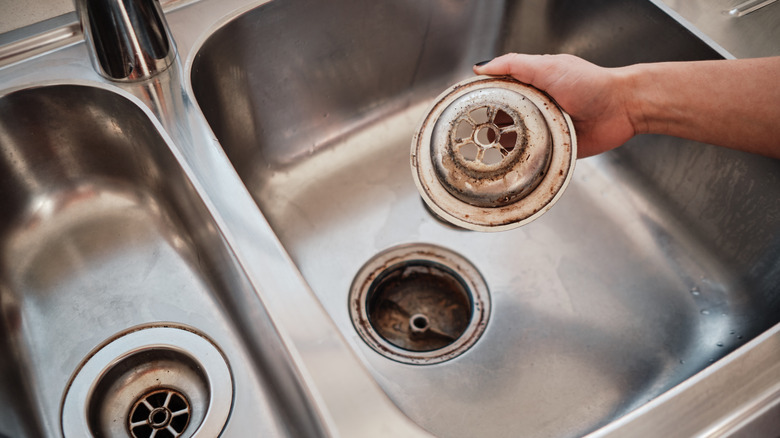
Check the drain and sink bottom for stuck food pieces. Use a paper towel or gloves to remove them.
Getting rid of food scraps stops bacteria from growing during cleaning.
Clean The Drain And Faucet
Wipe the drain cover and faucet with a damp cloth. These areas often hold germs and need extra attention.
- Use a soft brush if needed to reach cracks
- Remove water spots and soap scum
- Dry with a clean towel before disinfecting
Wear Gloves For Protection
Put on rubber or disposable gloves before cleaning. Gloves protect your skin from harsh chemicals and germs.
Wearing gloves helps keep your hands safe and clean during the process.
Credit: www.dkhardware.com
Daily Cleaning Routine
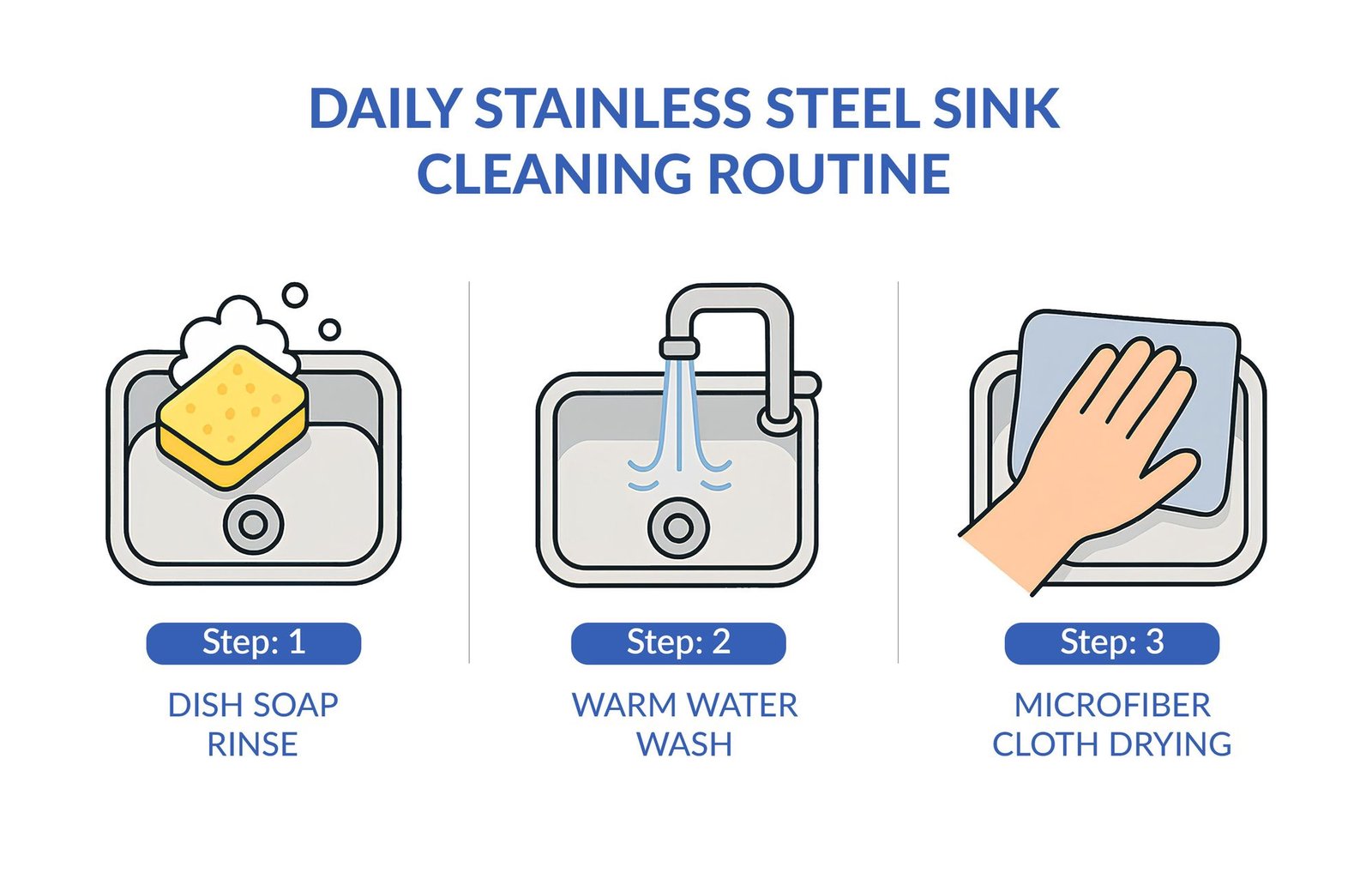
Keeping your kitchen sink clean every day helps stop germs from spreading. A quick daily cleaning keeps the sink fresh and safe to use.
Follow simple steps to remove dirt, scrub the sink, and clean the faucet. This will make your kitchen sink look neat and hygienic.
Removing Food Particles
Start by removing food bits and leftovers from the sink. Use a paper towel or a small brush to clear the drain and basin.
Cleaning food particles daily stops bad smells and keeps the sink clear. Avoid letting scraps sit in the drain.
Scrubbing The Sink Basin
Use a sponge or soft brush with dish soap to scrub the sink basin. Focus on corners and edges where dirt builds up.
Rinse the basin well with warm water. This removes soap and any loosened grime for a clean surface.
Cleaning The Faucet And Handles
Wipe the faucet and handles with a cloth dipped in mild cleaner or vinegar. These areas hold germs from frequent touching.
Dry the faucet and handles with a dry cloth to stop water spots and keep them shiny.
Disinfecting Techniques
Keeping your kitchen sink clean is important for health. Disinfecting daily removes germs and bacteria.
There are different ways to disinfect your sink. Choose a method that fits your needs and supplies.
Using Commercial Disinfectants
Commercial disinfectants are designed to kill many types of germs. They work fast and are easy to use.
Follow the instructions on the label to get the best results. Use gloves to protect your skin.
- Spray the disinfectant evenly on the sink surface.
- Let it sit for the recommended time, usually a few minutes.
- Rinse the sink with clean water after disinfecting.
- Dry the sink with a clean cloth to avoid water spots.
Natural Disinfecting Options
Natural options can also clean and disinfect your kitchen sink. They are safe and eco-friendly.
Common natural disinfectants include vinegar and baking soda. These remove odors and kill some germs.
- Pour baking soda over the sink surface and scrub gently.
- Spray white vinegar on the baking soda and let it fizz.
- Rinse the sink well with water to remove residues.
- Dry the sink with a clean towel to prevent mold.
Credit: www.housedigest.com
Preventing Germ Build-up
Kitchen sinks can collect many germs from food and hands. Cleaning them daily stops these germs from growing. This helps keep your kitchen healthy.
Disinfecting your sink every day removes bacteria and viruses. It also stops bad smells and stains from forming.
Regular Maintenance Tips
Clean your sink after each use with warm, soapy water. This removes food scraps and dirt that germs like.
Use a disinfectant spray or a mix of vinegar and water to kill germs. Let it sit for a few minutes before rinsing.
- Scrub the sink surface with a soft brush or sponge.
- Clean the faucet handles and drain area thoroughly.
- Rinse well with clean water to remove cleaning agents.
- Dry the sink with a clean towel to stop moisture buildup.
Avoiding Common Mistakes
Do not ignore your sink for several days. Germs grow faster in dirty, wet places. Clean it every day to avoid this.
Avoid using harsh chemicals that can damage your sink’s surface. Use safe, gentle cleaners instead.
- Do not leave food scraps in the sink overnight.
- Do not use abrasive scrubbers that scratch the sink.
- Do not forget to clean faucet handles and drain covers.
- Do not rinse with dirty or standing water.
Benefits Of A Germ-free Sink
A clean kitchen sink keeps your home safe. Germs can grow fast in sinks. Daily cleaning stops bacteria from spreading.
Disinfecting your sink helps protect your family. It also keeps your kitchen smelling fresh and looking good.
Prevents Foodborne Illnesses
Kitchen sinks often carry germs from raw food. These germs can cause sickness if they touch your food.
Cleaning the sink every day lowers the chance of illness. It keeps harmful bacteria away from your meals.
Reduces Bad Odors
Food scraps in the sink can create bad smells. Germs break down these scraps and cause odors.
Disinfecting the sink removes germs and food bits. This stops smells and keeps your kitchen fresh.
Protects Against Mold And Mildew
Moist sinks can grow mold and mildew. These fungi harm your health and damage your sink.
Daily cleaning dries the sink and kills mold spores. This keeps the area safe and clean.
Maintains A Clean Appearance
A clean sink looks neat and inviting. It gives a good impression to guests and family.
Regular disinfecting removes stains and spots. Your sink stays shiny and well-maintained.
Extends Sink Lifespan
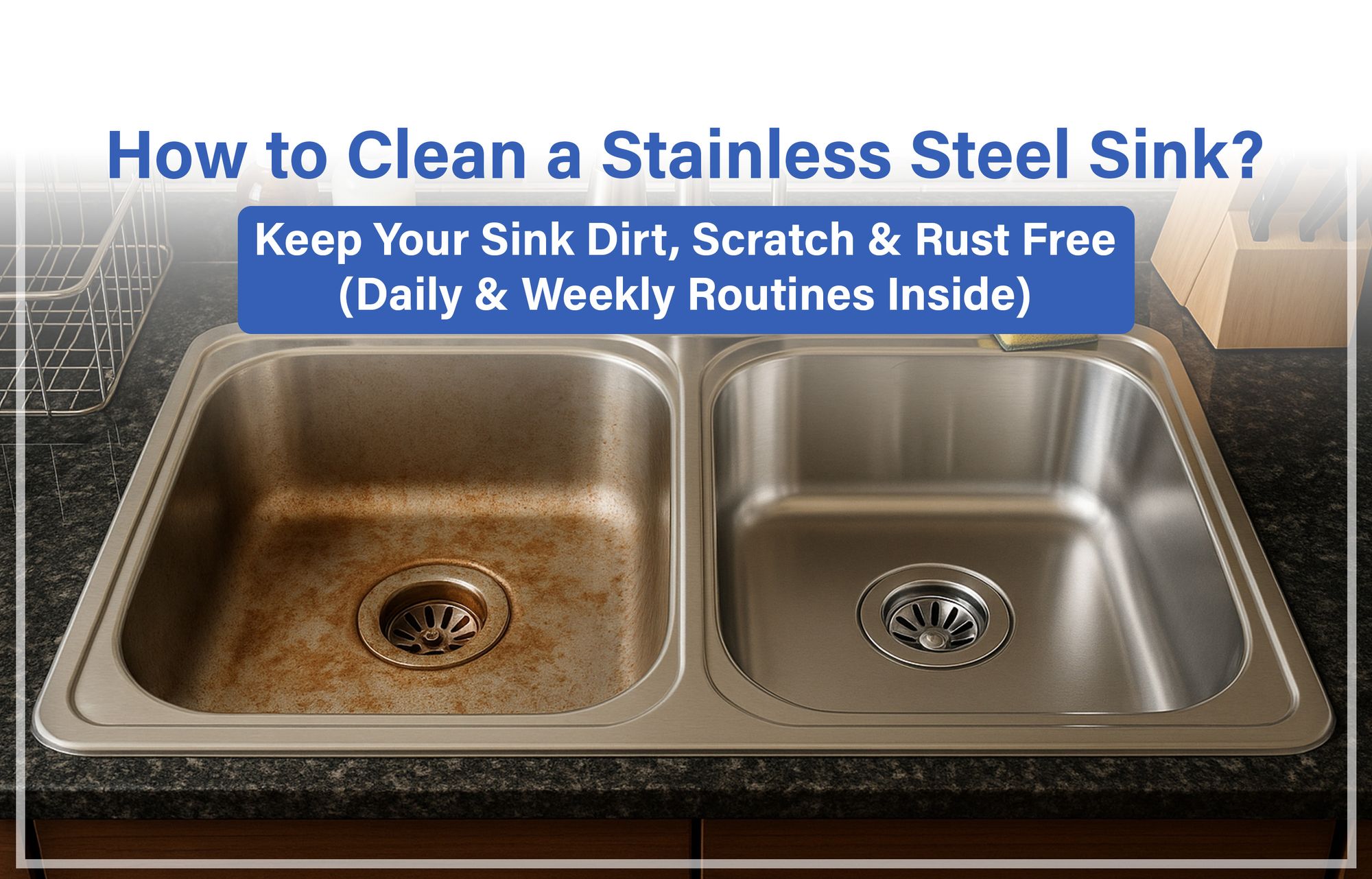
Germs and grime can cause sink damage over time. They may lead to rust or surface wear.
Daily cleaning helps protect your sink’s surface. This keeps it strong and lasting longer.
Frequently Asked Questions
How Often Should I Disinfect My Kitchen Sink Daily?
Disinfect your kitchen sink daily to prevent bacteria buildup. Regular cleaning keeps your sink hygienic and safe for food preparation. Daily disinfection reduces risks of contamination from germs and food residues.
What Is The Best Disinfectant For Kitchen Sinks?
Use a bleach solution or commercial disinfectant labeled safe for kitchen use. Vinegar and baking soda also help, but bleach kills more bacteria effectively. Always follow product instructions for safe and thorough disinfection.
Can I Use Natural Products To Disinfect My Sink?
Yes, natural products like vinegar and baking soda can disinfect sinks effectively. They remove grime and reduce bacteria without harsh chemicals. However, for stronger disinfection, use commercial cleaners or diluted bleach solutions.
How Do I Safely Disinfect Around The Sink Drain?
Apply disinfectant directly around the drain using a brush or sponge. Scrub gently to remove buildup and germs. Rinse thoroughly with hot water to ensure no residue remains.
Conclusion
Keeping your kitchen sink clean helps stop germs and bad smells. Use simple disinfectants every day to stay safe. Wipe the sink well after washing dishes. Let the sink dry to avoid bacteria growth. Small daily steps keep your kitchen fresh and healthy.
A clean sink makes cooking and cleaning easier. Try to build this habit for a safer home. Your kitchen will feel cleaner and more welcoming.