
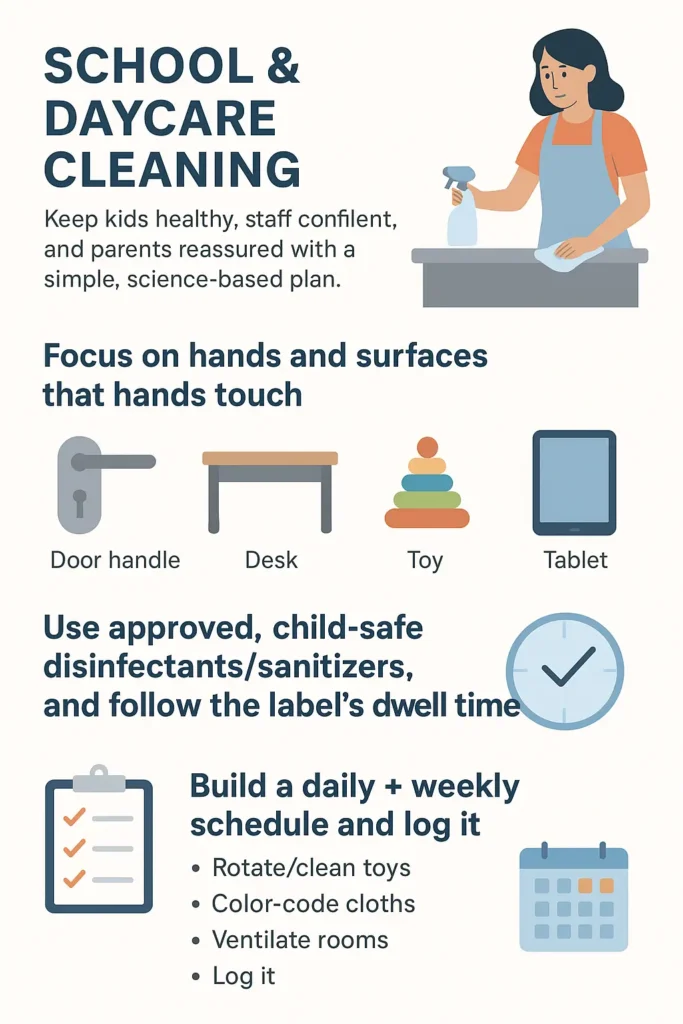
Are you sure your home or workspace is as clean as it should be? High-touch surfaces like doorknobs, light switches, and countertops can harbor germs that put your health at risk.
Learning how to disinfect these areas properly is a simple step that can protect you and your loved ones from illness. You’ll discover easy, effective ways to keep your environment safe and germ-free. Keep reading to take control of your space and boost your peace of mind.
Credit: www.walmart.ca
Importance Of Disinfecting High-touch Surfaces
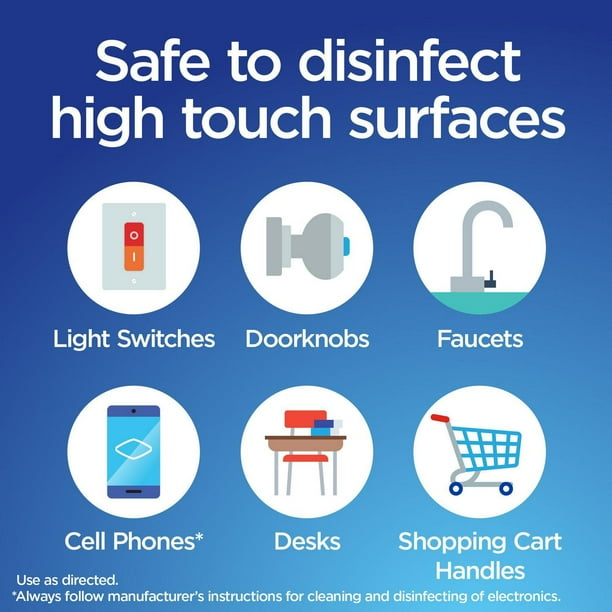
High-touch surfaces are spots that many people touch often. These include doorknobs, light switches, and countertops. Germs can live on these surfaces and spread illnesses.
Cleaning and disinfecting these areas help lower the risk of infections. It keeps homes and workplaces safer and healthier for everyone.
Preventing The Spread Of Germs
Germs can spread quickly through touch. When someone touches a contaminated surface, they can pick up viruses or bacteria. These germs can then enter the body through the mouth, nose, or eyes.
- Disinfecting kills many types of germs.
- It lowers the chance of getting sick.
- It protects people with weak immune systems.
Common High-touch Surfaces To Disinfect
Some surfaces need more attention because many people touch them. Cleaning these regularly is important to stop germs.
| Surface | Examples |
| Door Handles | Entrance doors, bathroom doors |
| Light Switches | Room lights, hallway lights |
| Electronics | Phones, keyboards, remote controls |
| Kitchen Surfaces | Countertops, faucet handles |
| Bathroom Surfaces | Toilet handles, sink taps |
Choosing The Right Disinfectants
Not all cleaners kill germs well. Use products that are made to disinfect. Check if they list germs or viruses they kill on the label.
Here are tips for choosing disinfectants:
- Look for EPA-approved products.
- Use wipes or sprays that stay wet for the needed time.
- Follow instructions for safe use.
Identifying High-touch Surfaces
High-touch surfaces are places people touch often. Germs can spread quickly on these surfaces.
Cleaning and disinfecting these surfaces helps reduce the risk of illness.
Common Areas At Home
In homes, certain areas get touched many times each day. These spots can carry germs.
Focus on disinfecting these places regularly to keep your home safe.
- Doorknobs and handles
- Light switches
- Kitchen counters and faucet handles
- Remote controls
- Bathroom sinks and toilet handles
Frequently Touched Objects In Offices
Offices have many shared items that many people touch each day. These objects can spread germs fast.
Disinfect these objects often to reduce the chance of getting sick.
- Keyboards and mice
- Telephone handsets
- Desk surfaces
- Door handles and elevator buttons
- Copy machines and printers
Public And Commercial Spaces
Public places have many high-touch surfaces. These areas see heavy use every day.
Cleaning these spots often helps protect many people from germs.
- Handrails on stairs and escalators
- ATM and payment terminal buttons
- Public restroom door handles and faucets
- Shopping cart handles
- Seating areas and tables
Choosing The Right Disinfectant
Disinfecting high-touch surfaces helps stop the spread of germs. Picking the right disinfectant is important for safety and effectiveness.
Different disinfectants work best on different surfaces and germs. You should know what to look for before using any product.
Types Of Disinfectants
There are many kinds of disinfectants. Some kill bacteria, viruses, and fungi. Others work better on certain germs.
- Alcohol-based disinfectants are fast and effective.
- Bleach solutions kill a wide range of germs.
- Hydrogen peroxide is good for sensitive surfaces.
- Quaternary ammonium compounds work on many bacteria and viruses.
Reading Labels And Instructions
Labels tell you what germs the disinfectant kills. They also show how to use the product safely.
Follow the instructions for the best results. Some disinfectants need to stay on the surface for a set time to work well.
- Check the list of germs it kills.
- Look for the contact time needed.
- Note any safety warnings.
- Use the recommended amount.
Eco-friendly Options
Eco-friendly disinfectants reduce harm to the environment. They use natural ingredients and break down quickly.
These options are safer for your home and pets. They still protect well if used correctly.
- Look for products with plant-based ingredients.
- Choose disinfectants that are biodegradable.
- Check for third-party eco-certifications.
- Avoid harsh chemicals like ammonia and chlorine.
Proper Techniques For Disinfection
Cleaning high-touch surfaces is key to reducing germs. Proper disinfection helps stop the spread of illness.
Using the right methods keeps surfaces safe and healthy. Follow clear steps for best results.
Step-by-step Cleaning Process
Start by removing dirt and dust from surfaces. Use soap and water before disinfecting. Let the surface dry completely.
- Wear gloves to protect your hands.
- Apply a disinfectant approved by health authorities.
- Make sure the surface stays wet for the required time.
- Wipe off excess liquid with a clean cloth.
- Dispose of gloves and wash hands thoroughly.
Avoiding Cross-contamination
Cross-contamination spreads germs from one surface to another. Use separate cloths for different areas. Clean tools after use.
| Do | Don’t |
|---|---|
| Use color-coded cloths for each room | Use the same cloth everywhere |
| Wash cloths after each use | Keep dirty cloths for next cleaning |
| Change gloves between tasks | Touch multiple surfaces with one pair |
Frequency Of Disinfection
High-touch surfaces need frequent cleaning. This keeps germs low and spaces safer.
- Disinfect daily in homes and offices.
- Clean more often in shared spaces.
- Disinfect after anyone is sick.
- Adjust frequency based on use and risk.
Safety Precautions During Disinfection
Disinfecting high-touch surfaces helps stop the spread of germs. You must take safety steps to protect yourself and others.
Use the right tools and follow safe actions. This guide covers important safety tips for disinfection work.
Protective Gear And Equipment
Wear protective gear to avoid contact with harmful chemicals. Gloves and masks keep your skin and lungs safe.
Use eye protection if splashes are possible. Wear clothes that cover your arms and legs fully.
- Disposable gloves protect hands
- Face masks reduce breathing in fumes
- Safety goggles shield your eyes
- Long sleeves and pants protect skin
Ventilation And Air Quality
Keep the area well-ventilated during disinfection. Fresh air lowers the risk of breathing chemical fumes.
Open windows and doors if possible. Use fans to help move the air outside.
- Open windows and doors
- Use fans to improve airflow
- Avoid small, closed spaces
- Take breaks outside if needed
Handling Chemicals Safely
Read the label on each disinfectant before use. Follow the instructions carefully to avoid accidents.
Never mix different cleaning chemicals. Mixing can cause harmful gases or reactions.
- Check the product label and warnings
- Use the right amount of disinfectant
- Never mix bleach with ammonia or acids
- Store chemicals away from children and pets

Credit: www.freemalaysiatoday.com
Disinfecting Electronics And Gadgets
Electronics and gadgets are used daily and can carry many germs. Cleaning them often helps reduce the spread of bacteria and viruses.
Use safe methods to avoid damage while disinfecting high-touch surfaces like screens, keyboards, and portable devices.
Safe Practices For Screens And Keyboards
Always turn off your device before cleaning. Use a soft, lint-free cloth dampened with a gentle disinfectant. Avoid spraying liquids directly on the screen or keyboard.
- Use alcohol-based wipes with at least 70% isopropyl alcohol.
- Gently wipe screens and keyboards without pressing hard.
- Do not use bleach or abrasive cleaners.
- Allow surfaces to dry completely before turning the device back on.
Dealing With Portable Devices
Portable devices like smartphones and tablets need careful cleaning to avoid damage. Use proper disinfectants and follow safe steps.
| Device Type | Recommended Cleaner | Cleaning Tips |
| Smartphones | Alcohol-based wipes | Wipe gently and avoid ports |
| Tablets | Microfiber cloth with disinfectant spray | Spray cloth, not device |
| Wearables | Disinfectant wipes | Remove bands if possible |
Tips For Maintaining Clean Surfaces
Keeping high-touch surfaces clean helps stop the spread of germs. Regular cleaning reduces the chance of infections.
Using the right cleaning methods and habits keeps surfaces safe for everyone. Follow simple tips to stay healthy.
Regular Cleaning Schedules
Set a cleaning routine for surfaces touched often. Clean these surfaces several times a day if possible.
Focus on door handles, light switches, tables, and electronic devices. Use disinfectants that kill germs quickly.
- Clean surfaces in the morning, afternoon, and evening
- Use disposable wipes or clean cloths after each use
- Follow product instructions for disinfecting time
- Keep cleaning supplies handy and stocked
Encouraging Good Hygiene Practices
Good hygiene helps reduce germs on surfaces. Teach everyone to wash hands often and use sanitizer.
Remind people to avoid touching their face and to cover coughs and sneezes properly.
- Wash hands with soap for 20 seconds
- Use hand sanitizer with at least 60% alcohol
- Cover mouth with elbow or tissue when sneezing
- Keep personal items clean and off shared surfaces

Credit: www.bondcleaninggeelong.com.au
Frequently Asked Questions
What Are High-touch Surfaces In Homes?
High-touch surfaces are areas frequently touched by hands, like doorknobs, light switches, and remote controls. These spots harbor germs and need regular disinfecting to prevent illness spread.
Which Disinfectants Work Best For High-touch Surfaces?
Use EPA-approved disinfectants or solutions with at least 70% alcohol. These effectively kill most bacteria and viruses on surfaces, ensuring safety.
How Often Should I Disinfect High-touch Surfaces?
Disinfect high-touch surfaces daily in busy areas or after exposure to illness. Frequent cleaning reduces germ buildup and lowers infection risk.
Can Disinfecting Wipes Damage Surfaces?
Some wipes may harm delicate surfaces or remove finishes. Always check product labels and test on a small area before full use.
Conclusion
Cleaning high-touch surfaces keeps germs away and protects health. Regular wiping stops viruses from spreading in homes and offices. Use safe disinfectants and follow instructions for best results. Focus on doorknobs, light switches, and phones often. Small efforts create a big impact on daily safety.
Keep these habits to help yourself and others stay well. Simple steps make any space cleaner and safer to live in. Stay consistent and aware for ongoing protection.