
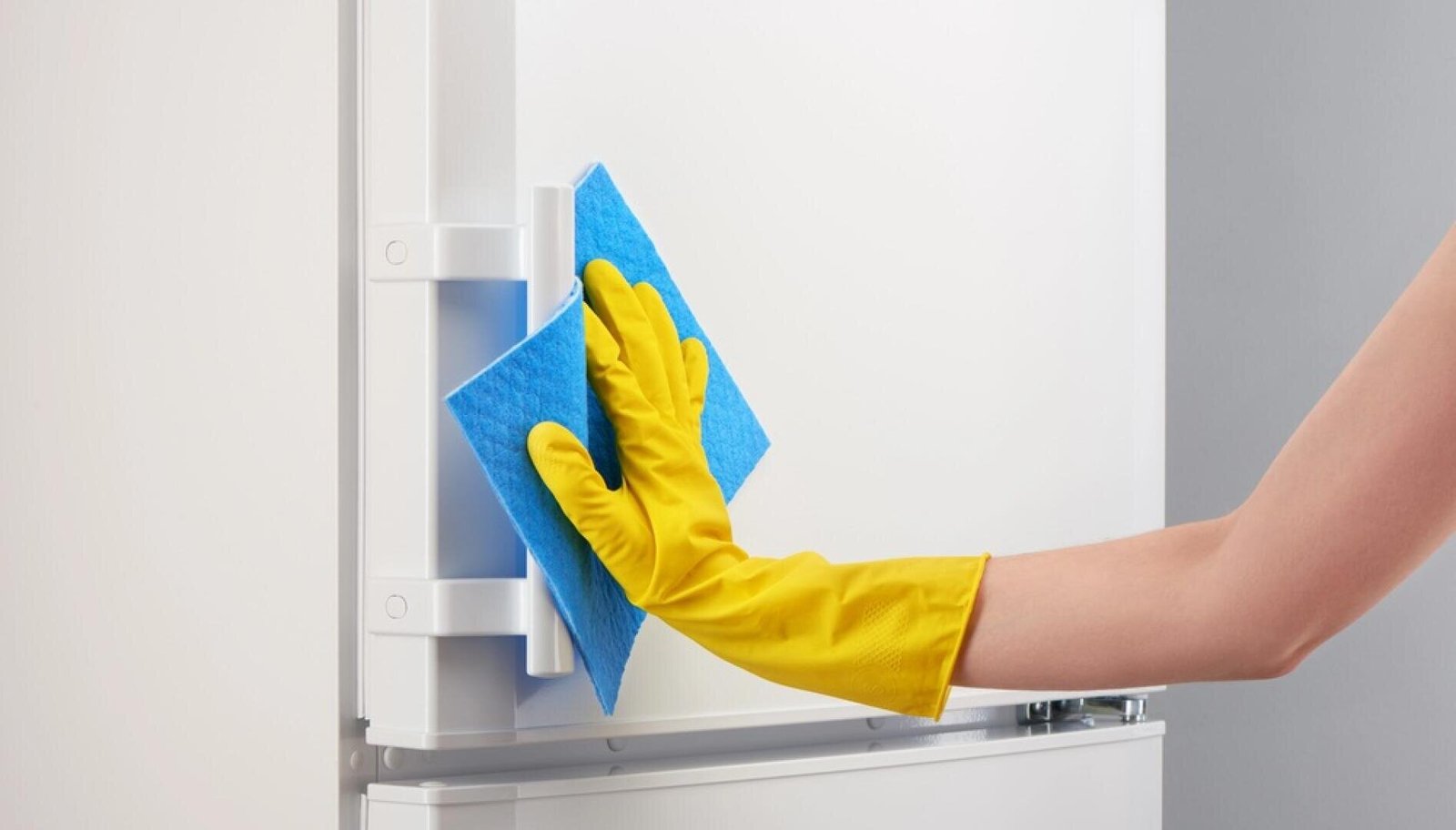
Your fridge is one of the busiest spots in your kitchen. Every time you open it, your hands touch the handles and seals, picking up germs along the way.
These hidden bacteria can affect your food’s safety and your family’s health. But don’t worry—cleaning these areas properly is easier than you think. You’ll discover simple and effective ways to disinfect your fridge handles and door seals. Keep reading to protect your home and keep your kitchen fresh and safe.
Importance Of Cleaning Fridge Handles
Fridge handles are touched many times each day. They can carry germs and bacteria easily.
Cleaning fridge handles helps stop germs from spreading. It keeps your kitchen healthier.
High Contact Surfaces
Fridge handles are one of the most touched spots in the kitchen. Many hands touch them daily.
Because so many people touch the handles, germs build up quickly. Cleaning removes these germs.
Preventing Cross-contamination
Dirty fridge handles can spread germs from raw food to ready-to-eat food. This can cause illness.
Wiping handles regularly stops germs from moving between foods and people.
Protecting Family Health
Cleaning fridge handles helps protect your family from harmful bacteria. It lowers infection risks.
Regular disinfection makes your kitchen a safer place for everyone, especially children and elderly.
Maintaining Appliance Appearance
Cleaning fridge handles also keeps them looking nice and shiny. Dirt and grime can build up over time.
Wiping handles regularly prevents stains and wear. This keeps your fridge looking new longer.
Why Door Seals Need Attention
Fridge door seals help keep the cold air inside. They stop warm air from entering the fridge.
Because they touch both the fridge and the air, seals can get dirty and hold germs. Cleaning them keeps your fridge fresh and safe.
Traps Dirt And Food Particles
Door seals have folds and grooves. These small spaces trap crumbs, spills, and dirt easily.
If not cleaned, this dirt can cause bad smells and mold growth. Regular cleaning stops this problem.
Breeds For Bacteria And Mold
Moisture collects in door seals from fridge air. This wetness is perfect for bacteria and mold to grow.
These microbes can spread to fridge handles and food. Cleaning seals helps stop germs from spreading.
Affects Fridge Efficiency
Dirty or damaged door seals do not close tightly. Cold air escapes and warm air gets in.
This makes your fridge work harder and use more energy. Keeping seals clean helps your fridge save energy.
Prevents Food Contamination
Door seals touch your hands often. If they are dirty, they can transfer germs to your food.
Cleaning seals reduces the chance of food contamination and keeps your family healthier.
Choosing The Right Cleaning Products
Cleaning fridge handles and door seals is important to stop germs. Using the right products keeps your fridge safe and clean.
Some cleaners are natural and gentle. Others are strong commercial disinfectants. Choose based on your needs and safety.
Natural Cleaners
Natural cleaners use simple ingredients like vinegar and baking soda. They are safe for most surfaces and easy to find.
These cleaners can remove dirt and some germs without harsh chemicals. They are good for people with allergies or sensitive skin.
- White vinegar mixed with water cleans and disinfects
- Baking soda paste removes stains and odors
- Lemon juice adds fresh scent and kills bacteria
Commercial Disinfectants
Commercial disinfectants kill a wide range of germs quickly. They are made to clean tough kitchen areas like fridge handles.
Look for products that are safe for plastic and rubber. Follow the instructions to avoid damage and keep your fridge seals intact.
- Choose disinfectants labeled for kitchen use
- Check if the product is safe for door seals and handles
- Use gloves to protect your skin
Step-by-step Cleaning Process
Cleaning fridge handles and door seals keeps your kitchen safe and fresh. These areas collect germs and dirt easily. Regular cleaning helps stop the spread of bacteria.
Follow these simple steps to clean and disinfect your fridge handles and door seals. Use easy tools and safe cleaners for best results.
Preparing The Area
Clear the space around your fridge to work safely. Remove any items near the handles and door seals. This makes cleaning easier and prevents accidents.
Gather all cleaning supplies before you start. You will need disinfectant, warm water, a soft cloth, a small brush, and gloves.
- Clear nearby items
- Wear gloves for protection
- Prepare disinfectant and cleaning cloths
- Have a small brush ready for tight spots
Cleaning The Handles
Start by wiping the handles with a damp cloth to remove surface dirt. Use warm water and mild soap for better cleaning.
Use a small brush to clean around edges and corners. This helps remove hidden dirt and germs. Dry the handles with a clean towel.
- Wipe handles with soapy water
- Use brush for edges and corners
- Rinse with a clean damp cloth
- Dry with a soft towel
Disinfecting The Door Seals
Door seals trap dirt and germs in their folds. Spray disinfectant on the seals and let it sit for a few minutes. This kills bacteria and viruses.
Use a soft cloth or brush to clean the seals gently. Avoid harsh scrubbing to prevent damage. Wipe dry with a clean cloth after disinfecting.
- Spray disinfectant on door seals
- Let disinfectant sit for 5 minutes
- Gently scrub with cloth or brush
- Dry seals completely with a towel
Common Mistakes To Avoid
Cleaning fridge handles and door seals is important to keep your kitchen safe. Many people make mistakes that stop proper disinfection.
Knowing what to avoid helps you clean better and keep germs away. Here are common errors to watch out for.
Using Harsh Chemicals
Strong cleaners can damage fridge parts like seals and handles. Avoid bleach or ammonia on these areas.
Use mild disinfectants safe for plastic and rubber to protect your fridge’s finish and function.
Skipping The Drying Step
After cleaning, leaving water or cleaner on handles and seals can cause mold. Always dry the areas well.
Use a clean cloth to wipe surfaces dry. This stops moisture buildup and keeps germs from growing.
Not Cleaning The Door Seals Thoroughly
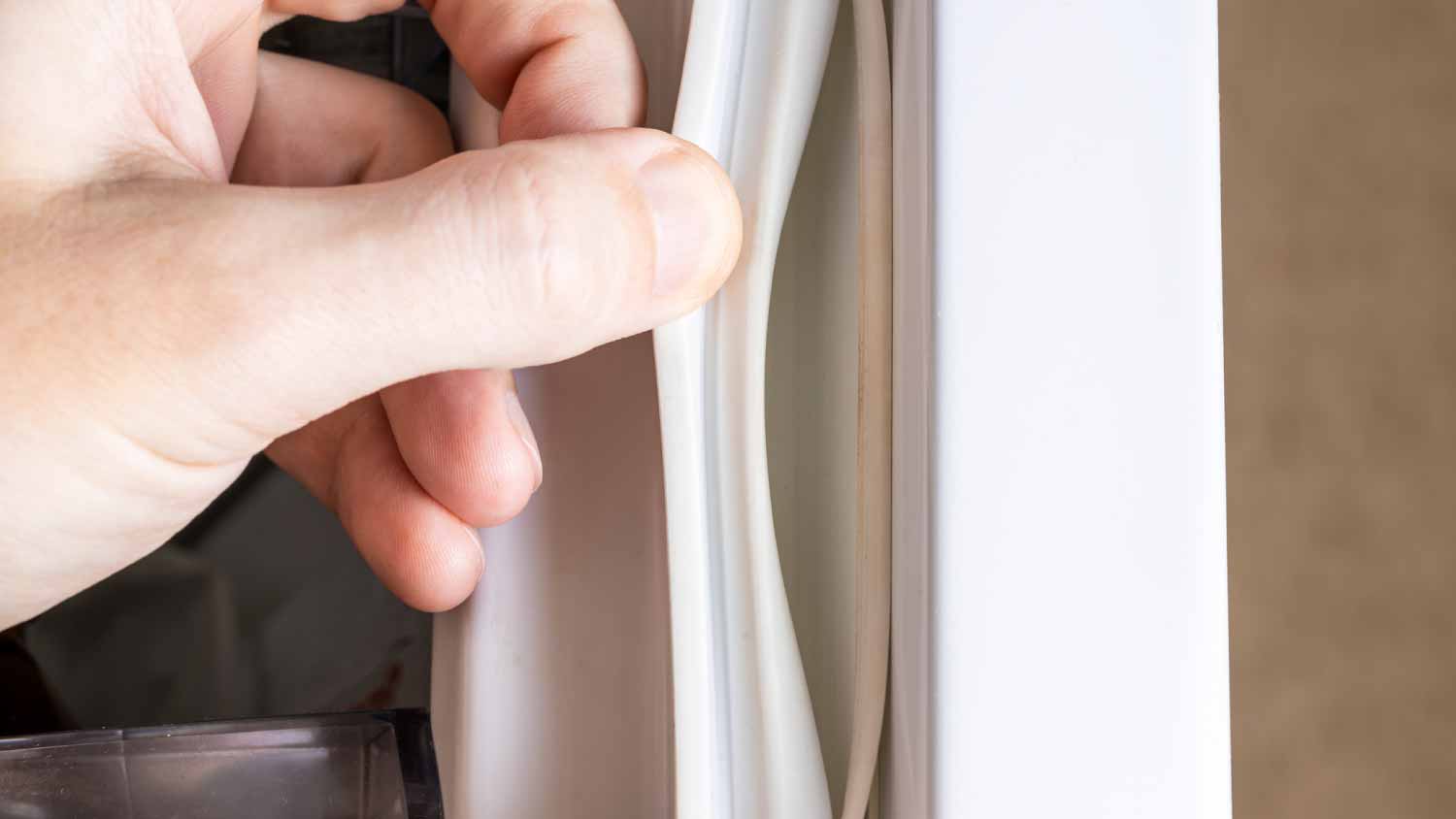
Door seals have folds where dirt and germs hide. Many people clean only the flat parts.
Make sure to clean inside the folds with a soft brush or cloth to remove all grime and bacteria.
Using Abrasive Tools
Scrubbing fridge handles or seals with rough brushes or pads can cause damage. Avoid steel wool or hard scrubbers.
Choose soft sponges or cloths to prevent scratches and keep surfaces intact.
Ignoring Regular Cleaning
Waiting too long between cleanings lets germs build up on handles and seals. Clean these areas often.
Regular wiping helps stop bacteria growth and keeps your fridge safe for food storage.
Credit: www.angi.com
Maintaining Clean Handles And Seals
Fridge handles and door seals collect dirt and germs over time. Keeping them clean helps prevent bacteria growth. It also keeps your fridge smelling fresh.
Regular cleaning protects your food and your family’s health. Use safe and simple steps to disinfect these areas well.
Cleaning Fridge Handles
Fridge handles get touched often, so they need frequent cleaning. Use a mild soap and warm water mix to wipe them down daily.
After cleaning, use a disinfectant to kill germs. Make sure the product is safe for kitchen use and follow the instructions on the label.
- Wear gloves to protect your skin
- Use a soft cloth or sponge
- Wipe handles fully, including edges
- Let the disinfectant sit for a few minutes
- Dry with a clean towel
Disinfecting Door Seals
Door seals trap dirt and moisture, which can cause mold. Clean seals with warm soapy water using a soft brush or cloth.
Disinfect seals carefully to avoid damage. Use a diluted vinegar solution or a gentle disinfectant safe for rubber seals.
- Check seals for cracks or damage
- Apply cleaning solution with a soft brush
- Rinse with a damp cloth
- Dry seals completely to prevent mold
- Repeat cleaning weekly for best results
Tips For Maintaining Clean Handles And Seals
Clean handles and seals regularly to avoid buildup. Use gentle cleaning tools to protect surfaces. Avoid harsh chemicals that cause damage.
- Wipe handles daily with a disinfectant wipe
- Clean door seals at least once a week
- Inspect seals for signs of wear or mold
- Keep fridge doors closed to reduce dirt exposure
- Use gloves when cleaning to protect your hands
Additional Tips For Hygiene
Keeping your fridge handles and door seals clean helps stop germs from spreading. Regular cleaning keeps your kitchen safer.
Use simple habits and tools to improve hygiene around your fridge. Small actions make a big difference.
Use Mild Cleaning Solutions
Mild soap and water work well to clean fridge handles and seals. They remove dirt without damaging surfaces.
Avoid harsh chemicals that can wear down rubber seals or leave harmful residues.
Clean Handles And Seals Often
Clean fridge handles and seals at least once a week. More often if you use the fridge many times daily.
Frequent cleaning stops germs from building up and spreading in your kitchen.
Dry Surfaces Thoroughly
After cleaning, dry handles and seals with a clean cloth. Moisture helps bacteria grow faster.
Drying also keeps rubber seals from getting damaged or moldy over time.
Use Separate Cloths For Cleaning
Use one cloth for fridge handles and another for door seals. This avoids moving germs between areas.
Wash cloths regularly to keep them clean and free from bacteria.
Wear Gloves While Cleaning
Wear disposable or reusable gloves when cleaning fridge handles and seals. Gloves protect your skin from cleaning agents.
Change gloves if they get dirty or torn to keep cleaning safe and effective.
Keep Your Fridge Area Clean
Wipe nearby surfaces often to reduce germs near your fridge. This stops contamination when you open the door.
Clean spills quickly to avoid sticky handles and seals that trap bacteria.

Credit: thorkitchen.com

Credit: www.angi.com
Frequently Asked Questions
How Often Should I Disinfect Fridge Handles And Seals?
Disinfect fridge handles and door seals at least once a week. Frequent cleaning prevents bacteria buildup and keeps your fridge hygienic. Increase cleaning frequency if someone in your home is sick or during flu season. Regular disinfection maintains a safer kitchen environment.
What Cleaning Products Are Safe For Fridge Handles?
Use mild detergents, diluted bleach, or disinfectant sprays safe for food areas. Avoid harsh chemicals like ammonia or abrasive cleaners that can damage surfaces. Always check product labels for safety on plastic or rubber parts. Wipe thoroughly with a damp cloth after applying any cleaner.
Can I Use Natural Disinfectants On Fridge Seals?
Yes, natural disinfectants like vinegar or diluted hydrogen peroxide work well. They kill germs without harmful chemicals and are safe for seals. Apply with a cloth, let sit for a few minutes, then wipe dry. Natural options are eco-friendly and effective for regular cleaning.
Why Is Disinfecting Fridge Door Seals Important?
Door seals trap moisture and food particles, creating a breeding ground for bacteria. Disinfecting seals prevents mold growth and unpleasant odors. It also helps maintain the fridge’s efficiency by ensuring seals remain clean and intact. Regular care prolongs appliance life and food safety.
Conclusion
Cleaning fridge handles and door seals keeps germs away. Use gentle disinfectants and soft cloths for safe cleaning. Regular wiping prevents bacteria build-up and keeps your fridge fresh. Small habits protect your family’s health every day. Stay consistent and make cleaning a simple routine.
Clean handles and seals often to enjoy a safer kitchen. Easy steps, big benefits.