

Your cutting tools are essential for every project, but are you keeping them clean and safe? Disinfecting your tools regularly is key to preventing rust, bacteria buildup, and cross-contamination.
If you want your tools to last longer and work better, this simple habit can make a huge difference. You’ll discover easy, effective ways to disinfect your cutting tools—saving you time, money, and frustration. Ready to protect your tools and your health?
Let’s dive in.
Choosing The Right Disinfectants
Disinfecting cutting tools is important for safety. Choosing the right disinfectants helps keep tools clean and safe.
Not all disinfectants work well on cutting tools. It’s crucial to select ones that are effective and safe.
Types Of Effective Disinfectants
Some disinfectants work better than others. Here are a few types to consider.
- Alcohol-based disinfectants kill many germs quickly.
- Hydrogen peroxide is effective against bacteria and viruses.
- Quaternary ammonium compounds are good for surfaces.
Safe Options For Cutting Tools
Safety is key when disinfecting cutting tools. Choose options that won’t harm the tools or users.
Some disinfectants are safe and effective. They clean well without causing damage.
- Isopropyl alcohol is safe for metal tools.
- Vinegar is a natural option for some surfaces.
- Soap and water can clean dirt before disinfecting.
Avoiding Harmful Chemicals
Some chemicals can be harmful. It is best to avoid them when disinfecting cutting tools.
Check labels for harmful ingredients. Always follow safety instructions.
- Avoid bleach on metal tools, it can cause rust.
- Stay away from harsh acids, they can damage surfaces.
- Ensure good ventilation when using strong disinfectants.
Preparing Tools For Disinfection
Disinfecting cutting tools is important to keep them safe and clean. Before you disinfect, you must prepare the tools properly. This helps remove dirt and germs.
Proper preparation makes disinfection more effective. It also protects the tools from damage.
Cleaning Off Debris
First, remove any dirt, sap, or plant material from the tools. Use a brush or cloth to clean all surfaces. This step prevents debris from blocking the disinfectant.
Cleaning helps kill germs that hide under dirt. Make sure to check blades, handles, and joints.
- Use warm water and soap to wash tools
- Scrub with a stiff brush or cloth
- Rinse tools well to remove soap
- Remove sticky sap with rubbing alcohol if needed
Drying Tools Properly
After cleaning, dry the tools completely. Moisture can cause rust and reduce disinfection effect. Use a clean cloth to wipe tools dry.
Make sure to dry hard-to-reach spots like joints and hinges. Air drying can also help if you have time.
- Use a dry cloth to wipe each tool
- Open folding tools to dry joints
- Let tools air dry in a clean place
- Store tools dry to avoid rust
Step-by-step Disinfection Process
Cutting tools can carry germs and bacteria after use. Cleaning them often helps keep them safe and effective. Follow these steps to disinfect your tools regularly.
This process helps prevent infections and extends the life of your tools. Use the right disinfectants and methods for best results.
Applying Disinfectant Correctly
Use a disinfectant that works well on metal surfaces. Always follow the instructions on the label to get the best effect. Apply the disinfectant evenly on the tool.
Make sure to wear gloves to protect your skin. Avoid using too much disinfectant because it can cause damage.
Soaking Vs. Wiping Methods
Soaking cuts tools in disinfectant is good for deep cleaning. It removes germs from hard-to-reach places. But soaking takes more time and uses more liquid.
Wiping is faster and uses less disinfectant. Use a clean cloth or wipe to cover all surfaces. Wiping works well for quick cleaning between uses.
- Soaking:Immerse tools fully for the recommended time.
- Wiping:Cover all surfaces with disinfectant-soaked cloth.
- Choose soaking for heavy use or after cutting raw materials.
- Choose wiping for routine, quick disinfection.
Ensuring Full Coverage
Check all parts of the cutting tools before and after disinfecting. Pay special attention to joints and blades where germs hide. Missed spots can cause contamination.
Use a small brush or cotton swab for hard-to-reach areas. Make sure the disinfectant stays wet on the surface for the full time needed. Dry tools properly before storing or using again.
- Inspect tools closely for dirt and rust.
- Apply disinfectant to every surface.
- Keep surfaces wet for the full contact time.
- Dry tools completely after disinfecting.

Credit: www.delish.com
Drying And Storing Tools Safely
Cleaning and disinfecting cutting tools is very important. Drying and storing tools safely helps keep them sharp and free from rust.
Proper care extends the life of your tools and keeps them safe to use every time.
Air Drying Techniques
After disinfecting, dry your cutting tools completely before storing. Air drying is gentle and stops moisture from causing rust.
Place tools in a clean, dry area with good airflow. Avoid stacking tools while wet to prevent damage.
- Lay tools flat on a clean towel or rack
- Keep tools separated to allow air circulation
- Use a well-ventilated space away from humidity
- Do not dry tools near direct heat sources
Proper Storage To Maintain Cleanliness
Store cutting tools in a dry place to keep them clean and sharp. Proper storage protects tools from dust and moisture.
Use cases or holders designed for cutting tools. Keep tools organized and easy to access without causing damage.
- Use tool rolls, boxes, or magnetic strips for storage
- Keep tools in a dry cabinet or drawer
- Store each tool separately to avoid scratches
- Check tools regularly for cleanliness and dryness
Frequency And Timing For Disinfection
Keeping cutting tools clean and disinfected is important for safety and tool life. Regular disinfection removes germs and prevents infections.
Knowing when and how often to disinfect tools helps keep them in good shape. This guide explains the best times to clean and disinfect cutting tools.
Daily Vs. Weekly Cleaning
Daily cleaning removes dirt and debris from cutting tools. This keeps tools ready and prevents buildup that can damage them.
Weekly cleaning goes deeper to disinfect and check the tools. This process helps kill germs that daily cleaning might miss.
- Daily cleaning: wipe blades, remove visible dirt
- Weekly cleaning: soak in disinfectant, dry properly
- Weekly checks: inspect blades for rust or damage
Disinfecting After Each Use
Disinfect tools right after each use to stop germs from spreading. This is very important if you cut plants or materials that carry bacteria.
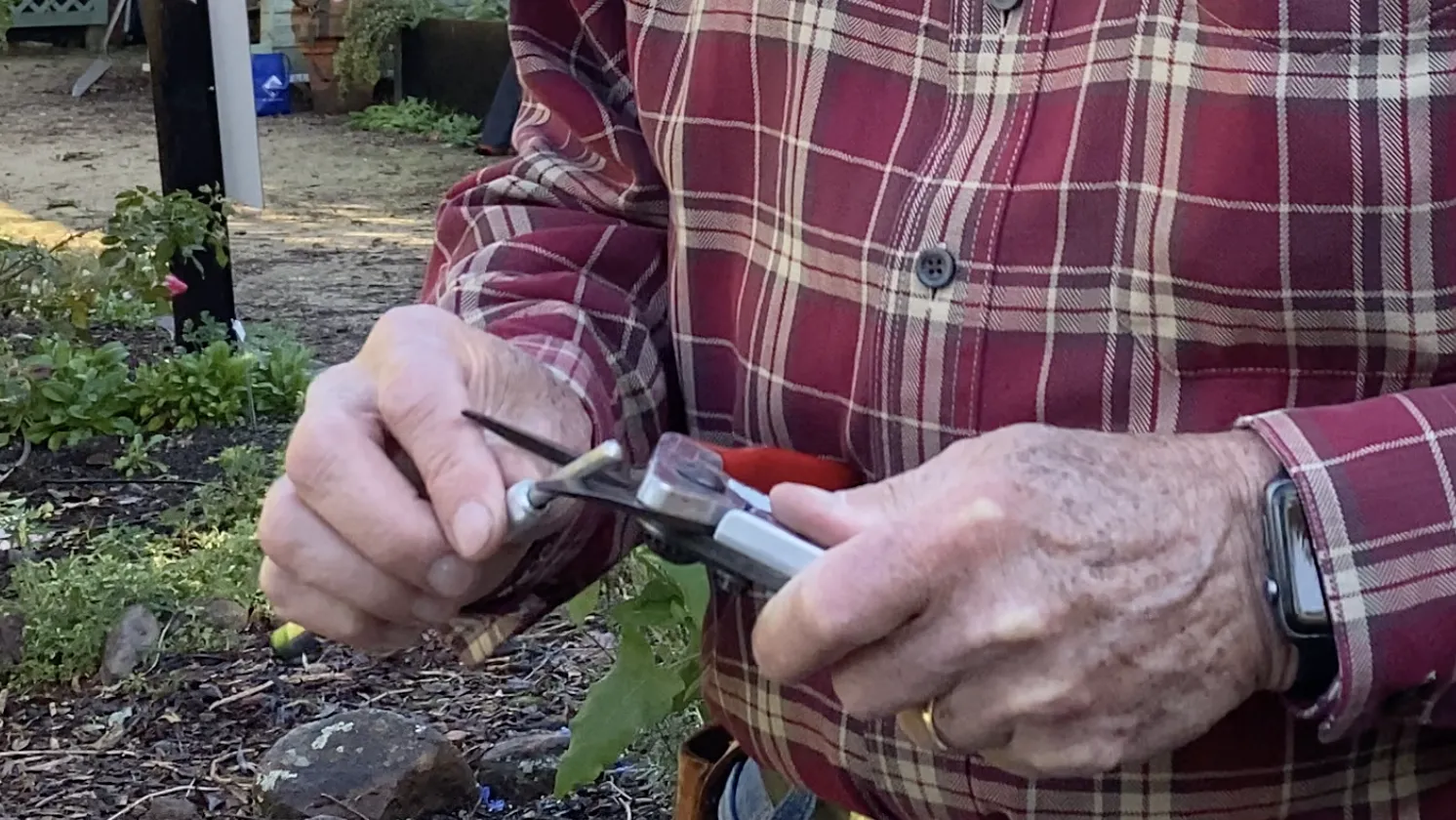
Clean tools first, then apply a disinfectant spray or solution. Let them dry before storing to keep them safe and clean.
- Wipe off dirt immediately after use
- Use alcohol or bleach-based disinfectant
- Allow tools to air dry completely
- Store in a clean, dry place
Credit: www.youtube.com
Maintaining Tool Longevity
Cutting tools need regular cleaning to last longer. Dirt and germs can harm your tools over time.
Disinfecting tools keeps them sharp and safe to use. It also stops damage and rust.
Preventing Rust And Damage
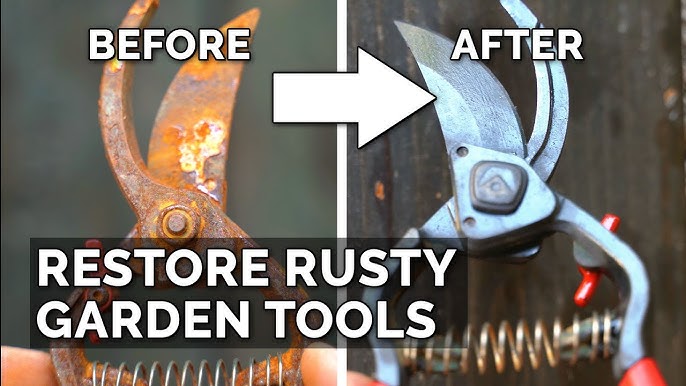
Rust can weaken your cutting tools and make them dull. Clean tools dry after use to stop rust.
Use a cloth and oil to protect metal parts. Avoid soaking tools in water for a long time.
- Wipe tools with a dry cloth after cleaning
- Apply light machine oil to metal surfaces
- Store tools in a dry place away from moisture
- Use rust remover if rust appears early
Regular Inspection Tips
Check your tools often for signs of damage or rust. Early fixes keep tools working well.
Look for loose parts, dull edges, or dirt build-up. Fix or clean tools right away.
- Inspect blades for sharpness and chips
- Check handles for cracks or looseness
- Clean tools after each use
- Disinfect blades with rubbing alcohol or a mild bleach solution
- Replace damaged parts to avoid injury
Safety Tips During Disinfection
Disinfecting cutting tools is important to stop germs from spreading. You must be careful to stay safe while cleaning them.
Using the right safety steps protects your skin, eyes, and lungs from harm during disinfection.
Using Gloves And Protective Gear
Wear gloves to protect your hands from chemicals and germs. Gloves stop skin contact with harmful liquids.
Use goggles or safety glasses to keep your eyes safe from splashes. Wear a mask if the disinfectant has strong fumes.
- Choose gloves made of rubber or nitrile
- Wear eye protection like goggles or glasses
- Use a mask to avoid breathing in fumes
- Wear old clothes or an apron to protect skin
Ventilating Work Areas
Clean cutting tools in a well-ventilated space. Good airflow helps remove harmful fumes from disinfectants.
Open windows or use fans to keep fresh air moving. Avoid small rooms without air circulation during disinfection.
- Work near open windows or doors
- Use a fan to increase air flow
- Do not stay in closed rooms while cleaning
- Take breaks outside if fumes feel strong
Credit: ucanr.edu
Frequently Asked Questions
How Often Should Cutting Tools Be Disinfected?
Cutting tools should be disinfected after every use to prevent contamination. Regular cleaning ensures safety and prolongs tool life. Frequent disinfection reduces the risk of spreading bacteria and viruses effectively.
What Disinfectants Are Best For Cutting Tools?
Use alcohol-based disinfectants or diluted bleach solutions for cutting tools. These effectively kill germs without damaging the tool’s metal surface. Avoid harsh chemicals that cause corrosion or dull blades.
Can Cutting Tools Be Disinfected Without Damaging Them?
Yes, use gentle disinfectants like isopropyl alcohol and avoid soaking tools. Wipe tools thoroughly and dry immediately to prevent rust. Proper care maintains sharpness and hygiene simultaneously.
Why Is Disinfecting Cutting Tools Important?
Disinfecting cutting tools prevents cross-contamination and infections. It maintains hygiene and protects users and clients from harmful germs. Regular disinfection ensures a safe and professional cutting environment.
Conclusion
Regularly cleaning cutting tools keeps them safe and sharp. It helps prevent germs and rust from building up. Use simple disinfectants and follow easy steps every time. This habit saves money by extending tool life. Stay consistent to protect your health and work quality.
Clean tools make every cut smoother and safer. Small effort, big benefits. Keep your tools ready and reliable with regular care.