

Your cutting board is one of the busiest tools in your kitchen. Every day, it comes into contact with raw meat, vegetables, and other foods that can carry harmful bacteria.
If you don’t disinfect it properly, those germs can linger and put your health at risk. But don’t worry—disinfecting your cutting board daily doesn’t have to be complicated or time-consuming. You’ll discover simple, effective ways to keep your cutting board clean and safe for every meal.
Keep reading to protect yourself and your loved ones with easy daily habits.
Choosing The Right Cutting Board
Cutting boards are essential in every kitchen. They help in preparing different foods safely. Choosing the right cutting board is important for hygiene and durability.
Different materials suit different needs. Wood and plastic are the most common choices. Each has its own benefits and drawbacks.
Wood Vs Plastic
Wooden boards are popular for their durability. They are gentle on knife edges. However, they require more care to prevent bacteria growth.
- Wood is less prone to knife scars
- Regular oiling extends their life
- Not dishwasher safe, need hand washing
Plastic boards are easy to clean. They are lightweight and often dishwasher safe. Plastic boards can get scratched easily, which may harbor bacteria.
- Often cheaper than wood
- Available in various colors
- Replace when deeply scratched
Boards For Different Foods
Using separate boards for different foods prevents cross-contamination. It keeps raw meat, vegetables, and cooked foods separate.
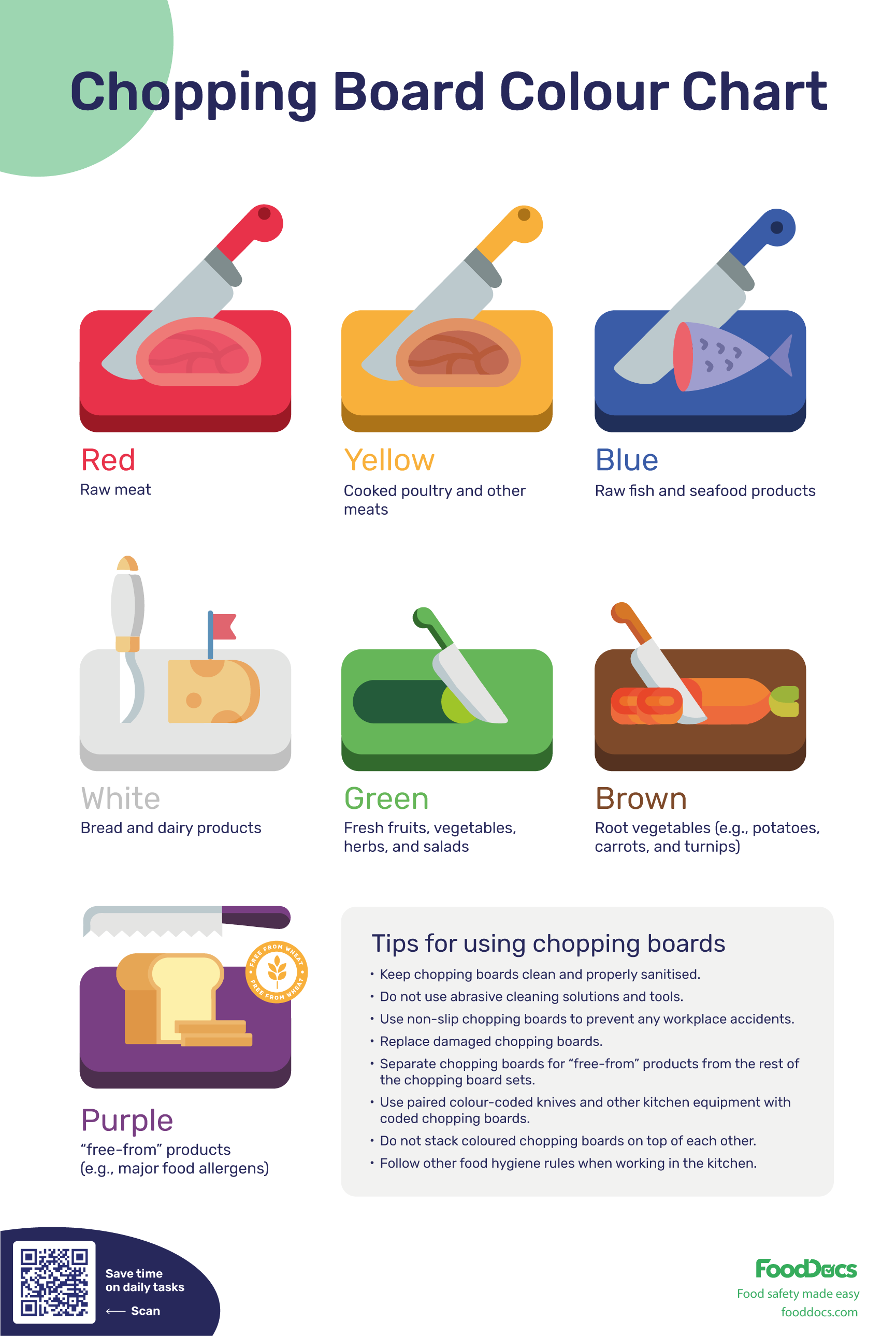
Many people use color-coded boards. This helps identify the board’s specific use quickly.
- Red for raw meat
- Green for vegetables
- Blue for seafood
- Yellow for cooked foods
Credit: www.lysol.com
Daily Cleaning Basics
Cutting boards can hold bacteria if not cleaned well. Cleaning them daily helps keep food safe.
Simple cleaning steps remove germs and food bits. This stops cross-contamination in your kitchen.
Washing With Soap And Water
Use hot water and dish soap to wash your cutting board after each use. This removes most germs and dirt.
Scrub the surface with a brush or sponge. Pay attention to grooves where bacteria hide.
- Rinse well with hot water
- Dry with a clean towel or air dry
- Never leave boards wet or soaked
Removing Food Residue
Food bits left on boards can cause smells and bacteria growth. Remove them right after cutting.
Use a scraper or brush to clear stuck food. Then wash with soap and water to clean fully.
- Scrape off large pieces before washing
- Use a stiff brush for stuck residue
- Clean edges and corners carefully
Effective Disinfection Methods
Cutting boards can hold harmful bacteria if not cleaned well. Daily disinfection keeps your kitchen safe.
Here are easy and effective ways to disinfect your cutting boards every day.
Using Vinegar Solutions
White vinegar is a natural disinfectant. It kills many bacteria and is safe to use on wood and plastic boards.
Spray or wipe the cutting board with vinegar. Let it sit for a few minutes, then rinse with water.
- Use undiluted white vinegar
- Apply with a spray bottle or cloth
- Wait 5 minutes before rinsing
- Dry the board fully before storing
Applying Hydrogen Peroxide
Hydrogen peroxide is a strong cleaner and kills germs well. It works on all types of cutting boards.
Pour 3% hydrogen peroxide on the board. Spread it evenly and let it bubble for a few minutes. Rinse with water and dry.
- Use 3% hydrogen peroxide only
- Apply directly or with a clean cloth
- Let it sit for 5 minutes
- Rinse well to remove residue
Bleach For Deep Cleaning
Bleach is strong and kills almost all germs. Use it for deep cleaning, not daily, to protect your board.
Mix one tablespoon of bleach with one gallon of water. Soak or wipe the board, then rinse well with water.
- Use a diluted bleach solution
- Apply with a cloth or soak for 2 minutes
- Rinse thoroughly with clean water
- Let the board air dry completely
Drying And Storage Tips
Cleaning cutting boards is not enough to keep them safe. Drying and storing them properly stops germs from growing. This helps keep your kitchen clean and safe.
Letting cutting boards dry well and storing them in the right place keeps them fresh. This guide shows easy ways to dry and store cutting boards every day.
Air Drying Techniques
Air drying is one of the best ways to dry cutting boards. It stops moisture that helps bacteria grow. Place the board in a spot where air moves freely around it.
Stand the cutting board on its edge or hang it to dry. Avoid stacking boards on top of each other while wet. This keeps both sides dry and clean.
- Place boards upright to allow air to reach all sides
- Use a drying rack to keep boards separated
- Keep drying area clean and well ventilated
- Do not cover boards while drying
Preventing Bacterial Growth
Drying cutting boards fully helps stop bacteria from growing. Bacteria like wet, warm places. Keep cutting boards dry and clean to reduce this risk.
Store cutting boards in a dry, clean place after drying. Avoid damp or closed spaces that trap moisture. Clean boards often and replace them if they get deep cuts.
- Keep boards dry before storing
- Store boards in a well-ventilated area
- Clean boards regularly with soap and hot water
- Replace old or cracked boards to avoid germs hiding
Maintaining Cutting Board Hygiene
Keeping your cutting board clean every day is important. It stops germs from spreading to your food.
Disinfecting your board helps keep your kitchen safe and your meals healthy.
Regular Inspection For Damage
Check your cutting board often for cracks or deep cuts. These can hide bacteria.
Damaged areas make cleaning less effective and increase the risk of contamination.
- Look for scratches and grooves on the surface
- Feel for rough or uneven spots
- Make sure the board is smooth and clean
When To Replace Your Board
Replace your cutting board if it is badly damaged or stained. Old boards can hold harmful germs.
Using a new board helps keep food preparation safe and fresh.
- Replace wooden boards if they have deep cracks
- Replace plastic boards with many knife marks
- Buy new boards if stains and odors remain after cleaning
Credit: www.thekitchn.com
Additional Safety Practices
Keeping cutting boards clean is important to stop germs from spreading. Daily disinfecting helps protect your family from foodborne illnesses.
Besides cleaning, some extra safety steps make your kitchen safer. These steps work well with disinfecting cutting boards.
Separate Boards For Meat And Veggies
Use different cutting boards for raw meat and vegetables. This stops harmful bacteria from raw meat mixing with fresh veggies.
Label or color-code your boards to keep them separate. This simple step reduces the risk of cross-contamination.
- Use one board only for raw meat, poultry, and fish.
- Use another board only for fruits and vegetables.
- Clean and disinfect each board right after use.
Hand Hygiene While Cooking
Wash your hands often while cooking. Clean hands stop germs from spreading to food and cutting boards.
Wash hands with soap and warm water for at least 20 seconds. Do this before and after handling raw meat or vegetables.
- Wash hands before starting to cook.
- Wash after touching raw meat or eggs.
- Wash if you touch your face, phone, or trash.
- Dry hands with a clean towel or air dryer.
Credit: www.fooddocs.com
Frequently Asked Questions
How Often Should I Disinfect Cutting Boards Daily?
Disinfect cutting boards daily after each use to prevent bacteria buildup. Frequent cleaning reduces cross-contamination and foodborne illness risks.
What Is The Best Disinfectant For Cutting Boards?
Use a diluted bleach solution or white vinegar as effective disinfectants. These kill most bacteria and are safe for kitchen use.
Can I Disinfect Wooden Cutting Boards Safely?
Yes, use mild bleach solutions or vinegar and avoid soaking wood. Dry thoroughly to prevent warping and bacteria growth.
How Long Should Disinfectant Sit On Cutting Boards?
Let disinfectant sit for at least 5 minutes before rinsing. This ensures effective bacteria elimination and safe food preparation.
Conclusion
Keeping cutting boards clean helps stop germs and bacteria. Use simple daily steps like washing with soap and water. Disinfect with safe solutions like vinegar or diluted bleach. Let boards dry fully before using them again. Regular care keeps your kitchen safe and food healthy.
Small habits make a big difference every day. Clean boards protect your family from foodborne illness. Stay consistent and enjoy a safer cooking space.