
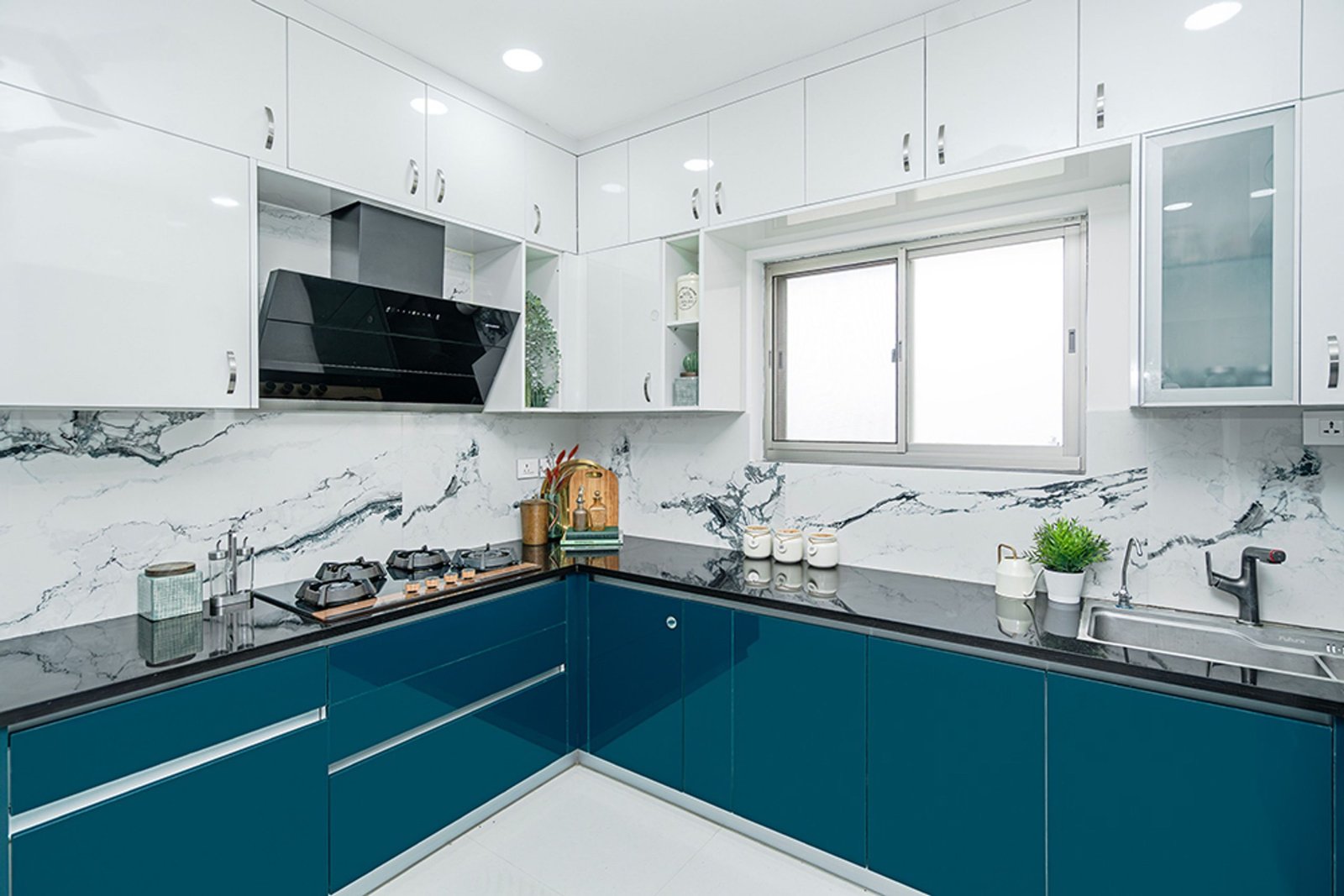
Are you dreaming of a kitchen that looks great and works perfectly for your daily needs? Designing a modular kitchen can be the answer.
It makes cooking easier, saves space, and keeps everything organized just the way you want. But how do you start? How can you create a kitchen that fits your style and lifestyle without feeling overwhelmed? Keep reading, and you’ll discover simple steps to design a modular kitchen that truly feels like yours.
By the end, you’ll have the confidence to transform your kitchen into a smart, stylish space you’ll love every day.
Benefits Of A Modular Kitchen
A modular kitchen offers a smart way to organize your cooking space. It helps keep everything tidy and easy to find.
With modular designs, you can customize the kitchen to fit your needs. This makes cooking faster and more enjoyable.
Space Efficiency
Modular kitchens use every inch of space well. Cabinets and shelves fit perfectly in your kitchen area.
- Maximize storage in small areas
- Use corner spaces effectively
- Keep countertops free for cooking
Easy Maintenance
Cleaning and fixing a modular kitchen is simple. The materials used are easy to wipe and stay neat for longer.
Customization Options
Choose colors, shapes, and materials that match your style. Modular kitchens adapt to your needs and taste.
Improved Functionality
A modular kitchen helps you work faster. Tools and ingredients are close by and easy to reach.
| Feature | Benefit |
| Pull-out shelves | Easy access to pots and pans |
| Built-in storage | Less clutter on counters |
| Modular drawers | Organized utensils and spices |
Modern Look
Modular kitchens bring a clean, modern style to your home. They look neat and fresh for many years.
Key Elements Of Modular Kitchen Design
Designing a modular kitchen means focusing on style, space, and function. This helps create a kitchen that is easy to use and looks good.
There are important parts to consider. These include cabinet styles, work triangle efficiency, and smart storage solutions.
Cabinet Styles
Cabinets form the main structure of a modular kitchen. Choosing the right style affects the kitchen’s look and feel.
- Flat-panel cabinets offer a modern, clean look.
- Shaker cabinets have a classic, simple design.
- Glass-front cabinets add openness and light.
- Open shelving creates easy access and display space.
Work Triangle Efficiency
The work triangle connects the sink, stove, and refrigerator. A good layout reduces walking and makes cooking faster.
| Element | Ideal Distance | Purpose |
| Sink to Stove | 4 to 9 feet | Easy food prep and cooking |
| Stove to Refrigerator | 4 to 9 feet | Quick access to ingredients |
| Refrigerator to Sink | 4 to 9 feet | Efficient cleaning and storage |
Storage Solutions
Good storage keeps the kitchen tidy and tools easy to find. Modular kitchens use smart designs to save space.
- Pull-out drawers for pots and pans
- Corner carousels to use difficult spaces
- Built-in spice racks for easy reach
- Vertical dividers for trays and lids
- Deep drawers for large appliances
Selecting The Right Materials
Choosing the right materials is key to a good modular kitchen. Materials affect the kitchen’s look, feel, and durability.
Good materials make your kitchen easy to clean and long-lasting. Focus on materials that fit your budget and style.
Countertop Options
Countertops handle daily kitchen tasks. Pick materials that resist stains and heat well.
Granite is strong and heat resistant. Quartz is low maintenance and looks sleek. Marble offers a classic look but needs care.
- Granite: durable and heat resistant
- Quartz: easy to clean and modern
- Marble: elegant but requires care
- Laminates: budget-friendly and versatile
Durable Flooring Choices
Floors see heavy use in kitchens. Choose materials that handle spills and foot traffic well.
Ceramic tiles are water resistant and easy to clean. Vinyl floors offer comfort and come in many styles. Hardwood floors add warmth but need regular care.
- Ceramic tiles: water and stain resistant
- Vinyl: soft underfoot and stylish
- Hardwood: classic look and warm feel
- Natural stone: durable but can be slippery
Cabinet Material Varieties
Cabinets store your kitchen items. Pick materials that resist moisture and last long.
Plywood cabinets are strong and resist warping. MDF cabinets have smooth finishes and are budget-friendly. Solid wood cabinets are durable but cost more.
- Plywood: sturdy and moisture resistant
- MDF: smooth finish and affordable
- Solid wood: durable and classic
- Particleboard: low cost but less durable
Color Schemes And Lighting
Designing a modular kitchen needs careful thought about colors and lighting. These elements make your kitchen look bright and inviting.
Choosing the right colors and lighting helps create a cozy and practical cooking space.
Choosing A Color Palette
Select colors that match your style and kitchen size. Light colors can make small kitchens feel larger. Dark colors add warmth to big spaces.
- Use neutral colors for walls and cabinets
- Add bright colors with accessories or backsplashes
- Choose colors that reflect natural light well
- Consider durable paint finishes for easy cleaning
Maximizing Natural Light
Natural light makes kitchens feel fresh and open. Use windows and glass doors to bring in sunlight.
| Tip | Description |
| Window Size | Install large windows to increase light |
| Reflective Surfaces | Use glossy tiles and countertops |
| Light Curtains | Choose sheer curtains that let light pass |
| Open Layout | Keep kitchen open to other rooms for more light |
Innovative Lighting Fixtures
Good lighting helps with cooking tasks and adds style. Mix different light types for best effect.
- Use bright overhead lights for full room lighting
- Add under-cabinet lights for countertop work areas
- Include pendant lights over kitchen islands or dining spots
- Install dimmer switches to adjust light mood
Appliance Integration
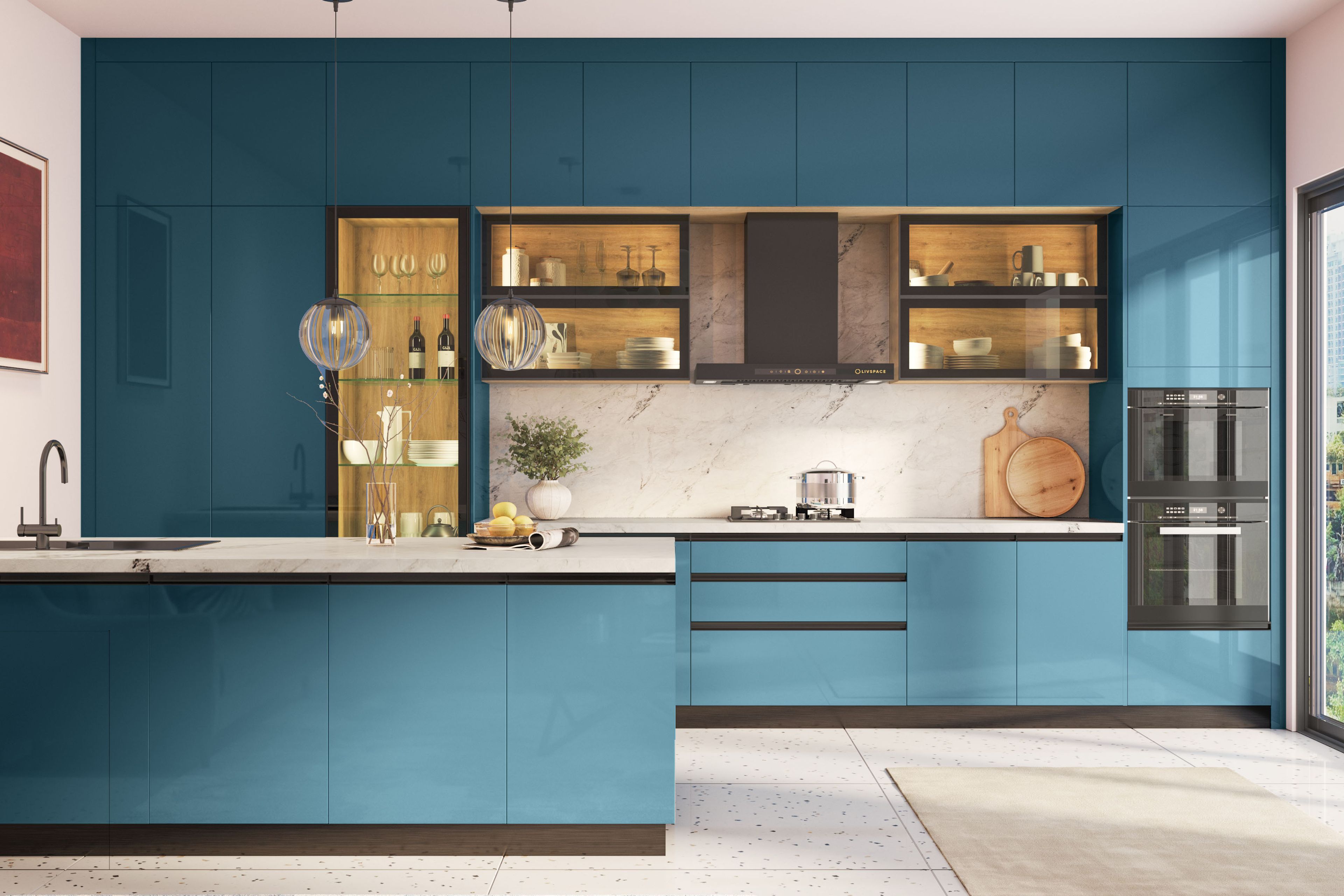
Designing a modular kitchen requires careful appliance integration. Choosing the right appliances helps keep your kitchen functional and stylish.
Appliance integration means fitting devices smoothly into cabinets or spaces. It improves space use and gives a clean look.
Built-in Vs. Freestanding
Built-in appliances fit directly into the cabinetry. Freestanding appliances stand alone and can be moved.
- Built-in:Saves space and looks neat.
- Freestanding:Easier to install and replace.
- Built-in:Often more expensive but lasts longer.
- Freestanding:Offers more flexibility in layout.
Smart Kitchen Technologies
Smart appliances connect to Wi-Fi and allow remote control. They help with cooking, cleaning, and managing energy use.
| Appliance | Smart Feature | Benefit |
| Oven | Remote Preheating | Start cooking before you arrive |
| Refrigerator | Inventory Tracking | Know when to buy groceries |
| Dishwasher | Energy Monitoring | Save on electricity bills |
Energy-efficient Options
Energy-efficient appliances reduce power use and save money. Look for energy ratings and eco-friendly designs.
- Choose LED lighting inside appliances
- Use induction cooktops for faster cooking
- Pick refrigerators with good insulation
- Buy dishwashers with low water consumption
Credit: www.livspace.com
Space Optimization Techniques
Designing a modular kitchen needs smart use of space. Small kitchens need clever ideas to fit everything.
Using space well makes cooking easier and keeps the kitchen tidy. Here are key ways to save space.
Vertical Storage Solutions
Vertical storage uses wall space to store kitchen items. Tall cabinets and shelves free up counters.
Hooks and racks on walls hold pots, pans, and utensils. This keeps things within reach and neat.
- Install tall cabinets to use wall height
- Use open shelves for easy access
- Add hooks for hanging utensils and pans
- Use magnetic strips for knives and tools
- Stack items vertically inside cabinets
Multi-functional Furniture
Furniture that serves more than one purpose saves space. It can be a table that stores or a counter that expands.
Foldable and movable pieces help adjust space as needed. This keeps the kitchen flexible and less crowded.
- Use kitchen islands with storage inside
- Choose foldable dining tables
- Pick chairs that stack or fold away
- Install pull-out counters for extra workspace
- Find cabinets with built-in cutting boards
Compact Layouts For Small Kitchens
Compact layouts make small kitchens work well. They fit all needed areas in a small space.
Popular layouts include L-shape, U-shape, and galley kitchens. Each design uses corners and walls smartly.
- L-shape uses two walls to open space in the center
- U-shape surrounds the cook with counters on three sides
- Galley layout places counters opposite each other
- Keep pathways clear for easy movement
- Place appliances close to reduce steps
Budgeting For Your Modular Kitchen
Designing a modular kitchen starts with a clear budget. Knowing your budget helps you make smart choices.
This guide covers tips to save money, ways to finance, and how to pick must-have features.
Cost-effective Design Tips
Choose materials and designs that look good but cost less. Simple styles save money on construction.
- Use laminate or MDF for cabinets instead of solid wood
- Pick standard sizes for appliances and fixtures
- Limit custom features to key areas
- Reuse existing plumbing and electrical setups
- Opt for open shelves instead of closed cabinets
Financing Options
Look at different ways to pay for your kitchen. Choose options with low interest and easy terms.
| Financing Type | Description | Pros | Cons |
| Personal Loan | Loan from a bank or lender | Fixed amount, fixed term | Interest rates vary |
| Credit Card | Use credit limit to pay | Easy and fast | High interest if not paid fast |
| Home Improvement Loan | Loan specifically for renovations | Lower interest rates | Requires good credit score |
| EMI with Vendors | Pay in installments to supplier | No upfront cost | May include interest or fees |
Prioritizing Essential Features
Focus your budget on parts you use daily. Skip or delay less important items.
- Choose a sturdy countertop for cooking space
- Get enough storage for your main utensils
- Install good lighting for work areas
- Pick reliable plumbing fixtures
- Delay luxury items like wine racks or smart gadgets
Hiring The Right Professionals
Designing a modular kitchen requires help from skilled experts. Choosing the right professionals makes the process smooth and efficient.
This guide covers how to select a kitchen designer, work with contractors, and check credentials for a successful kitchen project.
Choosing A Kitchen Designer
A good kitchen designer understands your needs and space. They help plan layouts, select materials, and create a functional kitchen.
- Look for designers with modular kitchen experience.
- Ask to see their previous designs and projects.
- Choose someone who listens to your ideas carefully.
- Check if they use modern design software for accuracy.
- Confirm their availability during your project timeline.
Working With Contractors
Contractors bring the design to life. They handle installation and manage workers. Good contractors keep the project on time and budget.
Clear communication is important. Set expectations about work quality and deadlines before starting.
- Get multiple quotes to compare prices and services.
- Discuss the project timeline and milestones.
- Agree on payment terms and schedule.
- Ensure they follow safety and building codes.
- Stay in touch to track progress and solve issues.
Checking Credentials And References
Verify the background of your designer and contractor. Checking credentials protects you from poor work and delays.
| Credential | What to Check | Why It Matters |
|---|---|---|
| License | Valid and current | Shows legal permission to work |
| Insurance | Coverage for accidents | Protects you from liability |
| References | Past client contacts | Confirms quality and reliability |
| Portfolio | Completed projects | Demonstrates skills and style |
Maintenance And Care Tips
Keeping your modular kitchen clean and well-maintained helps it last longer. Regular care protects the materials and keeps the space looking fresh.
Simple habits and timely repairs save you money. Follow easy tips to keep your kitchen working smoothly every day.
Cleaning Techniques
Clean your modular kitchen daily to avoid dirt buildup. Use soft cloths and mild cleaners to protect surfaces.
Wipe spills immediately to prevent stains and damage. Avoid harsh chemicals that can harm finishes.
- Use a damp microfiber cloth for cabinets and counters
- Clean stainless steel with a mixture of water and mild soap
- Dry surfaces after cleaning to avoid water marks
- Use gentle scrubbers for stubborn stains
- Clean glass doors with glass cleaner and soft cloth
Regular Maintenance Schedule
Set a weekly and monthly schedule for kitchen maintenance. This keeps everything in good shape and prevents big problems.
Check hinges, handles, and drawers for smooth operation. Tighten screws and oil moving parts as needed.
- Weekly: Clean surfaces and check for spills
- Monthly: Inspect cabinet doors and drawer slides
- Monthly: Check plumbing connections for leaks
- Quarterly: Deep clean appliances and vents
- Yearly: Review overall condition and plan repairs
Repairing And Replacing Components
Fix small issues quickly to avoid bigger damage. Replace worn or broken parts to keep the kitchen functional.
Use correct tools for repairs or ask a professional if unsure. Keep spare parts like screws and hinges handy.
- Replace damaged cabinet handles or knobs
- Fix loose hinges or drawer slides promptly
- Repair chipped countertops with filler kits
- Seal grout and joints to prevent water damage
- Check and replace worn-out seals on appliances

Credit: www.designcafe.com

Credit: www.designcafe.com
Frequently Asked Questions
What Is A Modular Kitchen Design?
A modular kitchen design uses pre-made units or modules for easy installation. It offers flexibility, modern aesthetics, and efficient space use.
How To Choose Materials For A Modular Kitchen?
Select durable, moisture-resistant materials like plywood or MDF. Consider finishes that match your style and are easy to clean.
What Are The Benefits Of A Modular Kitchen?
Modular kitchens save space, enhance organization, and simplify maintenance. They also allow customization to fit your lifestyle and budget.
How To Plan Storage In A Modular Kitchen?
Use vertical space with cabinets and shelves. Incorporate drawers and pull-out units for easy access and better organization.
Conclusion
Designing a modular kitchen makes cooking easier and more fun. You can choose cabinets and shelves that fit your space well. It helps keep your kitchen neat and organized every day. Good planning saves time and money during installation. Small details, like lighting and handles, add style and comfort.
A well-designed kitchen suits your needs and looks good too. Start with a clear idea and enjoy creating your perfect kitchen space.