
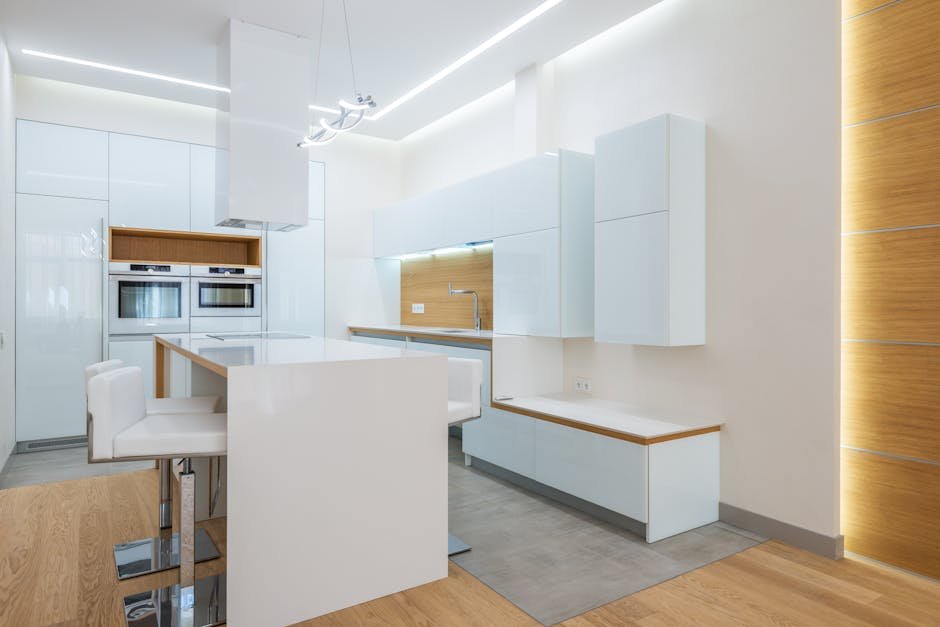
Imagine stepping into your kitchen and instantly feeling how inviting it is—not just a place to cook but also a cozy spot where you can sit, chat, and enjoy your meals. Designing a kitchen with seating space isn’t just about adding chairs; it’s about creating a warm, functional area that fits your lifestyle perfectly.
If you’ve ever wondered how to blend style, comfort, and practicality in your kitchen, you’re in the right place. Keep reading, and you’ll discover simple, smart ways to make your kitchen a welcoming space everyone will love.

Credit: www.designcafe.com
Choosing The Right Layout
Designing a kitchen with seating space starts with picking the right layout. The layout affects how people move and use the kitchen.
Good layouts help add seating without making the kitchen feel crowded. Let’s look at popular layout choices.
Open Concept Designs
Open concept kitchens connect the cooking area with living or dining rooms. This layout creates a large, shared space.
Seating can include breakfast bars or small dining tables. This setup encourages socializing while cooking.
Island And Peninsula Options
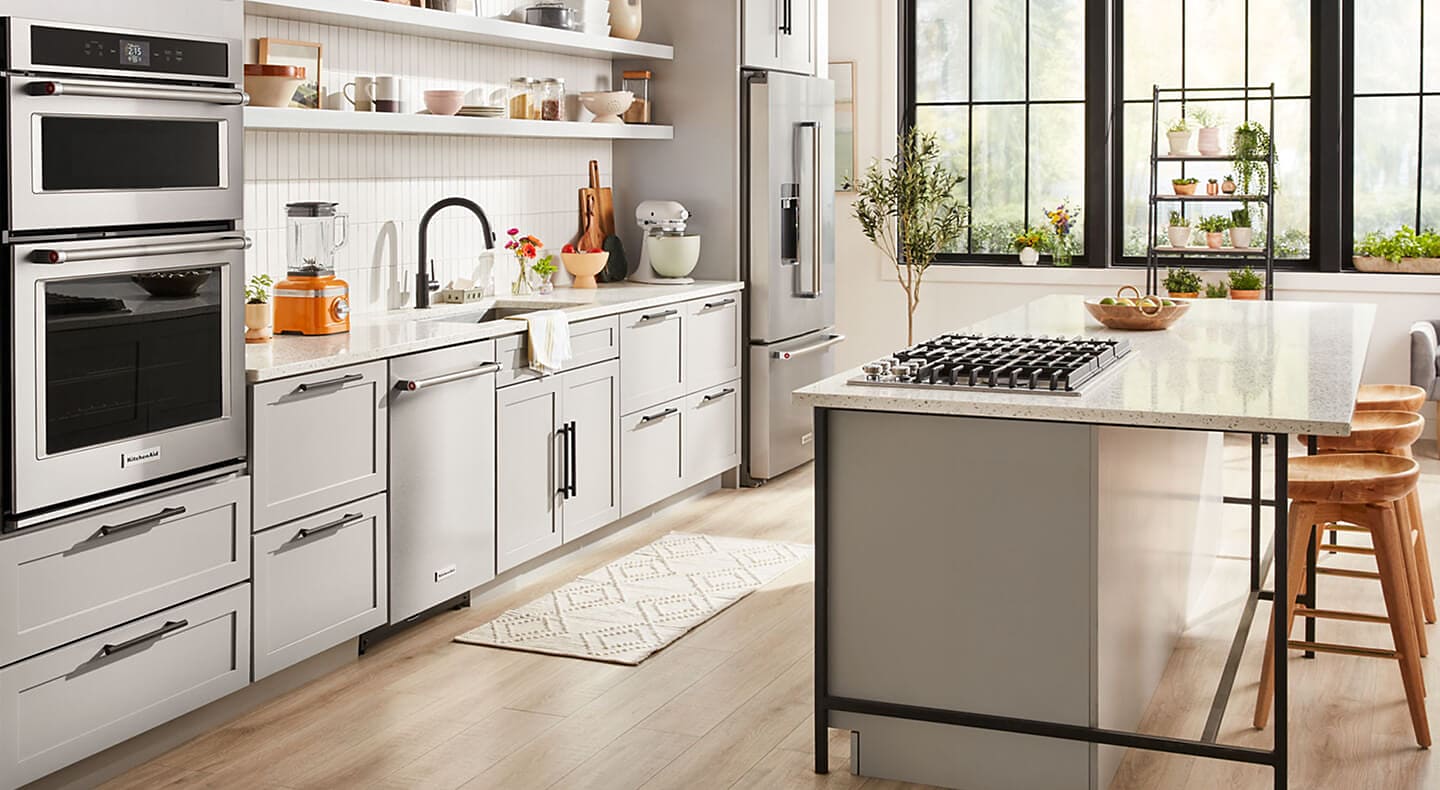
Islands and peninsulas add extra counter space and seating in the kitchen. They are great for casual meals.
Islands stand alone in the center. Peninsulas connect to a wall or cabinet. Both can have stools or chairs.
- Islands offer seating on one or more sides
- Peninsulas save space by attaching to existing counters
- Both designs improve kitchen flow and function
L-shaped And U-shaped Configurations
L-shaped kitchens use two walls to form a corner. Seating can fit along one wall or in a small dining area.
U-shaped kitchens have counters on three sides. This layout offers more counter space and room for built-in seating.
- L-shaped designs work well in open or closed kitchens
- U-shaped layouts create a cozy cooking and seating zone
- Both allow flexible seating choices to fit your space
Credit: www.kitchenaid.com
Selecting Seating Types
Choosing the right seating for your kitchen is important. It affects comfort and style.
Think about how you will use the space before picking seats. Comfort and size matter.
Bar Stools And Chairs
Bar stools fit well at kitchen islands or counters. They save space and add height.
Choose stools with backs for more comfort. Swivel stools allow easy movement.
- Backrest stools give better support
- Swivel stools add convenience
- Adjustable height stools fit different counters
- Material choice affects style and durability
Bench Seating Options
Benches create a cozy, casual seating area. They work well with dining tables.
Benches can seat more people in less space. Choose cushions for extra comfort.
- Wooden benches add warmth
- Upholstered benches increase comfort
- Storage benches save space
- Corner benches fit tight spaces
Built-in Seating Solutions
Built-in seating uses fixed benches or banquettes. It blends with the kitchen design.
These seats are sturdy and save floor space. You can add cushions or pillows.
- Custom built-ins fit your kitchen shape
- Includes storage under seats
- Easy to clean and maintain
- Perfect for breakfast nooks
Incorporating Functional Elements
Designing a kitchen with seating space means adding useful features. Functional elements help save space and improve comfort.
Focus on smart storage, furniture that serves many purposes, and seating that adapts to your needs. These ideas make your kitchen practical and cozy.
Storage Under Seating
Use the area under seats to store kitchen items. This keeps things tidy and easy to reach without taking extra space.
- Built-in drawers under benches
- Lift-up seats with hidden compartments
- Open shelves for baskets or containers
- Pull-out trays for small appliances
Multifunctional Furniture
Choose furniture that has more than one use. This helps maximize your kitchen area and adds convenience.
| Type | Function 1 | Function 2 |
| Kitchen Island | Work surface | Dining table |
| Foldable Table | Meal prep | Extra seating |
| Bench with Storage | Seating | Storage space |
Adjustable Seating Arrangements
Make seating flexible to fit different group sizes and activities. Adjustable options improve comfort and use of space.
- Stackable chairs for easy storage
- Extendable benches for more seats
- Swivel stools for easy movement
- Fold-down seats for small spaces
Enhancing Comfort And Aesthetics
Designing a kitchen with seating space blends comfort and style. This space invites family and guests to relax and enjoy meals together.
Choosing the right elements helps create a cozy and attractive kitchen area. Focus on cushions, lighting, and colors to improve the experience.
Cushion And Upholstery Choices
Select cushions and upholstery that offer both comfort and easy care. Soft fabrics with durable weaves work well in kitchen seating.
- Use foam cushions for good support
- Choose washable or stain-resistant fabrics
- Pick colors that match your kitchen style
- Consider texture to add visual interest
Lighting For Ambiance
Lighting sets the mood in your kitchen seating area. Mix natural light with soft artificial options.
| Lighting Type | Effect | Placement |
|---|---|---|
| Pendant Lights | Focus light on dining space | Above seating or island |
| Under-cabinet Lights | Add soft glow | Below kitchen cabinets |
| Recessed Lights | Even room lighting | Ceiling |
Color Schemes And Materials
Colors and materials create a welcoming kitchen space. Use a mix of tones and textures for balance.
- Light colors open up small spaces
- Wood adds warmth and natural feel
- Metal finishes bring modern touch
- Stone surfaces offer durability and style
Maximizing Small Spaces
Designing a kitchen with seating in a small space can be challenging. Smart choices help make the room feel bigger and more useful.
Using space wisely creates a cozy and functional kitchen where people want to gather.
Space-saving Techniques
Choosing the right layout can save room. Open floor plans or corner seating use space well. Keep the kitchen uncluttered to make it feel larger.
- Use foldable tables or drop-leaf counters.
- Install pull-out shelves inside cabinets.
- Choose sliding doors instead of swinging ones.
- Keep countertops clear for cooking and seating.
- Use built-in benches with storage underneath.
Compact Furniture Ideas
Compact furniture fits small kitchens without crowding. Look for chairs and stools that tuck under tables. Consider multi-purpose pieces.
| Furniture Type | Space Benefit |
|---|---|
| Stackable Stools | Easy to store and move |
| Foldable Tables | Expand when needed, saves space |
| Bench Seating | Fits more people in less space |
| Nesting Chairs | Store compactly when not used |
Vertical Space Utilization
Using walls and high shelves adds storage without using floor space. Hang pots and utensils on hooks. Install shelves above counters for extra items.
- Mount a fold-down table on the wall.
- Use magnetic strips for knives and tools.
- Stack shelves to keep things organized.
- Hang baskets for fruits or small items.
- Place tall cabinets to store less-used items.

Credit: fabdiz.com
Integrating Dining And Social Areas
Designing a kitchen with seating space brings family and friends together. Combining dining and social zones creates a warm, inviting atmosphere.
This guide shows how to blend these areas for comfort and style in your kitchen.
Creating A Cohesive Look
Use matching materials and colors to connect dining and kitchen spaces visually. Keep furniture styles consistent for a smooth flow.
Lighting plays a key role. Choose fixtures that complement both areas to unify the space.
Flexible Dining Solutions
Choose seating that adapts to different needs. Folding chairs, extendable tables, or movable stools work well for small or large groups.
- Bar stools for quick meals at a kitchen island
- Bench seating for space-saving and comfort
- Expandable tables for extra guests
- Mobile carts that double as serving stations
Facilitating Social Interaction
Arrange seating so people face each other. This encourages talking and sharing.
| Seating Style | Best For | Social Benefit |
|---|---|---|
| Kitchen Island Stools | Casual meals | Easy to chat with cook |
| Dining Table with Chairs | Family dinners | Face-to-face interaction |
| Built-in Bench Seating | Small spaces | Close and cozy seating |
Safety And Accessibility Considerations
Designing a kitchen with seating space needs careful thought about safety. Everyone using the kitchen should move around easily. The space must also suit people of all ages and abilities.
Good design reduces accidents and makes the kitchen a welcoming place. Below are key points to help create a safe and accessible kitchen seating area.
Ensuring Safe Movement
Clear paths and enough room help avoid trips and falls. Place seating so it does not block walkways. Use non-slip flooring to reduce slipping risks.
- Keep aisles at least 36 inches wide
- Avoid sharp corners near seating areas
- Use rugs with non-slip backings
- Ensure good lighting around seating and cooking areas
Child-friendly Designs
Kitchens should protect children from hazards. Seating areas must allow adults to supervise kids easily. Use materials that are safe and easy to clean.
| Feature | Benefit |
| Rounded table edges | Prevents injuries from sharp corners |
| Sturdy chairs | Stops tipping and falling |
| Secured seating | Keeps chairs in place for safety |
| Easy-to-clean surfaces | Helps maintain hygiene |
Accessible Features For All Ages
Make sure seating works for people with different needs. Include options for those using wheelchairs or with limited mobility. Adjustable seating and reachable counters help many users.
- Provide seating with armrests and back support
- Keep seating height comfortable for most users
- Allow space under counters for wheelchair access
- Use lever handles for easier grip
- Place controls and storage within easy reach
Frequently Asked Questions
What Seating Options Work Best In Kitchen Design?
Bar stools, benches, and built-in banquettes fit well. Choose based on space, style, and comfort needs. These options maximize seating without overcrowding the kitchen area.
How To Create Space For Seating In A Small Kitchen?
Use compact furniture and multi-functional designs. Opt for foldable or movable seats. Integrate seating with kitchen islands or counters to save space efficiently.
What Materials Are Ideal For Kitchen Seating Surfaces?
Durable materials like wood, metal, and cushioned fabrics work best. They resist spills, stains, and wear. Choose easy-to-clean surfaces to maintain hygiene and comfort.
How To Blend Seating Into Kitchen Design Aesthetics?
Match seating colors and styles with cabinetry and flooring. Use complementary textures and finishes. This creates a cohesive look that enhances overall kitchen appeal.
Conclusion
Designing a kitchen with seating adds comfort and style. It creates a place to eat, chat, and relax. Choose seating that fits your space and needs. Use simple layouts to keep the area open and easy to move around. Small touches like cushions or lighting make it cozy.
A well-planned kitchen seating area invites family and friends to stay longer. Enjoy cooking and sharing meals in your new space. Keep it practical and welcoming for everyday use. Your kitchen becomes the heart of your home.