

Your kitchen is more than just a place to cook—it’s where memories are made, and energy flows. Imagine a space filled with warmth, calm, and natural beauty, all created by using materials straight from nature.
Designing a kitchen with natural materials not only makes your home look stunning but also brings a sense of peace and health to your daily life. If you want a kitchen that feels inviting, timeless, and truly yours, keep reading.
This guide will show you exactly how to bring the outdoors in, using simple, natural elements that transform your kitchen into a space you’ll love every day.
Choosing Sustainable Materials
Designing a kitchen with natural materials helps reduce environmental impact. Using sustainable choices can make your kitchen beautiful and eco-friendly.
Natural materials bring warmth and texture. They often last longer and create a healthier home environment.
Bamboo For Cabinets
Bamboo is a fast-growing plant that renews quickly. Cabinets made from bamboo are strong and lightweight. This material uses less energy to produce compared to hardwood.
- Renewable and grows in 3-5 years
- Resistant to moisture and insects
- Offers a modern, clean look
- Easy to clean and maintain
Reclaimed Wood For Flooring
Reclaimed wood comes from old buildings or furniture. Using it for flooring saves trees and reduces waste. Each plank has unique colors and marks that add character.
| Type | Benefits | Considerations |
| Oak | Durable and classic grain | May need refinishing |
| Pine | Soft, warm color | More prone to dents |
| Chestnut | Rich tone and strong | Less common, check availability |
Natural Stone Countertops
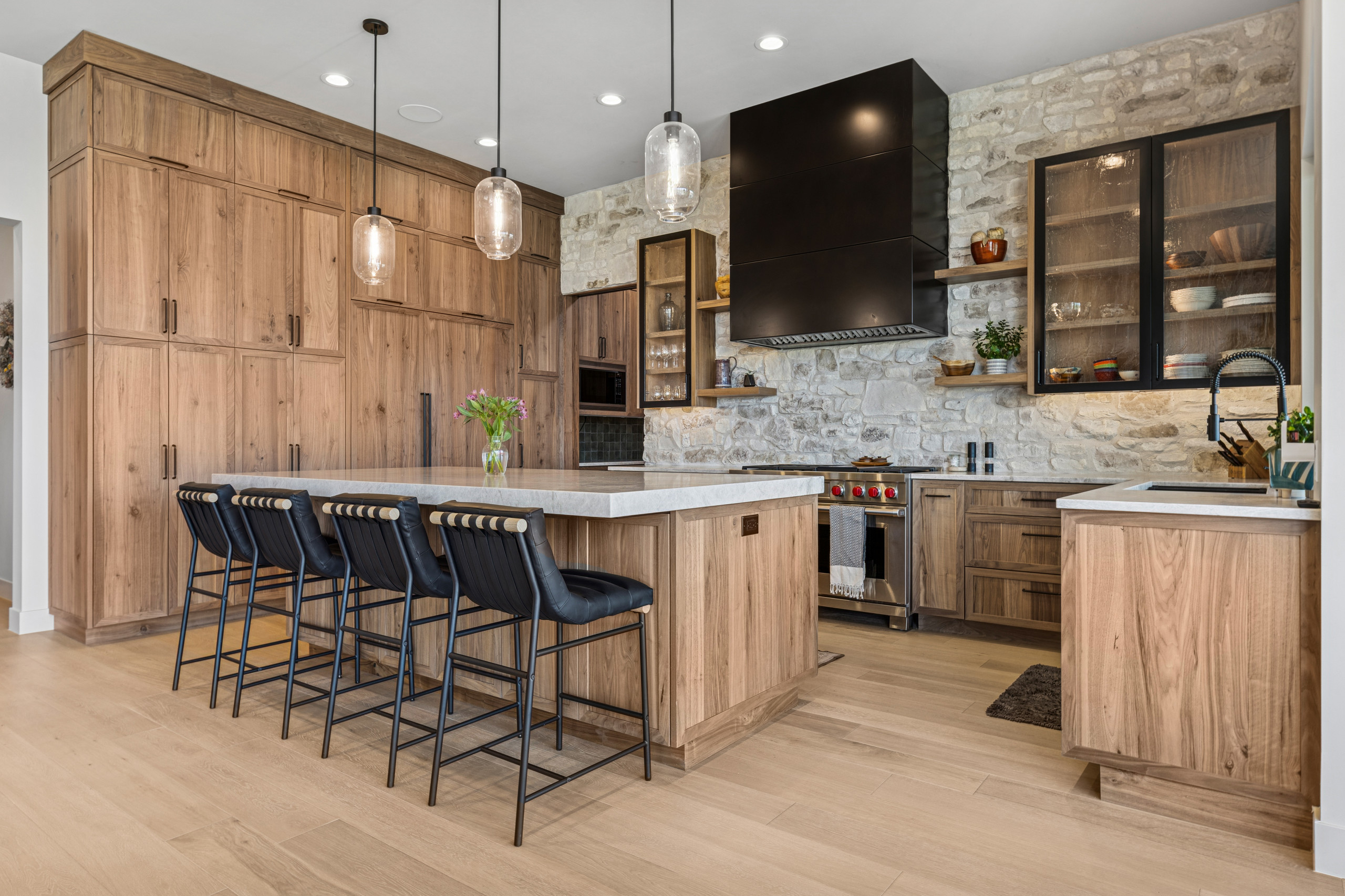
Natural stone like granite or soapstone makes durable countertops. These materials handle heat and scratches well. They give a natural look that fits many kitchen styles.
- Granite is hard and heat resistant
- Soapstone resists stains and scratches
- Marble offers elegance but needs care
- Natural stone lasts for decades
Credit: www.houzz.com
Eco-friendly Paints And Finishes
Choosing eco-friendly paints and finishes helps create a healthy kitchen. These materials reduce harmful chemicals in the air. They also protect the environment by using natural ingredients.
Using natural materials in your kitchen design can improve indoor air quality. It also adds a warm and inviting look to your space.
Non-toxic Paint Options
Non-toxic paints are made without harsh chemicals like VOCs. They are safer for your family and the planet. These paints come in many colors and finishes.
- Low-VOC and zero-VOC paints reduce air pollution indoors.
- Milk paint uses natural ingredients like milk protein and lime.
- Clay paint is made from natural clay and minerals, offering a matte finish.
- Natural plant-based paints use oils and resins from plants.
Natural Wood Finishes
Natural wood finishes protect and enhance wood surfaces without toxic chemicals. They keep the wood looking beautiful and last longer.
| Finish Type | Source | Benefits |
| Linseed Oil | Flax seeds | Protects wood, brings out natural grain |
| Beeswax | Bees | Creates a soft, water-resistant coating |
| Carnauba Wax | Carnauba palm leaves | Hard, glossy finish, natural and durable |
| Tung Oil | Tung tree nuts | Dries hard, resists water and alcohol |
Incorporating Green Technology
Designing a kitchen with natural materials is a great start. Adding green technology helps save energy and protect the environment.
Green technology uses tools and systems that reduce waste and lower energy use. This keeps your kitchen eco-friendly and modern.
Energy-efficient Appliances
Energy-efficient appliances use less electricity. They help lower utility bills and reduce carbon footprints in your kitchen.
- Choose appliances with ENERGY STAR labels.
- Use refrigerators with inverter compressors.
- Select induction cooktops for faster cooking.
- Pick dishwashers that use less water and power.
- Look for ovens with good insulation to save heat.
Led Lighting Solutions
LED lights use less power and last longer than traditional bulbs. They work well with natural kitchen materials.
| Type of LED Light | Average Lifespan (Hours) | Energy Use (Watts) |
| Standard LED Bulb | 25,000 | 9 |
| LED Strip Lights | 30,000 | 7 |
| Recessed LED Downlight | 35,000 | 10 |

Credit: www.countryliving.com
Biophilic Design Elements
Natural materials bring warmth and calm to kitchen spaces. Biophilic design connects us with nature indoors.
Using plants and natural light creates a healthy, inviting kitchen environment. These elements improve mood and air quality.
Indoor Plant Integration
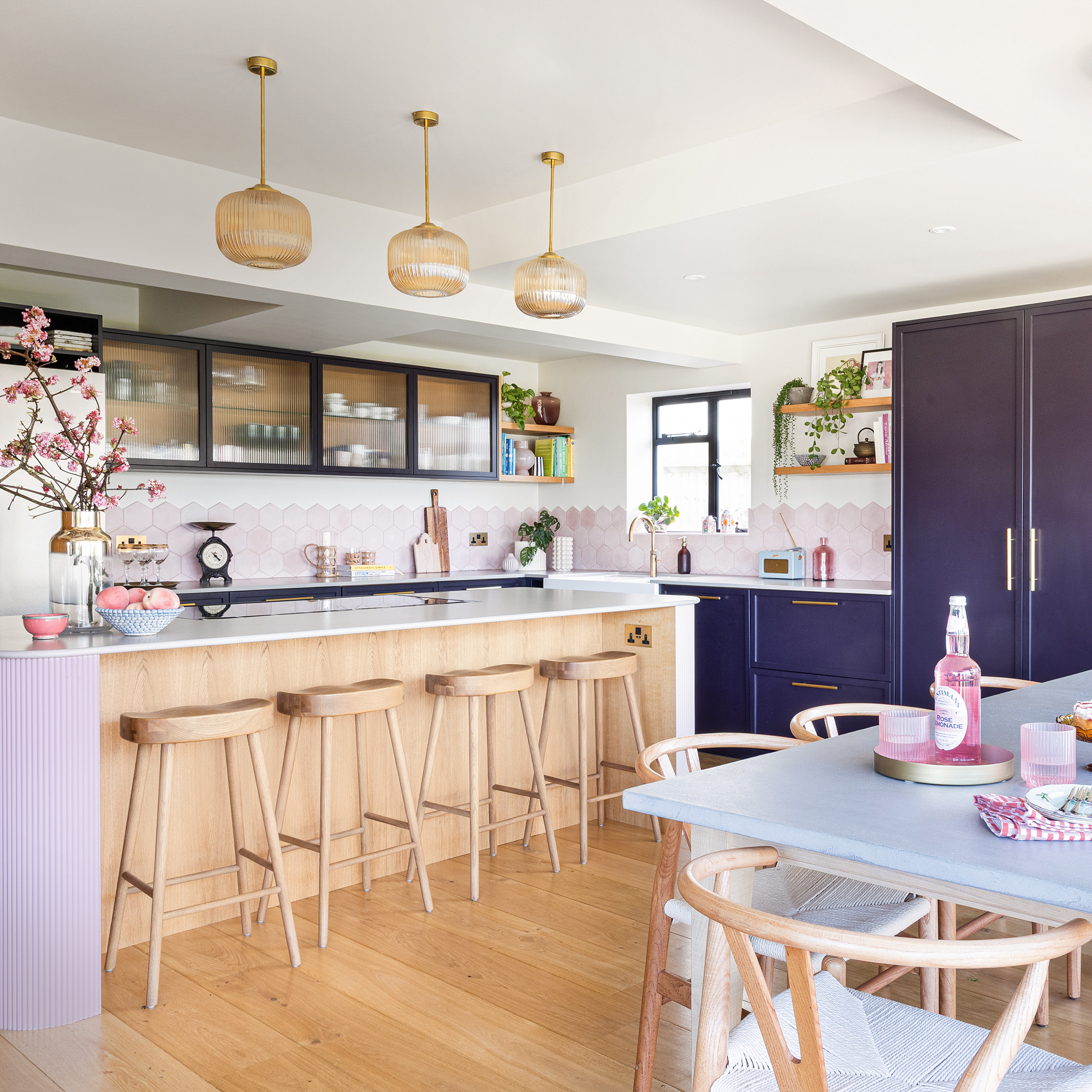
Adding indoor plants helps bring nature inside your kitchen. Choose plants that thrive in kitchen conditions.
- Use herbs like basil and mint for cooking and decoration
- Place hanging plants to save counter space
- Choose low-maintenance plants such as snake plants or pothos
- Position plants near windows for natural light
- Use natural pots made from clay or wood
Maximizing Natural Light
Natural light brightens the kitchen and highlights natural materials. Plan your kitchen layout for the best light flow.
| Technique | Benefit |
| Large windows | Bring in more daylight |
| Glass doors | Connect kitchen with outdoor space |
| Light-colored walls | Reflect light to brighten room |
| Open shelving | Allow light to move freely |
| Skylights | Add overhead natural light |
Water Conservation Strategies
Using natural materials in kitchen design helps the environment. Saving water is an important part of this effort.
Water conservation keeps your kitchen efficient and eco-friendly. Simple changes can save a lot of water every day.
Low-flow Faucets
Low-flow faucets use less water without losing pressure. They help reduce water waste in the kitchen sink.
These faucets limit the amount of water that flows out. This saves water during washing and cooking tasks.
- Use aerators to mix air with water
- Choose faucets labeled for water efficiency
- Install sensors for automatic shut-off
Eco-friendly Dishwashers
Eco-friendly dishwashers use less water and energy. They clean dishes well while saving resources.
These dishwashers have special cycles for small loads. They reduce water use compared to hand washing.
- Look for Energy Star certified models
- Run full loads to save water and energy
- Use eco or quick wash settings
Credit: www.idealhome.co.uk
Sustainable Decor Choices
Designing a kitchen with natural materials helps create a warm and eco-friendly space. Choosing sustainable decor keeps the environment safe and reduces waste.
Using recycled and organic items adds character and supports a healthier planet. These choices blend beauty with responsibility.
Recycled Glass Accessories
Recycled glass accessories brighten up your kitchen with color and shine. They reuse waste glass, giving it a new life.
- Vases made from recycled glass add a splash of color.
- Glass bowls and jars are perfect for storage and display.
- Glass tiles can create a unique backsplash.
- Recycled glass coasters protect surfaces in style.
Organic Textiles
Organic textiles use natural fibers grown without chemicals. These materials are soft, durable, and safe for your family.
| Textile Type | Common Uses | Benefits |
| Organic Cotton | Dish towels, napkins | Soft, breathable, chemical-free |
| Linen | Tablecloths, curtains | Strong, natural texture, eco-friendly |
| Hemp | Aprons, upholstery | Durable, mold-resistant, sustainable |
Waste Reduction Practices
Designing a kitchen with natural materials helps create a healthy space. Reducing waste is important for this goal. Waste reduction lowers environmental impact and keeps the kitchen clean.
Two key ways to reduce waste in the kitchen are composting and recycling. These practices help manage waste smartly and support sustainability.
Composting Systems
Composting turns food scraps and organic waste into useful soil. This process cuts down on trash sent to landfills. A compost bin fits well in kitchens with natural designs.
Place a small compost container near your sink. Use it for vegetable peels, coffee grounds, and eggshells. Empty the bin into an outdoor compost pile or community compost site.
- Choose a compost bin with a lid to reduce smells
- Use compostable bags or no bags at all
- Keep the bin clean to avoid pests
- Mix green and brown waste for better compost
Recycling Stations
Recycling stations help sort waste into plastics, paper, and metals. This makes recycling easier and more effective. Use bins with clear labels for each material.
Place recycling bins in easy-to-reach kitchen spots. Teach family members how to separate items correctly. Clean containers before recycling to avoid contamination.
- Use separate bins for glass, plastic, and paper
- Rinse containers before recycling
- Keep bins near the trash can for convenience
- Check local recycling rules to sort properly
Frequently Asked Questions
What Are The Best Natural Materials For Kitchen Design?
Wood, stone, bamboo, and cork are ideal natural materials. They offer durability and a warm, organic look. These materials are eco-friendly and add timeless beauty to your kitchen.
How To Maintain Natural Materials In Kitchen Design?
Regular cleaning with mild soap and water keeps materials fresh. Avoid harsh chemicals to prevent damage. Periodic sealing protects wood and stone from stains and moisture.
Can Natural Materials Improve Kitchen Air Quality?
Yes, natural materials like wood and bamboo reduce toxins and improve air quality. They do not emit harmful chemicals unlike some synthetic materials, promoting a healthier kitchen environment.
Are Natural Materials Cost-effective For Kitchen Remodeling?
Natural materials can be cost-effective long-term due to their durability. Initial costs vary, but their timeless appeal and low maintenance save money over time.
Conclusion
Designing a kitchen with natural materials brings warmth and charm. Wood, stone, and plants create a calm, inviting space. These materials last long and age beautifully. They help keep your kitchen eco-friendly and healthy. Simple choices make a big difference in style and comfort.
Enjoy a kitchen that feels close to nature every day. Your home will feel fresh and timeless. Natural design makes cooking and gathering more pleasant. Try natural materials for a kitchen that truly shines.