
Your kitchen is more than just a place to cook—it’s where life happens. Imagine having a kitchen island that not only gives you extra counter space but also serves as a dining area, a workspace, and storage all in one.
Designing a kitchen with multi-purpose islands can transform how you use your space, making everything more efficient and enjoyable. If you want to create a kitchen that adapts to your needs and brings everyone together, keep reading. This guide will show you exactly how to design a kitchen island that works hard for you and looks amazing too.

Credit: blog.costway.com
Benefits Of Multi-purpose Kitchen Islands
Multi-purpose kitchen islands help you use space wisely. They add value to your kitchen design.
These islands serve many functions. They make cooking and gathering easier and more fun.
Maximizing Space Efficiency
Kitchen islands save space by combining many uses in one area. They reduce clutter and open the room.
- Extra storage with cabinets and drawers
- Built-in appliances like ovens or dishwashers
- Counter space for food prep and serving
- Compact design fits small kitchens well
Enhancing Functionality
These islands add useful features. They make cooking and cleaning faster and more organized.
| Feature | Benefit |
| Sink Installation | Easy access to water for cooking and cleaning |
| Seating Area | Space for family or guests to sit |
| Additional Power Outlets | Plug in kitchen gadgets easily |
| Pull-out Cutting Boards | Extra workspace that stores away neatly |
Creating Social Hubs
Multi-purpose islands become places to gather and talk. They bring people together in the kitchen.
Key ways islands build social space:
- Seating for friends and family
- Open layout for easy conversation
- Space to share snacks and drinks
- Spot for kids to do homework while adults cook
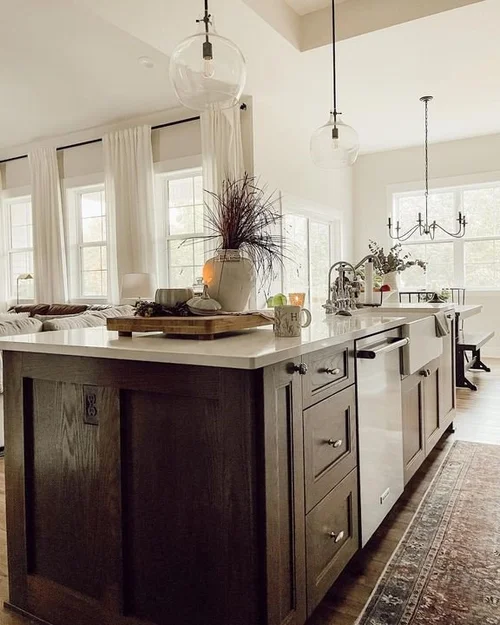
Credit: www.blog.vigoindustries.com
Choosing The Right Island Size And Shape
Designing a kitchen island requires careful thought about its size and shape. The island should fit the space well and serve many purposes.
Choosing the right island helps improve kitchen flow and adds useful workspace. It must match your kitchen layout and style.
Assessing Kitchen Layout
Look closely at your kitchen’s size and shape before picking an island. Measure the space to know how much room you have.
Think about how people move around your kitchen. The island should not block paths or doorways.
- Keep at least 36 inches of walking space around the island
- Consider the location of appliances and cabinets
- Check if the island will fit with kitchen traffic flow
Square Vs. Rectangular Islands
Square islands work well in square kitchens or open spaces. They offer balanced workspace on all sides.
Rectangular islands fit better in narrow kitchens. They provide longer surfaces for cooking and seating.
- Square islands suit small to medium kitchens
- Rectangular islands fit larger or longer kitchens
- Choose shape based on available space and use
Incorporating Curves And Angles
Curved or angled islands add style and softness to your kitchen. They can make the space feel more open.
Curves help improve movement and avoid sharp edges. Angled islands work well in unique kitchen layouts.
- Rounded edges increase safety for kids
- Angles can create cozy seating areas
- Curves help flow in open-plan kitchens
Integrating Storage Solutions
Multi-purpose kitchen islands need smart storage to stay useful and tidy. Good storage helps keep things organized and easy to find.
Adding the right storage options makes your island work harder. You can store utensils, appliances, and even food in one place.
Cabinets And Drawers
Cabinets and drawers offer closed storage to hide clutter. They keep your kitchen looking neat and clean.
Use deep cabinets for pots and pans. Drawers are good for cutlery and small items.
- Install soft-close drawers for quiet use
- Use pull-out cabinets for easy access
- Divide drawers to keep utensils sorted
Open Shelving Options
Open shelves provide quick access to items you use daily. They also add a decorative touch to your island.
Keep open shelves tidy by storing attractive bowls or jars. Use baskets to group smaller items.
- Place cookbooks or spices on open shelves
- Use baskets to hide clutter
- Display colorful dishware for style
Hidden Compartments
Hidden compartments keep special items out of sight. They help keep your kitchen island looking smooth and clean.
Use hidden compartments for knives, cutting boards, or cleaning supplies. They add extra security and save space.
- Install pull-out cutting boards inside drawers
- Use hidden trays for knives or utensils
- Build secret compartments for valuables
Incorporating Appliances And Fixtures
Designing a kitchen with a multi-purpose island means careful appliance and fixture placement. These elements must blend with the island’s function and style.
Choosing the right appliances helps keep the kitchen efficient and comfortable. Fixtures should support daily tasks and improve workflow.
Built-in Cooktops And Ovens
Built-in cooktops and ovens save space and create a clean look on the island. They allow easy access while cooking and keep the island surface open for prep work.
- Place cooktops where ventilation is strong
- Consider safety distance from seating areas
- Choose ovens with easy-to-clean surfaces
- Use controls that are simple to reach and operate
Sinks And Faucets
Sinks on kitchen islands add convenience for washing and food prep. Faucets should be tall and flexible to handle pots and pans easily.
| Feature | Benefit |
|---|---|
| Deep basin | Holds more dishes and food items |
| Pull-out faucet | Easy to clean large pots and corners |
| Soap dispenser | Keeps counters tidy and organized |
| Durable finish | Resists scratches and stains |
Refrigeration And Wine Coolers
Refrigerators and wine coolers on the island keep drinks and snacks close. They support entertaining and daily kitchen use.
Look for compact models that fit under the counter. These keep the island sleek and functional without blocking movement.
Designing Seating Areas
Designing seating areas in your kitchen island adds comfort and style. It makes the kitchen more social and practical.
Think about how you will use the seats. This helps to pick the right design and furniture for your space.
Bar Stools And Chairs
Bar stools and chairs are popular for kitchen islands. They create a casual spot for quick meals or chats.
- Choose stools with a comfortable seat height
- Pick chairs with backs for more support
- Use swivel stools for easy movement
- Match stool style with kitchen decor
- Allow enough space between stools for comfort
Breakfast Nooks
Breakfast nooks offer a cozy place to eat and relax. They fit well with multi-purpose islands.
Use built-in bench seating or cushioned chairs to make it inviting. Add cushions for extra comfort.
Multi-level Counters
Multi-level counters separate cooking and dining areas on the island. They give more seating options.
| Counter Level | Purpose | Seating Type |
| Lower Level | Food prep and work | None or stools with backs |
| Upper Level | Eating and socializing | Bar stools or chairs |

Credit: fabdiz.com
Material And Finish Choices
Choosing the right materials and finishes is key for a kitchen island. It affects style, durability, and maintenance. Pick materials that fit your kitchen’s look and daily use.
The island often serves many purposes. It can be a workspace, dining area, or storage spot. The materials must handle these uses well.
Countertop Surfaces
Countertops must be strong and easy to clean. They should match your kitchen style and resist scratches and stains.
- Granite offers a natural look and is very durable.
- Quartz is low-maintenance and resists stains well.
- Butcher block adds warmth and works for chopping.
- Concrete can be customized in color and texture.
- Laminate is budget-friendly and comes in many designs.
Cabinet Finishes
Cabinet finishes impact the kitchen’s style and feel. Choose finishes that fit your design theme and are easy to keep clean.
- Matte finishes hide fingerprints and smudges well.
- Glossy finishes give a modern and shiny look.
- Wood stains highlight natural grain and add warmth.
- Painted cabinets offer many color options.
- Laminate cabinets are durable and budget-friendly.
Durability And Maintenance
Durability keeps the island looking good for years. Maintenance needs should be low for busy kitchens.
- Choose surfaces that resist heat, scratches, and water.
- Materials like quartz and granite need less upkeep.
- Wood requires regular sealing to prevent damage.
- Clean spills quickly to avoid stains and damage.
- Use gentle cleaners to protect finishes and surfaces.
Lighting And Electrical Considerations
Designing a kitchen with a multi-purpose island needs smart lighting and electrical planning. Good light makes cooking and working easier. Proper outlets keep devices powered and ready.
Think about all activities on the island. You need different lights and enough power points. This guide covers key lighting types and essential electrical features for your island.
Task Lighting Options
Task lighting focuses on work areas of the island. It helps with chopping, reading recipes, and other detailed tasks. Bright, direct light reduces shadows and eye strain.
- Install pendant lights above the island for focused light
- Use adjustable LED fixtures for flexibility
- Under-cabinet lights help if your island has shelves or cabinets
- Choose bulbs with cool white light for clarity
Ambient And Accent Lighting
Ambient lighting creates overall brightness in the kitchen. Accent lighting adds style and highlights features of your island. Both types improve the room’s mood and usability.
| Lighting Type | Purpose | Example |
| Ambient | General room lighting | Ceiling-mounted LEDs or recessed lights |
| Accent | Highlight features or décor | Strip lights under counters or inside glass cabinets |
Power Outlets And Usb Ports
Power outlets on the island keep appliances and devices ready. USB ports allow charging phones and tablets without bulky adapters. Plan placement for easy access and safety.
Consider these tips for outlets and USB ports:
- Place outlets on the sides or below the countertop edge
- Include USB ports near seating areas for charging devices
- Use waterproof covers for safety near sinks
- Install enough outlets to avoid overcrowding
Designing For Traffic Flow
Designing a kitchen with a multi-purpose island means planning how people move. Good traffic flow keeps the kitchen safe and easy to use.
Think about space around the island. Make sure people can walk and work without bumping into each other.
Clearance And Walkways
Clearance means the space between the island and other kitchen parts. Walkways need to be wide enough for easy movement.
Keep at least 36 inches of space around the island. This lets two people pass comfortably.
- Allow 42 to 48 inches if the kitchen has many cooks
- Keep pathways clear of furniture and appliances
- Use rugs or floor markings to define walkways
Work Triangle Integration
The work triangle connects the sink, stove, and refrigerator. Integrate the island into this triangle for smooth cooking.
Place the island so it does not block or break the triangle. It can hold the sink or cooktop if space allows.
- Keep total triangle sides between 12 and 26 feet
- Ensure no major obstacles inside the triangle
- Use the island to add extra prep or storage space
Safety And Accessibility
Design the island to avoid sharp corners in busy areas. Rounded edges reduce injury risks.
Make sure the island height suits all users. Include space for wheelchair access if needed.
- Use slip-resistant flooring near the island
- Keep appliances and outlets easily reachable
- Allow enough room for opening drawers and doors
Customizing For Lifestyle Needs
Designing a kitchen with a multi-purpose island helps fit your daily needs. It creates a flexible space for cooking, working, and relaxing.
Think about how your family uses the kitchen. Customize the island to support activities that matter most to you.
Family-friendly Features
Make the island safe and useful for all family members. Add storage for kids’ snacks and easy-to-clean surfaces.
- Lower shelves for children’s items
- Rounded edges to avoid injury
- Built-in seating for quick meals
- Easy-to-wipe countertops
- Hidden compartments for toys or books
Entertaining Spaces
Use the island to gather guests for snacks and drinks. Include features that make socializing simple and fun.
| Feature | Benefit |
| Built-in wine cooler | Keeps drinks cold and ready |
| Extra counter space | Room for serving food |
| Bar stools | Comfortable seating for guests |
| Under-counter storage | Hide dishes and supplies |
Work And Homework Zones
Turn part of the island into a workspace for adults and kids. Good lighting and power outlets help keep tasks easy.
Consider these tips for a work-friendly kitchen island:
- Install USB and electrical outlets
- Add a comfortable chair or stool
- Use a durable surface for writing and crafts
- Keep organizers for school and office supplies
Frequently Asked Questions
What Is A Multi-purpose Kitchen Island?
A multi-purpose kitchen island serves various functions such as cooking, dining, and storage. It acts as a central hub. This design enhances functionality and maximizes space. It is ideal for both small and large kitchens. Consider your kitchen’s layout when designing an island.
How Can I Maximize Storage In A Kitchen Island?
To maximize storage, incorporate cabinets, drawers, and shelves. Utilize vertical space with tiered shelving. Consider pull-out trays for easy access. Built-in appliances save counter space. Optimize every inch to keep your kitchen organized. Custom solutions can enhance functionality.
What Materials Are Best For Kitchen Islands?
Choose durable materials like granite, quartz, or butcher block for countertops. These withstand daily wear and tear. Stainless steel is sleek and easy to clean. Wood adds warmth and character. Ensure materials match your kitchen’s design and lifestyle needs. Proper maintenance extends their lifespan.
How Do I Choose The Right Island Size?
Consider your kitchen’s layout and available space. Ensure enough clearance around the island for movement. Standard sizes range from 4 to 7 feet long. A compact island works well in smaller kitchens. Larger spaces can accommodate expansive designs. Consult a professional for custom solutions.
Conclusion
Designing a kitchen with multi-purpose islands adds great value. These islands save space and offer extra storage. You can cook, eat, and work all in one spot. Choose materials and layouts that fit your needs. Keep the design simple and functional for daily use.
This approach makes your kitchen more practical and welcoming. Enjoy a space that adapts to your lifestyle easily. A well-planned island can change how you use your kitchen. Think smart and create a kitchen that works for you.