
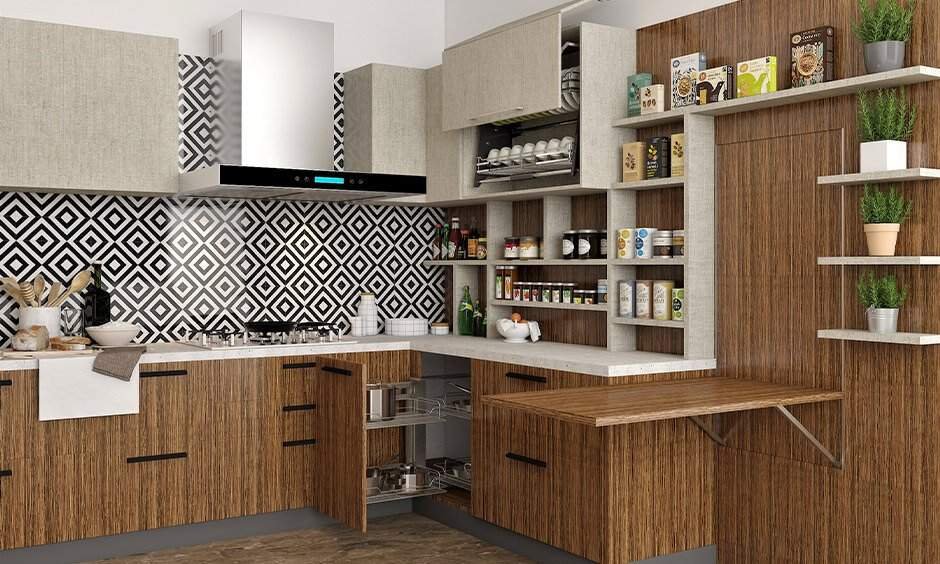
Are you tired of wasting valuable space in your kitchen corners? Designing a kitchen with multi-functional corners can transform those unused areas into smart, practical spots that make your cooking and daily tasks easier.
Imagine having extra storage, prep space, or even hidden appliances right where you need them most. This guide will show you simple and effective ways to maximize every inch of your kitchen, making it more organized and enjoyable to use.
Keep reading to discover how you can turn your kitchen corners into powerful, multi-purpose areas that truly work for you.
Maximizing Space In Small Kitchens
Small kitchens need smart ideas to use every inch well. Multi-functional corners help save space and add storage.
Designing corners with more than one use makes the kitchen look bigger and work better.
Use Lazy Susans For Easy Access
Lazy Susans are rotating trays that fit inside corner cabinets. They make it easy to reach items in deep corners.
They save space by using the full cabinet without clutter. This keeps your kitchen tidy and organized.
Install Pull-out Shelves
Pull-out shelves slide out from corner cabinets. They give full access to pots, pans, and other items.
This design maximizes corner storage and reduces the need to bend or reach deep inside.
Add Corner Drawers For Better Storage
Corner drawers use the awkward corner space with small drawers that fit together. They store utensils and small tools.
This solution keeps corners neat and easy to access without wasting space.
Create Multi-use Counter Corners
Design corners as extra prep space that can also serve as a breakfast nook or small dining area.
Adding seating or open shelves below the counter makes corners more useful and inviting.
Use Open Shelving In Corners
Open shelves in corners store items you use daily. They keep things visible and easy to grab.
This setup adds storage without making the kitchen feel closed or small.
Incorporate Corner Appliances
Place small appliances like microwaves or coffee makers in corners. This frees up main counter space.
Corner appliances keep your kitchen organized and help maximize every inch.
Innovative Corner Cabinet Solutions
Designing kitchen corners can be a challenge. Using smart cabinet solutions helps use space well.
These ideas make corners easy to reach and keep organized. They add function without taking extra space.
Lazy Susans
Lazy Susans are rotating shelves inside corner cabinets. They spin to bring items to the front.
This design saves space and makes it easy to find things. It works well for spices and small jars.
- Rotates smoothly for easy access
- Uses deep cabinet space fully
- Keeps items visible and reachable
Pull-out Shelves
Pull-out shelves slide out like drawers. They let you see and reach items in the back.
These shelves fit into corner cabinets and hold pots, pans, or pantry items. They reduce bending and stretching.
- Slides out fully for easy use
- Organizes large or heavy items
- Makes corner space more useful
Swing-out Units
Swing-out units pull out and swing to the side. They offer open access to corner spaces.
These units are great for storing cleaning supplies or kitchen tools. They keep items tidy and easy to reach.
- Swings open for full access
- Organizes small or oddly shaped items
- Keeps corners neat and clutter-free
Incorporating Multi-level Shelving
Designing a kitchen with multi-functional corners can save space and add style. Multi-level shelving uses vertical space well.
This type of shelving helps keep your kitchen organized. You can store many items in an easy-to-reach way.
Vertical Storage Options
Vertical storage helps you use corner space better. It lets you stack items without clutter.
Use tall shelves or racks to hold pots, pans, and jars. This keeps things visible and easy to grab.
- Install tall shelving units in corners
- Use vertical racks for cutting boards and trays
- Add hooks for hanging utensils or mugs
- Use pull-out vertical shelves for small items
Adjustable Shelf Heights
Adjustable shelves let you change the space between levels. This fits items of different sizes.
Changing shelf height helps keep your kitchen neat. You can store tall bottles or small spices as needed.
- Move shelves up or down easily
- Create space for tall or short items
- Organize kitchen tools by size
- Save space by customizing shelf gaps
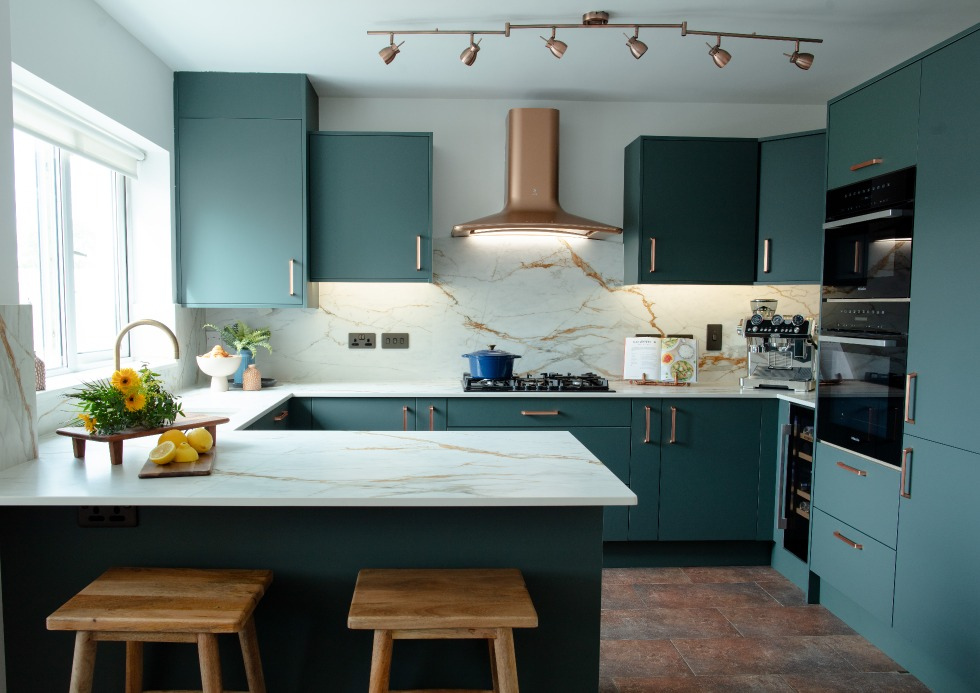
Credit: www.cashandcarrykitchens.ie
Utilizing Corner Sinks And Appliances
Designing a kitchen with multi-functional corners can save space and improve workflow. Using corner sinks and appliances helps make the most of small or awkward spaces.
These corner solutions create efficient work areas and keep your kitchen organized. They bring new possibilities for placing essential kitchen elements.
Corner Sinks Benefits
Corner sinks use space that is often wasted in kitchens. They free up counter space on both sides for food prep and other tasks.
Placing a sink in the corner also opens the kitchen layout. It creates a better flow between cooking, cleaning, and storage areas.
- Maximizes unused corner space
- Increases counter space on either side
- Improves kitchen workflow and layout
- Allows for a more open kitchen design
Compact Appliances For Corners
Compact appliances fit well into kitchen corners. They save space while still providing essential functions like cooking or cooling.
Corner ovens, microwaves, and refrigerators come in smaller sizes. These appliances help keep the kitchen organized and efficient.
- Corner ovens save wall space
- Compact refrigerators fit tight spots
- Microwaves designed for corners free counters
- Helps create a neat kitchen layout
Smart Use Of Countertop Space
Countertop space is key in kitchen design. Using every inch well helps keep the kitchen neat.
Multi-functional corners give more room to work and store items. They make small kitchens feel larger.
Expandable Countertops
Expandable countertops add extra surface when needed. They fold or slide out from the corner area.
- Pull-out shelves that act as extra counters
- Drop-leaf counters that fold down when not in use
- Sliding panels that extend workspace
- Hidden counters inside cabinets for occasional use
Integrated Cutting Boards
Cutting boards built into countertops save space. They fit into corners and slide out easily.
| Feature | Benefit |
| Pull-out cutting board | Keeps counters clear when not used |
| Built-in drainage grooves | Prevents water spills on counters |
| Corner placement | Makes use of hard-to-reach areas |
| Easy to clean materials | Maintains hygiene with little effort |
Creative Lighting Solutions
Lighting makes a big difference in kitchen corners. It helps you see better and makes the space look nicer.
Using smart lighting ideas can make your kitchen corners useful and bright. This adds both style and function.
Under-cabinet Lighting
Under-cabinet lights shine light directly on the countertop. This helps you work in the kitchen more easily.
These lights also reduce shadows in corner areas. They make the space feel open and welcoming.
- Choose LED bulbs for energy saving
- Use warm light for a cozy look
- Install motion sensors for convenience
Led Strips For Corners
LED strips fit well in tight corner spaces. They give smooth, even lighting along edges and shelves.
You can cut LED strips to size. This makes them perfect for odd shapes in kitchen corners.
- Pick waterproof LED strips for safety
- Use dimmable strips to control brightness
- Choose color-changing LEDs for style
Choosing The Right Materials
Choosing the right materials is key for kitchen corners. They must be durable and fit your style.
Good materials help keep your kitchen looking great and working well for years.
Durable Surface Options
Durable surfaces resist scratches, stains, and water damage. They make cleaning easier.
- Granite: Hard and heat resistant, granite adds a natural look.
- Quartz: Non-porous and low maintenance, quartz is very strong.
- Laminate: Affordable and available in many styles, but less heat resistant.
- Stainless Steel: Durable and easy to clean, good for modern kitchens.
- Concrete: Customizable and tough, concrete can be sealed for protection.
Eco-friendly Choices
Eco-friendly materials help the environment and often last a long time.
| Material | Benefits | Notes |
| Bamboo | Fast-growing, renewable | Good for cabinets and flooring |
| Recycled Glass | Reduces waste, unique look | Great for countertops |
| Reclaimed Wood | Uses old wood, adds character | Best for shelves and accents |
| Cork | Renewable, soft surface | Good for floor mats or drawer liners |
| Low-VOC Paints | Healthier indoor air | Use for walls and cabinets |
Incorporating Technology
Technology can make kitchen corners more useful and fun. It helps save space and adds convenience.
Smart tools and systems bring new ways to use corner areas. They keep kitchens neat and easy to work in.
Smart Kitchen Gadgets
Smart gadgets fit well into kitchen corners. They offer easy control and save time when cooking.
Examples include voice-controlled lights, smart coffee makers, and touch-free faucets. These gadgets improve daily tasks.
- Smart lighting adjusts brightness and color for any mood.
- Voice assistants help with timers and recipes hands-free.
- Wi-Fi coffee machines start brewing from anywhere.
- Touchless faucets reduce mess and improve hygiene.
Automated Storage Systems
Automated storage uses technology to organize kitchen corners better. It makes items easy to reach and store.
Pull-out shelves and rotating carousels can be motorized. They help you use deep corners without bending or stretching.
- Motorized pull-out racks slide out with a button press.
- Rotating carousels bring items from back to front smoothly.
- Soft-close drawers protect dishes and reduce noise.
- Sensor lighting turns on shelves when opened.
Aesthetic Design Tips
Designing a kitchen with multi-functional corners adds style and utility. Good design makes small spaces feel open and inviting.
Focus on colors and decorations that brighten corners and keep the kitchen organized. These choices create a pleasing and practical space.
Color Schemes For Small Spaces
Light colors make small kitchen corners look bigger and brighter. Use soft tones to create a calm and clean atmosphere.
- Choose whites or creams for walls and cabinets
- Add pastel blues or greens for a fresh feel
- Use light wood finishes to add warmth without heaviness
- Include metallic accents like silver or brass for shine
- Keep dark colors to small details to avoid shrinking space
Decorative Accents
Decorative accents bring personality to kitchen corners while keeping them functional. Pick items that fit the style without cluttering.
| Accent Type | Purpose | Design Tip |
| Plants | Add life and color | Use small pots or hanging planters |
| Lighting | Highlight corners | Install under-cabinet or corner lights |
| Storage Baskets | Organize items | Choose woven or neutral tones |
| Artwork | Add visual interest | Select small framed prints or tiles |
| Decorative Hooks | Hold utensils or towels | Match metal finishes to fixtures |

Credit: www.designcafe.com
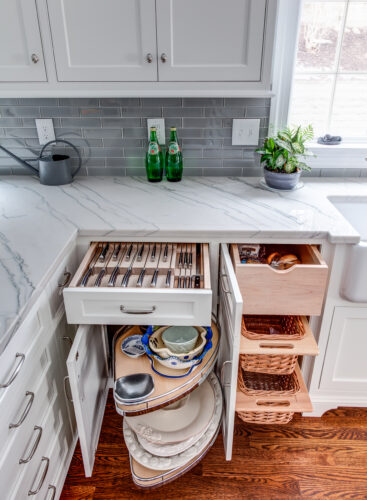
Credit: www.kountrykraft.com
Frequently Asked Questions
What Are Multi-functional Kitchen Corners?
Multi-functional kitchen corners maximize space by combining storage, appliances, and work areas. They enhance efficiency and reduce clutter. These corners use clever designs like pull-out shelves and rotating trays. They optimize unused spaces, making kitchens more practical and stylish.
How To Choose The Best Corner Storage Solutions?
Consider accessibility, kitchen size, and storage needs. Opt for lazy Susans, pull-out drawers, or corner cabinets. Ensure materials match your kitchen style. Choose solutions that maximize space and keep items organized and easy to reach.
Can Multi-functional Corners Improve Kitchen Workflow?
Yes, they streamline tasks by keeping essentials within arm’s reach. Well-designed corners reduce movement and save time during cooking. They create a more organized and efficient workspace, enhancing overall kitchen functionality.
What Materials Work Best For Corner Kitchen Units?
Durable materials like solid wood, plywood, and MDF are ideal. They resist wear and tear in high-use areas. Choose finishes that match your kitchen’s style and are easy to clean. Quality materials ensure longevity and functionality.
Conclusion
Designing kitchen corners to serve many purposes saves space and time. Use shelves, drawers, and pull-outs for easy access. Choose materials that resist moisture and stains for durability. Plan lighting to brighten dark corner areas. Small changes make your kitchen more useful and neat.
Enjoy cooking and storing with less clutter. Smart corner design fits any kitchen size or style. Start with simple ideas, then build from there. Your kitchen can feel larger and work better too.