

Are you ready to transform your kitchen into a calm, clutter-free space that feels both modern and inviting? Designing a kitchen with a minimalist style is all about simplicity, clean lines, and thoughtful choices that make your daily routine easier and more enjoyable.
Imagine walking into a kitchen where everything has its place, surfaces are clear, and the overall look sparks a sense of peace. In this guide, you’ll discover practical tips and smart design ideas to help you create a minimalist kitchen that fits your lifestyle perfectly.
Keep reading, and you’ll learn how to make your kitchen not just beautiful, but truly functional.
Key Principles Of Minimalist Design
Minimalist design is about simplicity and function. It helps create calm and clean kitchen spaces.
In a minimalist kitchen, every item has a purpose. Clutter is removed to make the space feel open.
Simplicity In Shapes And Forms
Use simple shapes like squares and rectangles. Avoid complex details and decorations.
Straight lines and smooth surfaces give a neat look. They also make cleaning easier.
Neutral Color Palette
Choose neutral colors like white, gray, or beige. These colors make the kitchen feel bright and calm.
Use color accents sparingly. A small splash of color can add interest without cluttering the space.
Functional And Uncluttered Layout
Keep counters clear and store items out of sight. Use cabinets and drawers to hide kitchen tools.
Design the kitchen so it flows well. Make sure you can move easily between work areas.
Quality Over Quantity
Choose a few high-quality items instead of many. Good materials last longer and look better.
Focus on durability and style. This reduces waste and keeps your kitchen looking fresh.
Use Of Natural Light
Let natural light fill the kitchen. It makes the space feel bigger and more inviting.
Keep window treatments simple or use none at all. This allows the most light in.
Planning The Layout
Designing a minimalist kitchen starts with careful layout planning. A simple, clean design lets you use space well and keep things organized.
Focus on creating an open, airy feel and placing work areas logically. This helps make cooking easy and enjoyable.
Open Space Concept
The open space concept removes walls or barriers to make the kitchen feel larger and brighter. It connects the kitchen with other rooms.
- Use minimal partitions to keep sightlines clear
- Choose light colors to enhance natural light
- Select simple furniture with clean lines
- Keep counters clutter-free to maintain openness
Functional Zones
Divide the kitchen into zones for cooking, cleaning, and storage. This makes the space more efficient and easy to use.
| Zone | Main Purpose | Key Features |
| Cooking | Prepare meals | Stove, oven, countertop space |
| Cleaning | Wash dishes and tools | Sink, dishwasher, trash bins |
| Storage | Keep food and utensils | Cabinets, pantry, drawers |
Choosing Color Palettes
Choosing the right color palette is key to a minimalist kitchen design. It helps create a calm and clean look.
Neutral colors often form the base, while accent colors add interest without cluttering the space.
Neutral Tones
Neutral tones create a simple and timeless background. They make the kitchen feel spacious and bright.
- White: Brightens the room and reflects light.
- Gray: Adds subtle depth and pairs well with other colors.
- Beige: Warms the space while keeping it soft.
- Soft taupe: Offers a modern and muted look.
Accent Colors
Accent colors give personality to your kitchen. Use them in small amounts to keep the minimalist feel.
| Accent Color | Effect | Use Ideas |
| Matte Black | Creates contrast | Handles, fixtures |
| Soft Blue | Adds calmness | Backsplash, accessories |
| Warm Wood | Brings warmth | Countertops, shelves |
| Muted Green | Connects to nature | Plants, decor items |
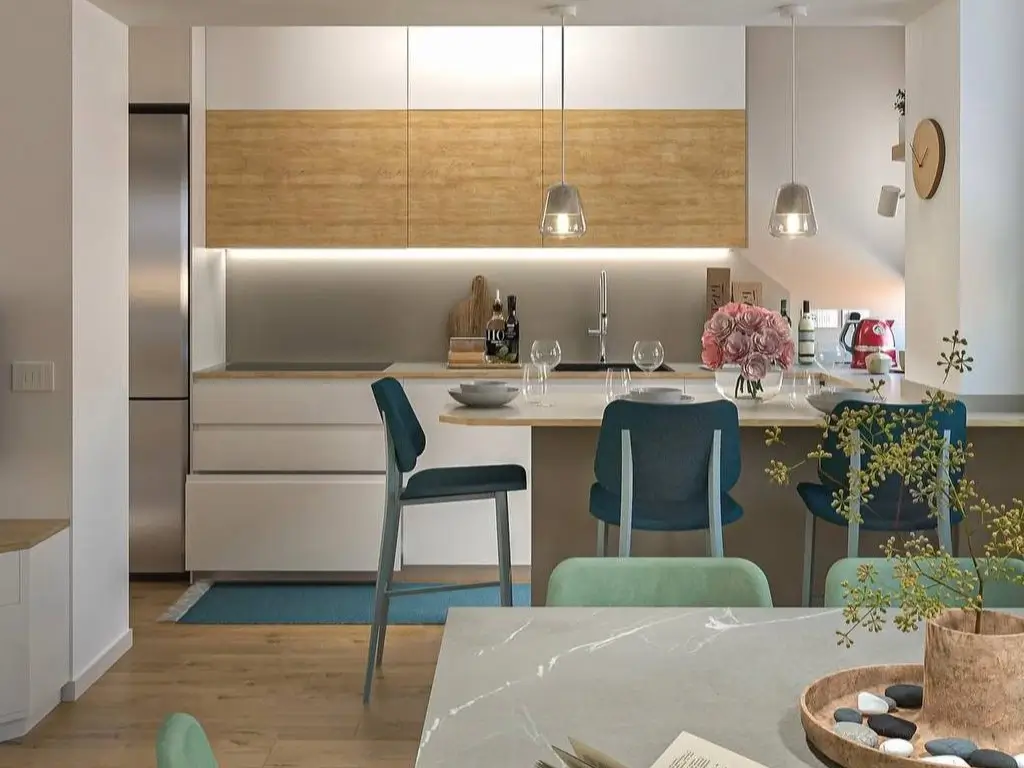
Credit: homeg.org
Selecting Materials And Finishes
Choosing the right materials and finishes is key to a minimalist kitchen. They set the tone and keep the space simple and clean.
Focus on materials that bring calmness and smooth surfaces that reduce visual clutter. These choices help create a peaceful kitchen.
Natural Materials
Natural materials add warmth and texture to a minimalist kitchen. Wood, stone, and bamboo work well without overwhelming the space.
Choose materials with simple grains and soft colors. This keeps the look fresh and light.
- Light wood for cabinets and shelves
- Stone countertops with smooth edges
- Bamboo for cutting boards and utensils
- Clay or ceramic for simple dishware
Smooth Finishes
Smooth finishes help create a clean and sleek look. They reduce shadows and keep surfaces easy to clean.
Matte or satin finishes soften the light and avoid glare. Use them on cabinets, walls, and floors for a calm effect.
- Matte paint for walls and ceilings
- Satin or matte cabinets with hidden handles
- Polished stone or concrete countertops
- Glass or metal with smooth textures for fixtures
Streamlined Storage Solutions
Designing a minimalist kitchen means keeping things neat and simple. Storage plays a big role in this style.
Good storage keeps your kitchen tidy and easy to use. It helps reduce clutter and shows off clean lines.
Hidden Storage
Hidden storage keeps items out of sight. This approach helps maintain a calm and clean look.
Use cabinets without handles or push-to-open drawers. These features create smooth surfaces and reduce visual noise.
- Pull-out pantry shelves
- Built-in spice racks inside cabinets
- Under-counter drawers for utensils
- Toe-kick drawers for extra space
Open Shelving
Open shelves show off your favorite kitchen items. They add lightness and openness to the room.
Keep shelves simple and uncluttered. Use matching containers and limited items to stay organized.
- Display clean white dishes
- Store glass jars with dry goods
- Use baskets for small items
- Place plants or minimal decor

Credit: www.nordiskakok.com
Choosing Appliances And Fixtures
Designing a minimalist kitchen means picking appliances and fixtures that blend with the space. These items should have simple shapes and clean lines.
Choosing the right elements helps keep the kitchen looking neat and uncluttered. It also makes the space more functional.
Integrated Appliances
Integrated appliances hide in the kitchen cabinets. They keep the kitchen looking smooth and uniform. This style helps reduce visual clutter.
- Built-in ovens that fit flush with cabinets
- Dishwashers with panel fronts matching the cabinetry
- Refrigerators with doors that blend into the walls
- Cooktops without bulky controls or raised edges
Minimalist Fixtures
| Fixture | Design Style | Material |
| Faucets | Sleek, single-handle | Brushed nickel or matte black |
| Lighting | Recessed or simple pendant | Metal or glass with clean lines |
| Cabinet Handles | Flush or handleless | Stainless steel or wood |
| Sinks | Undermount, simple shape | Composite or stainless steel |
Incorporating Lighting Design
Lighting plays a big role in a minimalist kitchen. It sets the mood and helps you work better.
Choosing the right lighting types helps keep the kitchen simple and functional.
Ambient Lighting
Ambient lighting gives the kitchen overall brightness. It creates a soft, even light that fills the room.
- Use recessed ceiling lights for a clean look.
- Choose warm white bulbs for a cozy feel.
- Install dimmers to control light levels easily.
- Consider natural light with large windows or skylights.
Task Lighting
Task lighting focuses on areas where you cook and prepare food. It helps you see clearly and work safely.
| Area | Recommended Lighting |
| Countertops | Under-cabinet LED strips |
| Sink | Adjustable spotlight |
| Cooking area | Bright overhead light |
| Kitchen island | Pendant lights |
Adding Minimalist Decor
Minimalist decor uses simple and clean design. It creates a calm and open kitchen space.
Choose few items that serve a purpose and look nice. Avoid clutter and extra decorations.
Functional Decor
Functional decor blends usefulness and style. It helps keep your kitchen neat and efficient.
Use items like sleek storage jars and simple utensil holders. They add to the look and help organize.
- Clear glass jars for dry goods
- Wooden cutting boards with clean lines
- Metal utensil holders with simple shapes
- Minimalist salt and pepper shakers
Art And Plants
Art and plants add life without clutter. Choose simple art and small green plants.
Pick artwork with soft colors and minimal details. Use plants that need little care.
- Black and white framed prints
- Small succulents or cacti in plain pots
- Single-stem flowers in clear vases
- Simple ceramic planters for herbs
Maintaining A Clutter-free Environment
Designing a minimalist kitchen means keeping the space clean and simple. Clutter can make a kitchen look messy and smaller.
Focus on organizing items and removing what is not needed. This helps keep your kitchen calm and easy to use.
Choose Smart Storage Solutions
Use cabinets and drawers that hide kitchen tools and appliances. Closed storage keeps surfaces clear and makes the kitchen look tidy.
- Install pull-out shelves for easy access
- Use drawer dividers to organize utensils
- Keep countertops free by storing appliances
- Use vertical space with tall cabinets
Limit Countertop Items
Only keep daily-use items on the counter. Put away things that are used less often to avoid clutter.
Clear countertops help the kitchen feel open and clean. It also makes cleaning faster and easier.
Regularly Declutter And Clean
Set a schedule to check and remove unused items. Regular cleaning keeps the kitchen fresh and clutter-free.
| Task | Frequency |
| Check pantry for expired food | Monthly |
| Organize drawers and cabinets | Every 3 months |
| Wipe down countertops and shelves | Weekly |
| Donate unused kitchen tools | Every 6 months |
Use Minimalist Decor
Choose simple decor items with clean lines. Avoid too many decorations that can create visual clutter.
Tip:A small plant or a single bowl can add charm without clutter.

Credit: m.youtube.com
Frequently Asked Questions
What Defines A Minimalist Kitchen Design?
A minimalist kitchen features clean lines, simple shapes, and uncluttered spaces. It uses neutral colors and focuses on functionality. The design avoids excessive decoration, emphasizing efficiency and ease of use. Minimalism creates a calm, organized, and spacious kitchen environment.
How To Choose Colors For A Minimalist Kitchen?
Opt for neutral colors like white, gray, beige, or soft pastels. These tones create a clean, airy feel. Avoid bold, bright colors that clutter the space visually. Use color sparingly for accents to maintain simplicity and balance in the kitchen design.
What Materials Suit Minimalist Kitchen Countertops?
Materials like quartz, concrete, and matte-finished granite fit minimalist kitchens well. They offer durability and a sleek appearance. Avoid overly patterned or glossy surfaces. These materials enhance the clean, uncluttered look essential in minimalist kitchen design.
How To Maximize Storage In Minimalist Kitchens?
Use built-in cabinets with handleless designs for a seamless look. Incorporate pull-out drawers and hidden compartments to reduce clutter. Keep countertops clear by storing appliances out of sight. Efficient storage maintains the minimalist aesthetic and improves kitchen functionality.
Conclusion
Designing a minimalist kitchen brings calm and order to your home. Choose simple shapes and neutral colors to keep things clean. Focus on function and avoid clutter on counters. Use smart storage to hide items and keep space open. Light and natural materials add warmth without crowding.
A minimalist kitchen feels fresh and easy to use every day. Start small and enjoy the peaceful look you create. Simple changes make a big difference in your kitchen style.