
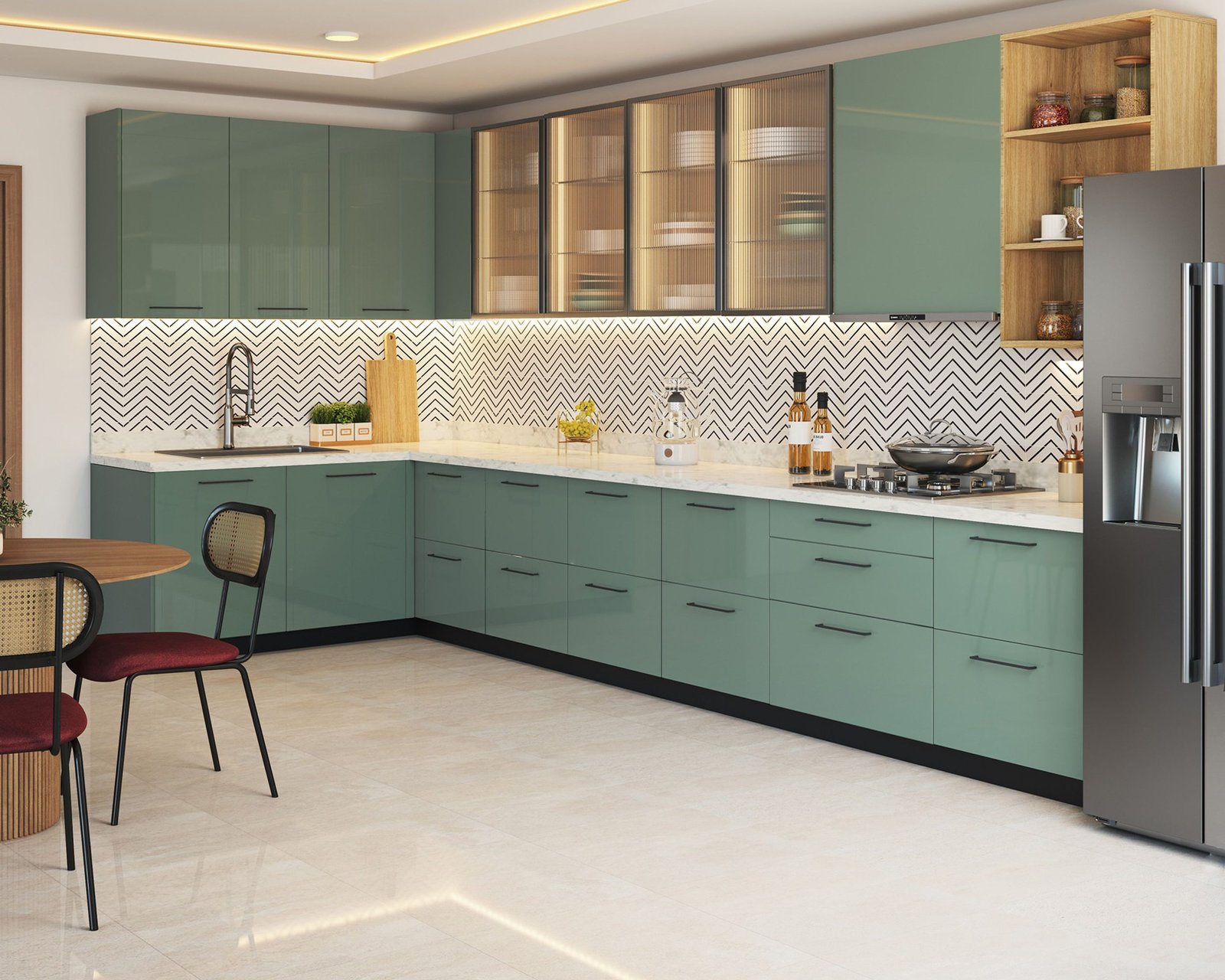
Designing your kitchen can feel overwhelming, especially when you want it to be both stylish and practical. If you’re considering an L-shaped layout, you’re already on the right track for creating a space that maximizes every inch.
But how do you make sure your kitchen not only looks great but also works perfectly for your daily needs? In this guide, you’ll discover simple steps and smart tips to design an L-shaped kitchen that fits your lifestyle. Keep reading to unlock the secrets that will transform your kitchen into the heart of your home.
Benefits Of L-shaped Kitchens
L-shaped kitchens are a smart choice for many homes. They fit well in small or large spaces. This layout offers many advantages.
Designing your kitchen with an L-shape can help you use space better. It also makes cooking easier and gives you many design options.
Maximizing Space
The L-shaped design uses two walls to create a corner. This setup frees up floor space and makes the kitchen feel open.
| Feature | Benefit |
| Two adjacent walls | More counter space |
| Open floor area | Room for dining or movement |
| Corner cabinets | Extra storage options |
Enhancing Workflow
The L-shape helps create a natural work triangle. This means the sink, stove, and fridge are close but not crowded.
- Move easily between cooking, washing, and storing areas
- Reduce walking distance during meal prep
- Keep the kitchen organized and clutter-free
Flexible Design Options
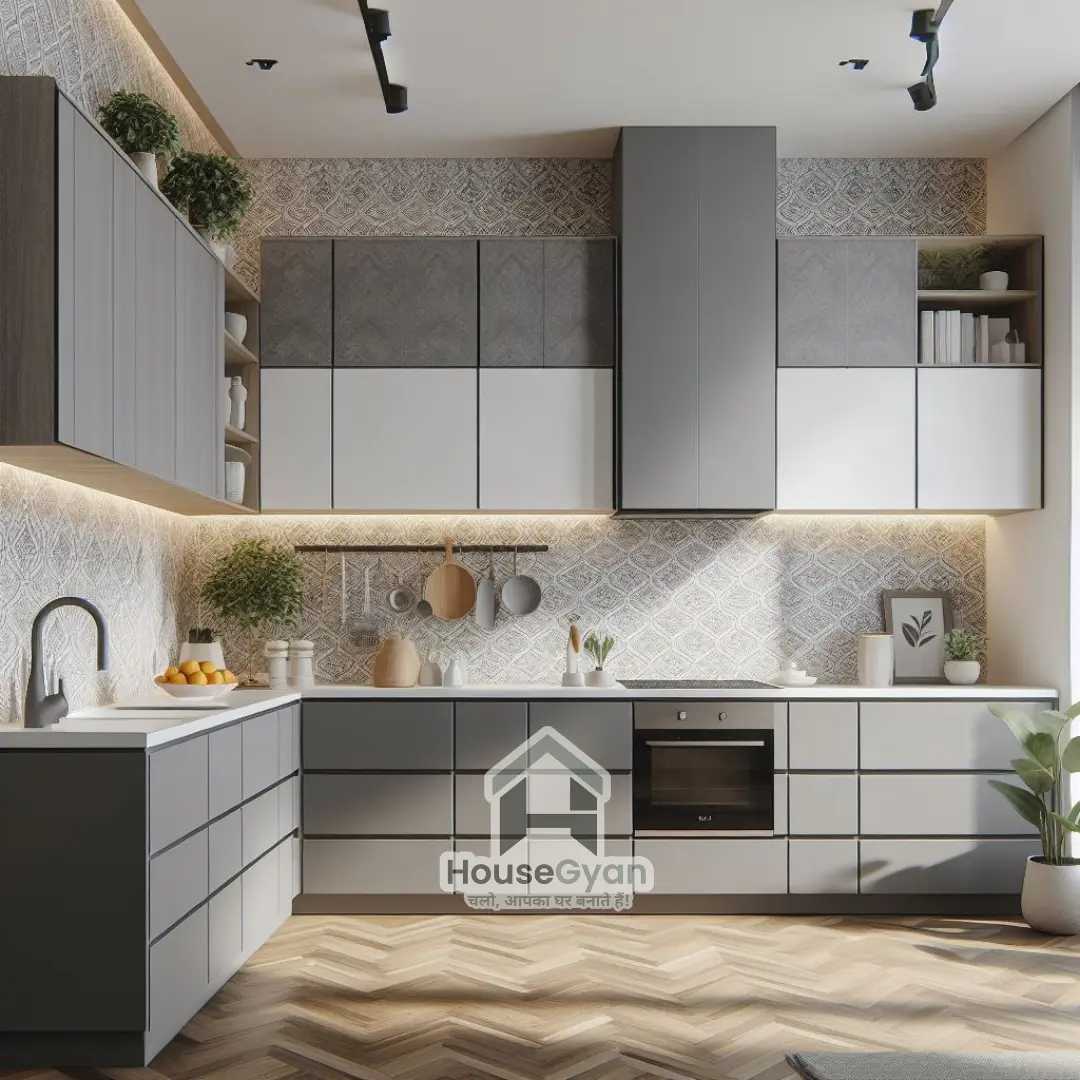
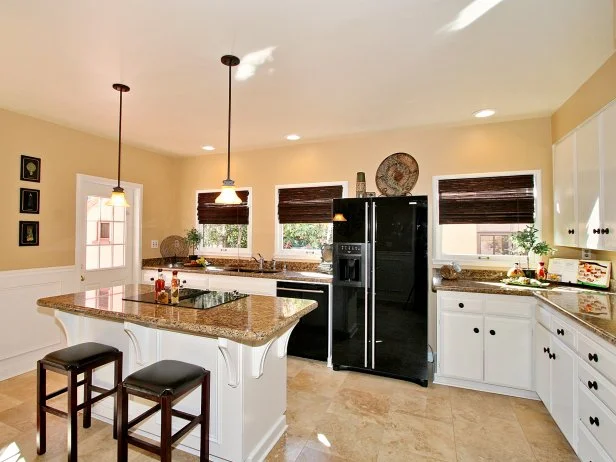
This layout works with many styles and sizes. You can add an island or a breakfast bar if space allows.
Design choices include:
- Modern sleek cabinets or classic wood finishes
- Open shelves for easy access
- Different countertop materials like granite or laminate
Credit: www.housegyan.com
Choosing The Right Dimensions
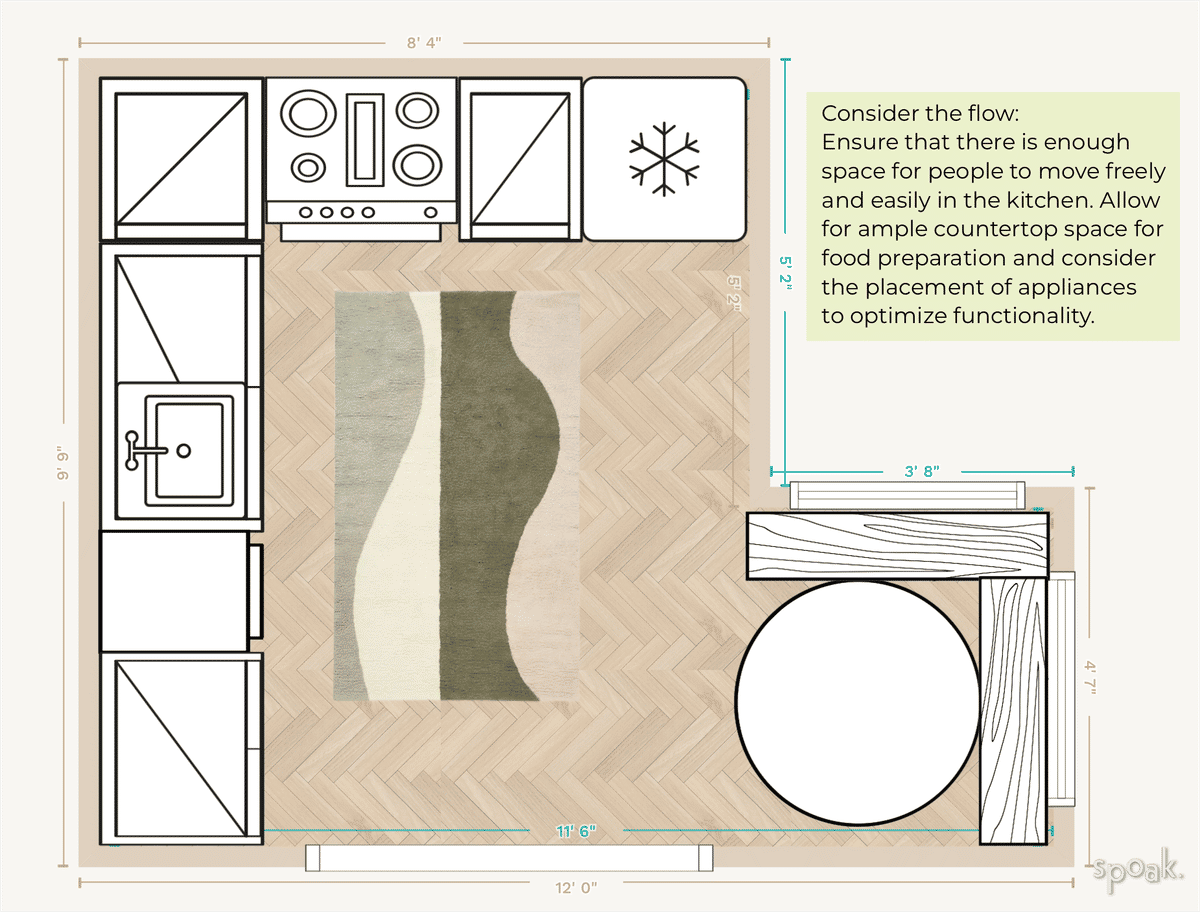
Designing a kitchen with an L-shaped layout starts with choosing the right dimensions. This helps create a space that is both useful and comfortable.
Correct measurements let you balance work areas and storage. It also ensures the kitchen feels open and easy to move around.
Measuring Your Space
Start by measuring the length of both walls that will form the L shape. Use a tape measure for accurate results.
Note any windows, doors, or appliances on these walls. These features affect where cabinets and counters can go.
- Measure from corner to end of each wall
- Record the height from floor to ceiling
- Mark locations of doors and windows
- Measure space for existing appliances
Balancing Counter And Storage Areas
Keep a good balance between counter space and storage. Too much counter space with little storage can cause clutter.
Plan cabinets under and above counters. Use the corner space well to increase storage without losing counter area.
- Allocate about 60% of the length for counters
- Use remaining 40% for cabinets and drawers
- Include corner cabinets or lazy Susans for storage
- Leave enough counter space near cooking and cleaning areas
Selecting Cabinets And Storage
Choosing the right cabinets and storage is key for an L-shaped kitchen. It helps keep the space neat and easy to use.
Good storage makes cooking smoother and keeps everything within reach. Think about how you use your kitchen.
Corner Cabinet Solutions
Corners in L-shaped kitchens can waste space if not planned well. Use special cabinets to make corners useful.
Lazy Susans and pull-out shelves let you reach items easily. They make the corner a practical part of your kitchen.
- Lazy Susan: rotating shelves for easy access
- Pull-out shelves: slide out to see all items
- Diagonal cabinets: better use of corner space
- Blind corner cabinets: hidden storage with pull-out racks
Optimizing Vertical Storage
Using vertical space helps keep your counters clear. Tall cabinets and shelves hold more items.
Stack items carefully and use hooks or racks on walls. This keeps things organized and easy to find.
- Install tall cabinets to store dishes and food
- Add open shelves for frequently used items
- Use wall hooks for pots and utensils
- Place racks inside cabinet doors for small items
Credit: www.spoak.com
Countertop Materials And Layout
Designing a kitchen with an L-shaped layout needs careful choice of countertops. The right material and layout improve functionality and style.
This guide covers popular countertop choices and how to create efficient work zones in your kitchen.
Popular Countertop Choices
Choosing the right countertop material affects durability and appearance. Here are common options for L-shaped kitchens.
- Granite:Natural stone, heat resistant, and scratch resistant.
- Quartz:Engineered stone, low maintenance, and available in many colors.
- Marble:Elegant look, but requires more care to avoid stains.
- Laminate:Budget-friendly and comes in various patterns.
- Butcher Block:Warm wood surface, good for chopping but needs regular sealing.
Creating Efficient Work Zones
Work zones improve kitchen flow. In an L-shaped layout, place zones to save steps and make cooking easier.
| Work Zone | Purpose | Best Location |
| Preparation | Chopping and mixing | Between sink and stove |
| Cooking | Stove and oven use | Along one leg of the L |
| Cleaning | Washing dishes and utensils | Near the sink area |
| Storage | Keeping utensils and ingredients | Close to cooking and prep zones |
Appliance Placement Tips
Designing a kitchen with an L-shaped layout needs careful appliance placement. Good placement helps cooking flow and saves space.
Focus on where to put the sink, stove, and refrigerator for an efficient kitchen setup.
Positioning The Sink, Stove, And Refrigerator
Place the sink near a window if possible for natural light. Keep it close to the stove for easy food prep and cleanup.
- Put the refrigerator at one end of the L-shape for easy access.
- Keep the stove and oven in the middle section for convenience.
- Allow enough counter space between appliances for prep work.
Maintaining The Work Triangle
The work triangle connects the sink, stove, and refrigerator. It reduces walking distance while cooking.
| Appliance Pair | Ideal Distance |
| Sink to Stove | 4 to 7 feet |
| Stove to Refrigerator | 4 to 9 feet |
| Refrigerator to Sink | 4 to 9 feet |
Credit: www.hgtv.com
Lighting Strategies For L-shaped Kitchens
Good lighting makes an L-shaped kitchen safe and comfortable. It helps you see while cooking and cleaning.
Use different types of lighting to brighten your space. Combine ambient and task lighting for best results.
Ambient And Task Lighting
Ambient lighting lights the whole kitchen evenly. It sets the base light level and removes dark spots.
- Install ceiling lights like recessed or flush mount fixtures.
- Use dimmers to adjust light levels for different times.
- Add under-cabinet lights to brighten counters where you cook.
- Choose warm white bulbs to create a cozy feel.
- Place lights to avoid shadows on work surfaces.
Task lighting focuses on work areas. It helps with chopping, mixing, and reading recipes.
Highlighting Key Areas
Highlight important spots to improve kitchen function and style. Use lights to draw attention to these zones.
| Area | Lighting Type | Recommended Fixture |
| Sink | Task | Adjustable spotlights or pendant lights |
| Cooking Zone | Task | Under-cabinet LED strips |
| Dining Area | Ambient | Chandeliers or hanging pendants |
| Open Shelves | Accent | Small LED spotlights |
Choosing Colors And Finishes
Choosing the right colors and finishes makes your L-shaped kitchen look great. It also creates a comfortable space to cook and gather.
Think about how colors and finishes work together. They can change the mood and style of your kitchen.
Coordinating Cabinets And Walls
Match your cabinets and walls for a smooth look. Use colors that blend well or add a soft contrast.
- Pick light wall colors with dark cabinets to brighten the space.
- Choose wall paint that complements the cabinet finish, like matte or glossy.
- Use neutral tones for cabinets to allow colorful walls to stand out.
- Try soft pastels on walls with white or wood cabinets for a fresh feel.
Adding Texture And Contrast
Texture and contrast add depth to your kitchen design. Use different materials and finishes to create interest.
| Finish Type | Description | Effect |
| Matte | Non-shiny surface | Soft and modern look |
| Glossy | Shiny and reflective | Brightens space and feels clean |
| Wood Grain | Natural wood texture | Warmth and rustic charm |
| Stone | Rough or smooth stone surface | Earthy and solid appearance |
Mix smooth and rough surfaces like glossy cabinets with stone countertops. This makes your kitchen more lively and balanced.
Incorporating Seating And Dining
Designing a kitchen with an L-shaped layout offers many ways to add seating and dining areas. These spaces can make your kitchen more inviting and practical.
Choosing the right seating options helps you use the kitchen space well. It also creates a place for family and friends to gather comfortably.
Breakfast Nooks
Breakfast nooks fit perfectly in the corner of an L-shaped kitchen. They provide a cozy spot for quick meals and casual chats.
- Use built-in benches to save space
- Add a small table that fits the corner well
- Choose cushions for comfort and style
- Include shelves or storage under the seats
Bar Seating Options
Bar seating works well along the longer counter of an L-shaped kitchen. It offers a modern dining option and extra workspace.
| Bar Seating Style | Ideal Counter Height | Best Use |
| Standard Bar Stools | 40-42 inches | Casual dining and drinks |
| Adjustable Stools | Varies | Flexible seating for different users |
| Swivel Stools | 40-42 inches | Easy movement and socializing |
Common Mistakes To Avoid
Designing a kitchen with an L-shaped layout requires careful planning. Avoiding common errors helps create a functional space.
Two main mistakes can reduce your kitchen’s usability. These are overcrowding the space and ignoring traffic flow.
Overcrowding The Space
Adding too many cabinets or appliances can make the kitchen feel tight. Overcrowding limits movement and storage options.
- Place only essential appliances in the kitchen.
- Use open shelves to create a light atmosphere.
- Keep countertops clear of unnecessary items.
- Choose smaller furniture to save space.
- Allow enough room between counters for easy cooking.
Ignoring Traffic Flow
Good traffic flow means moving easily between the sink, stove, and fridge. Ignoring this can cause congestion and frustration.
| Common Issue | Effect | Solution |
|---|---|---|
| Blocked pathways | Hard to move with groceries or dishes | Keep walkways at least 36 inches wide |
| Appliances too close | Cramped workspace and collisions | Space appliances evenly along the counters |
| Door swings in wrong direction | Interrupts kitchen flow | Use sliding doors or change door direction |
Frequently Asked Questions
What Are The Benefits Of An L-shaped Kitchen Layout?
An L-shaped kitchen maximizes corner space, ideal for open floor plans. It provides efficient workflow with two adjacent walls. This layout is great for separating cooking and dining areas. It also allows for easy incorporation of a kitchen island, enhancing functionality and social interaction.
How Can I Optimize Storage In An L-shaped Kitchen?
Utilize corner cabinets with pull-out shelves or lazy Susans. Install upper cabinets to maximize vertical space. Consider deep drawers for pots and pans. Use hooks or racks for hanging utensils. Adding a pantry or tall cabinets can help store bulkier items, keeping the kitchen organized.
Is An L-shaped Kitchen Suitable For Small Spaces?
Yes, an L-shaped kitchen is ideal for small spaces. It efficiently uses corner areas and leaves space for dining or an island. The layout promotes a seamless workflow and can make a small kitchen feel more open and accessible. It also allows for easy movement and interaction.
How Do I Incorporate An Island In An L-shaped Kitchen?
Ensure sufficient space between the island and cabinets for movement. The island can serve as a prep area or dining spot. Add storage underneath for extra functionality. Consider incorporating appliances like a sink or cooktop for added convenience. Ensure it complements the overall kitchen design.
Conclusion
Designing an L-shaped kitchen offers great space and flexibility. It fits well in small or large rooms. You can easily create work zones for cooking and cleaning. Choosing the right cabinets and counters makes a big difference. Lighting and storage also improve kitchen use.
This layout helps keep everything within reach. It makes cooking more enjoyable and efficient. Try these tips to build a kitchen you love. Your L-shaped kitchen will be both stylish and practical. Simple changes can transform your cooking space today.