
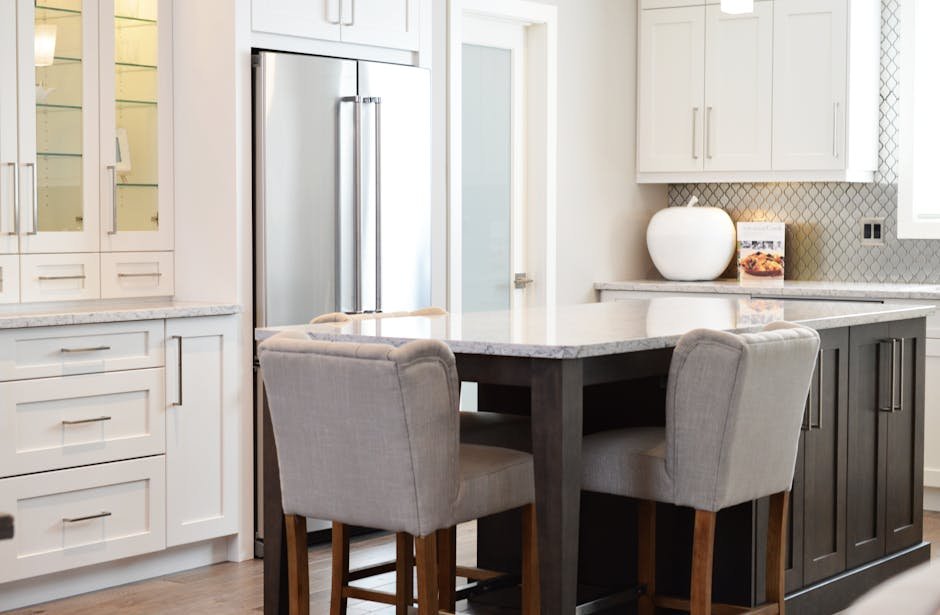
Designing a kitchen with island storage can transform your cooking space into something truly functional and stylish. Imagine having extra room to store your pots, pans, and gadgets right where you need them most.
You’ll save time, reduce clutter, and create a kitchen that feels open and inviting. If you want to make the most of your kitchen island and turn it into a smart storage solution, this guide is for you. Keep reading to discover simple tips and ideas that will help you design a kitchen island that works perfectly for your needs.

Credit: www.magnet.co.uk
Choosing The Right Island Size
Choosing the right size for your kitchen island is important. It affects how much storage you get and how easy the kitchen is to use.
The island should fit well in your kitchen space. It should allow enough room for movement and work areas.
Measure Your Kitchen Space
First, measure your kitchen area carefully. Note the available floor space where you want the island.
Leave at least 36 to 48 inches of space around the island. This space helps people move freely and opens cabinet doors easily.
Match The Island Size To Kitchen Layout
The kitchen layout affects the best island size. Large kitchens can hold bigger islands with more storage.
Small kitchens need smaller islands or narrow designs to avoid crowding the space.
Consider The Island’s Function
Think about how you will use the island. Will it be for cooking, eating, or storage?
A bigger island is good for cooking and seating. A smaller island can focus on extra storage and prep space.
Balance Storage And Workspace
Choose an island size that offers enough storage without reducing workspace. Drawers, shelves, and cabinets need room.
- Large islands provide more cabinets and drawers
- Smaller islands may have open shelves or fewer storage options
- Plan storage based on what items you need close at hand
Selecting Materials For Durability
Choosing the right materials for your kitchen island storage is key to making it last. Durable materials resist wear from daily use and keep your kitchen looking good.
This guide helps you pick materials that stand up to heat, moisture, and heavy items. Focus on surfaces, cabinets, and hardware that offer strength and style.
Countertop Materials
Countertops on kitchen islands must be tough and easy to clean. Look for materials that resist scratches and stains.
- Granite: Hard and heat resistant
- Quartz: Non-porous and low maintenance
- Butcher block: Warm look, needs regular sealing
- Concrete: Customizable, but may crack
- Laminate: Budget-friendly, less durable
Cabinet Materials
Cabinets hold your kitchen items and face frequent use. Choose strong wood or engineered wood products for lasting results.
| Material | Durability | Maintenance |
| Solid Wood | Very high | Requires polishing |
| Plywood | High | Needs edge sealing |
| MDF | Moderate | Avoid water exposure |
| Particleboard | Low | Prone to swelling |
Hardware And Fittings
Strong hardware supports heavy doors and drawers. Metal fittings resist rust and wear better than plastic ones.
- Stainless steel handles and hinges
- Soft-close drawer slides for smooth use
- Rust-proof screws and nails
- Quality locks for safety
Incorporating Seating Options
Adding seating to your kitchen island makes the space more useful. It creates a spot for meals, chats, and work.
There are many ways to include seats while keeping storage strong and practical.
Choose The Right Seating Style
Pick seating that fits your kitchen size and style. Stools work well for small spaces. Chairs offer comfort for longer sitting.
Consider backrests for support and footrests for comfort. Match materials with your kitchen look.
Create A Comfortable Seating Height
Set your island height so seats fit well. Standard counter height is 36 inches. Bar stools need a 24-inch seat height.
Check space between seats and island edge. Leave 12 inches for knees and 6-10 inches between seats for comfort.
- Counter height: 36 inches
- Bar stool seat height: 24-26 inches
- Knee space: 12 inches
- Space between seats: 6-10 inches
Use Multi-functional Seating
Pick seating that adds storage. Benches with storage below save space. Some stools have built-in shelves.
This helps keep your kitchen tidy without extra furniture.
Plan Seating Placement Carefully
Place seating where it won’t block kitchen work areas. Leave enough walking space around the island.
Keep seats on one side or corners to avoid crowding. This keeps the kitchen safe and easy to use.
Maximizing Storage Efficiency
Designing a kitchen with island storage helps keep the space neat. It makes cooking and cleaning easier by having everything close.
Using smart storage ideas in the island can save space. It keeps your kitchen organized and allows you to store more items.
Drawer And Cabinet Configuration
Arrange drawers and cabinets to fit the items you use most. Use deep drawers for pots and shallow ones for utensils. Group similar items together.
Place cabinets with doors for big appliances. Use drawers for easy access to small items. This setup helps you find things fast.
- Deep drawers for pots and pans
- Shallow drawers for cutlery and tools
- Cabinets for large appliances
- Grouped storage by item type
Utilizing Vertical Space
Use the height of your island to add shelves or tall cabinets. This adds more storage without using floor space. Vertical storage holds jars, cookbooks, or small appliances.
Install hooks or racks on the sides of the island. Hang pots, pans, or towels to keep counters free. Vertical use keeps your kitchen tidy and items reachable.
- Install open shelves above counters
- Use tall cabinets for extra storage
- Add hooks for hanging utensils
- Keep frequently used items at eye level
Incorporating Pull-out Shelves
Pull-out shelves make it easy to reach items in deep cabinets. They slide out fully, so you see everything inside. This reduces clutter and makes cleaning simpler.
Use pull-out shelves for spices, baking trays, or cleaning supplies. They help organize small items and keep your kitchen island neat.
- Pull-out spice racks for easy access
- Sliding shelves for baking trays
- Hidden pull-outs for cleaning tools
- Soft-close feature to prevent noise
Integrating Appliances Into The Island
Kitchen islands offer extra workspace and storage. Adding appliances to the island makes cooking easier and saves room.
Think about appliance size and location. Plan for power outlets and ventilation before installation.
Built-in Microwave Options
Built-in microwaves fit neatly into the island. This keeps counters clear and creates a clean look.
- Place the microwave at a comfortable height for easy access.
- Choose a model that matches your kitchen style and size.
- Ensure there is enough ventilation space around the microwave.
- Consider a drawer-style microwave for a unique design.
Installing A Cooktop
Cooktops on the island allow the cook to face guests. They create a social and functional cooking area.
| Cooktop Type | Pros | Cons |
| Gas | Quick heat, precise control | Needs gas line, ventilation required |
| Electric | Easy to clean, no gas needed | Slower heating |
| Induction | Fast, energy efficient, safe | Requires compatible cookware |
Including A Wine Cooler
A wine cooler in the island keeps bottles at the right temperature. It adds style and function to your kitchen.
- Check the size to fit your bottle collection.
- Place the cooler away from heat sources.
- Choose a cooler with adjustable shelves.
- Consider a model with a glass door to display bottles.

Credit: www.roomandboard.com
Lighting Considerations
Good lighting helps you see and work well in the kitchen. It also makes the space feel warm and inviting.
When designing a kitchen with island storage, choose lights that fit both style and function.
Pendant Lighting Choices
Pendants hang above the island and give focused light. They add style and help you see your tasks clearly.
Pick pendant lights that match your kitchen’s look. Use more than one for even lighting on the island.
- Choose adjustable height for flexible light placement
- Use glass or metal shades for different effects
- Pick warm light bulbs for a cozy feel
- Cluster small pendants for a modern look
Under-cabinet Lighting
Under-cabinet lights brighten countertops and island storage areas. They reduce shadows while you work.
These lights are hidden but make a big difference in kitchen usability and mood.
- LED strips save energy and last long
- Warm white lights create a natural look
- Install dimmers to adjust brightness as needed
- Choose lights with low heat for safety
Creating A Functional Workflow
Designing a kitchen with island storage needs careful planning. A good workflow saves time and effort.
Focus on how you move between tasks. Keep everything easy to reach and use.
Work Triangle Efficiency
The work triangle links the sink, stove, and refrigerator. It helps create an efficient path for cooking.
- Place the island so it does not block the triangle.
- Make sure the island storage holds items used often near the triangle.
- Keep the triangle sides between 4 and 9 feet for comfort.
- Avoid placing obstacles in the triangle area.
Zoning For Different Tasks
Divide the kitchen into zones for cooking, cleaning, and prepping. Island storage can support these zones.
| Zone | Main Activities | Island Storage Use |
| Cooking | Stove, oven use | Spices, pots, pans |
| Cleaning | Sink, dishwasher | Cleaning supplies, towels |
| Preparation | Chopping, mixing | Cutting boards, knives, bowls |
| Storage | Food, utensils | Dry goods, utensils, containers |

Credit: gnhlumber.com
Enhancing Aesthetic Appeal
Designing a kitchen with island storage can add both style and function. A well-planned island becomes a centerpiece that elevates the room’s look.
Focus on details like colors and decorations to create a balanced and pleasing space. These elements work together to highlight your kitchen island.
Color Coordination
Choose colors that blend well with your kitchen theme. The island should complement the cabinets, walls, and countertops.
- Use neutral shades for a calm and timeless look.
- Add bold colors on the island for a pop of interest.
- Match island colors with kitchen accessories for harmony.
- Consider wood tones to add warmth and texture.
Choosing Decorative Elements
Decorative items can enhance the island’s appeal and bring personality to your kitchen.
| Decorative Element | Effect |
| Pendant Lights | Add focus and style above the island. |
| Bar Stools | Create a cozy and inviting seating area. |
| Plants | Bring freshness and natural color. |
| Decorative Bowls | Add texture and a splash of color. |
Budget-friendly Design Tips
Designing a kitchen with island storage can be affordable. Smart choices save money and add style.
This guide shares easy tips to create a kitchen island that fits your budget and needs.
Affordable Material Alternatives
Choosing the right materials can lower costs without losing quality. Look for budget-friendly options that last.
- Use laminate countertops instead of natural stone.
- Choose plywood cabinets over solid wood.
- Pick vinyl or tile flooring instead of hardwood.
- Paint old cabinets instead of replacing them.
- Select open shelving to reduce cabinet costs.
Diy Storage Solutions
Building your own storage can cut costs and customize your kitchen island. Simple projects make a big impact.
| DIY Storage Idea | Materials Needed | Cost Estimate |
| Open Shelves | Wood planks, brackets, screws | $30 – $70 |
| Pull-out Drawers | Drawer slides, plywood, handles | $50 – $100 |
| Hanging Racks | Metal rods, hooks | $20 – $40 |
| Storage Baskets | Wicker or plastic baskets | $10 – $50 |
Frequently Asked Questions
What Are The Benefits Of Kitchen Island Storage?
Kitchen island storage maximizes space and improves organization. It provides extra drawers and cabinets for utensils. It also creates a central workspace, making cooking efficient and social.
How To Choose The Right Size For A Kitchen Island?
Measure your kitchen area first. Leave at least 36 inches around the island for movement. The island should fit your space without overcrowding or limiting functionality.
What Storage Options Work Best In Kitchen Islands?
Drawers, cabinets, and open shelves are popular options. Deep drawers store pots, while cabinets hold larger appliances. Open shelves display frequently used items for easy access.
Can Kitchen Islands Include Seating And Storage?
Yes, combining seating with storage saves space and adds functionality. Use overhangs for stools and incorporate drawers or cabinets underneath to store essentials neatly.
Conclusion
Designing a kitchen with island storage makes cooking easier and more fun. You gain extra space to keep your tools and ingredients neat. A well-planned island also creates a place to gather and enjoy meals. Small details like drawers and shelves help you stay organized.
Keep your needs in mind and choose what fits best. This simple change can improve your kitchen’s look and function. Start planning today and see the difference it makes. Your kitchen will feel more open and welcoming.