
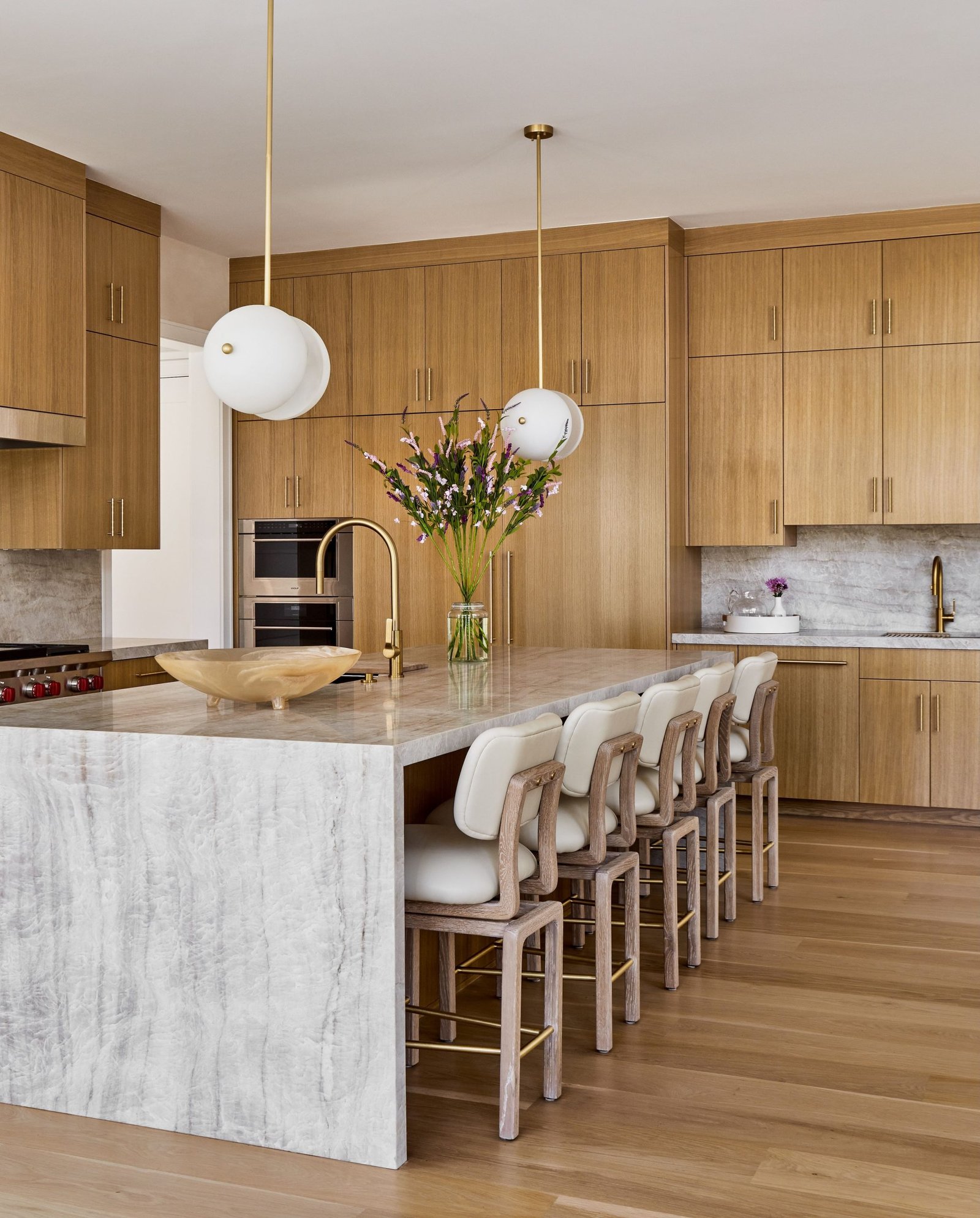
Designing a kitchen with island seating can completely change how you use your space. Imagine having a spot where you can cook, eat, work, and chat—all in one place.
But getting it right takes more than just placing a few stools around a counter. You want your island to be functional, stylish, and fit perfectly with your kitchen’s flow. You’ll discover simple, practical tips to create a kitchen island that feels inviting and works for your daily life.
Ready to transform your kitchen into the heart of your home? Keep reading to find out how.
Choosing The Right Island Size
Designing a kitchen with island seating needs careful size planning. The island must fit well in the space.
A properly sized island offers comfort and keeps the kitchen functional. It should not block movement.
Measure Your Kitchen Space
Start by measuring the kitchen area before choosing an island size. This helps avoid crowding the room.
Leave enough space around the island for easy walking and appliance access. A good rule is to allow 36 to 48 inches.
- Measure length and width of the kitchen
- Ensure 36–48 inches of space around the island
- Check clearance near appliances and cabinets
Consider Seating Needs
Think about how many people will sit at the island. This guides the island’s length and width.
Each seat needs about 24 inches of space for comfort. Add extra room for elbow space and movement.
- 24 inches per person for seating space
- Extra space for elbow room and movement
- Choose island length based on the number of seats
Balance Function And Size
The island should fit kitchen tasks and seating. It can include storage or cooking areas.
Make sure the island size works for both cooking and sitting. Avoid making it too big or too small.
- Include workspace and storage needs
- Keep enough room for meal prep
- Ensure seating does not block kitchen flow
Match Island Height To Seating
Choose island height that fits the seating style. Standard counters are about 36 inches tall.
For bar stools, a taller island (around 42 inches) works best. Check stool height to match island height.
- Standard counter height: 36 inches
- Bar height island: 42 inches
- Match stools to island height for comfort

Credit: www.hgtv.com
Selecting Materials For Durability
Choosing the right materials for kitchen island seating is important. Durable materials last longer and handle daily use well.
This guide explains how to pick strong materials for seats, surfaces, and frames of your kitchen island seating.
Durable Seat Materials
Seats see a lot of use and need tough materials. Look for fabrics or surfaces that resist stains and wear.
- Leather and faux leather clean easily and last long.
- Heavy-duty fabrics with tight weaves resist tearing.
- Wood seats with proper finish handle spills well.
Strong Surface Materials
The island countertop needs materials that resist scratches and heat. Choose surfaces that stay looking good for years.
- Quartz is hard, stain-resistant, and low-maintenance.
- Granite offers natural strength and heat resistance.
- Butcher block wood adds warmth and can be sanded smooth.
Sturdy Frame Materials
The frame supports the seating and countertop. It must be strong and stable to ensure safety.
- Solid wood frames provide classic strength.
- Metal frames offer modern look and great support.
- Plywood with quality joinery can be both strong and affordable.
Exploring Seating Options
Designing a kitchen with island seating adds comfort and style. Choosing the right seats makes the space inviting.
Think about how people will use the seating. This helps pick the best options for your kitchen island.
Bar Stools Vs. Chairs
Bar stools are tall and fit well with kitchen islands. They save space and look casual.
Chairs offer more back support and comfort. They work well if the island is lower or used for longer meals.
- Bar stools: space-saving, easy to move, casual style
- Chairs: more comfortable, formal look, better support
- Consider island height to match seat height
- Think about how long people will sit
Upholstery Choices
Upholstered seats add softness and style to kitchen seating. They come in many fabrics and colors.
Choose materials that are easy to clean. Kitchens can get messy, so durability matters.
- Leather: easy to clean, looks sleek, can be cold or sticky
- Fabric: soft and warm, needs stain protection
- Vinyl: affordable, water-resistant, less breathable
- Consider how often you use the island
Incorporating Functional Features
Designing a kitchen with island seating adds both style and function. A well-planned kitchen island can improve daily tasks and social gatherings.
Focus on features that make cooking and storage easier. This guide covers key elements to include in your island design.
Storage Solutions
Effective storage keeps your kitchen organized and clutter-free. Use the island to add extra drawers and cabinets.
- Install deep drawers for pots and pans
- Add pull-out shelves for easy access
- Use vertical dividers for baking sheets and trays
- Include hidden compartments for small appliances
- Add open shelves for cookbooks or decorative items
Built-in Appliances
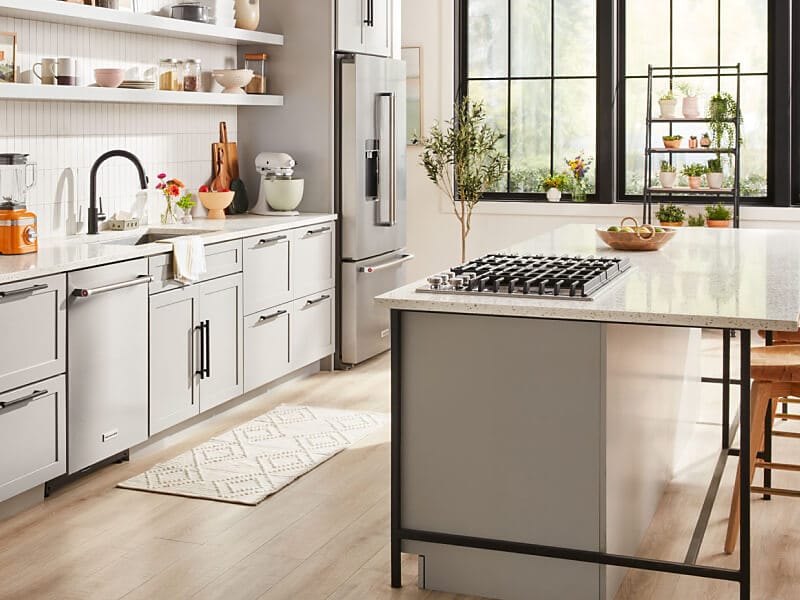
Built-in appliances save space and give the kitchen a sleek look. Consider adding appliances directly into the island.
| Appliance | Benefits |
| Cooktop | Central cooking area with seating nearby |
| Sink | Easy cleanup and food prep |
| Microwave | Convenient access without countertop clutter |
| Wine Cooler | Keeps drinks cold and saves fridge space |
Lighting For Ambiance And Task
Good lighting is key for kitchen islands. It helps set the mood and lights your work well.
Use different lights for tasks and soft ambiance. This makes the kitchen both useful and cozy.
Pendant Lights
Pendant lights hang over the island. They give direct light for cooking and eating.
Choose pendant lights with shades that soften light. This avoids harsh shadows on your work.
- Place pendants evenly above the island
- Pick bulbs with warm white light for comfort
- Use dimmers to adjust brightness
Recessed Lighting
Recessed lights sit in the ceiling. They spread light evenly around the kitchen.
Use recessed lights to brighten the whole room. They help with general tasks and add soft light.
- Space lights evenly for balanced coverage
- Use LED bulbs for energy saving
- Combine with pendants for layered lighting
Color Schemes And Finishes
Choosing the right colors and finishes is key for kitchen island seating. They set the mood and tie the space together.
Focus on how the island fits with your kitchen’s style and colors. The right choices create a balanced, inviting area.
Harmonizing With Existing Decor
Match the island’s colors and finishes with your current kitchen decor. This helps keep the look smooth and connected.
- Use cabinet colors that complement the island’s base.
- Choose countertop finishes that blend with your kitchen counters.
- Keep flooring tones in mind to avoid clashing.
- Select lighting fixtures with similar metal finishes.
- Include textures that echo other kitchen surfaces.
Accent Colors
Accent colors add interest and personality to your kitchen island seating. Use them to highlight features or add contrast.
| Accent Color | Suggested Use | Effect |
| Bold Red | Bar stools or pendant lights | Creates energy and warmth |
| Soft Blue | Island base or backsplashes | Brings calm and freshness |
| Bright Yellow | Decorative cushions or accessories | Adds cheer and brightness |
| Matte Black | Hardware or island edges | Provides contrast and modern feel |
| Natural Wood | Seating surfaces or shelving | Offers warmth and texture |
Planning The Layout For Flow
Designing a kitchen with island seating requires careful planning. The layout must allow easy movement and good interaction.
Flow in your kitchen helps cooking, eating, and socializing happen without obstacles.
Open Vs. Closed Layouts
Open layouts connect the kitchen to living or dining rooms. They create a spacious feel and allow people to talk across rooms.
Closed layouts separate the kitchen with walls or doors. This keeps cooking smells and noise away from other spaces.
- Open layouts support island seating by letting guests sit and chat.
- Closed layouts may need careful island placement to avoid crowding.
- Choose layout based on how you use your kitchen and home.
Traffic Considerations
Good traffic flow prevents accidents and makes the kitchen comfortable.
| Traffic Rule | Recommended Space |
| Walkway around island | 36 to 48 inches |
| Distance between island and appliances | 42 inches minimum |
| Seating space per person | 24 inches |
Keep pathways clear and wide. Avoid placing the island where it blocks doors or major work areas.
Credit: www.kitchenaid.com
Maximizing Space Efficiency
Designing a kitchen with island seating helps make the most of your space. The island can serve many purposes in a small or large kitchen.
Using smart island designs lets you add seating without crowding the room. This guide explains two ways to maximize space with island seating.
Multi-level Islands
Multi-level islands have different heights on one island. This design separates cooking, eating, and prep areas clearly.
- The lower level works well for cooking and food prep.
- The higher level can be used for seating and dining.
- This separation keeps the kitchen organized and open.
- It also helps avoid spills on the dining surface.
Convertible Features
Convertible island features add flexibility to your kitchen space. They can change based on your needs throughout the day.
| Feature | Purpose | Benefit |
|---|---|---|
| Drop-leaf extensions | Extra counter space | Can be folded down to save space |
| Pull-out seating | Hidden stools or chairs | Keeps seating out of the way when not in use |
| Built-in storage | Drawers or shelves | Reduces clutter on counters and floor |
| Lift-top counters | Hidden work surface or storage | Provides extra prep area or storage space |
Incorporating Technology
Technology can make your kitchen island more useful and fun. It helps with cooking and charging devices.
Adding smart tools and charging spots keeps the kitchen tidy and modern. These features make your space work better.
Smart Appliances
Smart appliances connect to Wi-Fi to help you cook and clean. You can control them with your phone or voice.
Examples include smart ovens that preheat remotely and refrigerators that track food. These save time and reduce waste.
- Smart ovens with remote control
- Refrigerators that track groceries
- Dishwashers with energy-saving modes
- Voice-controlled coffee makers
Charging Stations
Charging stations keep your devices powered while you cook or eat at the island. They help reduce cable clutter.
Include USB ports and wireless chargers in your island. This makes it easy to charge phones, tablets, and laptops.
- Built-in USB ports for fast charging
- Wireless charging pads for phones
- Hidden outlets for a clean look
- Multiple charging spots for family use

Credit: fabdiz.com
Frequently Asked Questions
What Size Kitchen Island Is Best For Seating?
A kitchen island should be at least 4 feet long for comfortable seating. Allow 24-30 inches per person to ensure enough elbow room. The island height is typically 36 inches, but 42 inches works well for bar stools.
How Many People Can Kitchen Island Seating Accommodate?
Most kitchen islands can seat 3 to 5 people comfortably. The exact number depends on the island length and stool spacing. Proper planning ensures enough space for movement and dining comfort.
What Are Popular Materials For Kitchen Island Seating?
Popular materials include wood, granite, quartz, and marble for durability and style. Choose materials that match your kitchen design and are easy to clean. Comfortable seating also requires sturdy, well-cushioned stools.
How To Maximize Space With Kitchen Island Seating?
Use multi-functional islands with storage underneath to save space. Opt for stools that tuck under the island to keep walkways clear. Consider a movable island if you need flexible seating arrangements.
Conclusion
Designing a kitchen with island seating adds style and function. It creates a space for cooking, eating, and talking. Choose the right size to fit your room well. Pick comfortable chairs that match your kitchen’s look. Keep the area clear for easy movement.
Lighting above the island makes the space bright and inviting. Think about storage options under the island for extra space. A kitchen island with seating makes your home more welcoming. Enjoy cooking and sharing meals in this cozy spot.