
Designing a kitchen that works perfectly for you isn’t just about choosing pretty cabinets or trendy colors. It’s about creating spaces that make cooking, cleaning, and gathering easier and more enjoyable.
When you divide your kitchen into functional zones, every task flows smoothly, saving you time and effort. Imagine reaching for what you need without searching, moving effortlessly from prep to cooking to cleaning. If you want a kitchen that feels organized and inviting, keep reading.
You’ll discover simple steps to design zones that fit your lifestyle and transform your kitchen into a space you love.
Planning The Layout
Designing a kitchen with functional zones helps you work smoothly. Planning the layout is the first step to make your kitchen practical.
A good plan divides the kitchen into areas for cooking, cleaning, and storage. This makes daily tasks easier and faster.
Assessing Space And Needs
Start by measuring the size of your kitchen space. Know the shape and any obstacles like doors or windows.
Think about how you use your kitchen. Do you cook a lot or eat there? Do you need space for multiple people?
- Measure walls, windows, and doorways
- Note plumbing and electrical points
- List your cooking and storage needs
- Consider who will use the kitchen
Choosing A Kitchen Layout Style
Pick a layout that fits your space and how you cook. Common styles include U-shape, L-shape, galley, and island kitchens.
Each layout divides the kitchen into zones differently. Choose one that helps you move easily between cooking, cleaning, and storage.
- U-Shape:Good for large kitchens with three connected walls
- L-Shape:Fits corners, opens space for dining or movement
- Galley:Two parallel counters, ideal for small spaces
- Island:Adds extra workspace and storage in the center

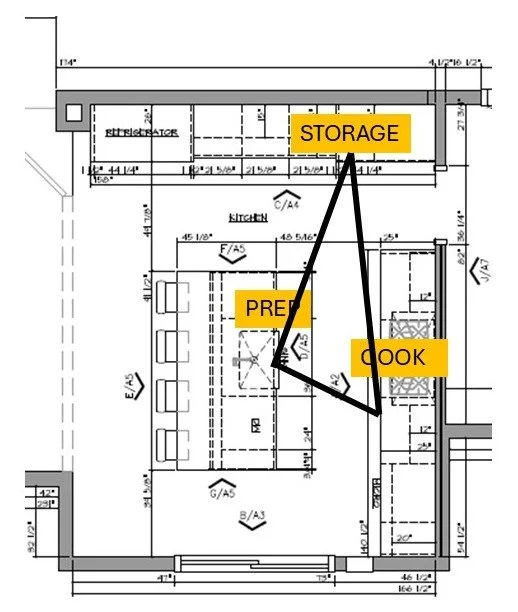
Credit: www.signaturedesignskitchenbath.com
Establishing Work Zones
Designing a kitchen with clear work zones helps you work efficiently. It makes cooking and cleaning easier.
Organizing your kitchen into zones saves time and reduces movement. Each zone should serve a specific function.
Defining The Work Triangle
The work triangle connects the sink, stove, and refrigerator. This layout cuts down walking time in the kitchen.
The three points should be close but not crowded. Aim for easy movement between these areas.
- Sink for cleaning and washing
- Stove for cooking and heating
- Refrigerator for food storage
Creating A Prep Zone
The prep zone is where you cut, chop, and mix ingredients. It should be near the sink and fridge.
Keep tools like knives, cutting boards, and bowls in this area. A clear counter space is important.
- Located between sink and fridge
- Enough counter space for food prep
- Storage for knives and utensils
- Good lighting for safety
Designing The Cooking Zone
The cooking zone holds your stove, oven, and microwave. It should be near the prep zone for easy transfer.
Keep pots, pans, and cooking tools nearby. Ventilation is key to keep the air fresh while cooking.
- Stove and oven placement
- Storage for pots and pans
- Easy access to spices and oils
- Range hood or ventilation system
Setting Up The Cleanup Zone
The cleanup zone centers around the sink and dishwasher. It should be separate from the cooking area.
Store cleaning supplies and trash bins here. Make sure there is space for drying dishes if needed.
- Sink and dishwasher placement
- Storage for cleaning products
- Trash and recycling bins nearby
- Counter space for drying dishes
Maximizing Storage Solutions
Designing a kitchen with functional zones helps keep things organized. One key part is to maximize storage space.
Good storage makes the kitchen easier to use and keeps counters clear. Let’s explore ways to improve storage in your kitchen.
Utilizing Vertical Space
Vertical space is often unused in kitchens. Adding shelves and tall cabinets helps store more items.
Hooks and racks on walls hold pots, pans, and utensils. This keeps counters free and items easy to reach.
- Install tall cabinets up to the ceiling
- Add open shelves for frequently used items
- Use wall hooks for pots and pans
- Place magnetic strips for knives
- Use pegboards for kitchen tools
Incorporating Smart Storage Options
Smart storage solutions save space and keep things organized. Drawers with dividers separate utensils and gadgets.
Pull-out shelves and lazy Susans make hard-to-reach spaces easy to use. Clear containers help see contents fast.
- Use drawer organizers for utensils and tools
- Install pull-out shelves in lower cabinets
- Add lazy Susans in corner cabinets
- Store dry goods in clear, stackable containers
- Use under-sink organizers for cleaning supplies
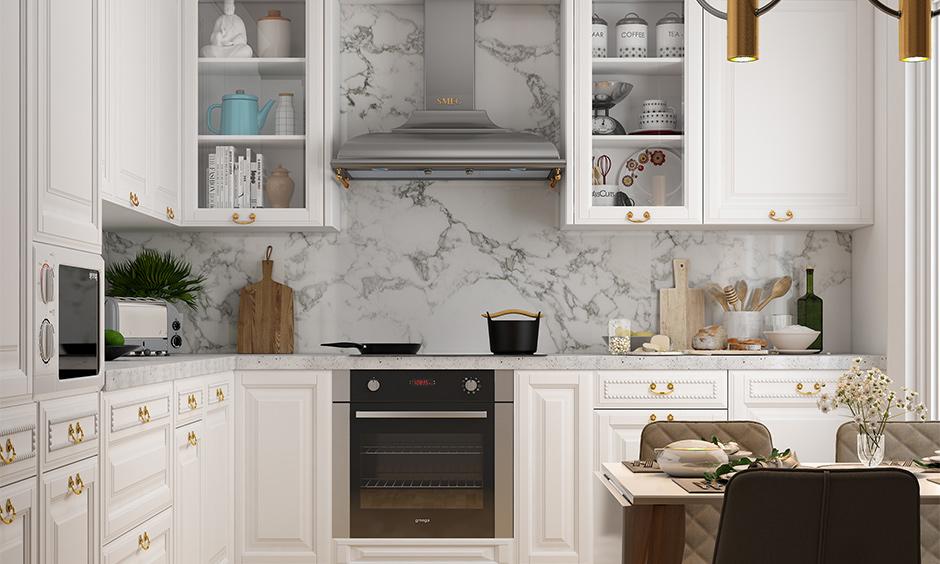
Credit: www.designcafe.com
Incorporating Efficient Lighting
Lighting is important in a kitchen. Good light helps you work safely and quickly.
Use different lights for different zones to make the kitchen functional and bright.
Choosing Task Lighting
Task lighting shines on work areas. It helps you see clearly while cooking or chopping.
Use bright and focused lights above counters, sinks, and stoves for safety and ease.
- Install under-cabinet lights to brighten countertops
- Use adjustable spotlights for flexible lighting
- Choose LED bulbs for clear, bright light
- Avoid shadows by placing lights correctly
Enhancing Ambient Lighting
Ambient lighting fills the whole kitchen with soft light. It creates a warm and inviting feel.
Use ceiling lights or wall sconces to light up the entire room evenly.
- Choose dimmable lights for mood control
- Use diffusers to soften harsh light
- Combine natural light with artificial lighting
- Place lights to avoid glare on shiny surfaces
Selecting Durable Materials
Choosing durable materials is key to a long-lasting kitchen. These materials stand up to daily use and resist damage.
Durable materials save you money on repairs and keep your kitchen looking good for years.
Choosing Countertop Materials
Countertops take heavy use. Pick materials that resist scratches, stains, and heat.
- Granite: Very hard and heat-resistant.
- Quartz: Non-porous and easy to clean.
- Concrete: Strong but needs sealing to avoid stains.
- Laminate: Affordable and comes in many designs.
- Butcher Block: Warm look but needs regular oiling.
Selecting Floor Finishes
Floors must handle spills, foot traffic, and cleaning. Choose finishes that stay strong over time.
| Material | Durability | Maintenance |
| Ceramic Tile | High | Easy |
| Vinyl | Medium | Easy |
| Hardwood | Medium | Moderate |
| Natural Stone | High | Moderate |
| Laminated Wood | Medium | Easy |

Credit: www.keralahousedesigns.com
Incorporating Aesthetic Elements
Designing a kitchen with functional zones is practical and stylish. Adding aesthetic elements makes the space inviting and personal.
Focusing on color and personal touches helps create a kitchen that feels both useful and beautiful.
Choosing Color Schemes
Select colors that match your kitchen’s mood and style. Light colors can make the space feel bigger and brighter.
- Use neutral colors for walls and cabinets
- Add bold colors in small areas like backsplashes
- Match colors with kitchen appliances and furniture
- Keep a balance between warm and cool tones
Adding Personal Touches
Personal details make your kitchen unique. They show your style and create a warm atmosphere.
| Personal Touch | Effect |
|---|---|
| Family photos | Creates a cozy feeling |
| Handmade pottery | Adds character and color |
| Decorative plants | Brings freshness and life |
| Unique light fixtures | Enhances style and mood |
Ensuring Accessibility And Safety
Designing a kitchen with clear functional zones helps make cooking easier and safer. Focusing on accessibility and safety creates a space that everyone can use without trouble.
Good design reduces accidents and allows people of all abilities to move freely. This guide explains how to plan zones that are both safe and accessible.
Designing For Universal Access
Universal access means making the kitchen usable for people with different needs. This includes space for wheelchairs and easy-to-reach surfaces.
- Keep pathways at least 36 inches wide for easy movement.
- Install lower countertops for seated users.
- Use pull-out shelves to reduce bending and reaching.
- Place appliances at reachable heights to avoid stretching.
- Choose lever-style handles instead of knobs for easier grip.
Implementing Safety Features
Safety features protect users from common kitchen accidents. Proper lighting and non-slip flooring are key parts of a safe kitchen.
| Safety Feature | Description | Benefit |
| Rounded countertop edges | Softens sharp corners on counters | Prevents injuries from bumps |
| Slip-resistant flooring | Floor materials that reduce slipping | Minimizes falls, especially when wet |
| Good lighting | Bright, even light over all zones | Improves visibility and reduces accidents |
| Clear zone separation | Defines cooking, cleaning, and prep areas | Reduces cross-contamination and clutter |
Frequently Asked Questions
What Are Functional Zones In Kitchen Design?
Functional zones divide a kitchen into specific areas like cooking, cleaning, and storage. This layout improves efficiency and workflow, making tasks easier and faster. It helps organize appliances and tools logically for seamless meal preparation.
How To Create A Cooking Zone In Your Kitchen?
Place the stove, oven, and microwave together for an efficient cooking zone. Ensure nearby counter space for prep work. Keep essential utensils and spices close to speed up cooking tasks and maintain a smooth workflow.
Why Is The Cleaning Zone Important In Kitchens?
The cleaning zone includes the sink, dishwasher, and trash area. It helps manage dirty dishes and waste efficiently. Proper placement near the cooking and prep zones minimizes movement and keeps the kitchen tidy.
How To Optimize Storage Zones In Kitchen Design?
Organize storage zones by grouping similar items like pots, pans, and utensils. Use cabinets and drawers efficiently. Proper storage placement reduces clutter and makes it easier to find kitchen essentials when needed.
Conclusion
Designing a kitchen with functional zones makes cooking easier and more fun. Each zone helps you stay organized and save time. Keep the cooking, cleaning, and storage areas clear and separate. Plan your kitchen layout so everything flows smoothly from one zone to another.
This simple approach creates a space that works well every day. Small changes can bring big improvements. A well-planned kitchen feels comfortable and helps you enjoy your time there. Try these tips to create a kitchen that fits your needs perfectly.