
Are you tired of a kitchen that feels cluttered and slow? Imagine moving smoothly from chopping vegetables to cooking and cleaning without wasted steps.
Designing a kitchen with a functional workflow can make your daily cooking easier, faster, and more enjoyable. You’ll discover simple yet powerful tips to arrange your space so everything you need is right where it should be. Keep reading to transform your kitchen into a place that works perfectly for you.
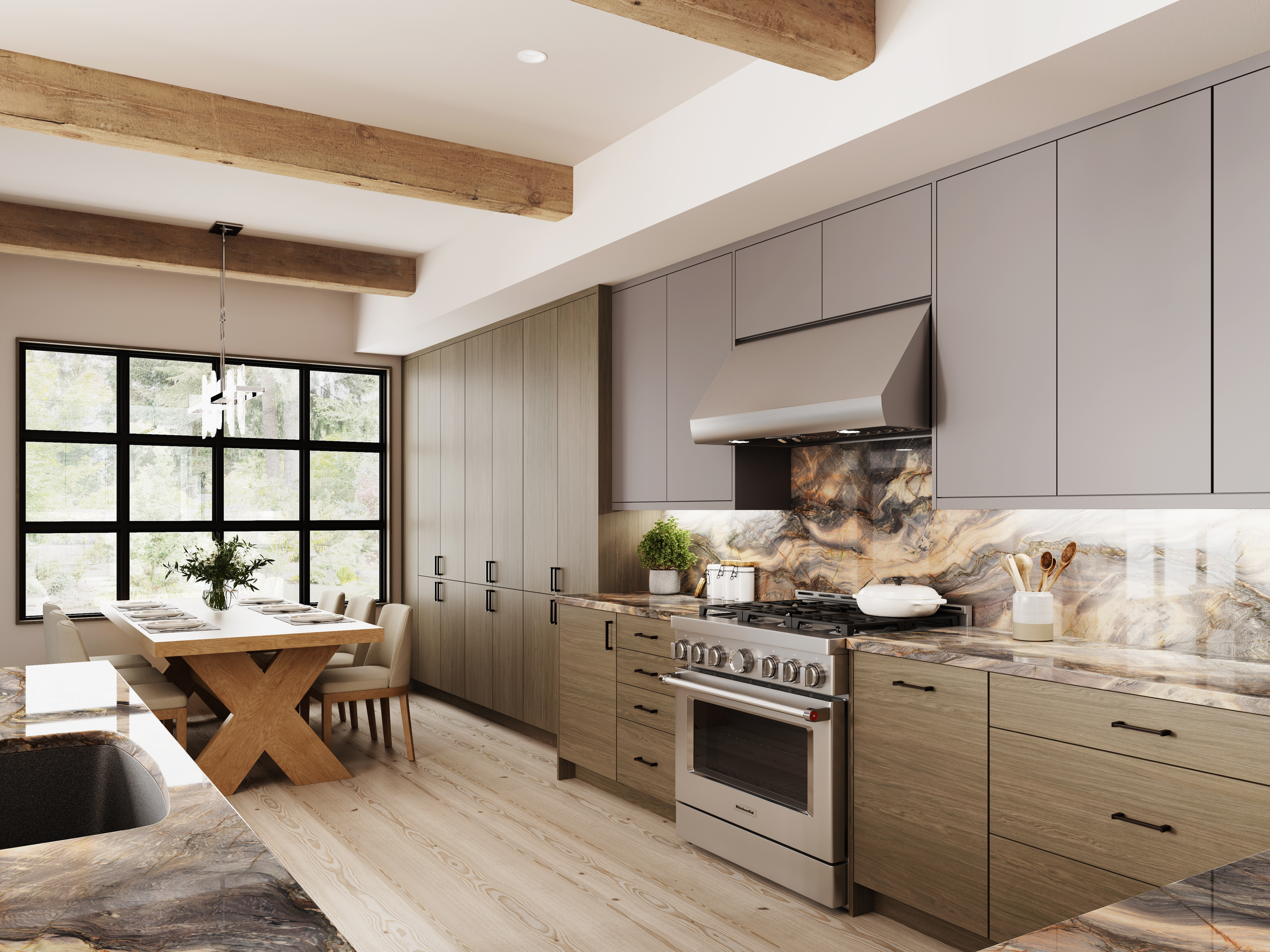
Credit: www.signaturedesignskitchenbath.com
Kitchen Layouts
Designing a kitchen with a good workflow makes cooking easier. The layout helps you move smoothly between tasks.
There are several popular kitchen layouts. Each design fits different spaces and needs.
U-shaped Design
The U-shaped kitchen has counters on three sides. It offers plenty of storage and workspace.
This layout keeps all kitchen zones close. It suits medium to large rooms well.
- Good for multiple cooks
- Provides lots of counter space
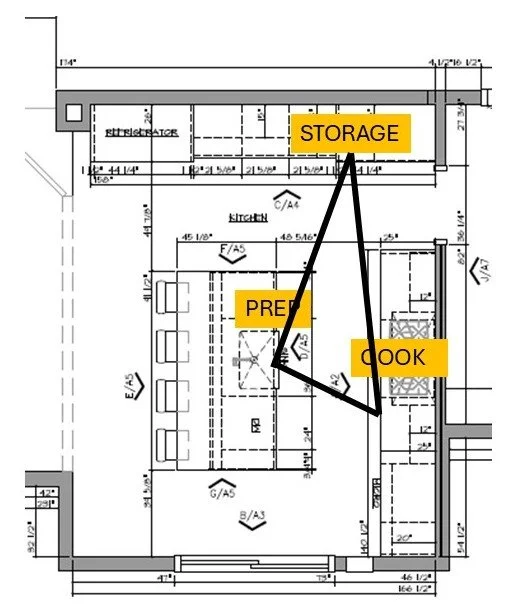
- Creates an efficient work triangle
L-shaped Design
The L-shaped kitchen uses two walls at a right angle. It opens the room and saves space.
This design works well in small and open-plan kitchens. It allows easy movement between zones.
- Fits corner spaces efficiently
- Offers flexible dining area options
- Allows for good workflow paths
Galley Style
The galley kitchen has two parallel counters. It uses narrow spaces well and maximizes storage.
This layout keeps everything within reach. It is ideal for small homes or apartments.
- Good for one or two cooks
- Creates a clear work triangle
- Maximizes cabinet space
Island Layout
The island kitchen adds a freestanding counter in the center. It provides extra workspace and storage.
This design suits large kitchens with open space. The island can be used for cooking or dining.
- Offers additional seating options
- Enhances kitchen social space
- Allows multiple work zones
Zones For Efficiency
Designing a kitchen with zones helps make tasks easier and faster. Each zone focuses on a specific part of kitchen work.
Organizing your kitchen into zones improves movement and keeps tools nearby. It saves time and reduces mess.
Preparation Zone
This area is where you get food ready before cooking. It should have enough counter space for chopping and mixing.
Keep knives, cutting boards, and mixing bowls close. A trash bin nearby helps with quick cleanup.
- Counter space for chopping and mixing
- Storage for knives and cutting boards
- Easy access to bowls and measuring tools
- Trash bin nearby for scraps
Cooking Zone
The cooking zone includes the stove, oven, and microwave. It should be easy to move between these appliances.
Keep pots, pans, and cooking utensils close to this zone. This setup helps you cook without searching for tools.
- Stove and oven placement together
- Nearby storage for pots and pans
- Hooks or drawers for cooking utensils
- Clear counter space for hot dishes
Cleaning Zone
This zone includes the sink, dishwasher, and trash area. It should be near the cooking and preparation zones.
Keep cleaning supplies and dish racks here. It helps to have easy access to water and waste disposal.
- Sink and dishwasher close together
- Storage for cleaning supplies
- Trash and recycling bins nearby
- Space for drying dishes or racks
Storage Zone
This zone holds your food, dishes, and kitchen tools. It should be near the preparation and cooking zones.
Use cabinets, pantries, and drawers to keep items organized. Group similar items together for quick access.
- Pantry for dry foods and spices
- Cabinets for dishes and glassware
- Drawers for utensils and gadgets
- Organize by type and frequency of use
Choosing Appliances
Choosing the right appliances is key to a kitchen with good flow. Appliances should fit your space and meet your needs.
Think about how you use your kitchen and pick appliances that help you work faster and easier.
Size And Placement
Appliance size affects how much space you have for cooking and moving around. Large appliances need more room.
Place appliances where you use them most. Keep the fridge near the prep area and the oven close to the counter.
- Measure doorways and spaces before buying
- Leave enough clearance to open doors fully
- Keep the cooking triangle in mind: fridge, sink, stove
Energy Efficiency
Energy-efficient appliances save money and reduce waste. They use less power but still work well.
Look for Energy Star labels or similar ratings. These show that appliances meet energy-saving standards.
- Choose LED lighting in appliances
- Pick refrigerators with good insulation
- Use induction cooktops for faster heating
Essential Vs. Optional
Decide which appliances you really need and which ones are extra. Essential appliances fit your daily habits.
Optional appliances can add convenience but take up space and cost more. Choose wisely based on your kitchen size.
- Essentials: refrigerator, stove, oven, sink
- Optional: dishwasher, microwave, wine cooler
- Think about which tools you use often
Ergonomics And Comfort
Designing a kitchen with ergonomics in mind helps reduce strain and fatigue. A comfortable kitchen lets you work longer without discomfort.
Focusing on the right heights, lighting, and flooring improves how you move and work in the space. Small changes can make a big difference in comfort.
Countertop Heights
Choosing the correct countertop height helps prevent back pain and makes cooking easier. The height should match your comfort level and tasks.
- Standard height is usually 36 inches, good for most adults.
- Lower heights work well for baking or sitting tasks.
- Taller counters suit people who are above average height.
- Consider adjustable or varied heights for different kitchen zones.
Lighting Solutions
Good lighting reduces eye strain and helps you see clearly while cooking. Use a mix of natural and artificial light for the best effect.
| Lighting Type | Use | Benefit |
| Overhead Lighting | General illumination | Brightens entire kitchen |
| Task Lighting | Work areas | Improves visibility for cooking and prep |
| Accent Lighting | Decorative spots | Adds warmth and style |
| Natural Light | Windows and skylights | Boosts mood and reduces energy use |
Flooring Considerations
Flooring impacts comfort and safety in the kitchen. Choose materials that reduce fatigue and prevent slips.
Here are key points to consider for kitchen flooring:
- Soft flooring like cork or rubber cushions your feet.
- Non-slip surfaces reduce risk of accidents.
- Easy-to-clean materials save time and effort.
- Durable floors handle heavy traffic and spills.
Storage Solutions
Designing a kitchen with a functional workflow means smart storage is key. Good storage keeps everything tidy and easy to find.
Organizing your kitchen storage well saves time and makes cooking more enjoyable. Let’s look at some ways to improve storage.
Cabinet Options
Choose cabinets that fit your kitchen size and style. Cabinets with drawers and shelves help keep items organized.
Look for cabinets with soft-close doors and pull-out shelves. These features make it easier to access your items.
- Base cabinets with deep drawers for pots and pans
- Wall cabinets with adjustable shelves
- Corner cabinets with lazy Susans for better reach
- Tall cabinets for storing appliances and baking trays
Pantry Organization
A well-organized pantry keeps food fresh and easy to find. Use clear containers to see what you have at a glance.
Group similar items together. Label shelves or containers to make finding things quick and simple.
- Use airtight containers for dry goods
- Install pull-out shelves for easy access
- Keep snacks on lower shelves for kids
- Store baking ingredients together
Utilizing Vertical Space
Make use of vertical space to add more storage. Tall shelves and hooks can hold many items without cluttering counters.
Hang pots, pans, and utensils on wall racks. Use stacking shelves inside cabinets to fit more dishes.
- Install ceiling-mounted pot racks
- Add hooks under cabinets for mugs and tools
- Use tall shelving units for cookbooks and baskets
- Place spice racks on cabinet doors
Material Selection
Choosing the right materials is key to designing a kitchen with a good workflow. Materials affect how your kitchen looks and works daily.
Think about durability, style, and cost before picking materials for your kitchen surfaces and cabinets.
Durability And Maintenance
Materials in your kitchen face heat, water, and stains. Pick ones that last and are easy to clean to keep your kitchen functional.
- Granite and quartz resist scratches and stains well.
- Laminate is affordable but less durable over time.
- Wood offers warmth but needs regular sealing to avoid damage.
- Stainless steel cleans easily and handles heat but can scratch.
Aesthetic Appeal
Your kitchen style depends on the materials you choose. Pick colors and textures that match your taste and the home’s look.
| Material | Look | Style Fit |
| Marble | Glossy, elegant | Classic, modern |
| Concrete | Matte, industrial | Modern, rustic |
| Tile | Colorful, patterned | Traditional, eclectic |
| Wood | Warm, natural | Rustic, farmhouse |
Budget-friendly Choices
Materials vary in price. Choose options that fit your budget without losing quality or style.
- Laminate is cost-effective and easy to install.
- Engineered wood offers a wood look at a lower price.
- Tile provides many styles and costs less than stone.
- Recycled materials can save money and help the environment.
Incorporating Technology
Designing a kitchen with a functional workflow includes adding useful technology. Technology helps save time and makes tasks easier.
Smart devices and systems can improve how you cook and manage your kitchen space. Let’s explore some key technologies.
Smart Appliances
Smart appliances connect to your phone or voice assistant. They help you control cooking, cooling, and cleaning with ease.
- Refrigerators that track groceries and suggest recipes
- Ovens with remote controls and preset cooking modes
- Dishwashers that adjust water use based on load size
- Microwaves with sensor cooking for better results
Automation Systems
Automation systems handle tasks automatically to reduce effort. They improve efficiency in daily kitchen activities.
| Automation Feature | Function | Benefit |
|---|---|---|
| Lighting Control | Adjusts brightness and color | Saves energy and sets mood |
| Temperature Regulation | Maintains room and appliance temperature | Keeps food fresh and appliances safe |
| Voice Commands | Controls devices by voice | Hands-free convenience |
| Motion Sensors | Detects presence to activate devices | Improves safety and energy use |
Wi-fi Connectivity
Wi-Fi connects devices so they can share data and work together. It also lets you control your kitchen from anywhere.
- Check and adjust appliance settings remotely
- Receive alerts for maintenance or issues
- Sync schedules and timers across devices
- Use apps to plan meals and shopping lists

Credit: www.signaturedesignskitchenbath.com
Personalization And Style
Designing a kitchen with a functional workflow is important. Personalizing the space adds comfort and style. You can create a kitchen that fits your needs and looks great.
Choosing the right colors, decorations, and balance makes your kitchen both useful and beautiful. Focus on how you use the space and how it reflects your taste.
Color Schemes
Colors set the mood in your kitchen. Light colors can make the space look bigger and brighter. Dark colors add warmth and a modern feel. Use colors that match your personality and the style of your home.
- Use soft pastels for a calm, relaxing space
- Choose bold colors for a lively and energetic kitchen
- Mix neutral shades for a timeless and clean look
- Consider the colors of cabinets, walls, and countertops together
Decorative Elements
Decorations add personality and style. Small details can change the kitchen’s look. Choose pieces that fit your taste but do not clutter the space.
Popular decorative elements to consider:
- Colorful backsplash tiles
- Unique cabinet handles
- Open shelves with stylish dishes
- Artwork or wall decals
Balancing Function And Aesthetics
A kitchen should be pretty and practical. You need space to cook and move easily. At the same time, the kitchen must look inviting and neat.
| Function | Style |
| Easy-to-clean surfaces | Attractive countertop materials |
| Good lighting for cooking | Decorative pendant lights |
| Ample storage space | Organized and matching storage containers |
| Clear work zones | Color coordination between zones |
Budget Planning
Designing a kitchen with a functional workflow requires careful budget planning. Knowing your budget helps make smart decisions.
Planning ahead avoids overspending and keeps the project on track. Let’s explore how to manage your budget well.
Cost Estimation
Estimate the total cost before starting your kitchen design. Include all elements like materials, appliances, and labor.
| Item | Estimated Cost |
| Cabinetry | $3,000 – $6,000 |
| Countertops | $1,500 – $4,000 |
| Appliances | $2,000 – $5,000 |
| Lighting | $500 – $1,200 |
| Labor | $1,000 – $3,000 |
Prioritizing Needs
Decide which parts of the kitchen are most important. Focus on features that improve workflow and daily use.
- Choose durable materials for work surfaces
- Invest in quality appliances that fit your cooking style
- Plan storage space to reduce clutter
- Consider lighting to enhance visibility and safety
Saving Tips
Save money by making smart choices without losing quality. Small changes can add up to big savings.
Try these saving tips:
- Shop for sales on appliances and materials
- Reuse or refinish existing cabinets
- Do simple tasks yourself, like painting
- Compare quotes from different contractors
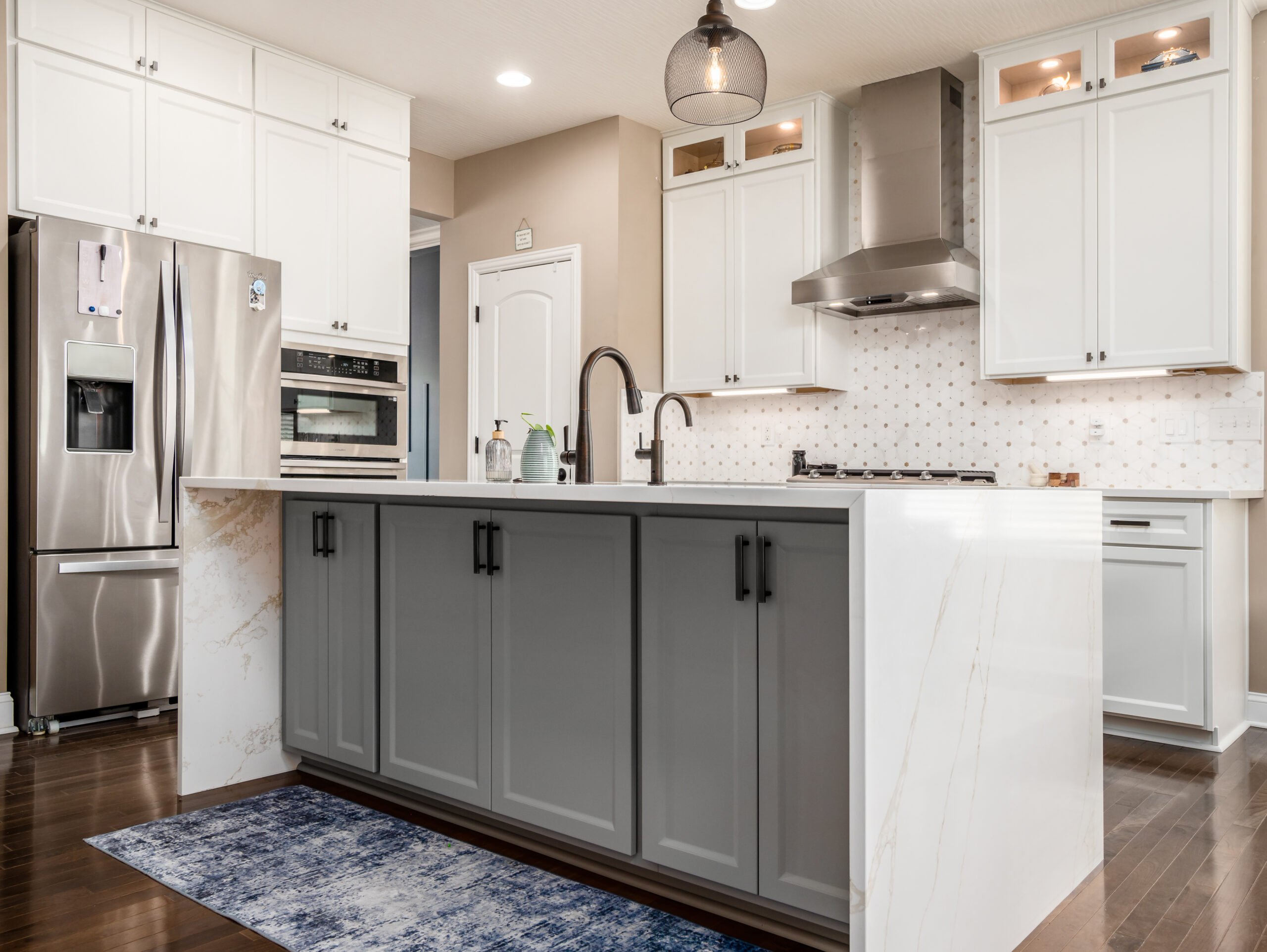
Credit: kitchensolvers.com
Frequently Asked Questions
What Is A Functional Workflow In Kitchen Design?
A functional workflow ensures smooth movement between cooking, cleaning, and storage areas. It reduces clutter and saves time by organizing tasks logically. This design enhances efficiency and comfort in your kitchen space.
How To Plan Kitchen Zones Effectively?
Divide your kitchen into zones like prep, cooking, cleaning, and storage. Keep related tools and appliances close to each zone. This arrangement minimizes unnecessary movement and improves overall kitchen workflow.
Why Is The Kitchen Work Triangle Important?
The work triangle connects the sink, stove, and refrigerator. It optimizes space and reduces walking distance during cooking. A well-designed triangle boosts kitchen efficiency and makes cooking easier.
How To Choose Appliances For Better Workflow?
Select appliances that fit your kitchen size and workflow zones. Ensure easy access and proper spacing between them. This choice enhances usability and supports a smooth kitchen process.
Conclusion
Designing a kitchen with a smooth workflow saves time and effort. Keep the cooking, cleaning, and storage areas close but separate. Choose layouts that let you move easily between tasks. Use simple tools and clear spaces to avoid clutter. A functional kitchen makes cooking more fun and less tiring.
Small changes can make a big difference. Plan carefully to enjoy your kitchen every day.