
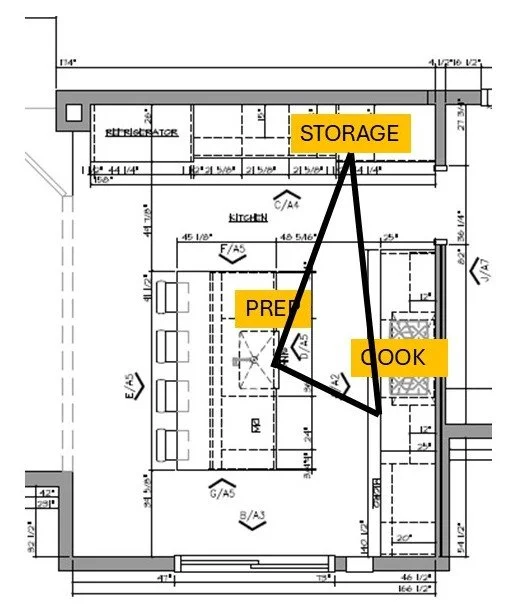
Are you tired of a cluttered kitchen where finding what you need feels like a scavenger hunt? Designing your kitchen with functional storage zones can change that.
Imagine reaching for ingredients, utensils, or appliances exactly when you need them—no more digging through drawers or cabinets. You’ll discover simple, practical ways to organize your kitchen so everything has its place. By the end, you’ll know how to create a space that works for you, making cooking easier and more enjoyable.
Ready to transform your kitchen into a well-organized haven? Let’s dive in.
Assessing Space And Needs
Designing a kitchen with functional storage starts by looking at your space carefully. You need to know what you have and what you want.
Understanding your kitchen’s size and your storage needs helps plan zones that work well for cooking and cleaning.
Measure Your Kitchen Space
Take exact measurements of your kitchen. Include walls, windows, doors, and appliances. Knowing your space helps fit storage zones correctly.
Draw a simple floor plan with your measurements. This plan will guide where to place cabinets and shelves.
List Your Storage Needs
Think about what items you store in your kitchen. Group items by type, like pots, dishes, or food.
- Cookware and utensils
- Food and spices
- Small appliances
- Cleaning supplies
- Dishware and glassware
Knowing what you store helps create zones that keep your kitchen neat and easy to use.
Consider How You Use Your Kitchen
Think about your daily kitchen activities. Do you cook often? Do you need space for kids to help?
Your habits show which zones need more space and which can be smaller.
- Cooking and food prep
- Cleaning and dishwashing
- Storage and pantry needs
- Eating and socializing
Identify Problem Areas
Look for spots that feel crowded or hard to reach. These may need better storage solutions.
Fixing these areas makes your kitchen safer and easier to use every day.

Credit: www.designcafe.com
Identifying Key Storage Zones
Designing a kitchen with functional storage zones helps keep things organized. Each zone serves a specific purpose for easy access.
Knowing these zones makes cooking and cleaning faster. It also reduces clutter in your kitchen.
Pantry Zone
The pantry zone stores dry foods like rice, pasta, and canned goods. It should be near the cooking area for convenience.
Use shelves and clear containers to keep food visible and fresh. Label items to find them quickly.
- Dry goods
- Spices and herbs
- Snacks and baking supplies
- Bulk items
Cooking Utensils Zone
This zone holds tools you use for cooking, like knives and spatulas. Place it close to the stove for easy reach.
Drawer organizers or utensil holders keep items neat. Store pots and pans nearby for quick access.
- Knives and cutting boards
- Spoons, spatulas, and ladles
- Pots and pans
- Measuring cups and spoons
Dishware And Glassware Zone
Keep plates, bowls, and glasses near the dining area or dishwasher. This makes setting the table easier.
Use cabinets with shelves or racks to store dishware. Separate items by type for quick selection.
- Plates and bowls
- Glasses and cups
- Serving dishes
- Silverware and cutlery
Cleaning Supplies Zone
Store cleaning items like detergents and sponges under the sink or in a nearby cabinet. Keep them out of reach of children.
Organize supplies with bins or baskets. This keeps everything tidy and easy to find.
- Dish soap and sponges
- All-purpose cleaners
- Trash bags and recycling bins
- Cleaning cloths and brushes
Maximizing Space Efficiency
Designing a kitchen with smart storage zones helps save space. It makes cooking easier and keeps your kitchen tidy.
Using space well means thinking about every corner. Organize so you can reach what you need fast.
Using Vertical Space
Vertical space is often empty but can hold many items. Use tall shelves or wall racks to store pots, pans, and spices.
- Install shelves up to the ceiling
- Use hooks for hanging utensils
- Add magnetic strips for knives
- Place baskets on top shelves for extra storage
Drawer And Cabinet Organization
Drawers and cabinets should keep things sorted and easy to find. Use dividers and containers to separate items.
| Storage Type | Best Use | Tip |
| Deep drawers | Storing pots and pans | Use adjustable dividers |
| Shallow drawers | Cutlery and utensils | Use small trays |
| Cabinet shelves | Plates and bowls | Add shelf risers |
| Pull-out cabinets | Spices and canned goods | Label containers |
Multi-purpose Furniture
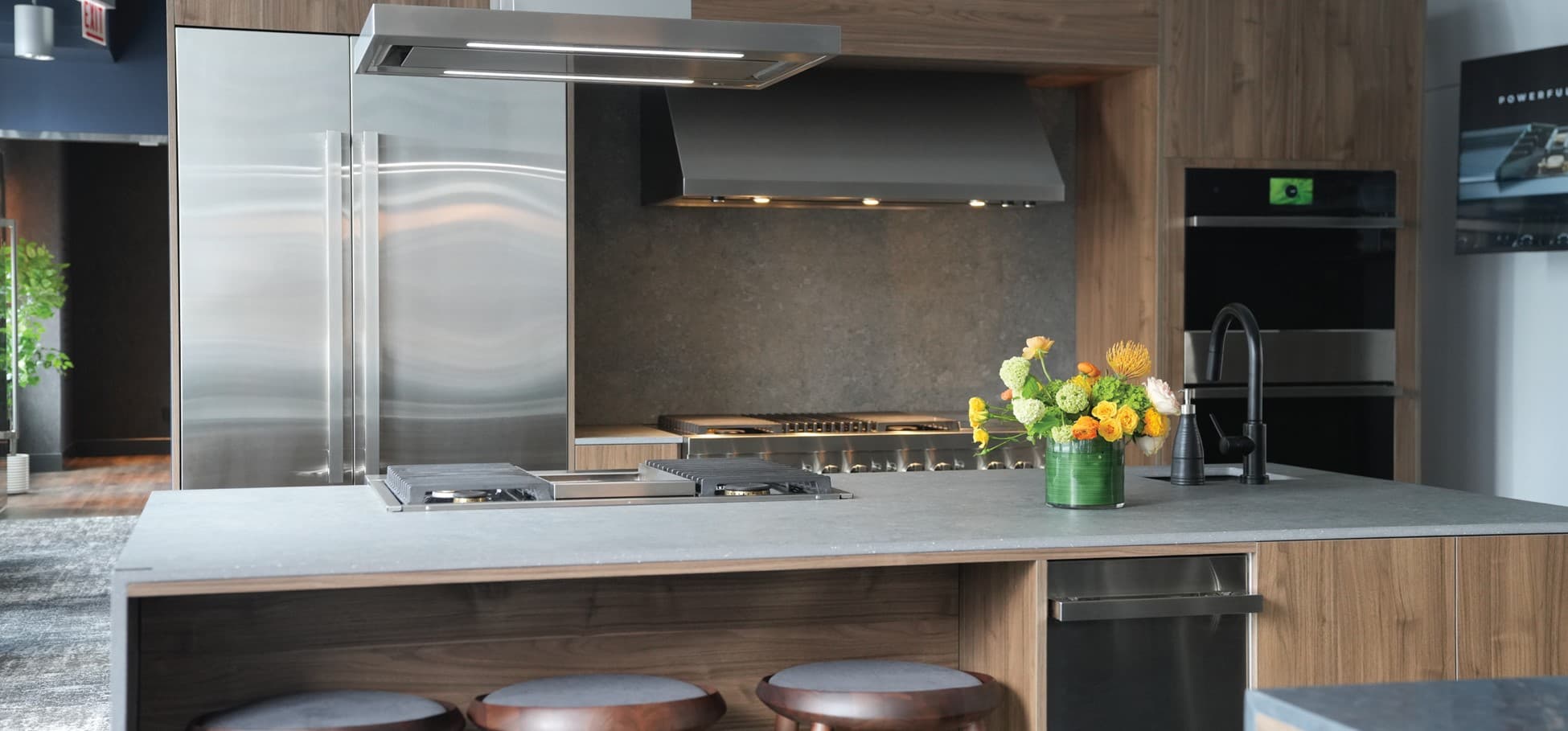
Furniture that serves more than one purpose saves space and adds function. Choose pieces that offer storage and work areas.
Examples of multi-purpose furniture:
- Kitchen islands with built-in shelves or drawers
- Benches with hidden storage compartments
- Fold-down tables that create extra counter space
Credit: www.fabuwood.com
Incorporating Innovative Storage Solutions
Designing a kitchen with practical storage zones helps keep your space tidy. Using smart storage ideas makes cooking easier.
Innovative storage solutions save space and keep items within reach. They help organize kitchen tools and ingredients well.
Pull-out Shelves
Pull-out shelves slide out smoothly to reveal stored items. They make deep cabinets easy to access and organize.
- Use pull-out shelves for pots, pans, and small appliances.
- Install soft-close mechanisms to avoid noise and damage.
- Adjust shelf height to fit different kitchen items.
Lazy Susans
Lazy Susans rotate to show all items on a shelf. They fit well in corner cabinets or small spaces.
| Type | Best Use | Material |
| Two-Tier | Spices and jars | Wood or plastic |
| Corner | Large pots and pans | Metal or wood |
| Mini | Condiments and small bottles | Plastic |
Built-in Organizers
Built-in organizers keep utensils and tools tidy. They fit inside drawers or cabinets to save counter space.
Common built-in organizer types:
- Cutlery trays with separate sections
- Spice racks built into cabinet doors
- Vertical dividers for baking sheets and trays
Optimizing Accessibility
Designing a kitchen with easy access helps save time and effort. Keeping items within reach reduces strain. A well-planned kitchen feels comfortable and efficient.
Organizing storage zones by how often you use items improves daily cooking. This guide shares tips for making your kitchen more accessible.
Easy Reach Strategies
Place the most used items where you can reach them quickly. Store pots, pans, and utensils near the stove. Keep plates and glasses close to the dishwasher or sink.
- Use drawers instead of high cabinets for daily items
- Install pull-out shelves to access deep cabinets easily
- Group similar items together to find them fast
- Place heavy items on lower shelves to avoid lifting strain
Ergonomic Design Tips
Good kitchen design supports natural body movements. Arrange work areas to minimize bending, stretching, and twisting. This reduces fatigue and risk of injury.
| Zone | Recommended Height | Reason |
| Preparation Area | Waist to elbow height | Comfortable for chopping and mixing |
| Cooking Zone | Eye level to waist | Easy access to stove controls and utensils |
| Storage | Between knee and shoulder height | Reduces reaching and bending |
| Cleaning Area | Waist height | Minimizes back strain when washing |
Balancing Aesthetics With Functionality
Designing a kitchen means making it look good and work well. Functional storage zones help keep things organized.
Good design balances style and ease of use. This makes cooking and cleaning easier and more enjoyable.
Choosing Stylish Storage Options
Pick storage that looks nice and fits your needs. Use cabinets, drawers, or open shelves with clean lines.
Materials like wood, glass, or metal add style while keeping things neat. Choose handles and knobs that match your kitchen’s look.
- Use pull-out drawers for easy access
- Add glass doors for a light, open feel
- Include baskets or bins for small items
- Install hooks for hanging pots and pans
Blending With Kitchen Decor
Make storage zones match your kitchen style. Choose colors and finishes that blend with walls and furniture.
Keep the storage design simple if your kitchen is busy. Use bold storage pieces if the kitchen is plain to add interest.
- Match cabinet colors with countertops
- Use wood tones to warm up modern kitchens
- Pick metal finishes that match appliances
- Keep open shelves tidy with matching containers
Planning For Future Needs
Designing a kitchen with functional storage zones means thinking ahead. Your kitchen should grow with your needs.
Planning for future needs helps keep your kitchen organized and efficient over time.
Scalable Storage Solutions
Choose storage options that can expand or shrink as needed. Adjustable shelves and modular units work well.
These solutions let you add more space or remove unused sections easily.
- Use pull-out drawers with adjustable dividers
- Install shelving that can change height
- Select cabinets with removable shelves
- Consider stackable storage containers
Adapting To Lifestyle Changes
Your kitchen should fit your lifestyle as it changes. Storage needs vary with family size and habits.
Think about how your cooking and eating habits might change in the future.
- Plan extra space for growing families
- Include easy-to-reach storage for seniors
- Design zones for meal prepping or baking
- Allow room for new kitchen gadgets or tools
Budgeting For Kitchen Storage Design
Designing a kitchen with good storage zones needs careful budgeting. You want to save money but still get functional storage.
Knowing where to spend and where to save helps you create a kitchen that works well without costing too much.
Cost-effective Materials
Choosing the right materials can lower your costs. Some materials look good and last long but cost less.
Materials like plywood and laminate are cheaper than solid wood. They also resist moisture and stains well.
- Plywood: Strong and affordable for cabinets
- Laminate: Easy to clean and budget-friendly for surfaces
- MDF: Smooth finish for painted cabinets
- Wire racks: Good for pantry and easy to install
Diy Vs. Professional Help
Doing storage work yourself saves money but takes time and skill. You can fix small storage with simple tools.
Hiring a professional costs more but gives better results. Pros avoid mistakes and finish faster.
- DIY: Lower cost, more time, needs skill
- Professional: Higher cost, less time, expert quality

Credit: www.momwithfive.com
Frequently Asked Questions
What Are Functional Storage Zones In Kitchen Design?
Functional storage zones group kitchen items by use, improving workflow. Common zones include prep, cooking, cleaning, and pantry areas. This organization saves time and keeps the kitchen tidy. Proper zoning enhances convenience and efficiency during meal preparation.
How Do I Create Effective Kitchen Storage Zones?
Start by analyzing your cooking habits and kitchen layout. Assign zones for prep, cooking, cleaning, and storage. Use cabinets, drawers, and shelves strategically. Keep frequently used items accessible within each zone. Label zones if needed to maintain organization.
Which Kitchen Items Belong In Each Storage Zone?
Prep zones store knives, cutting boards, and mixing bowls. Cooking zones hold pots, pans, and utensils. Cleaning zones include dish soaps and sponges. Pantry zones contain dry goods, canned foods, and spices. Grouping items by use improves kitchen workflow.
How Can Storage Zones Improve Kitchen Efficiency?
Storage zones reduce movement by placing items near their usage area. This minimizes time spent searching for tools or ingredients. It creates a smooth cooking process and reduces clutter. Efficient zones make cooking faster and more enjoyable.
Conclusion
Designing a kitchen with clear storage zones saves time and reduces stress. Keep items close to where you use them most. Group similar tools and foods together for easy access. Use shelves, drawers, and containers to stay organized. A well-planned kitchen feels comfortable and works smoothly.
Small changes can make a big difference daily. Start with simple steps and adjust as needed. Enjoy cooking in a neat, functional space that fits your needs.