
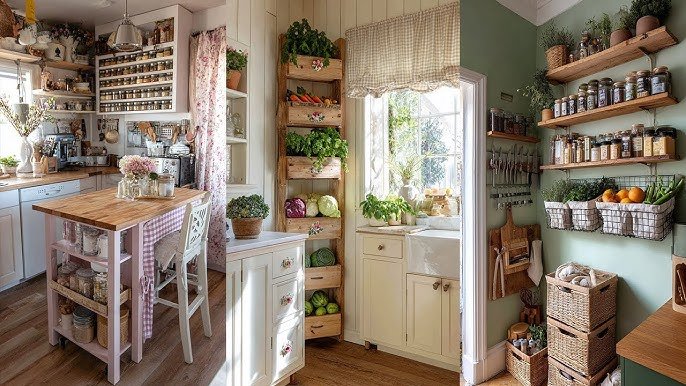
Your kitchen should be more than just a place to cook—it should be a space where everything works smoothly and feels just right. But how do you make sure your kitchen furniture is both stylish and truly functional?
Designing a kitchen with functional furniture can transform your daily routine, saving you time and reducing stress. You’ll discover simple yet powerful tips to create a kitchen that fits your needs perfectly. Ready to turn your kitchen into a smart, efficient space you’ll love?
Keep reading, and let’s make it happen together.

Credit: www.momwithfive.com
Key Considerations For Kitchen Layout
Designing a kitchen requires careful thought about how space and furniture work together. A good layout makes cooking and cleaning easier.
Focus on how you move in the kitchen and how each area serves its purpose. This helps create a functional and comfortable space.
Work Triangle Concept
The work triangle links the three main kitchen areas: the sink, stove, and refrigerator. This design reduces walking time and effort.
- Keep the triangle sides between 4 and 9 feet
- Avoid obstacles inside the triangle
- Place each point in easy reach of the others
- Ensure enough countertop space near each point
Space Optimization
Make the most of your kitchen size by using smart furniture and storage solutions. Use vertical space and corners well.
| Area | Tip |
| Cabinets | Use tall units to increase storage |
| Countertops | Keep clear for prep work |
| Corners | Add rotating shelves or pull-outs |
| Floor | Choose easy-to-clean materials |
Zoning For Efficiency
Zoning means grouping kitchen tasks into areas. This helps keep the kitchen organized and speeds up work.
Common Kitchen Zones
- Cooking Zone:Stove, oven, and cooking tools
- Cleaning Zone:Sink, dishwasher, and trash
- Storage Zone:Refrigerator, pantry, and cabinets
- Preparation Zone:Countertops and cutting boards
Choosing Functional Furniture
Choosing the right furniture is key to a kitchen that works well. Functional furniture helps you save space and stay organized.
Look for pieces that match your kitchen size and style. Focus on furniture that adds convenience and comfort.
Types Of Kitchen Furniture
Kitchen furniture comes in many types. Common pieces include cabinets, islands, and dining sets. Each serves a purpose.
- Cabinets:Store dishes, utensils, and pantry items.
- Kitchen Islands:Provide extra counter space and storage.
- Dining Sets:Offer a place to eat and gather.
- Shelves:Display items and keep essentials close.
Multifunctional Pieces
Furniture that serves more than one purpose saves room and adds value. These pieces fit well in small kitchens.
- Tables with storage drawers
- Benches that open for extra space
- Fold-out counters for extra work area
- Chairs that stack or fold
Space-saving Designs
Space-saving furniture helps keep your kitchen open and easy to move in. Look for designs that fit well in tight spots.
| Design | Benefit |
| Wall-mounted shelves | Frees up floor space |
| Pull-out cabinets | Easy access to items |
| Foldable tables | Can be stored when not in use |
| Corner units | Use unused corners effectively |
Materials And Finishes
Choosing the right materials and finishes is key for a functional kitchen. They affect how your furniture lasts and looks every day.
Focus on options that fit your lifestyle and make cleaning easy. This helps keep your kitchen practical and beautiful.
Durability And Maintenance
Kitchen furniture needs to resist wear and tear. Surfaces should handle spills, heat, and scratches without damage.
- Choose hardwoods like oak or maple for strong cabinets
- Use laminate or quartz for easy-to-clean countertops
- Select finishes that repel water and stains
- Pick materials that need little polishing or sealing
Aesthetic Appeal
Materials and finishes set the kitchen’s style and mood. They should match your taste and the rest of your home.
| Material | Look | Common Finish |
| Wood | Warm and classic | Matte or gloss varnish |
| Metal | Modern and sleek | Brushed or polished |
| Stone | Natural and elegant | Polished or honed |
| Glass | Light and airy | Frosted or clear |
Eco-friendly Options
Look for materials that protect the environment. They help reduce waste and save energy.
- Use reclaimed wood to lower deforestation
- Choose bamboo for fast-growing, renewable furniture
- Pick finishes with low or no harmful chemicals
- Recycle or reuse old kitchen pieces when possible
:max_bytes(150000):strip_icc()/GettyImages-1815256528-1b3dabf321c94911a2a0e73e72c6fed6.jpg)
Credit: www.thespruce.com
Incorporating Storage Solutions
Designing a kitchen with functional furniture means adding smart storage options. Good storage keeps your kitchen clean and easy to use.
Using the right furniture can help you save space and organize your items better. This makes cooking and cleaning faster.
Cabinet Innovations
Modern cabinets offer many new features to improve storage. Pull-out shelves and hidden compartments make items easy to reach.
Soft-close doors prevent noise and protect your kitchen furniture. Tall cabinets use vertical space well and store large items.
- Pull-out shelves for easy access
- Hidden compartments for small items
- Soft-close doors to reduce noise
- Tall cabinets for extra storage
Drawer Organizers
Drawer organizers keep utensils and tools tidy. They stop items from mixing and help find things quickly.
Use adjustable dividers to fit different drawer sizes. Special trays can store knives, spices, or small gadgets safely.
- Separate utensils and tools
- Adjustable dividers for flexibility
- Knife trays for safety
- Spice racks for easy access
Open Shelving Ideas
Open shelves create a light and airy kitchen look. They keep often-used items within reach and add style to the room.
Use baskets or containers to organize items on open shelves. This keeps things neat while showing off your kitchenware.
- Store everyday dishes and cups
- Use baskets for small items
- Display decorative jars and bowls
- Keep shelves clean and organized
Balancing Style And Functionality
Designing a kitchen means mixing how it looks with how it works. Functional furniture helps you use space well. Style makes the kitchen feel like part of your home.
Good design keeps your kitchen easy to use and pleasant to see. This guide covers how to balance both sides for a perfect kitchen.
Harmonizing With Home Decor
Your kitchen furniture should match the rest of your home. This creates a smooth and calm look. Choose colors and shapes that fit with your living room and dining area.
- Pick furniture finishes that echo your home’s style
- Match wood tones or paint colors with nearby rooms
- Use similar hardware for kitchen and other furniture
- Keep a consistent style, like modern or rustic, throughout
Personal Style Reflection
Your kitchen should show who you are. Think about your tastes and daily habits. This helps pick furniture that fits your needs and personality.
| Style | Furniture Features | Benefits |
| Minimalist | Sleek lines, hidden storage | Less clutter, easy cleaning |
| Traditional | Wood cabinets, ornate details | Warm feel, classic look |
| Industrial | Metal finishes, open shelves | Durable, modern vibe |
| Eclectic | Mix of colors and textures | Unique, personal touch |
Trends In Kitchen Design
Kitchen design changes with new ideas. Some trends help balance style with function. Look for what fits your space and lifestyle.
Popular Kitchen Furniture Trends
- Multi-use islands with storage and seating
- Pull-out cabinets for small items
- Open shelving to display favorite dishes
- Compact dining nooks inside the kitchen
- Eco-friendly materials that last longer
Lighting And Ambiance
Lighting plays a big role in how your kitchen looks and feels. Good lighting makes your kitchen safer and easier to use.
Choosing the right lighting types helps create a warm and inviting space. It also highlights your kitchen’s best features.
Task Lighting Importance
Task lighting focuses on areas where you cook and prepare food. It helps you see clearly while chopping, mixing, or reading recipes.
Good task lighting reduces shadows and eye strain. It makes cooking safer and more comfortable.
- Under-cabinet lights brighten countertops
- Adjustable spotlights focus on work zones
- Bright bulbs improve visibility for detailed tasks
Ambient Lighting Options
Ambient lighting gives your kitchen overall light. It sets the main mood and makes the space feel open.
Choose soft, warm lights for a cozy feel. You can use ceiling lights, chandeliers, or recessed lights.
- Ceiling-mounted fixtures spread light evenly
- Recessed lights offer a clean look
- Dimmer switches control light brightness
Accent Lighting Effects
Accent lighting highlights specific areas or objects in your kitchen. It adds style and draws attention to details.
Use accent lights to show off artwork, plants, or shelves. It helps create visual interest and depth.
- LED strips under cabinets or shelves
- Spotlights on art or decor pieces
- Colored lights for a unique look
Appliances Integration
Designing a kitchen with functional furniture means thinking about appliances. Appliances should fit well and work smoothly with the kitchen layout.
Integrating appliances helps keep the kitchen clean and organized. It also makes cooking easier and faster.
Built-in Appliances
Built-in appliances save space and create a neat look. They fit inside cabinets or walls, making the kitchen feel larger.
- Wall ovens and microwaves
- Built-in refrigerators
- Dishwashers hidden behind cabinet doors
- Integrated cooktops with ventilation
Smart Technology In Kitchens
Smart appliances make the kitchen more functional. You can control them with your phone or voice.
- Smart refrigerators that track groceries
- Ovens with remote control and timers
- Voice-activated coffee makers
- Automatic lighting and temperature control
Energy Efficiency
Energy-efficient appliances save money and help the environment. They use less power and water.
| Appliance Type | Energy Star Rating | Average Energy Use |
| Refrigerator | Yes | 100-200 kWh/year |
| Dishwasher | Yes | 210-300 kWh/year |
| Oven | Varies | 1000-1500 kWh/year |
| Cooktop | Varies | 1500-2000 kWh/year |
Maximizing Small Kitchen Spaces
Designing a kitchen in a small space can be a challenge. Using smart furniture and clever ideas helps. It makes the kitchen both useful and nice to look at.
Focus on furniture that fits well, using walls smartly, and tricks that make the room seem bigger. These ideas improve how you cook and live in the kitchen.
Compact Furniture Solutions
Choose furniture that fits small spaces but offers many uses. Pieces that fold or slide save room. Look for chairs and tables that tuck away easily.
- Fold-down tables that attach to walls
- Stackable or foldable chairs
- Pull-out cutting boards and shelves
- Compact kitchen islands on wheels
- Corner cabinets to use every inch
Vertical Space Utilization
Use wall space to keep counters clear. High shelves and hanging racks hold tools and ingredients. Vertical storage keeps things easy to reach and organized.
| Vertical Storage Type | Use |
| Wall-mounted shelves | Store spices, dishes, and jars |
| Hanging pot racks | Keep pots and pans off counters |
| Magnetic knife strips | Save drawer space for utensils |
| Hooks and pegboards | Hang tools and small baskets |
Illusion Of Space
Make the kitchen look bigger with color and light tricks. Light colors and good lighting open up the room. Mirrors and clear furniture help too.
Tips for Creating Space Illusion:
- Use pale paint colors on walls and cabinets
- Install bright, warm lighting in key areas
- Place a mirror to reflect natural light
- Choose transparent or glass furniture pieces
- Keep the floor clear and simple
Budget-friendly Design Tips
Designing a kitchen with functional furniture does not have to be expensive. Smart choices can save money without losing style or usefulness.
This guide shares simple tips to create a practical kitchen on a budget. Focus on materials, DIY ideas, and smart spending.
Cost-effective Materials
Choosing the right materials helps lower costs. Look for durable but affordable options that last long in the kitchen.
Materials like laminate, MDF, and plywood offer good quality at a lower price than solid wood or stone.
- Laminate countertops are budget-friendly and easy to clean
- MDF cabinets can be painted to match your style
- Plywood is strong and cheaper than hardwood
- Vinyl flooring is affordable and water-resistant
Diy Furniture Hacks
Building or customizing furniture yourself saves money. Simple DIY projects can add function and personality to your kitchen.
You can repaint old cabinets, add shelves, or create storage using basic tools and materials.
- Use paint to refresh old furniture
- Add open shelves for easy access and display
- Repurpose crates or boxes for storage
- Install hooks for hanging utensils and pots
Prioritizing Investments
Spend more on furniture parts you use daily. This makes your kitchen both functional and comfortable.
Focus on areas like sturdy countertops, good lighting, and quality sinks to improve usability.
- Choose durable countertops for heavy use
- Invest in bright, energy-saving lighting
- Select a sink that fits your needs and space
- Pick comfortable chairs or stools for seating

Credit: www.homefrontbuild.com
Frequently Asked Questions
What Furniture Is Best For A Functional Kitchen Design?
Choose multi-purpose furniture like kitchen islands with storage. Opt for ergonomic chairs and compact tables to maximize space efficiently. Prioritize durable materials that withstand heat and moisture for long-lasting use.
How To Maximize Storage In A Small Kitchen?
Use vertical storage solutions like wall-mounted shelves and tall cabinets. Incorporate pull-out drawers and organizers inside cabinets. Utilize corners with rotating shelves or lazy Susans to save space.
What Materials Suit Functional Kitchen Furniture?
Select materials like stainless steel, solid wood, and laminate for durability. These materials resist moisture, heat, and stains. They are easy to clean and maintain, ensuring long-term functionality.
How To Choose Furniture For Kitchen Workflow?
Pick furniture that supports a smooth cooking process. Ensure counters and tables are at comfortable heights. Arrange storage near prep and cooking areas to reduce unnecessary movement.
Conclusion
Designing a kitchen with functional furniture makes daily tasks easier and more enjoyable. Choose pieces that fit your space and needs well. Think about storage, comfort, and movement. Small changes can create big differences in use and style. Keep the layout simple and practical.
A well-planned kitchen saves time and effort. Enjoy cooking and spending time in your new kitchen space. Functional furniture helps keep everything organized and within reach. Create a kitchen that works for you and your family.